This issue was highlighted by an eco-activist, a student of the Faculty of Ecology at the Technical University of Moldova, and co-founder of the public organization Pădurea Noastră, as reported by Noi.md.
According to him, although President Sandu is the first among all previous presidents to genuinely care about and want to save Moldova’s nature, her efforts are not yet enough to match the reality on the ground.
The eco-activist pointed out that the president’s plan relies on the people, which is why she organizes the Forest Festival and various PR campaigns to promote tree planting.
“But our people are considered among the poorest in Europe, and our country also has the least amount of forest compared to other European nations. How can the poorest people plant the largest amount of forest in the shortest time? Yet, this is exactly what is needed to adapt to climate change: severe droughts and monsoon rains. The forest is the only thing that can deal with these challenges! There is only one answer: it must be profitable for the people! The poorest people can plant the most forests only if it is highly beneficial for them. And there is only one way to make it beneficial: the planted forest must become private property,” emphasized Vladislav Sanduliak.
According to him, there are historical precedents for this. For example, the American Homestead Act was passed in 1862, during the U.S. Civil War. Around 1.6 million people received land for free out of a total population of 31 million at the time. In total, 10% of U.S. land was given to citizens under homesteads.
This led to a rapid expansion of the middle class, which significantly influenced the country’s economic growth. Over 40 years, the U.S. population grew from 31 million to 76 million. By the end of the program in 1976, the U.S. population had reached approximately 218 million.
Historical records, including the book Not Just a Life, describe how a family that acquired land under the program became wealthy by producing and selling maple syrup and other forest products.
“There are many such examples in history where governments grant land to people for free for private use: the New Zealand Land Act of 1860, Japan’s post-war land redistribution reform of 1946, and others. A modern version of the Homestead Act has been developed in some regions of Russia. But today’s lawmakers have gone further, refining key aspects of the relationship between the state and its citizens,” said the eco-activist, who is one of the leaders of the environmental movement Tabor of Mother Earth.
He explained that, under the modern version of the law, a family—just like in the American Homestead era—can receive at least one hectare of land for free, and it is granted for lifetime use. However, to prevent land speculation, it cannot be sold. This way, the government protects its land assets.
If a person takes free land, they cannot divide and resell it under a different status. The land can only be passed down as a single unit to their heirs and cannot be rented out.
In exchange, the government fully exempts all products grown on these homesteads from taxes. The American law had the same provision, and as history shows, tax-free production from these lands only strengthened the state and led to rapid population growth. The modern Homestead Act even specifies what should be cultivated on the land.
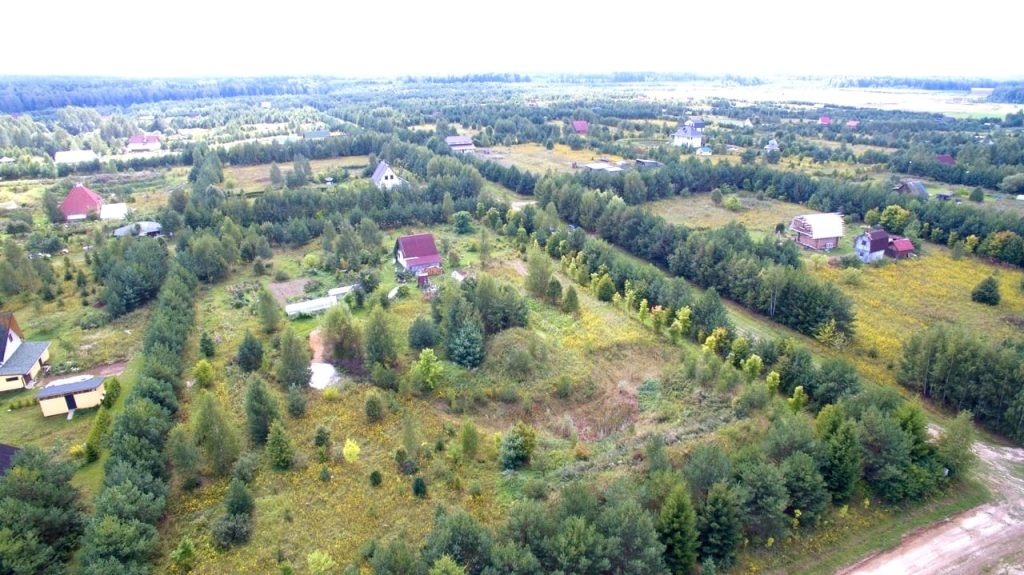
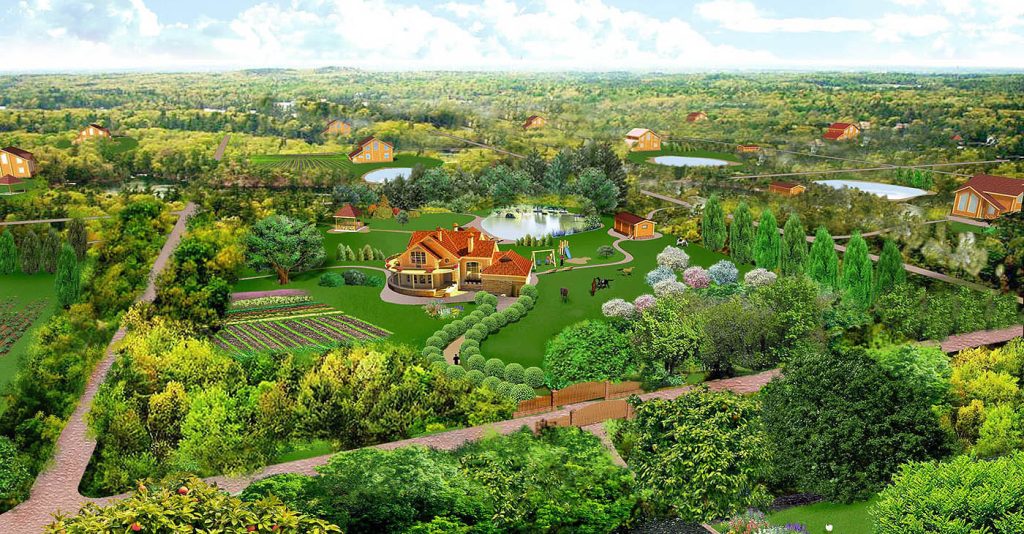
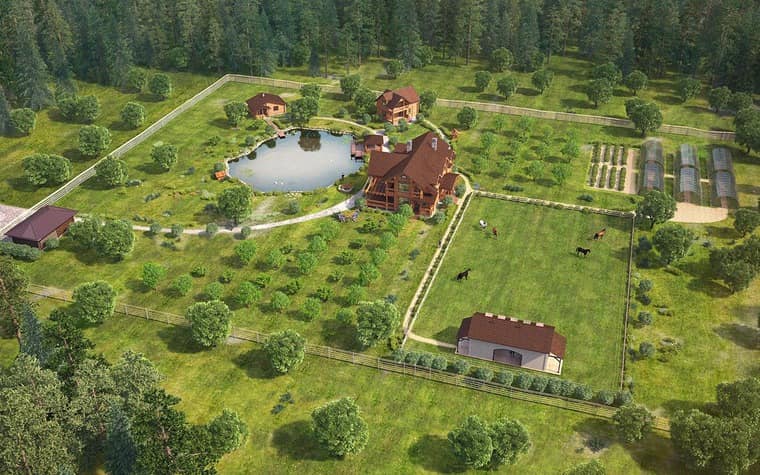
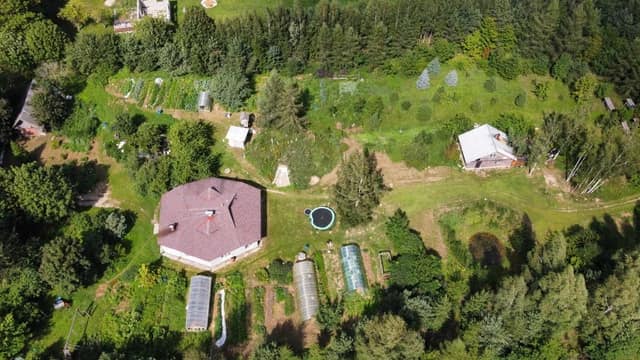
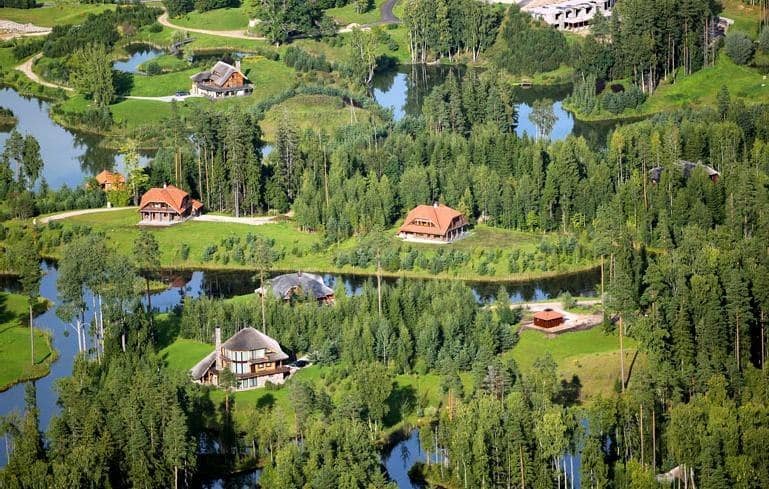
Planting must follow the core principles of permaculture—sustainable agriculture with minimal environmental impact. Specifically, two-thirds of the land should be planted with a mixed forest containing at least 350 different species of trees and shrubs, one-third should be used for a mixed orchard, and the remaining land should be allocated for a vegetable garden, a pond, and buildings. The plot must also have a living hedge to protect the homestead and attract birds. In all cases, such measures contribute to economic and demographic growth, strengthen the middle class, and improve the overall well-being of the population.
“If every Moldovan plants just one hectare of forest (which is manageable for a single family), we will have 2 million hectares of forest. Given that Moldova’s total land area is 3.4 million hectares, this would bring forest coverage to 59%, reaching the levels of some of the most forested European countries. Even if only 10% of Moldovans take land, as in the American Homestead era, that would still result in at least 200,000 hectares of new forest—achieved not through government spending, but through private family investment,” emphasized Vladislav Sanduliak.
He noted that families can and will plant forests if they are given favorable conditions. And granting land for free as private property, with no taxes on its production, is the best incentive for every Moldovan family.
“The Homestead Act is the best way to regulate a beneficial relationship between the state and every Moldovan family,” concluded the eco-activist.