
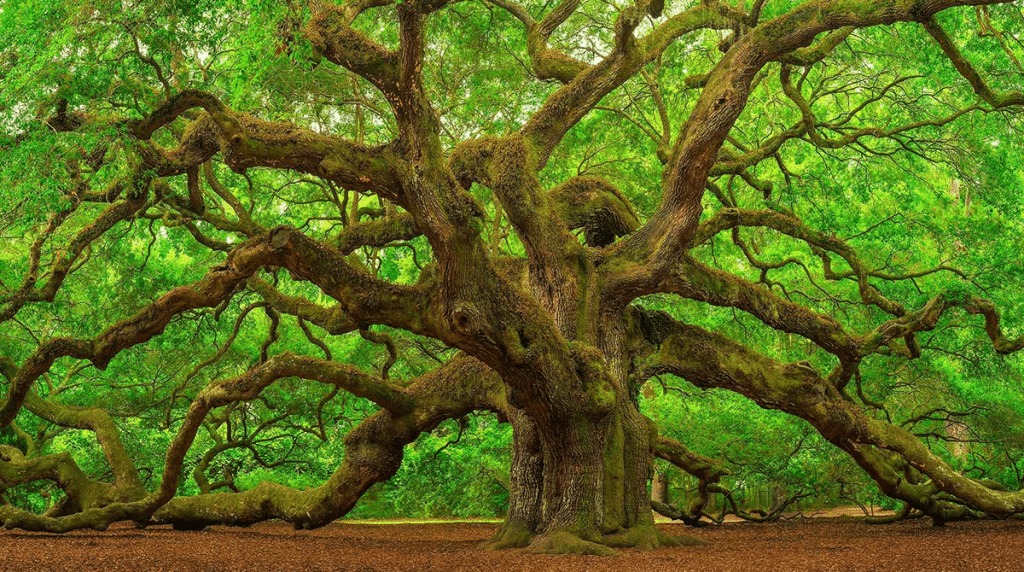
The logic seems simple: if a tree has reached a certain age, it can be cut down. However, such a policy has serious ecological consequences, which experts are warning about.
Doctor of Biological Sciences Ilia Trombitchi compares the current forestry approach to an absurd logic: trees are not pigs, and the older they are, the more benefits they bring to the ecosystem. This principle has long been recognized abroad. For example, in the USA, the US Forestry Service understands the importance of old trees in maintaining the hydrological regime in the context of climate change. There, the focus is on removing small and medium-sized trees to prevent wildfires and improve growing conditions for older trees. Moreover, the cut trees are given to companies for free, and they are even paid for their work.
In Moldova, however, the situation is the opposite: the older a tree is, the more likely it is to be cut down. This leads to the depletion of fauna – bats, dormice, and rare bird species disappear. Water sources dry up. A prime example is the Hârbovăț forest along the road to Bender.
Twenty to thirty years ago, oaks were massively cut down, leaving only a few trees for seeds. However, instead of a new oak forest appearing, acacia has spread, which does not contribute to the formation of groundwater. As a result, the region faces droughts, and the ecosystem becomes increasingly impoverished.
Such consequences require a revision of approaches to forest management. We need to change our priorities: instead of cutting down ancient oaks, we should invest in programs for their conservation and in sustainable forest management. Otherwise, the Republic of Moldova risks losing not only its forests but also its water resources, which are crucial for the country’s future.