
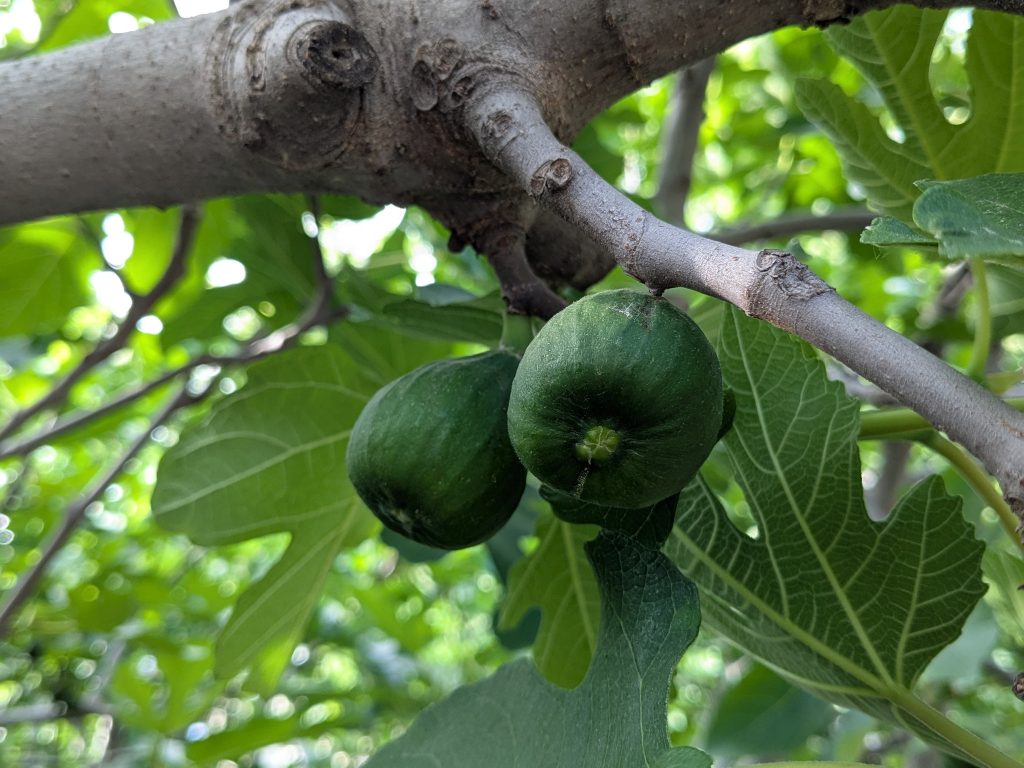
This concerns a unique Fig Garden where fig trees, Japanese quince, and mulberry grew — now this green corner has disappeared, and what will happen to the site remains unknown. The civic organization “Pădurea Noastră” played a key role in drawing attention to this case; its activists, together with volunteers, journalists, and concerned citizens, succeeded in securing the opening of a criminal case.
The director of the swimming pool, Vasile Cerbușcă, explained that the cutting was part of a renovation project for the area: a lawn and a renewed recreation zone are planned to be arranged on the site of the garden.
However, the absence of an official permit for tree removal caused public outcry. Activists from “Pădurea Noastră” became the initiators of the investigation and public oversight.
The activists of “Pădurea Noastră” are glad that citizens know how to unite: “We thank everyone who helped: European organizations for advocacy training, civil activists for advice, journalists for timely coverage, and the residents of Chișinău for photos and videos. ‘Pădurea Noastră’ is a grassroots organization without politicians or oligarchs behind us. We act out of enthusiasm and with modest support from volunteer friends.
The Fig Garden showed that unity is possible: people with different views came together for health, life, and the future. We are proud that we managed to bring the voice of the people to the right offices. Moldovans can be united when it comes to simple and important issues for everyone.”
Timeline of Events from “Pădurea Noastră’s” Perspective:
Initial information requests. The organization sent four identical letters to the Ministry of Environment, Chișinău City Hall, the university (which administers the swimming pool), and the company Spații Verzi, requesting official information based on the law on access to public information.
Response from the Ministry of Environment. The agency reported that no permit for cutting was issued. The environmental inspector was copied on the letter with a request to clarify the situation.
Lack of evidence by the inspector. According to Vladislav Sânduliak, the inspector stated he found no evidence of the existence of the fig garden — not even tree roots were found.
Searching for evidence via public help. The activist posted on Facebook asking Chișinău residents to help find photo and video proof of the cutting. Locals promptly sent photos and videos, which were forwarded to the inspector.
Inspector’s ignoring. After receiving the evidence, the inspector stopped responding and did not answer questions about the start of the investigation.
Appeal to the police. Activists then contacted the police. A volunteer personally visited the central police inspectorate, where he was told that territorial responsibility for the site lies with the Buiucani district police. He was advised to file an official complaint, which they did.
Case opened. In early August, “Pădurea Noastră” received confirmation that a case was opened concerning the illegal cutting of the Fig Garden.
According to Vladislav Sânduliak, the investigation will reveal who made the illegal decision to cut down the trees since no permit was issued by the Ministry of Environment. If this is a crime, those responsible must be held accountable.
“Pădurea Noastră” will continue to monitor the progress of the investigation and fight to preserve green spaces in Chișinău and across Moldova. This story is an example of how active citizens and civil society organizations can influence situations by uniting for the common good.