
This includes both political and technical assistance. Moldova does not have to act alone. It is appropriate to adopt European practices in the transition from a pollution-based, fossil fuel-dependent economy to a green and sustainable economy.
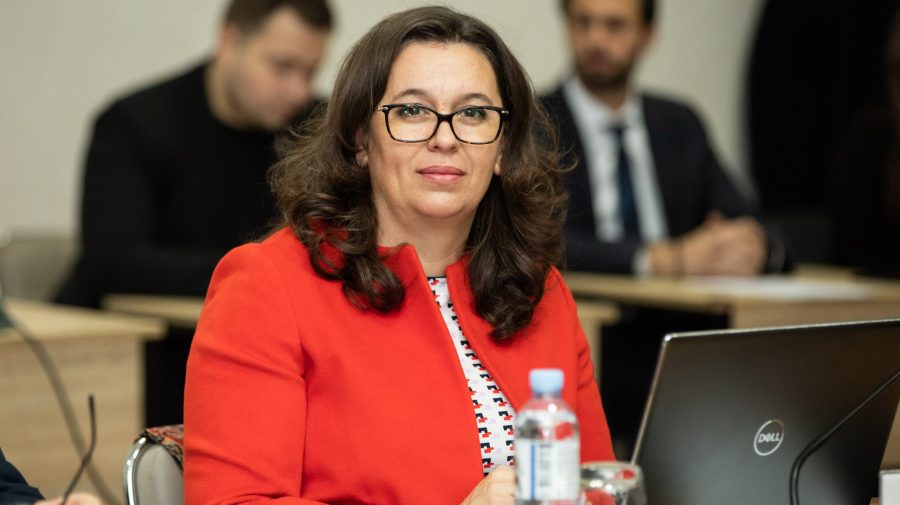
These statements were made by the national co-leader of the Green Agenda Project, Iordanca Rodica Iordanov, during the debate titled: “The readiness of the population and its willingness to support initiatives for Moldova’s green transition”, as reported by IPN.
“A green transition would mean adopting these experiences and also the regulatory and technical frameworks, adapted to Moldova’s context. We cannot copy them exactly, as we have our own national, geographical, and climatic particularities,” stated Iordanca Rodica Iordanov. She added that with the financial resources currently available, the Republic of Moldova will not be able to cope with this process—or will manage, but over a very long period. Under these circumstances, European support is essential. The EU supports Moldova in this process through various means, including grants and loans, the expert noted.
The lack of forests, according to Iordanca Rodica Iordanov, has a decisive impact on climate change. That is why a balance must be found between human comfort and the protection of ecosystems. When forests are cut down, it increases the risk of landslides, droughts, and torrential rains.
“There is also a noticeable trend nowadays. Every time there is an energy crisis, it is declared that there is not enough firewood and that citizens must be supported—so tree cutting is permitted. This approach is not constructive and does not support environmental protection or the reduction of climate change impacts,” emphasized the national co-leader of the Green Agenda Project.
During the debate, the results of a study conducted in the Republic of Moldova over six months were presented. 82% of respondents consider deforestation to be the main cause of climate change. 57% of those surveyed believe that both natural factors and human activity contribute to climate change.
The study was developed as part of the “Green Agenda” project implemented by the Stockholm Environment Institute and funded by the Swedish International Development Cooperation Agency, with AO EcoContact as the national implementing partner.