
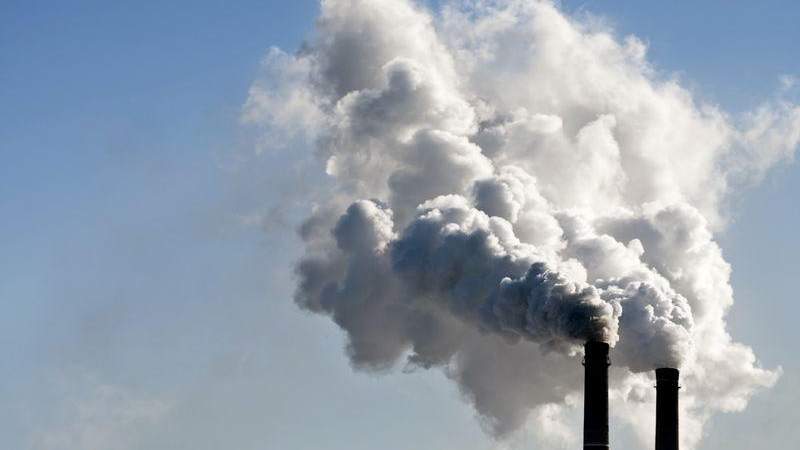
The warning comes in a statement prepared by EcoContact and signed by 30 NGOs (the list is being updated).
According to the document, the removal of key provisions and annexes from the law would allow polluting activities to operate without strict state control or environmental permits. Among the activities proposed to be excluded from the authorization regime are livestock farms, food industry units, water treatment plants, and the trade of chemicals and waste—all with a high potential for pollution.
Experts emphasize that if these amendments are adopted, many farms, factories, and industrial units will be able to operate without environmental authorization, making it more difficult for authorities to monitor and prevent pollution of water, air, and soil, thereby increasing risks to public health and the environment. Excluding these activities from Annex No. 2 and the complete removal of Annex No. 3 would create a dangerous legislative vacuum, weakening the state’s capacity to protect citizens’ right to a safe, healthy, and sustainable environment.
EcoContact highlights that the proposed amendments contradict European Union legislation already transposed into national law, as well as international agreements to which the Republic of Moldova is a party, endangering the country’s European integration process.
The document also points out that these changes are being advanced through an amendment to a draft law that has already passed the first reading, where the only link to the modified acts is the “environmental field,” without public consultation, engagement with local authorities, or a detailed analysis of environmental and health impacts. Specifically, the amendments to the Industrial Emissions Law were added to a draft law that initially only aimed to modify the Water Law No. 81 of March 19, 2025, already adopted in the first reading.
According to NGOs, this approach does not represent a simplification of the legal framework but rather a weakening of mechanisms to control and prevent pollution risks. A true simplification would involve legislative coherence, stakeholder consultations, and maintaining effective regulatory tools—elements missing from the current process.
Removing these regulations will reduce transparency and the ability of local authorities to fulfill their duties while limiting citizens’ right to be informed and involved in environmental decision-making.
In conclusion, the NGOs recommend that the authorities retain all control and authorization rules for activities with pollution risks and ensure broad public consultation before modifying environmental legislation.
It is worth noting that yesterday, June 24, 2025, the Cabinet of Ministers approved the Single Opinion on the amendments to the draft law modifying the Water Law No. 272/2011. The government’s opinion confirms that the changes to Law No. 227/2022 on industrial emissions constitute a new legislative initiative requiring adoption in two readings, recommending the consideration of Constitutional Court jurisprudence.
The documents can be accessed here: