How to Reforest All of Moldova

Tag: homestead

The President of Moldova, Maia Sandu, wants to plant a lot of forests in the country and has proposed a very ambitious program. However, currently, Moldova is planting only half the amount of forest planned in the program, while deforestation is happening at twice the rate of afforestation.
This issue was highlighted by an eco-activist, a student of the Faculty of Ecology at the Technical University of Moldova, and co-founder of the public organization Pădurea Noastră, as reported by Noi.md.

According to him, although President Sandu is the first among all previous presidents to genuinely care about and want to save Moldova’s nature, her efforts are not yet enough to match the reality on the ground.

The eco-activist pointed out that the president’s plan relies on the people, which is why she organizes the Forest Festival and various PR campaigns to promote tree planting.

“But our people are considered among the poorest in Europe, and our country also has the least amount of forest compared to other European nations. How can the poorest people plant the largest amount of forest in the shortest time? Yet, this is exactly what is needed to adapt to climate change: severe droughts and monsoon rains. The forest is the only thing that can deal with these challenges! There is only one answer: it must be profitable for the people! The poorest people can plant the most forests only if it is highly beneficial for them. And there is only one way to make it beneficial: the planted forest must become private property,” emphasized Vladislav Sanduliak.

According to him, there are historical precedents for this. For example, the American Homestead Act was passed in 1862, during the U.S. Civil War. Around 1.6 million people received land for free out of a total population of 31 million at the time. In total, 10% of U.S. land was given to citizens under homesteads.

This led to a rapid expansion of the middle class, which significantly influenced the country’s economic growth. Over 40 years, the U.S. population grew from 31 million to 76 million. By the end of the program in 1976, the U.S. population had reached approximately 218 million.

Historical records, including the book Not Just a Life, describe how a family that acquired land under the program became wealthy by producing and selling maple syrup and other forest products.

“There are many such examples in history where governments grant land to people for free for private use: the New Zealand Land Act of 1860, Japan’s post-war land redistribution reform of 1946, and others. A modern version of the Homestead Act has been developed in some regions of Russia. But today’s lawmakers have gone further, refining key aspects of the relationship between the state and its citizens,” said the eco-activist, who is one of the leaders of the environmental movement Tabor of Mother Earth.

He explained that, under the modern version of the law, a family—just like in the American Homestead era—can receive at least one hectare of land for free, and it is granted for lifetime use. However, to prevent land speculation, it cannot be sold. This way, the government protects its land assets.

If a person takes free land, they cannot divide and resell it under a different status. The land can only be passed down as a single unit to their heirs and cannot be rented out.

In exchange, the government fully exempts all products grown on these homesteads from taxes. The American law had the same provision, and as history shows, tax-free production from these lands only strengthened the state and led to rapid population growth. The modern Homestead Act even specifies what should be cultivated on the land.

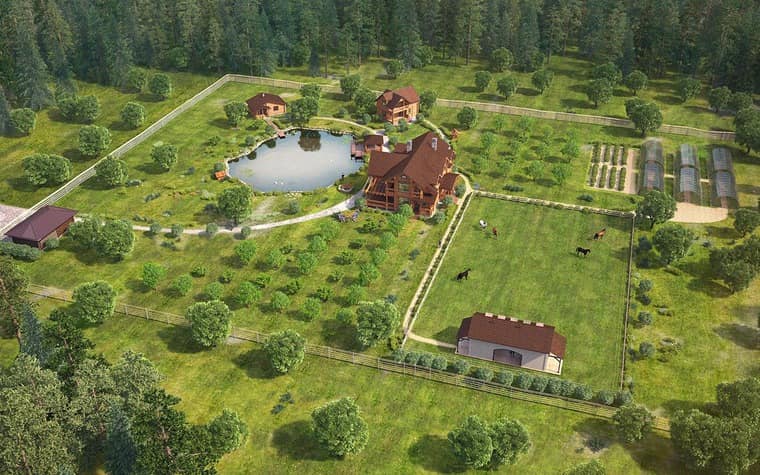
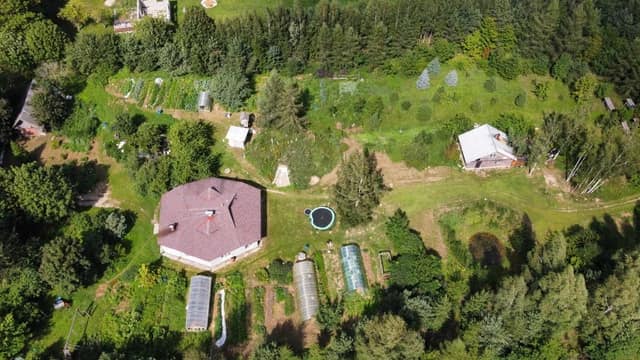
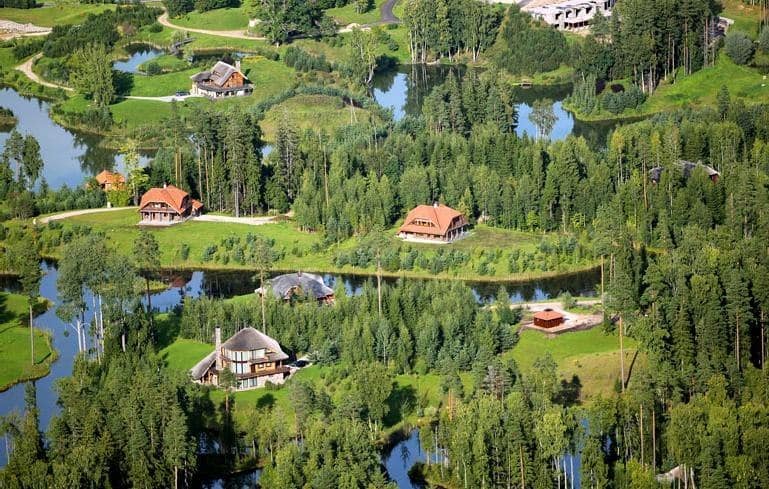
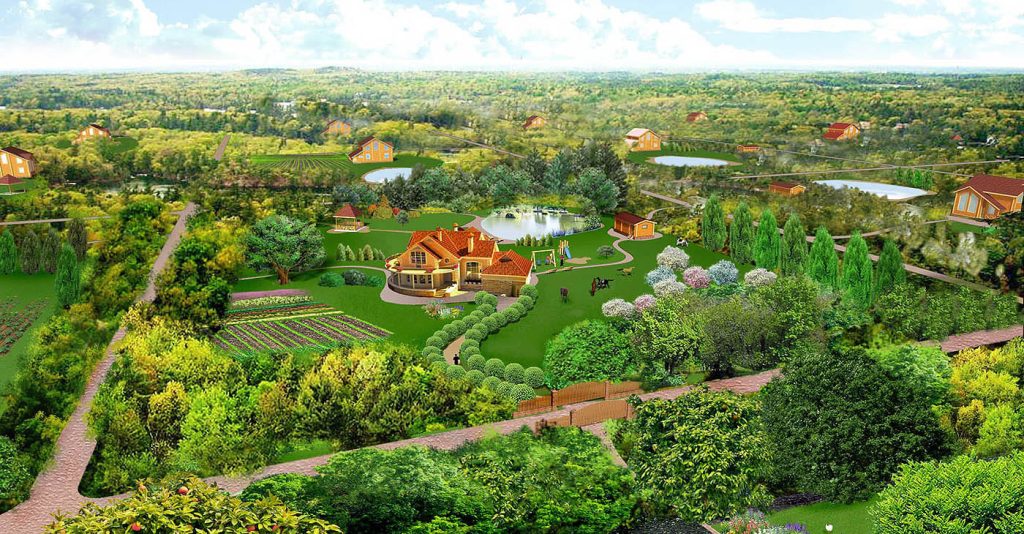
Planting must follow the core principles of permaculture—sustainable agriculture with minimal environmental impact. Specifically, two-thirds of the land should be planted with a mixed forest containing at least 350 different species of trees and shrubs, one-third should be used for a mixed orchard, and the remaining land should be allocated for a vegetable garden, a pond, and buildings. The plot must also have a living hedge to protect the homestead and attract birds. In all cases, such measures contribute to economic and demographic growth, strengthen the middle class, and improve the overall well-being of the population.

“If every Moldovan plants just one hectare of forest (which is manageable for a single family), we will have 2 million hectares of forest. Given that Moldova’s total land area is 3.4 million hectares, this would bring forest coverage to 59%, reaching the levels of some of the most forested European countries. Even if only 10% of Moldovans take land, as in the American Homestead era, that would still result in at least 200,000 hectares of new forest—achieved not through government spending, but through private family investment,” emphasized Vladislav Sanduliak.

He noted that families can and will plant forests if they are given favorable conditions. And granting land for free as private property, with no taxes on its production, is the best incentive for every Moldovan family.

“The Homestead Act is the best way to regulate a beneficial relationship between the state and every Moldovan family,” concluded the eco-activist.
Cum putem sădi cît mai multe păduri în Moldova

Tag: homestead

Președinta Republicii Moldova, Maia Sandu, vrea ca în țară să fie plantate multe păduri în și a propus un program foarte frumos, însă deocamdată în republică se plantează de două ori mai puțini copaci decît în planul anunțat și se taie de două ori mai mult decît se plantează.

Acest lucru l-a semnalat activistul de mediu, studentul Facultății Ecologie a Universității Tehnice din Moldova, unul dintre liderii echipei „Taborul Mamei Pămînt”, reprezentantul echipei Pădurea Noastră, Vladislav Sanduleac, relatează Noi.md.

Potrivit lui, deși acesta este primul președinte din toți cei precedenți, care iubește și vrea să salveze natura Moldovei, deocamdată forțele sale nu sînt pe măsura realității.

Activistul de mediu a declarat că, în planul său, președinta mizează pe oameni, motiv pentru care organizează un festival al Pădurilor și desfășoară tot felul de campanii de PR de sădire a copacilor.

„Dar poporul nostru este considerat unul dintre cele mai sărace din Europa, iar pădurile noastre, de asemenea, sînt cele mai puține comparativ cu alte țări europene. Cum poate cea mai săracă națiune să planteze cea mai mare cantitate de păduri în cel mai scurt timp? Or, de asta este nevoie pentru a ne adapta la schimbările climatice: secete bruște și ploi musonice. Pădurea este singura care poate face față acestor calamități! Există un singur răspuns: oamenii trebuie să beneficieze de pe urma acestui lucru! Cea mai săracă națiune poate planta cele mai multe păduri doar dacă acest lucru va fi profitabil. Și nu poate exista decît un singur beneficiu: pădurea plantată trebuie să fie privată”, a subliniat Vladislav Sanduleac.


Potrivit acestuia, astfel de exemple există. În special, American Homestead Act, (Legea Gospodăriilor), a fost adoptată în 1862, în timpul Războiului Civil din SUA. Din cele 31 de milioane de locuitori ai Americii de la acea vreme, aproximativ 1,6 milioane de persoane au primit gratuit pămînt. 10% din terenuri au fost date americanilor pentru moșii.


Acest lucru a dus la o creștere bruscă a clasei de mijloc în rîndul populației, ceea ce a influențat foarte mult creșterea economică a țării. În 40 de ani, populația a crescut de la 31 de milioane la 76 de milioane de persoane. La momentul încheierii programului (1976), populația SUA era de aproximativ 218 milioane.

Potrivit contemporanilor acelei perioade, cartea „Not Just Life” povestește cum o familie care a luat pămîntul s-a îmbogățit din producția și vînzarea siropului de arțar și a altor produse forestiere.

„Istoria cunoaște foarte multe astfel de exemple în care statul oferă gratuit oamenilor terenuri pentru utilizare personală: Legea funciară din Noua Zeelandă din 1860, reforma distribuirii terenurilor în Japonia după război în 1946 și altele.

Similară cu legea americană este cea mai modernă de pînă în prezent Legea privind proprietățile în unele regiuni ale Federației Ruse.. Dar contemporanii au mers mai departe și au ajustat unele prevederi în relația dintre stat și cetățean”, a spus activistul de mediu, unul dintre liderii echipei ”Taborul Mamei Pămînt”.

El a subliniat că, în versiunea modernă a legii, o familie, la fel ca cea americană din perioada adoptării Homestead Act, poate primi gratuit 1 hectar de pămînt și mai mult, iar acesta este dat în folosință pe viață. Dar, pentru a exclude tot felul de fraude cu terenul, acesta este dat în condiții fără dreptul de a-l vinde. În acest mod, statul își poate securiza terenurile.

În cazul în care o persoană a decis să primească un teren cu titlu gratuit, aceasta nu poate împărți bucata sa de teren și să o revîndă sub altă destinație. Nu poate transfera decît o singură parcelă de teren rudelor sale prin moștenire. Chiar și darea în chirie a acestuia nu este permisă.


Dar, în schimb, statul scutește în totalitate cetățenii de impozitarea produselor cultivate pe moșii. Legea americană era la fel și, după cum arată istoria, lipsa impozitelor pe produsele cultivate pe aceste terenuri nu a făcut decît să îmbunătățească poziția statului și să sporească puternica creștere a populației. Legea modernă privind moșiile reglementează chiar și ceea ce trebuie cultivat pe acea moșie.
Plantațiile ar trebui să respecte principiile de bază ale permaculturii – cultură durabilă cu impact minim asupra mediului. Mai exact, două treimi din teren trebuie plantate cu o pădure mixtă cu minim 350 de specii diferite de arbori și arbuști, o treime – livadă mixtă, iar restul – grădină de legume, iaz și construcții. Terenului trebuie împrejmuit cu un gard viu pentru a proteja proprietatea și a atrage păsările. În toate cazurile, acest lucru sporește creșterea economică și demografică a țării și consolidează clasa de mijloc și nivelul general de prosperitate al tuturor cetățenilor.

„Dacă fiecare moldovean va planta cel puțin un hectar de pădure, ceea ce nu este un lucru complicat pentru o familie, vom obține 2 milioane de hectare de pădure. Cu suprafața Moldovei de 3,4 milioane de hectare, vom obține 59% din împădurirea țării. Iar aceștia sînt indicatorii celor mai bune țări din Europa. Chiar dacă doar 10% dintre moldoveni vor lua pămînt, ca în America pe vremea Homestead, asta înseamnă cel puțin 200.000 de hectare de pădure, nu din contul statului, ci al investițiilor fiecărei familii”, a subliniat Vladislav Sanduleac.


El a menționat că familiile pot și vor planta păduri dacă li se oferă condiții avantajoase. Iar transmiterea gratuită a terenurilor în proprietate privată, fără plata impozitelor, este oferta cea mai avantajoasă pentru fiecare familie moldovenească.
„Iar legea cu privire la moșii poate ajusta relațiile avantajoase între stat și fiecare familie din Moldova”, a declarat activistul de mediu, studentul Facultății Ecologie a Universității Tehnice din Moldova.