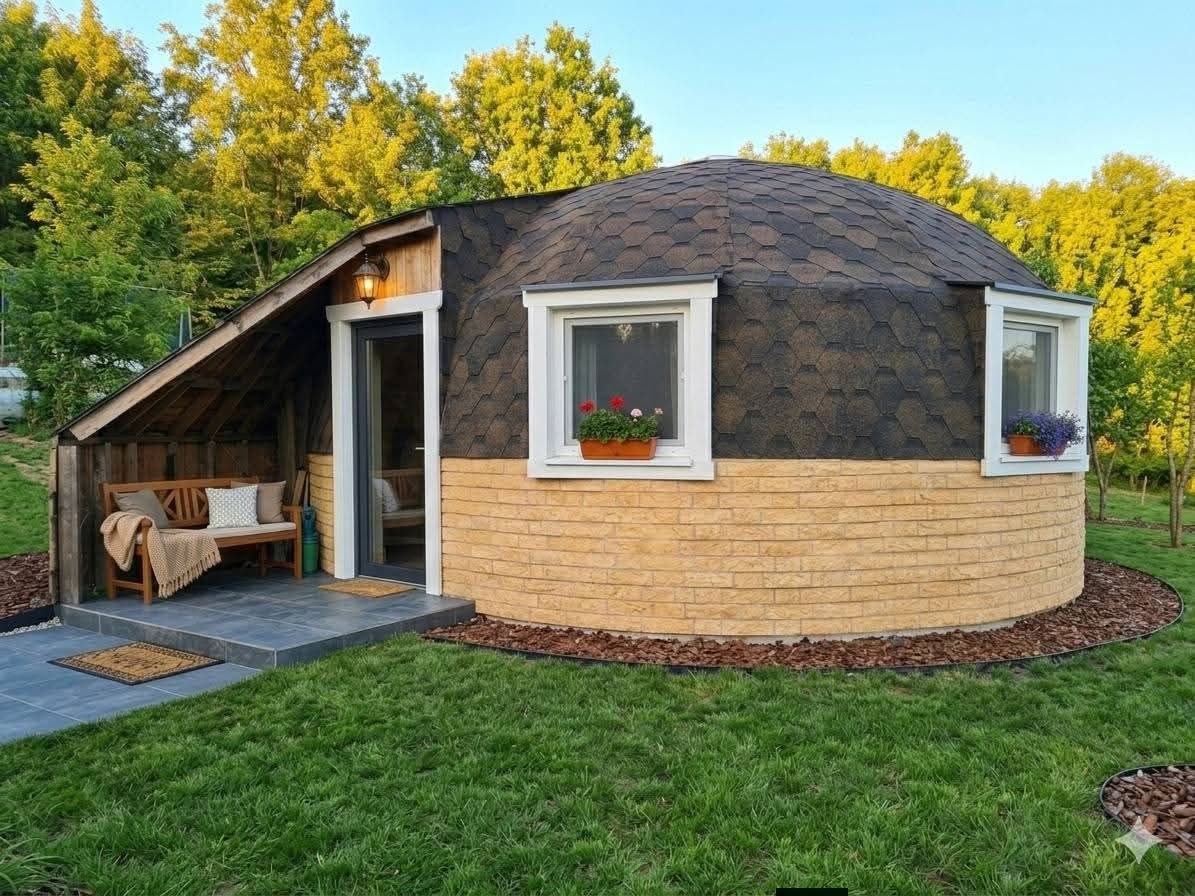
Starry Sky Homestead

Tag: Moldova

Family Homestead & Ecological Creative Space, Schastlivoe (Happy) Ecovillage, Republic of Moldova.

Starry Sky Homestead is a family project inspired by a love of nature, creativity, community and a more conscious way of living. It is a place where ecological ideas meet art, traditions and the simple joys of rural life.
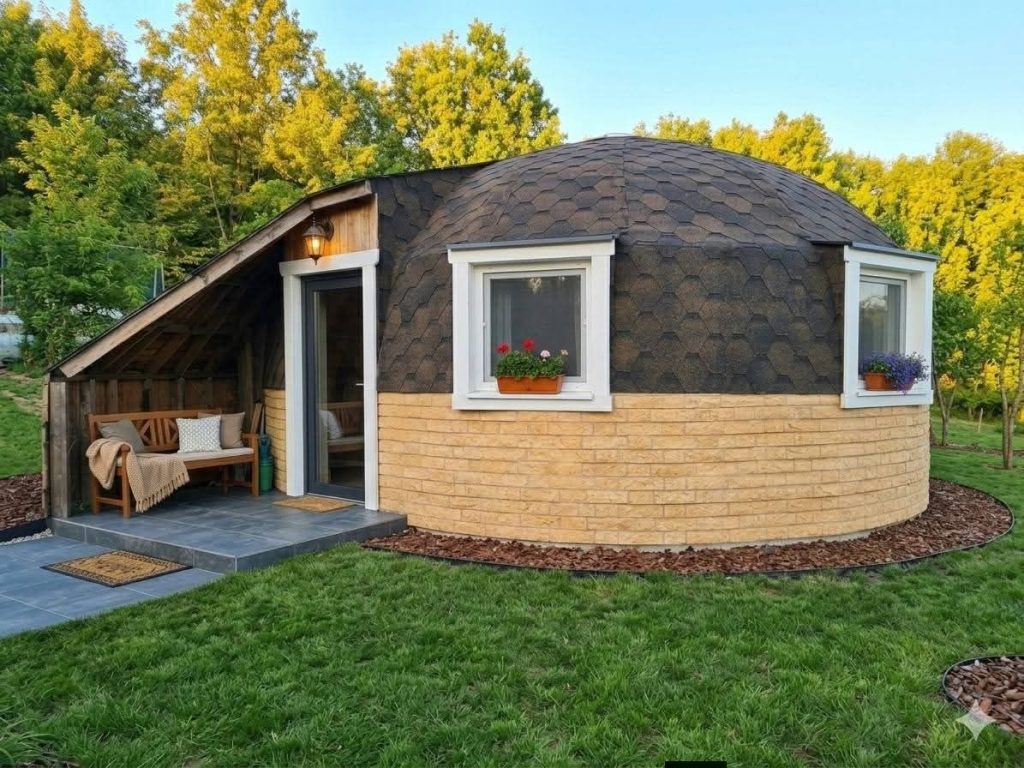
Our place and our story

Starry Sky Homestead is our family space, created around the idea of living in harmony with nature. We believe that a homestead can be more than just a place to live. It can become a space for learning, sharing experiences, creating things together and building meaningful relationships between people.

Our inspiration comes from permaculture, ecological thinking, traditional rural culture and the desire to reconnect people with the land.
Permaculture and living with nature

We explore ways of creating a sustainable and diverse homestead based on permaculture principles. Working with the land, growing plants, observing natural processes and creating habitats for biodiversity are important parts of our everyday life.

We are interested in combining traditional knowledge with ecological practices, developing a living landscape where people, plants, animals and ecosystems coexist.
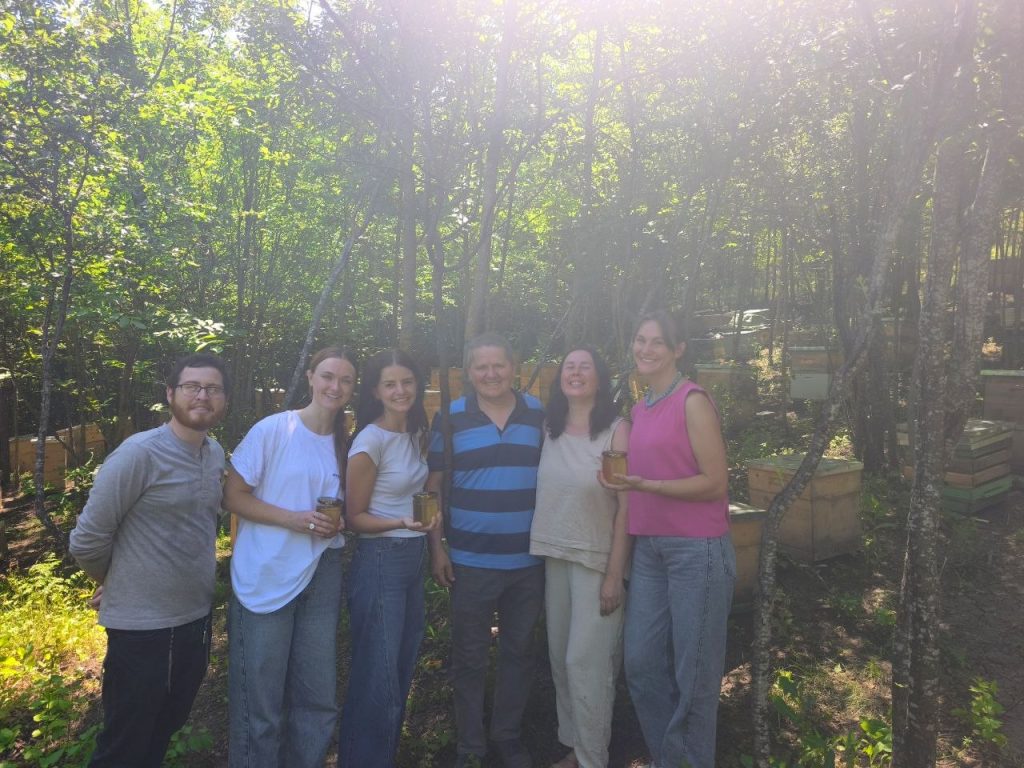
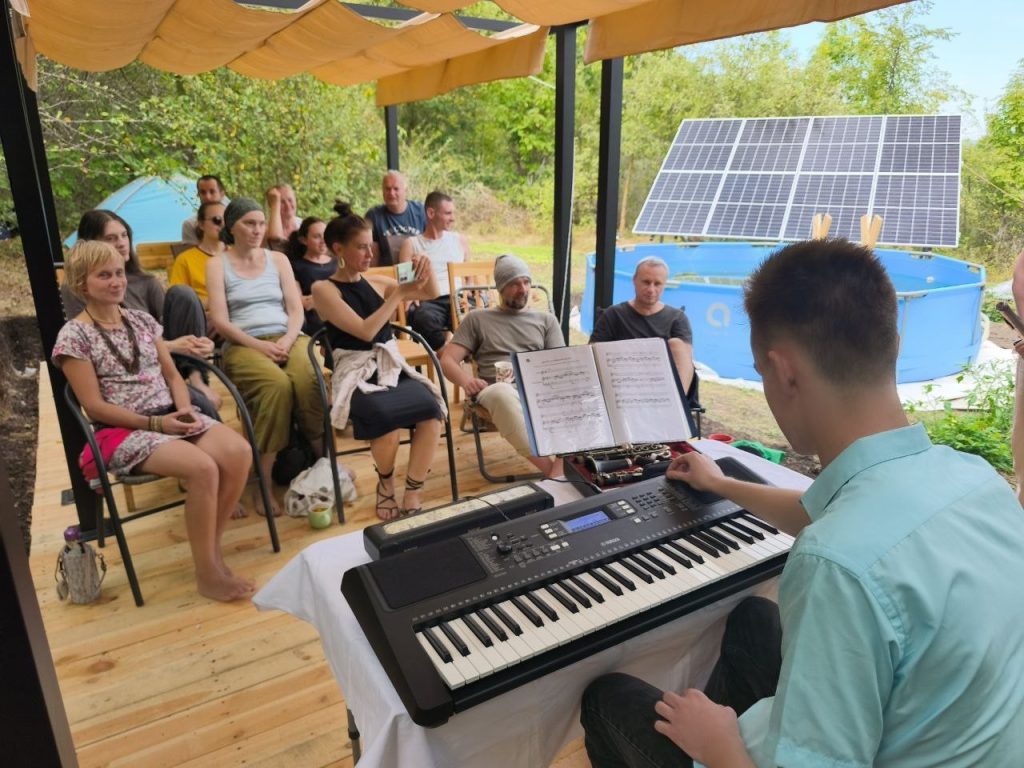
Art, creativity and cultural exchange

We see the homestead as a meeting place for artists, educators, researchers and creative people.

Art residencies, workshops, cultural exchanges and creative experiments can bring new ideas and connections to rural communities. We want to create opportunities for people from different backgrounds to meet, share their experiences and work together.
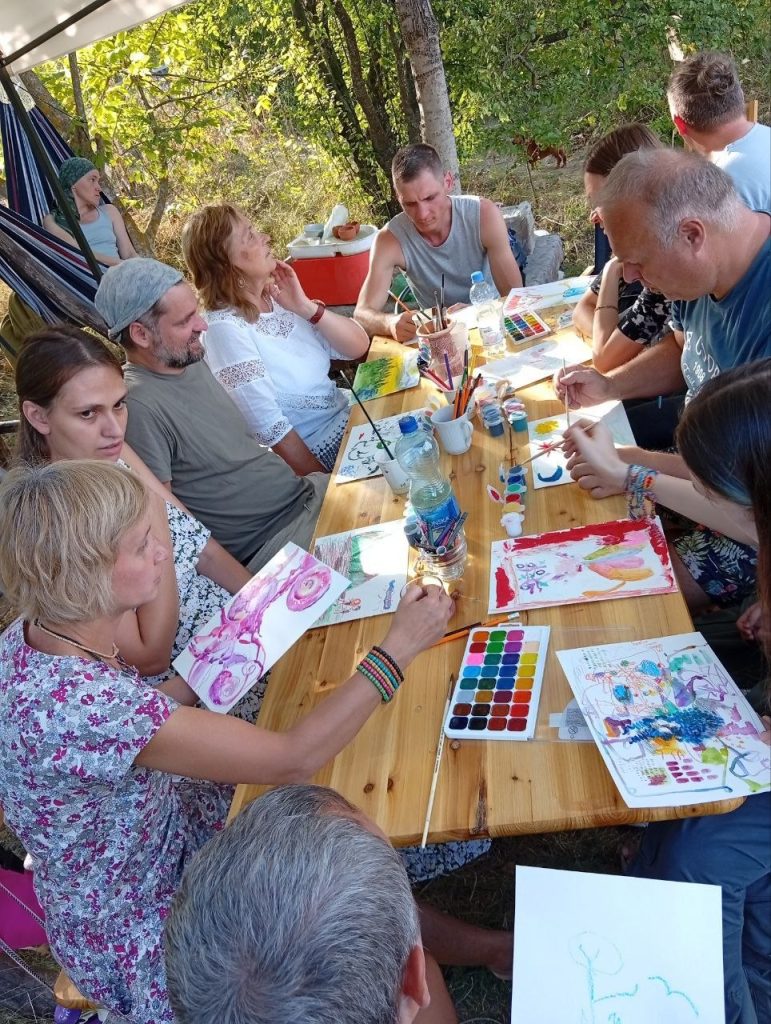
Festivals and gatherings

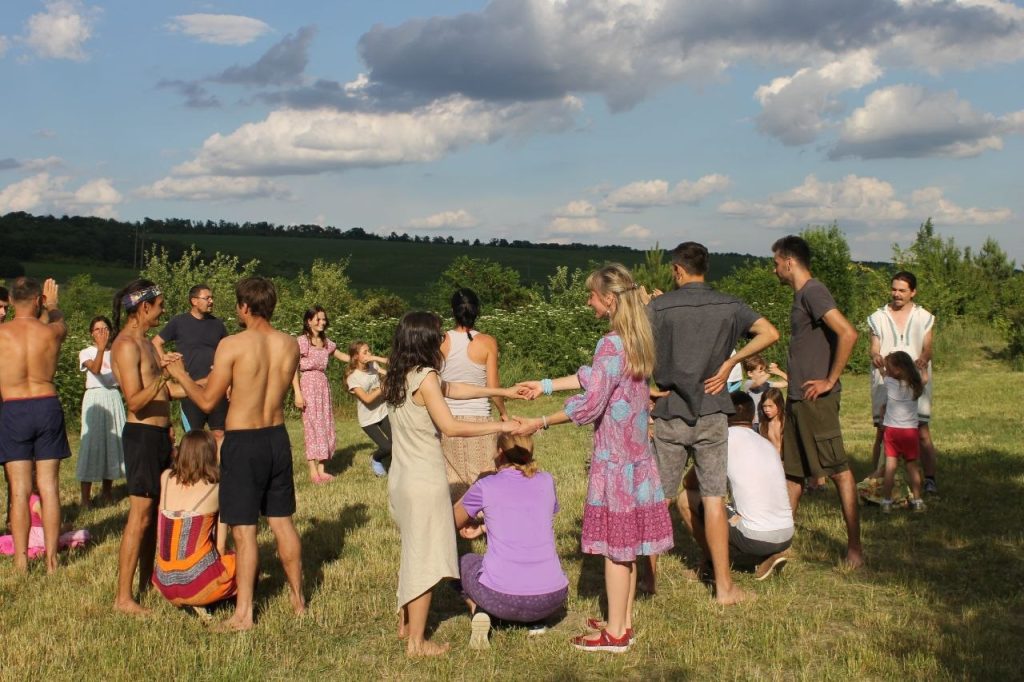
We believe in the power of coming together.

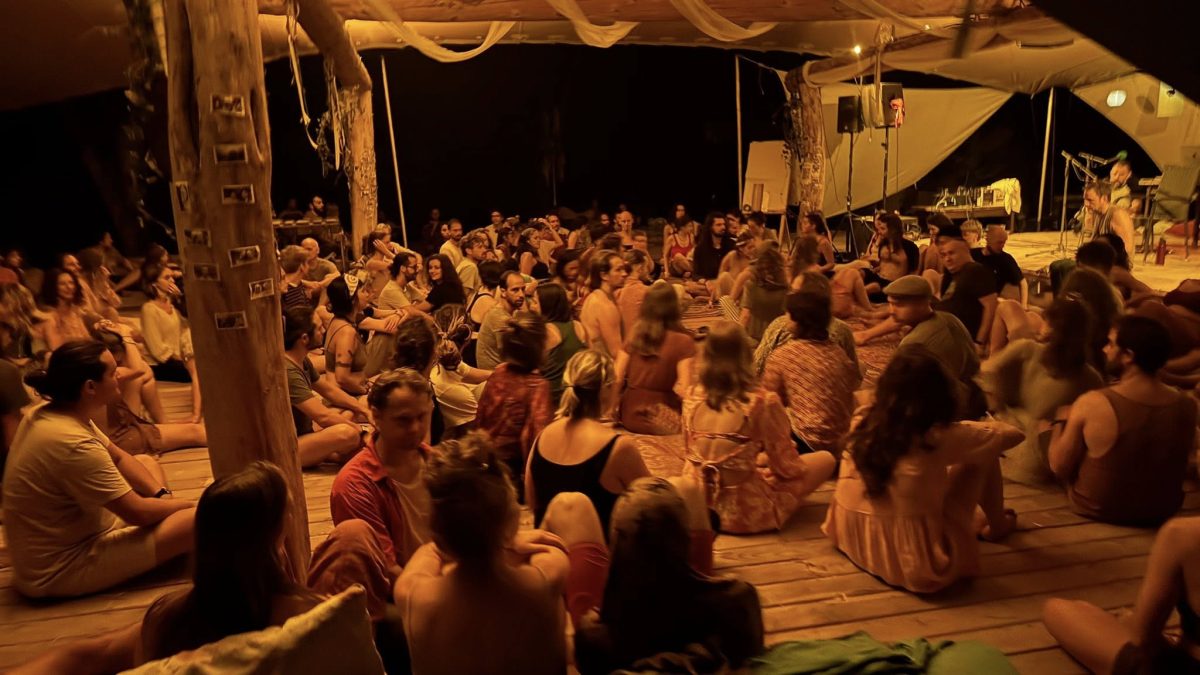
Small festivals, music, traditional dances, community gatherings and shared celebrations can make rural life more vibrant and meaningful.

We want to create a welcoming space where people can meet, exchange ideas, enjoy nature and rediscover the joy of being part of a community.
Water, landscape and biodiversity

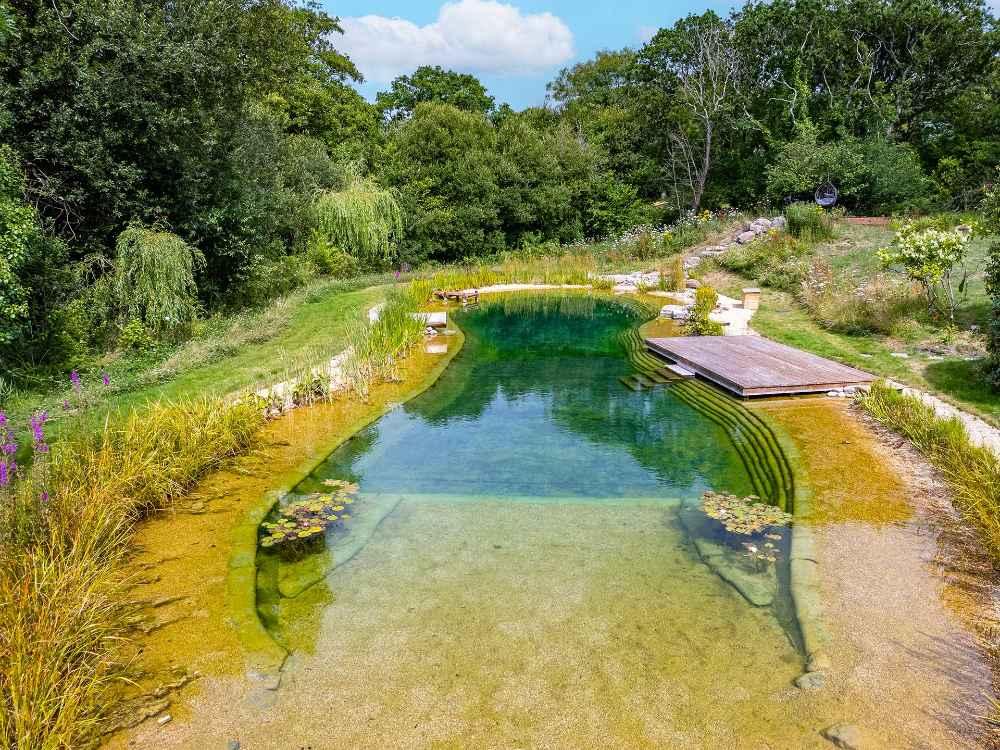
Water is an essential element of a living landscape. We dream of creating a small natural pond surrounded by diverse vegetation, providing space for wildlife and a peaceful place for people.

Our vision is to develop a landscape that supports biodiversity, improves the local environment and brings people closer to nature.
Education, hospitality and shared experiences

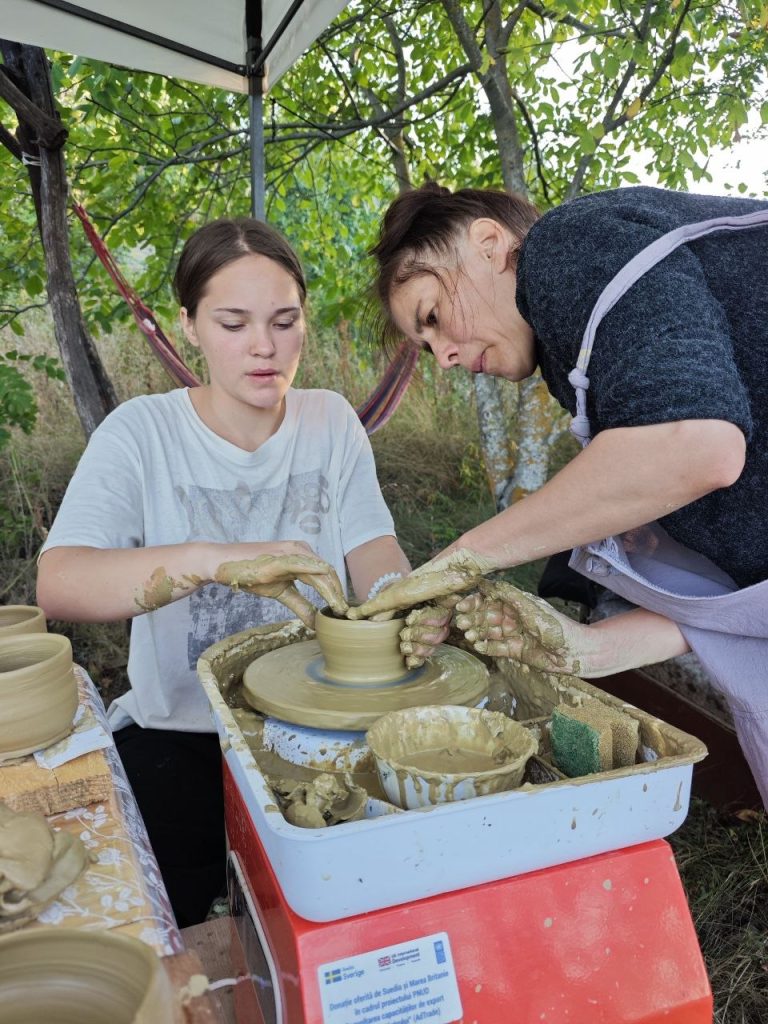
We would like Starry Sky Homestead to become a place for educational activities, practical workshops, ecological learning and hospitality.

Our future vision includes a multifunctional space for meetings and workshops, guest cabins, an outdoor area for dancing and celebrations, and places for creative work and relaxation.

We want to welcome people who are interested in ecology, permaculture, art, rural culture and alternative ways of living.
A place to grow together

Starry Sky Homestead is an evolving family project. We are not trying to create a perfect place. We are interested in the process itself — learning, experimenting, making mistakes, growing and sharing what we discover along the way.

We believe that small places can inspire big changes, and that a more sustainable future begins with the way we relate to the land and to each other.

Welcome to Starry Sky Homestead!
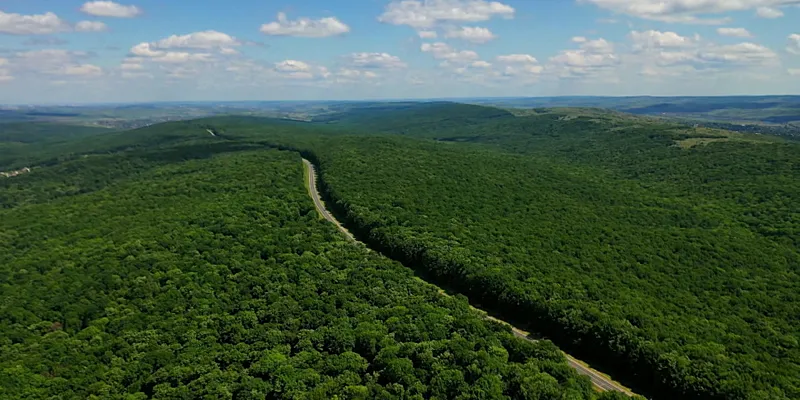
For Moldovans, the best place for recreation is the Codrii and their biodiversity (Study)

Tag: Moldova

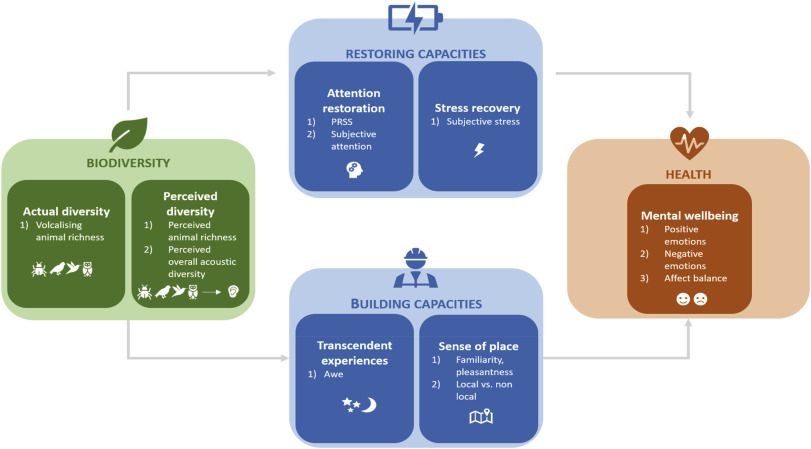
Resting in Moldova’s Codrii forests can be not just pleasant, but truly healing—and in some cases even more beneficial for mental health than traveling abroad. This conclusion is supported by the results of a new scientific study on the impact of natural sounds and biodiversity on human well-being.

Why the Codrii?

The study found that soundscapes of local forests have a stronger positive effect on the human psyche than the sounds of “exotic” natural environments. This means that for people living in Moldova, native forests—such as the Codrii—may be the most restorative.

Key findings:

  • Sounds of local forests improve mental well-being more than sounds of unfamiliar ecosystems
  • The greater the diversity of animals, the stronger the feeling of harmony and even awe
  • Perceiving rich wildlife is directly linked to improved mood
  • However, “chaotic” acoustic diversity (without understanding its meaning) can, on the contrary, create tension

In other words, it’s not just the number of sounds that matters, but their naturalness, familiarity, and connection to living nature.

Biodiversity is the key to inner calm

Humans are evolutionarily connected to their natural environment. The sounds of birds, insects, and rustling leaves create a sense of safety and belonging. That is why forests rich in biodiversity can:

  • reduce stress levels
  • improve concentration
  • restore emotional balance

The Codrii are one of the few regions in Moldova where relatively high species diversity is still preserved. This makes them not only ecologically valuable but also psychologically important for people.

Acacia plantations are good for firewood, but do they improve mental health?

It is important to address a separate issue relevant to the Republic of Moldova: the large-scale planting of acacia trees.

Although acacia is often used for rapid greening efforts, it is important to understand that monocultures are not real forests.

Such plantations:

  • have low biodiversity

  • create poor soundscapes

  • do not form a complete ecosystem

  • may cause a feeling of monotony in people

The study indirectly confirms this: when the sound environment is not perceived as “alive” and rich, it does not provide psychological comfort.

Implications for reforestation

If Moldova wants not just to “plant trees,” but truly restore nature and improve people’s quality of life, it is necessary to:

  • create mixed forests rather than monocultures
  • consider the diversity of plant and animal species
  • build resilient ecosystems
  • preserve local natural communities

Biodiversity is not a luxury—it is the foundation of both environmental and human health.

How the study was conducted

The experiment involved 195 students from Germany. They were asked to listen to recordings of forest soundscapes:

  • with low and high levels of animal sounds
  • from local (temperate) and non-local (tropical) forests

Researchers analyzed:

  • emotional responses
  • stress and well-being levels
  • sense of “place attachment”
  • perception of sound diversity

Main scientific conclusions:

  • Forests richer in animal sounds triggered stronger positive emotions
  • Local forests were perceived as more pleasant and restorative
  • Perceived biodiversity was more important than its objective level
  • Overly complex but “unfamiliar” sound environments reduced comfort

Researchers emphasize that it is not enough to increase diversity—it must be ecologically meaningful and perceptible to humans.


In conclusion, the Codrii are not just a green area on the map. They are a place where nature can truly heal—through sound, atmosphere, and biodiversity.

And perhaps the best отдых for Moldovans is not a flight to another country, but a return to their own nature.

🔗 Study link:
https://www.sciencedirect.com/science/article/pii/S0272494426001088

Pentru moldoveni, cel mai bun loc de odihnă — Codrii și biodiversitatea lor (Studiu)

Tag: Moldova

Odihna în Codrii Moldovei poate fi nu doar plăcută, ci cu adevărat vindecătoare — iar în unele cazuri chiar mai benefică pentru sănătatea mintală decât călătoriile în străinătate. La această concluzie conduc rezultatele unui nou studiu științific dedicat influenței sunetelor naturii și biodiversității asupra stării de bine a omului.

De ce anume Codrii?

Studiul a arătat:
peisajele sonore ale pădurilor locale au un efect pozitiv mai puternic asupra psihicului decât sunetele unor teritorii naturale „exotice”. Aceasta înseamnă că, pentru locuitorii Moldovei, anume pădurile natale — precum Codrii — pot avea cel mai puternic efect de refacere.

Concluzii cheie:

  • Sunetele pădurii locale îmbunătățesc starea de bine psihică mai mult decât sunetele ecosistemelor necunoscute
  • Cu cât diversitatea animalelor este mai mare, cu atât mai puternică este senzația de armonie și chiar de admirație profundă
  • Percepția bogăției naturii vii este direct legată de îmbunătățirea dispoziției
  • Dar diversitatea acustică „haotică” (fără a-i înțelege sensul) poate, dimpotrivă, provoca tensiune

Cu alte cuvinte, nu contează doar numărul sunetelor, ci naturalețea, familiaritatea și legătura lor cu natura vie.

Biodiversitatea — cheia liniștii interioare

Omul este evolutiv legat de mediul său natural. Sunetele păsărilor, insectelor, foșnetul frunzelor — toate acestea creează un sentiment de siguranță și apartenență. De aceea, o pădure cu biodiversitate bogată poate:

  • reduce nivelul de stres
  • îmbunătăți concentrarea
  • restabili echilibrul emoțional

Codrii sunt una dintre puținele regiuni din Moldova unde se mai păstrează o diversitate relativ ridicată de specii. Acest lucru îi face nu doar valoroși din punct de vedere ecologic, ci și importanți psihologic pentru oameni.

Plantațiile de salcâm sunt bune pentru lemne de foc, dar îmbunătățesc ele sănătatea mintală?

Este important să abordăm separat o problemă actuală pentru Republica Moldova: plantările masive de salcâm.

Deși salcâmul este adesea folosit pentru împăduriri rapide, este important de înțeles că:
monoculturile nu sunt o pădure adevărată.

Astfel de plantații:

  • au o biodiversitate scăzută

  • creează un peisaj sonor sărac

  • nu formează un ecosistem complet

  • pot provoca la om senzația de monotonie

Studiul confirmă indirect acest lucru:
atunci când mediul sonor nu este perceput ca „viu” și bogat, el nu oferă confort psihologic.

Concluzii pentru reîmpădurire

Dacă Moldova dorește nu doar să „planteze copaci”, ci să refacă cu adevărat natura și să îmbunătățească calitatea vieții oamenilor, este necesar:

  • să creeze păduri mixte, nu monoculturi
  • să țină cont de diversitatea speciilor de plante și animale
  • să formeze ecosisteme stabile
  • să conserve comunitățile naturale locale

Biodiversitatea nu este un lux, ci baza sănătății atât a naturii, cât și a omului.

Cum a fost realizat studiul

La experiment au participat 195 de studenți din Germania. Aceștia au ascultat înregistrări ale sunetelor de pădure:

  • cu nivel scăzut și ridicat al sunetelor produse de animale
  • din păduri locale (temperate) și ne-locale (tropicale)

Cercetătorii au analizat:

  • reacțiile emoționale
  • nivelul de stres și starea de bine
  • senzația de „legătură cu locul”
  • percepția diversității sonore

Principalele rezultate științifice:

  • Pădurile cu mai multe sunete de animale au generat emoții mai pozitive
  • Pădurile locale au fost percepute ca mai plăcute și mai restorative
  • Percepția biodiversității s-a dovedit mai importantă decât nivelul ei obiectiv
  • Un mediu sonor prea complex, dar „neînțeles”, reduce confortul

Cercetătorii subliniază:
nu este suficient să creștem diversitatea, ci trebuie ca aceasta să fie ecologic coerentă și ușor de perceput de către om.


În concluzie, Codrii nu sunt doar o zonă verde pe hartă. Este un loc unde natura poate cu adevărat să vindece — prin sunete, atmosferă și biodiversitate.

Și, poate, cea mai bună odihnă pentru moldoveni nu este un zbor spre o altă țară, ci întoarcerea la propria natură.

🔗 Link către studiu:
https://www.sciencedirect.com/science/article/pii/S0272494426001088

Beehive on the Balcony

Tag: Moldova

🍯 “Beehive on the Balcony” — a project of support and sustainability.

We are launching a social project that combines two key goals:
💛 helping people
🌱 financial sustainability of environmental projects

We are the team of Pădurea Noastră (Our Forest) from Moldova.
We organize environmental actions, educational programs, create media content, and protect the environment on a legal level.

Today, our capacity largely depends on external funding.
To grow sustainably, we are creating our own source of income — both ecological and social at the same time.


🐝 Why a beekeeping project?

We are launching an apiary that will become:
— a financial foundation for the organization
— a platform for environmental education
— a tool to support people

The apiary will be located in a clean natural area —
in the eco-settlement “Schiastlivoye,” in one of the homesteads near Moldova’s Codri forest 🌳

🐝 How does the project work?

We have created a format with a strong social impact:

👉 you make a donation
👉 we invest it in developing the apiary
👉 and distribute this year’s harvest as follows:

50% — for the development of environmental projects
50% — for vulnerable people in Moldova who need support:

Refugees
— single mothers
— large families
— elderly people
— people with disabilities

Cost of one hive is:

  • 175 euros or
  • 200 US dollars

💬 If you wish,
we can deliver honey to a specific person or family
you would like to support.

❓ Why is it called “Hive on the Balcony”?

We want to give urban residents the opportunity to have clean, natural products on their table without commercial markups —
as if the hive were right at their home.
Where exactly? On the balcony.

At the same time, through this project, we want to introduce people to eco-settlements and a nature-based lifestyle.

🌿 Why does it matter?

This is not just a donation.

It is a contribution that simultaneously:
— helps people here and now
— supports the development of our environmental projects 🌱

Products will be distributed throughout the year as they are harvested:
acacia honey, linden honey, wildflower honey,
as well as pollen, bee bread, and other bee products.


📊 Plans for this year

We plan to launch an apiary with 50 bee colonies.


🌱 About us

A.O. Pădurea Noastră (Our Forest) is an environmental and cultural organization in Moldova.

We combine:
— environmental protection activities
— educational projects
— cultural initiatives

👥 Our team includes 9 core members and more than 100 volunteers

More than 100 volunteers take part in large-scale activities:
forest clean-ups, tree planting, environmental projects,
as well as festivals of traditional culture and heritage,
where ecological awareness is integrated into cultural programs.

We also support eco-settlements in Moldova
and encourage moving from cities to rural areas.


📈 Our achievements:

• Over 20,000 kg of waste collected during 45 eco-actions (2022–2025)
• 10 “Clean Games” held with participation of 500 children and teenagers
• Illegal construction stopped in the Tsypova nature reserve
• Illegal logging and dumps identified
• Compensation secured for cutting down a fig garden in central Chișinău
• Organized the first environmental Reels blogging conference in Moldova

European Ecovillage Gathering 2025: Ukraine Proposes a New Model for Unity — Care for the Earth!

Tag: Moldova

The European Ecovillage Gathering 2025 once again confirmed its status as the main forum for those seeking alternatives to conventional models of society.

Hundreds of participants from 15 European countries came together to share experiences, discuss the future of eco-living, and explore how ecovillages can respond to global challenges — from the climate crisis to social upheavals.

A central part of the event was the meeting of national ecovillage network leaders. Here, participants discussed not only ecological practices but also the strategic development of movements in different countries. “Strong settlements do not always mean strong networks. These are different levels of coordination and organization of processes,” participants noted.

A key element was the discussion on unifying values. The Ukrainian network presented its own concept — “In Earth we trust.” As explained by GEN Ukraine leader Maksym Zalevskyi, “we are united by care for the Earth. This is something on which there are no contradictions within our network.” This vision — regeneration of the land as the foundation for restoring communities and people — resonated as particularly relevant in Europe.

“Not all networks today have a clear direction. Far from all of the 15 countries have achievements to share. The strongest remain mostly the Western networks,” Zalevskyi admitted.

Despite the hardships of war and the crisis of civil society, the Ukrainian experience earned respect from colleagues. “We maintained the activity of our network. Our weekly Wednesday calls have not lost momentum. People want to move forward with us. I said that I am proud that, despite everything, we preserved the multiculturalism, inclusiveness, and ideological biodiversity of our network. This is what I see as a true European value,” he added.

Meanwhile, the development of ecovillages in Moldova is not as intensive as in some European countries or even neighboring Ukraine. This is why there is hope that the state will pay more attention to this issue. Such settlements foster conscious communities, restore the connection with nature, stimulate local economies, and create sustainable living models that can be adapted to different conditions. Their development helps prepare people for future challenges and strengthens the social and ecological resilience of the country.

Adunarea Europeană a Așezărilor Eco 2025: Ucraina propune un nou model de unitate — Grija pentru Pământ!

Tag: Moldova

Adunarea Europeană a Așezărilor Eco (European Ecovillage Gathering 2025) și-a confirmat anul acesta statutul de principal forum pentru cei care caută alternative la modelele tradiționale de societate.

Sute de participanți din 15 țări europene s-au reunit pentru a-și împărtăși experiențele, a discuta despre viitorul vieții ecologice și despre modul în care Așezările Eco pot răspunde provocărilor globale — de la criza climatică la tulburările sociale.

Partea centrală a fost întâlnirea liderilor rețelelor naționale de ecovilii. Aici s-au discutat nu doar practici ecologice, ci și dezvoltarea strategică a mișcărilor în diferite țări. „Comunitățile puternice nu înseamnă întotdeauna rețele puternice. Sunt niveluri diferite de coordonare și organizare a proceselor”, notează participanții.

Un element cheie a fost discuția despre valorile care unesc. Rețeaua ucraineană a prezentat propria sa concepție — „In Earth we trust”. După cum explică liderul GEN Ukraine, Maxim Zalevskyi, „ne unește grija pentru pământ. Aceasta este ceea ce nu generează contradicții în cadrul rețelei”. Acest vector — regenerarea pământului ca bază pentru refacerea comunităților și a oamenilor — a fost deosebit de relevant în Europa.

„Nu toate rețelele au astăzi un vector clar. Nu tuturor celor 15 țări le este ușor să împărtășească realizările lor. Rețelele puternice rămân în principal cele din vest”, recunoaște Zalevskyi.

Experiența ucraineană, în ciuda tuturor dificultăților războiului și crizei societății civile, a stârnit respectul colegilor. „Am păstrat activitatea rețelei. Apelurile noastre săptămânale nu și-au pierdut dinamica. Oamenii vor să meargă mai departe alături de noi. Am spus că sunt mândru că, indiferent de circumstanțe, am păstrat multiculturalismul, incluziunea și diversitatea ideologică a rețelei noastre. Aceasta este adevărata valoare europeană”, a adăugat el.

Dezvoltarea Așezării Eco în Moldova nu este la fel de intensă ca în unele țări europene și chiar ca în Ucraina vecină, așa că ar fi de dorit ca statul să acorde mai multă atenție acestei problematici. Astfel de comunități formează un colectiv conștient, restabilesc legătura cu natura, stimulează economiile locale și creează modele de viață durabilă, adaptabile în orice condiții. Dezvoltarea lor ajută la pregătirea oamenilor pentru provocările viitorului și consolidează reziliența socială și ecologică a țării.

NGOs Warn: Proposed Changes to the Industrial Emissions Law Threaten Public Health and Environmental Protection

Tag: Moldova

Several non-governmental organizations in the Republic of Moldova have raised concerns about proposed amendments to Law No. 227/2022 on industrial emissions, warning that these changes could seriously impact air, water, and soil quality, as well as public health.

The warning comes in a statement prepared by EcoContact and signed by 30 NGOs (the list is being updated).

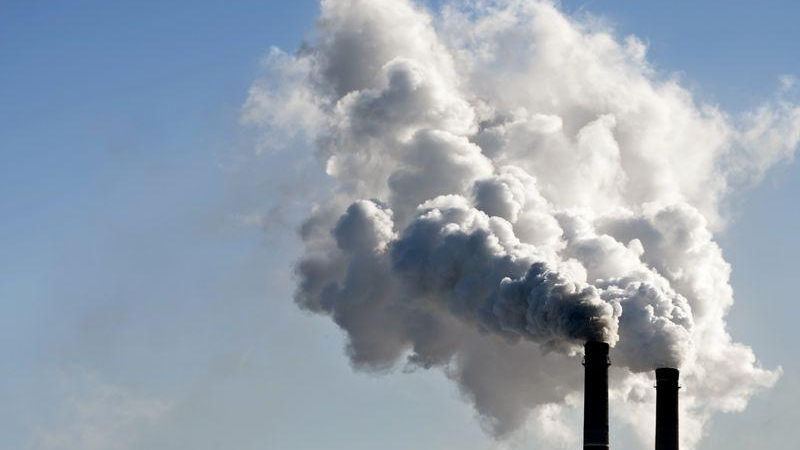
According to the document, the removal of key provisions and annexes from the law would allow polluting activities to operate without strict state control or environmental permits. Among the activities proposed to be excluded from the authorization regime are livestock farms, food industry units, water treatment plants, and the trade of chemicals and waste—all with a high potential for pollution.

Experts emphasize that if these amendments are adopted, many farms, factories, and industrial units will be able to operate without environmental authorization, making it more difficult for authorities to monitor and prevent pollution of water, air, and soil, thereby increasing risks to public health and the environment. Excluding these activities from Annex No. 2 and the complete removal of Annex No. 3 would create a dangerous legislative vacuum, weakening the state’s capacity to protect citizens’ right to a safe, healthy, and sustainable environment.

EcoContact highlights that the proposed amendments contradict European Union legislation already transposed into national law, as well as international agreements to which the Republic of Moldova is a party, endangering the country’s European integration process.

The document also points out that these changes are being advanced through an amendment to a draft law that has already passed the first reading, where the only link to the modified acts is the “environmental field,” without public consultation, engagement with local authorities, or a detailed analysis of environmental and health impacts. Specifically, the amendments to the Industrial Emissions Law were added to a draft law that initially only aimed to modify the Water Law No. 81 of March 19, 2025, already adopted in the first reading.

According to NGOs, this approach does not represent a simplification of the legal framework but rather a weakening of mechanisms to control and prevent pollution risks. A true simplification would involve legislative coherence, stakeholder consultations, and maintaining effective regulatory tools—elements missing from the current process.

Removing these regulations will reduce transparency and the ability of local authorities to fulfill their duties while limiting citizens’ right to be informed and involved in environmental decision-making.

In conclusion, the NGOs recommend that the authorities retain all control and authorization rules for activities with pollution risks and ensure broad public consultation before modifying environmental legislation.

It is worth noting that yesterday, June 24, 2025, the Cabinet of Ministers approved the Single Opinion on the amendments to the draft law modifying the Water Law No. 272/2011. The government’s opinion confirms that the changes to Law No. 227/2022 on industrial emissions constitute a new legislative initiative requiring adoption in two readings, recommending the consideration of Constitutional Court jurisprudence.

The documents can be accessed here:

ONG-urile avertizează: modificările propuse la Legea privind emisiile industriale pun în pericol sănătatea populației și protecția mediului

Tag: Moldova

Mai multe organizații neguvernamentale din Republica Moldova trag un semnal de alarmă privind modificările propuse la Legea nr. 227/2022 privind emisiile industriale, avertizând că acestea pot afecta grav calitatea aerului, apei și solului, dar și sănătatea cetățenilor.

Avertizarea vine într-un aviz elaborat de EcoContact și semnat de 30 de ONG-uri (lista fiind în actualizare).

Potrivit documentului, eliminarea unor prevederi și anexe esențiale din lege ar permite unor activități poluante să funcționeze fără control strict sau autorizație de mediu din partea statului. Printre activitățile care ar putea fi excluse din regimul de autorizare se numără fermele zootehnice, unitățile din industria alimentară, stațiile de tratare a apei, comerțul cu substanțe chimice și deșeuri – toate cu potențial mare de poluare.

Experții subliniază că, dacă aceste modificări vor fi adoptate, multe ferme, fabrici și unități industriale vor putea activa fără autorizație de mediu, ceea ce va îngreuna controlul și prevenirea poluării apelor, aerului și solului, crescând riscurile asupra sănătății publice și a mediului. Excluderea acestor activități din Anexa nr. 2 și eliminarea completă a Anexei nr. 3 creează un vid legislativ periculos, care afectează capacitatea statului de a proteja dreptul cetățenilor la un mediu sănătos, sigur și durabil.

EcoContact subliniază că modificările propuse contravin legislației Uniunii Europene, deja transpuse în dreptul național, precum și acordurilor internaționale la care Republica Moldova este parte, punând în pericol procesul de integrare europeană.

De asemenea, documentul atrage atenția că aceste modificări sunt promovate printr-un amendament la un proiect de lege deja votat în prima lectură, unde singura legătură cu actele modificate este doar „domeniul mediului”, fără consultarea publicului, a autorităților locale și fără o analiză detaliată a impactului asupra mediului și sănătății. Mai exact, amendamentele la Legea privind emisiile industriale au fost adăugate la un proiect care inițial se referea exclusiv la modificarea Legii apelor nr. 81 din 19 martie 2025, deja adoptat în prima lectură.

Potrivit ONG-urilor, această abordare nu reprezintă o simplificare a legislației, ci o slăbire a mecanismelor de control și prevenire a riscurilor de poluare. O simplificare reală ar presupune coerență legislativă, consultarea părților interesate și menținerea unor instrumente eficiente de reglementare, aspecte care lipsesc în acest proces.

Eliminarea acestor reglementări va reduce transparența și capacitatea autorităților publice locale de a-și îndeplini atribuțiile și va diminua dreptul cetățenilor de a fi informați și implicați în luarea deciziilor de mediu.

În concluzie, ONG-urile recomandă autorităților să păstreze toate regulile de control și autorizare pentru activitățile cu potențial poluant și să asigure consultarea publicului înainte de modificarea legislației de mediu.

Amintim că ieri, 24 iunie 2025, Guvernul a aprobat Avizul unic asupra amendamentelor la proiectul de lege privind modificarea Legii apelor nr. 272/2011. În aviz se confirmă că modificările la Legea nr. 227/2022 privind emisiile industriale reprezintă o nouă inițiativă legislativă, care trebuie adoptată în două lecturi, fiind recomandată luarea în considerare a jurisprudenței Curții Constituționale.

Documentele pot fi consultate aici:

A Large-Scale Cleanup Took Place at Ghidighici Beach

Tag: Moldova

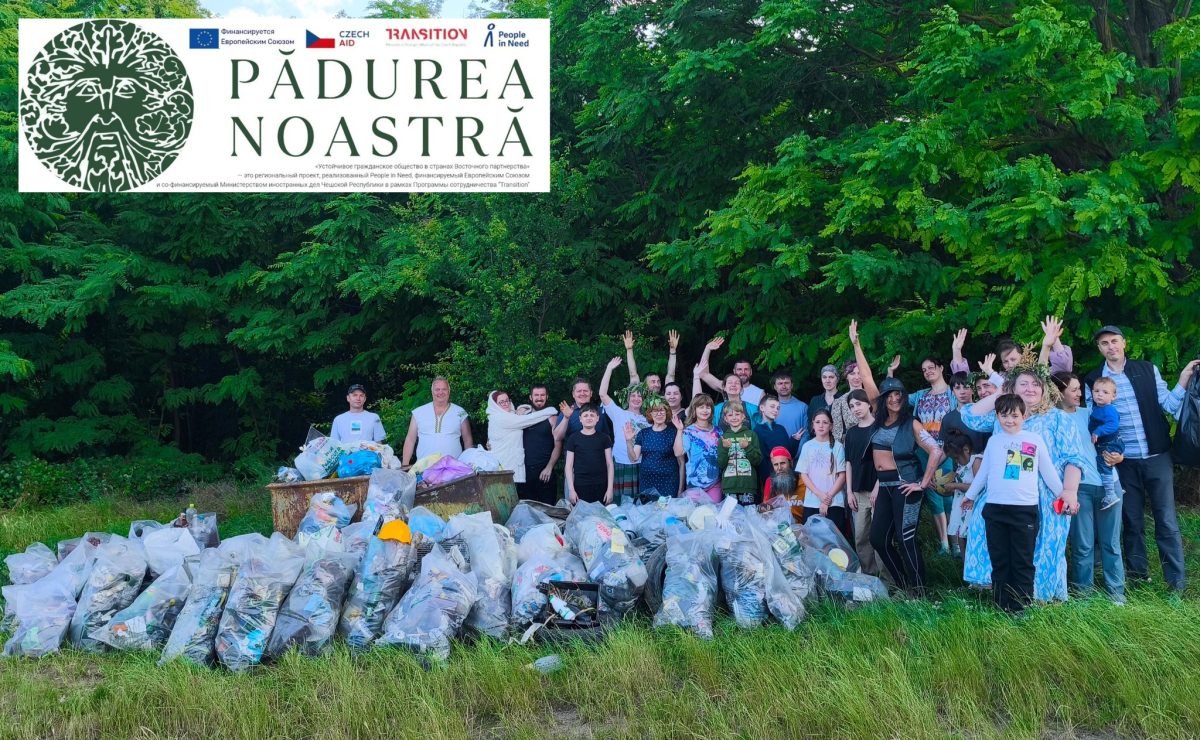
The environmental organization “Pădurea Noastră” carried out its largest cleanup of the year, clearing the central beach and the surrounding forest area of the Ghidighici reservoir in Chișinău.

This location is known for accumulating large amounts of waste for two main reasons: the careless attitude of visitors and the lack of attention from the city administration. Although the municipality does not consider this area a proper recreation and tourism zone and does not invest in its maintenance, city residents continue to spend their leisure time there.

“It is clear that something needs to be done about this,” the organizers stated.

New volunteers from Moldova and Ukraine joined the action, giving the event a humanitarian dimension as well. Participants combined the cleanup with celebrating the Summer Solstice in the traditional Slavic-Moldovan style of Kupala-Sânziene, offering Ukrainian guests an atmosphere that reminded them of home and their traditions.

A total of 52 people took part in the cleanup, and as the organizers noted, it was “a truly warm and unifying event.”

The team extends special thanks to their sponsors, whose support made this celebration of cleanliness possible. The event was supported by the project “Sustainable Civil Society in the Eastern Partnership Countries,” implemented by People in Need, funded by the European Union, and co-financed by the Ministry of Foreign Affairs of the Czech Republic within the framework of the “Transition” cooperation program. In Moldova, the project is implemented by People in Need Moldova.

Curățenie de amploare pe plaja Ghidighici

Tag: Moldova

Organizația ecologică „Pădurea Noastră” a desfășurat cea mai amplă acțiune de curățenie din acest an, reușind să curețe plaja centrală și pădurea din jurul lacului de acumulare Ghidighici din Chișinău.

Acesta este un loc unde se adună mereu cantități mari de gunoi, din două motive principale: neglijența vizitatorilor și lipsa de atenție din partea administrației orașului. Deși municipalitatea nu consideră acest loc drept o zonă completă de agrement și turism și nu investește în amenajarea acestuia, locuitorii orașului continuă să își petreacă timpul liber aici.

„Este clar că trebuie făcut ceva în această privință”, consideră organizatorii.

La acțiune s-au alăturat noi voluntari din Moldova și Ucraina, ceea ce a oferit evenimentului și o dimensiune umanitară. Participanții au combinat curățenia cu sărbătorirea Solstițiului de Vară în stil popular slavo-moldovenesc, Kupala-Sânziene, oferind oaspeților din Ucraina o atmosferă care le amintește de casă și de tradițiile lor.

La curățenie au participat 52 de persoane, iar organizatorii au menționat că a fost „un eveniment cu adevărat cald și unificator”.

Echipa își exprimă recunoștința deosebită față de sponsorii lor, datorită cărora această sărbătoare a curățeniei a fost posibilă. Evenimentul a fost sprijinit de proiectul „Societate civilă durabilă în țările Parteneriatului Estic”, implementat de People in Need, finanțat de Uniunea Europeană și cofinanțat de Ministerul Afacerilor Externe al Republicii Cehe în cadrul Programului de cooperare „Transition”. În Moldova, proiectul este implementat de organizația People in Need Moldova.