PRIVACY POLICY

Category: EN Legislation

Last updated: August 2026

The information portal homestead.md (hereinafter referred to as the “Site”), operated by A.O. Pădurea Noastră (hereinafter referred to as the “Operator”), respects the right to privacy and is committed to protecting the personal data of its visitors.

This Privacy Policy has been prepared in accordance with Law No. 195/2024 of the Republic of Moldova on the Protection of Personal Data (which transposes the European Union’s General Data Protection Regulation — GDPR). The text below explains what data we collect, how we use it, and what your rights are.


1. What personal data do we collect?

We collect only the minimum data necessary for the proper operation of the news website and to improve your experience:

  • Data provided voluntarily: First name, last name, or email address when you subscribe to our newsletter, leave comments on articles, or contact us through forms on the Site.
  • Data collected automatically (Cookies and Technical Data): IP address, browser type, operating system, pages viewed on our Site, time spent on a page, and traffic source.

2. Legal basis and purposes of processing

We process your data on the basis of the following legal grounds:

  • Your consent: For sending newsletters and placing non-essential cookies (analytics/advertising).
  • The legitimate interest of the Operator: For securing the Site against cyberattacks, preventing spam in the comments section, and monitoring the overall audience of the Site.

The main purposes are:

  1. Providing and delivering journalistic content and news through the portal.
  2. Monitoring the Site’s performance and analyzing web traffic using statistical tools (such as Google Analytics).
  3. Displaying relevant advertising based on your anonymized preferences.

3. How long do we retain your data?

Your data is stored only for as long as necessary to fulfill the purposes described above:

  • Newsletter subscription data is retained until you choose to unsubscribe (withdraw your consent).
  • Technical data collected through cookies is retained for specific periods, in accordance with the policy applicable to each cookie (usually between 30 days and 2 years).

4. Sharing data with third parties

The Operator does not sell or rent your personal data to third parties. Data may be accessed or transferred exclusively to trusted service providers that help us operate the Site, such as:

  • IT service providers, web hosting providers, and technical maintenance providers.
  • Traffic analytics platforms (e.g., Google LLC) and partner advertising networks (which process data exclusively in the form of anonymized cookie IDs).
  • Public authorities of the Republic of Moldova, only where there is an explicit legal obligation to do so.

5. Your rights under Law No. 195/2024

As a data subject, the new legislation guarantees you the following rights, which you may exercise free of charge:

  • Right of access: You may request confirmation as to whether or not your personal data is being processed, as well as information about such processing.
  • Right to rectification: You may request the correction of inaccurate data or the completion of incomplete data.
  • Right to erasure (“right to be forgotten”): You may request the deletion of your data if consent has been withdrawn or if the data is no longer necessary for the original purpose.
  • Right to restriction of processing: You may temporarily restrict the processing of your data under certain legal conditions.
  • Right to object to processing: You may object at any time to the processing of your data for direct marketing purposes (newsletter).
  • Right to lodge a complaint: If you believe that your rights have been violated, you may contact the National Center for Personal Data Protection of the Republic of Moldova (NCPDP).

6. Data security

We implement modern technical and organizational measures (SSL/HTTPS encrypted connections, firewalls, and strict employee access controls) to ensure a level of security appropriate to the risks of loss, misuse, or unauthorized access to our users’ data.


7. Contact and requests

For any questions regarding this Policy or to exercise your data protection rights, you may contact us directly:

  • Company name: A.O. Pădurea Noastră
  • Postal address: мун. Кишинёв, Alecu Russo 59/4
  • Dedicated email: padurea.noastra.ao@gmail.com
A Case Has Been Opened Regarding the Cutting of the Fig Garden in Central Chișinău: How an Activist Coalition Achieved an Investigation

Category: EN Legislation

The Ministry of Environment and the Environmental Protection Inspectorate have launched an investigation into the illegal cutting down of a garden in the very heart of Chișinău.

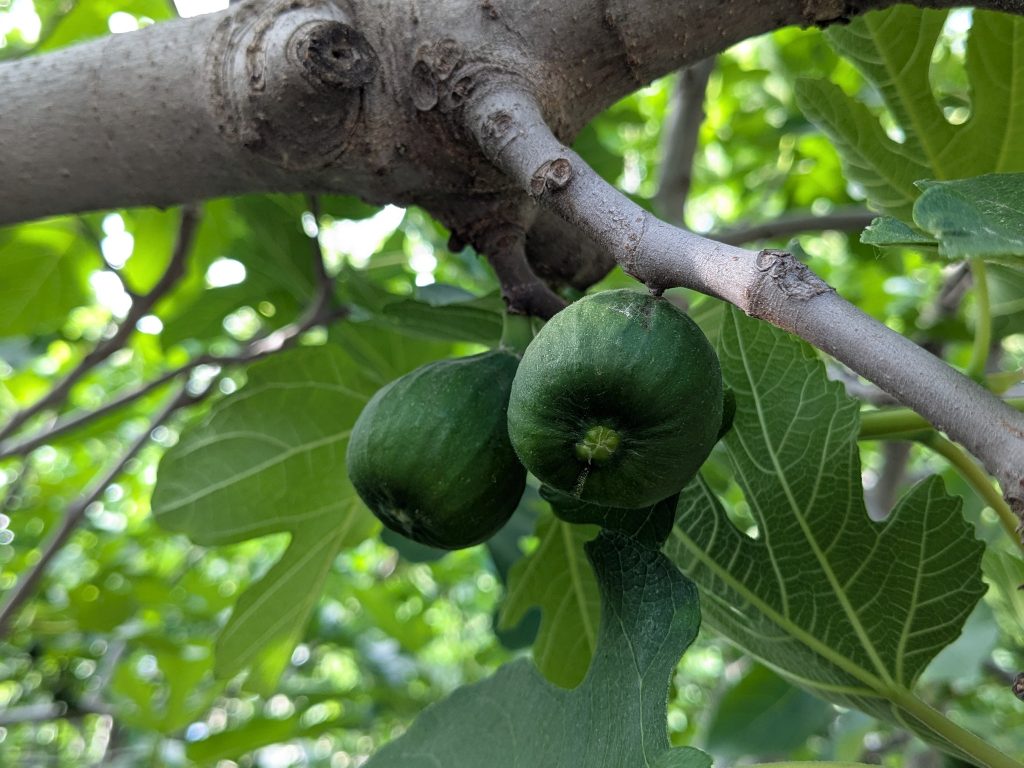
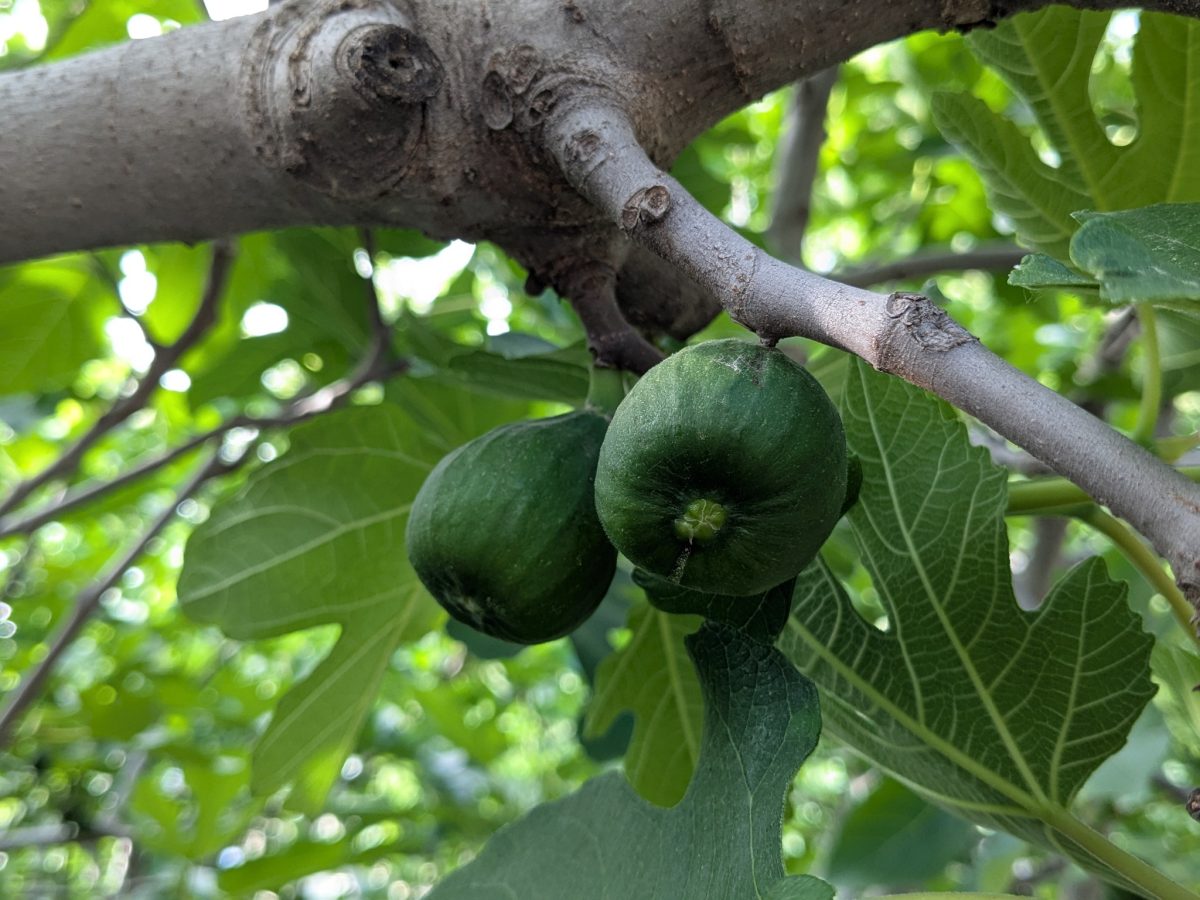
This concerns a unique Fig Garden where fig trees, Japanese quince, and mulberry grew — now this green corner has disappeared, and what will happen to the site remains unknown. The civic organization “Pădurea Noastră” played a key role in drawing attention to this case; its activists, together with volunteers, journalists, and concerned citizens, succeeded in securing the opening of a criminal case.

The director of the swimming pool, Vasile Cerbușcă, explained that the cutting was part of a renovation project for the area: a lawn and a renewed recreation zone are planned to be arranged on the site of the garden.

However, the absence of an official permit for tree removal caused public outcry. Activists from “Pădurea Noastră” became the initiators of the investigation and public oversight.

The activists of “Pădurea Noastră” are glad that citizens know how to unite: “We thank everyone who helped: European organizations for advocacy training, civil activists for advice, journalists for timely coverage, and the residents of Chișinău for photos and videos. ‘Pădurea Noastră’ is a grassroots organization without politicians or oligarchs behind us. We act out of enthusiasm and with modest support from volunteer friends.

The Fig Garden showed that unity is possible: people with different views came together for health, life, and the future. We are proud that we managed to bring the voice of the people to the right offices. Moldovans can be united when it comes to simple and important issues for everyone.”

Timeline of Events from “Pădurea Noastră’s” Perspective:

  1. Initial information requests. The organization sent four identical letters to the Ministry of Environment, Chișinău City Hall, the university (which administers the swimming pool), and the company Spații Verzi, requesting official information based on the law on access to public information.

  2. Response from the Ministry of Environment. The agency reported that no permit for cutting was issued. The environmental inspector was copied on the letter with a request to clarify the situation.

  3. Lack of evidence by the inspector. According to Vladislav Sânduliak, the inspector stated he found no evidence of the existence of the fig garden — not even tree roots were found.

  4. Searching for evidence via public help. The activist posted on Facebook asking Chișinău residents to help find photo and video proof of the cutting. Locals promptly sent photos and videos, which were forwarded to the inspector.

  5. Inspector’s ignoring. After receiving the evidence, the inspector stopped responding and did not answer questions about the start of the investigation.

  6. Appeal to the police. Activists then contacted the police. A volunteer personally visited the central police inspectorate, where he was told that territorial responsibility for the site lies with the Buiucani district police. He was advised to file an official complaint, which they did.

  7. Case opened. In early August, “Pădurea Noastră” received confirmation that a case was opened concerning the illegal cutting of the Fig Garden.

According to Vladislav Sânduliak, the investigation will reveal who made the illegal decision to cut down the trees since no permit was issued by the Ministry of Environment. If this is a crime, those responsible must be held accountable.

“Pădurea Noastră” will continue to monitor the progress of the investigation and fight to preserve green spaces in Chișinău and across Moldova. This story is an example of how active citizens and civil society organizations can influence situations by uniting for the common good.

Evidence of Fig Orchard Logging Submitted to Chisinau Police

Category: EN Legislation

Residents of the capital and environmental activists are closely monitoring the situation surrounding the so-called fig orchard, which, according to them, once stood in the center of Chisinau and was illegally cut down.

However, an official environmental inspector, who was contacted online, claims that this orchard never existed and that he found no signs of logging at the site.

According to environmental activist Vladislav Sanduliak, the young inspector requested clear evidence proving both the existence of the orchard and the fact of its destruction. The inspector stated that he personally visited the site and did not see a single tree stump. Moreover, when he inquired at the swimming pool area near the alleged logging site, he was told that no one knew about the orchard and that no trees had been cut down there.

The inspector indicated that without concrete evidence—photos or videos directly documenting the logging process—he would be unable to open an official case. Despite the journalist providing “before and after” images sourced online, this was deemed insufficient.

In this context, representatives of the public organization “Pădurea Noastră” are calling on anyone with information, photos, or video materials to send them in and support the investigation. In their view, the situation is perplexing, creating the impression that the residents of the capital are slowly being “led around by the nose.”

They also do not rule out the possibility that there may be a single beneficiary of the logging who is likely taking steps to “resolve the issue.” Activists emphasize that they have neither financial backing nor administrative resources—they are simply ordinary citizens who submitted a request to the Ministry of Environment, which became the catalyst for the inspection to begin.

It is noted that without an official complaint, the case would not have moved forward. According to the activists, all the articles and protests in the press merely create the illusion of an investigation, while in reality, no action is taken without a formal complaint from citizens. This situation is likely the same in other cases of illegal logging within the city and throughout Moldova.

The journalist calls on readers to help: to gather evidence, request CCTV footage from the police, and provide witness testimony confirming that the orchard existed and has now been destroyed. It is important for people to unite so that the inspectorate can conduct a thorough investigation.

Official Update on the Fig Orchard Logging Case

The public organization “Pădurea Noastră” has sent an official request to the Ministry of Environment regarding the alleged illegal logging of a fig orchard (Ficus carica) in the center of Chisinau.

In accordance with Law No. 148/2023 on Access to Information of Public Interest, an official response was received from the Ministry of Environment:

“The Ministry, through the Environmental Protection Agency, has reviewed your request and informs you that the logging of fig trees was carried out without the necessary authorization documents required by current legislation. In the near future, the Environmental Inspectorate will send an official letter detailing the measures taken in this case.”

Currently, the organization “Pădurea Noastră” has submitted a complaint to the police commissariat to clarify the circumstances. A response has not yet been received.

NGOs Warn: Proposed Changes to the Industrial Emissions Law Threaten Public Health and Environmental Protection

Category: EN Legislation

Several non-governmental organizations in the Republic of Moldova have raised concerns about proposed amendments to Law No. 227/2022 on industrial emissions, warning that these changes could seriously impact air, water, and soil quality, as well as public health.

The warning comes in a statement prepared by EcoContact and signed by 30 NGOs (the list is being updated).

According to the document, the removal of key provisions and annexes from the law would allow polluting activities to operate without strict state control or environmental permits. Among the activities proposed to be excluded from the authorization regime are livestock farms, food industry units, water treatment plants, and the trade of chemicals and waste—all with a high potential for pollution.

Experts emphasize that if these amendments are adopted, many farms, factories, and industrial units will be able to operate without environmental authorization, making it more difficult for authorities to monitor and prevent pollution of water, air, and soil, thereby increasing risks to public health and the environment. Excluding these activities from Annex No. 2 and the complete removal of Annex No. 3 would create a dangerous legislative vacuum, weakening the state’s capacity to protect citizens’ right to a safe, healthy, and sustainable environment.

EcoContact highlights that the proposed amendments contradict European Union legislation already transposed into national law, as well as international agreements to which the Republic of Moldova is a party, endangering the country’s European integration process.

The document also points out that these changes are being advanced through an amendment to a draft law that has already passed the first reading, where the only link to the modified acts is the “environmental field,” without public consultation, engagement with local authorities, or a detailed analysis of environmental and health impacts. Specifically, the amendments to the Industrial Emissions Law were added to a draft law that initially only aimed to modify the Water Law No. 81 of March 19, 2025, already adopted in the first reading.

According to NGOs, this approach does not represent a simplification of the legal framework but rather a weakening of mechanisms to control and prevent pollution risks. A true simplification would involve legislative coherence, stakeholder consultations, and maintaining effective regulatory tools—elements missing from the current process.

Removing these regulations will reduce transparency and the ability of local authorities to fulfill their duties while limiting citizens’ right to be informed and involved in environmental decision-making.

In conclusion, the NGOs recommend that the authorities retain all control and authorization rules for activities with pollution risks and ensure broad public consultation before modifying environmental legislation.

It is worth noting that yesterday, June 24, 2025, the Cabinet of Ministers approved the Single Opinion on the amendments to the draft law modifying the Water Law No. 272/2011. The government’s opinion confirms that the changes to Law No. 227/2022 on industrial emissions constitute a new legislative initiative requiring adoption in two readings, recommending the consideration of Constitutional Court jurisprudence.

The documents can be accessed here:

Eco-activists demand accountability in forest restoration projects

Category: EN Legislation

Moldova is about to receive 200 million euros for forest planting, and there are only two possible outcomes: either we become a beautiful, prosperous European country, or we’ll see neither the forests nor the money.

This opinion was expressed by eco-activist Vladislav Sandulyak, one of the leaders of the “Camp of Mother Earth” team and a student at the Faculty of Ecology at the Technical University of Moldova, as reported by Noi.md.

He noted that the audit reports of the Court of Accounts give strong reasons to doubt the activities of Moldsilva.

The most recent report points out issues such as: violations in the distribution of subsidies; lack of transparency and oversight; irregularities in the authorization of logging; non-transparent pricing; violations in the distribution of firewood; exceeding established limits; flaws in the pricing methodology; and breaches in the subsidy allocation mechanism.

“Illegal logging is a separate story altogether. The latest offenders who stole forest resources worth 2–4 million lei were fined just 67,500 lei. That means the state has created favorable conditions for forest theft, especially when foresters are paid miserable wages. I dare to say that if all these violations exist, they will also affect the 200 million euros in European credit funds,” emphasized the eco-activist and student.

According to him, such cases have already been reported in the press during sapling planting. For example, auditors visited the Vadul-lui-Vodă forestry district, where documents claimed 1,866 acacia trees had been planted on 0.8 hectares. However, auditors suspected that the work was not done. They presented slides with photos showing grass and trampled shrubs instead of forest and trees.

“Logically, it should be the minister’s job to restore order in the institutions under his authority, but instead, the minister is actively defending the Moldsilva agency, even recording videos to ‘debunk fakes’. In one of his videos, he holds up some papers, claiming they are permits for legal logging and saying the documents will be uploaded to Moldsilva’s website within a week. A month has passed — and the documents are still missing. Maybe some experts can explain why these documents aren’t made publicly available, or maybe the minister himself can clarify this?” said Vladislav Sandulyak.

He also pointed out that the agency’s website references its last study from 2010.

“As far as I understand, in light of global climate change, it is necessary to conduct a new study to determine exactly how much forest we can afford to cut and how much must be preserved due to global shifts. But Moldsilva is most likely still working under old Soviet systems, where the priority of state logic was to increase production and extract resources — not to adapt to drought. Maybe we can find experts or ask the minister whether the ministry plans to study recent climate trends and adjust logging accordingly to combat heat and drought?” asked the eco-activist.

According to him, if authorities claim they plan to plant many trees as a solution, it is already too late. The trees they plant now will yield results only decades from now.

“But we need action yesterday! That’s why preserving old trees — which are already providing shade and retaining soil moisture — is the only effective way to combat drought today, not 30 years from now,” emphasized Vladislav Sandulyak.

How to Reforest All of Moldova

Category: EN Legislation

The President of Moldova, Maia Sandu, wants to plant a lot of forests in the country and has proposed a very ambitious program. However, currently, Moldova is planting only half the amount of forest planned in the program, while deforestation is happening at twice the rate of afforestation.

This issue was highlighted by an eco-activist, a student of the Faculty of Ecology at the Technical University of Moldova, and co-founder of the public organization Pădurea Noastră, as reported by Noi.md.

According to him, although President Sandu is the first among all previous presidents to genuinely care about and want to save Moldova’s nature, her efforts are not yet enough to match the reality on the ground.

The eco-activist pointed out that the president’s plan relies on the people, which is why she organizes the Forest Festival and various PR campaigns to promote tree planting.

“But our people are considered among the poorest in Europe, and our country also has the least amount of forest compared to other European nations. How can the poorest people plant the largest amount of forest in the shortest time? Yet, this is exactly what is needed to adapt to climate change: severe droughts and monsoon rains. The forest is the only thing that can deal with these challenges! There is only one answer: it must be profitable for the people! The poorest people can plant the most forests only if it is highly beneficial for them. And there is only one way to make it beneficial: the planted forest must become private property,” emphasized Vladislav Sanduliak.

According to him, there are historical precedents for this. For example, the American Homestead Act was passed in 1862, during the U.S. Civil War. Around 1.6 million people received land for free out of a total population of 31 million at the time. In total, 10% of U.S. land was given to citizens under homesteads.

This led to a rapid expansion of the middle class, which significantly influenced the country’s economic growth. Over 40 years, the U.S. population grew from 31 million to 76 million. By the end of the program in 1976, the U.S. population had reached approximately 218 million.

Historical records, including the book Not Just a Life, describe how a family that acquired land under the program became wealthy by producing and selling maple syrup and other forest products.

“There are many such examples in history where governments grant land to people for free for private use: the New Zealand Land Act of 1860, Japan’s post-war land redistribution reform of 1946, and others. A modern version of the Homestead Act has been developed in some regions of Russia. But today’s lawmakers have gone further, refining key aspects of the relationship between the state and its citizens,” said the eco-activist, who is one of the leaders of the environmental movement Tabor of Mother Earth.

He explained that, under the modern version of the law, a family—just like in the American Homestead era—can receive at least one hectare of land for free, and it is granted for lifetime use. However, to prevent land speculation, it cannot be sold. This way, the government protects its land assets.

If a person takes free land, they cannot divide and resell it under a different status. The land can only be passed down as a single unit to their heirs and cannot be rented out.

In exchange, the government fully exempts all products grown on these homesteads from taxes. The American law had the same provision, and as history shows, tax-free production from these lands only strengthened the state and led to rapid population growth. The modern Homestead Act even specifies what should be cultivated on the land.

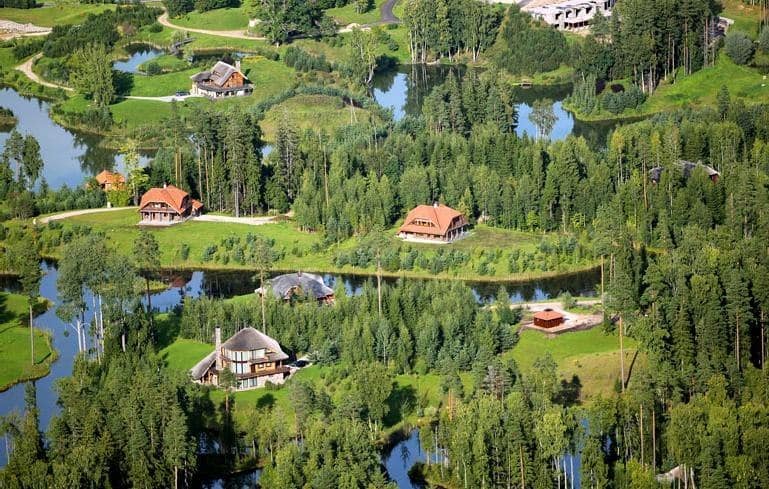
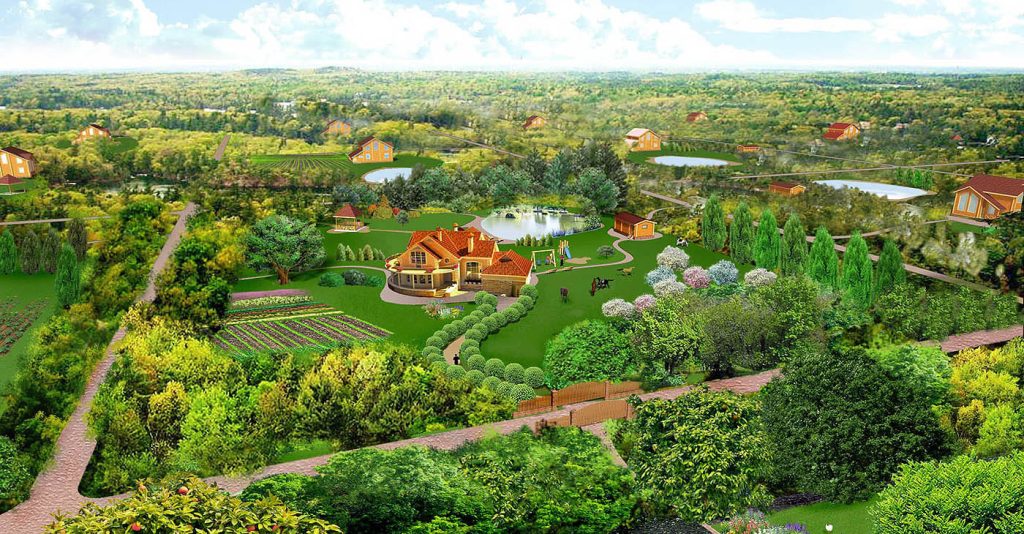
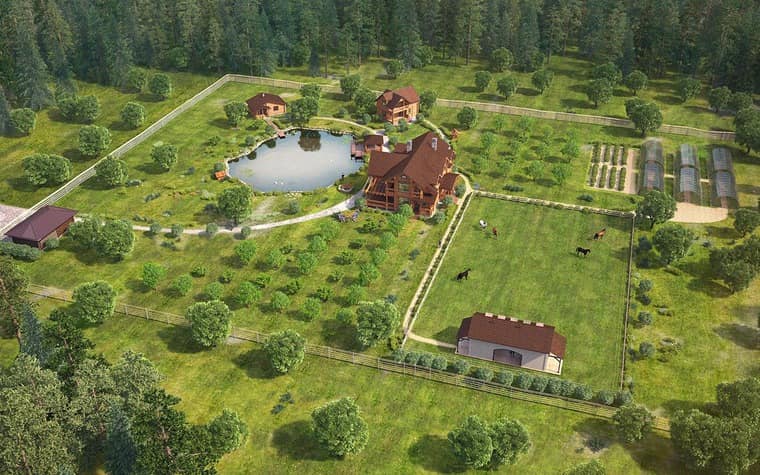
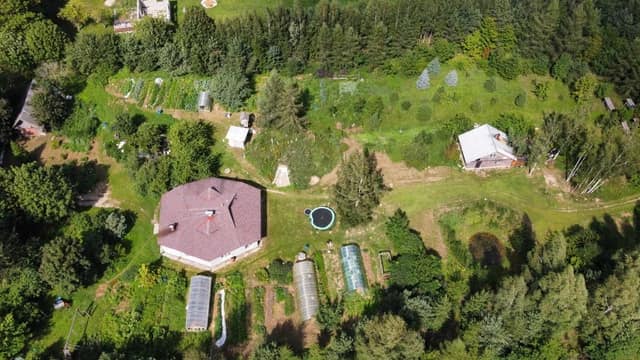
Planting must follow the core principles of permaculture—sustainable agriculture with minimal environmental impact. Specifically, two-thirds of the land should be planted with a mixed forest containing at least 350 different species of trees and shrubs, one-third should be used for a mixed orchard, and the remaining land should be allocated for a vegetable garden, a pond, and buildings. The plot must also have a living hedge to protect the homestead and attract birds. In all cases, such measures contribute to economic and demographic growth, strengthen the middle class, and improve the overall well-being of the population.

“If every Moldovan plants just one hectare of forest (which is manageable for a single family), we will have 2 million hectares of forest. Given that Moldova’s total land area is 3.4 million hectares, this would bring forest coverage to 59%, reaching the levels of some of the most forested European countries. Even if only 10% of Moldovans take land, as in the American Homestead era, that would still result in at least 200,000 hectares of new forest—achieved not through government spending, but through private family investment,” emphasized Vladislav Sanduliak.

He noted that families can and will plant forests if they are given favorable conditions. And granting land for free as private property, with no taxes on its production, is the best incentive for every Moldovan family.

“The Homestead Act is the best way to regulate a beneficial relationship between the state and every Moldovan family,” concluded the eco-activist.

2025 Forum of Environmental NGOs: Sustainable Development Strategies for Moldova

Category: EN Legislation

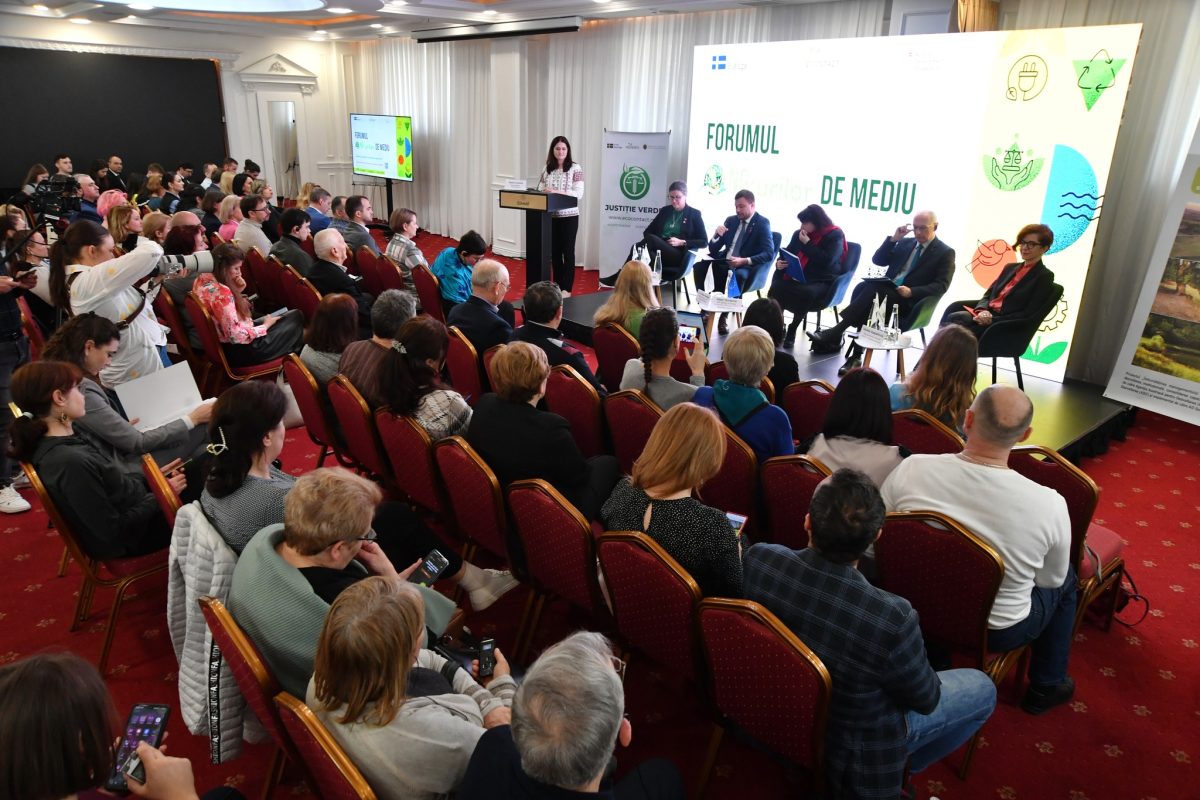
The Environmental NGOs Forum was held in Chișinău, gathering leaders in the field of environmental protection.

The event was organized by EcoContact, with financial support from Sweden and co-financed by the Austrian Development Agency. The forum was dedicated to strengthening cooperation between civil society, authorities, the private sector, and development partners to protect the environment in Moldova.

Under the slogan “We think sustainably, we act responsibly,” the most important environmental issues were discussed, including the rational use of natural resources, effective environmental protection policies, and the need for coordination among all sectors. Among the topics discussed were water resource management, green transition, sustainable reforestation, forest ecosystem protection, and strategies for adapting to climate change.

Key figures attended the event, including the Minister of Environment, Sergiu Lazarencu, and the ambassadors of Sweden and Austria to the Republic of Moldova. The importance of the media’s role in ecological education was also emphasized.

Pădurea Noastră was also among the participants, actively supporting nature protection and sustainable development initiatives in the country.

Homestead.md Editorial Policy

Category: EN Legislation

🌍 Mission and Values
Homestead.md is an independent educational media outlet dedicated to modern ecology, eco-projects, and sustainable living in Moldova and around the world.
Our goal is to inspire, educate, and unite those who strive for harmony between humans and nature.
We believe that change begins with awareness, knowledge, and personal example.

🎯 Main Focus Areas
The editorial team covers topics related to:

  • Environmental initiatives and projects: tree planting, forest protection, river and soil cleanup, biodiversity conservation.

  • Eco-villages and sustainable communities: examples of practical eco-living, village revival, rural initiatives, collective farming, permaculture, and family homesteads.

  • Green technologies: renewable energy, waste recycling, eco-construction, and sustainable agriculture.

  • Environmental education and awareness: programs, trainings, and publications that foster ecological thinking.

  • Environmental policy and law: analysis of legislation, strategies, and decisions that impact the environment.

  • Science and research: data on climate, soils, forests, water, ecosystems, and human health.

  • Ecological culture and philosophy: human connection with nature, the role of art, and cultural and spiritual traditions that sustain life.

🧭 Editorial Principles
Independence and Transparency
Homestead.md does not represent political or commercial interests.
We publish materials guided solely by social and environmental relevance.

Accuracy and Verification
All facts are verified through reliable sources such as scientific publications, expert opinions, and official documents.
Authors’ and editors’ opinions are clearly separated from news content.
If errors are found, the editorial team makes public corrections.

Openness and Education
We encourage the exchange of knowledge, present materials in an accessible form, and support both scientific and practical learning through articles, videos, courses, and interviews.

Ethical Responsibility
Respect for people, nature, and cultural diversity.
No forms of discrimination, manipulation, or propaganda are allowed.
Sponsored publications are always clearly marked as “Partner Material” and do not influence the editorial position.

Awareness and Positive Impact
We publish not only problems but also solutions — real stories, projects, and initiatives that help improve the ecological situation.

📰 Types of Content

  • News and reports on events, projects, and initiatives.

  • Interviews with ecologists, activists, farmers, architects, and eco-project creators.

  • Educational articles, guides, and practical recommendations.

  • Analytical and research materials.

  • Documentary videos and photo projects.

  • Stories of people and communities embodying ecological values.

💬 Reader Interaction
We are open to feedback and collaborative projects.
Readers can propose topics and share their own experiences.

💡 Advertising and Partnerships
Homestead.md collaborates only with organizations that share the principles of environmental responsibility.
All sponsored content is clearly labeled.
We do not publish materials that distort ecological reality or replace scientific facts.

⚖️ Rights and Licensing
All original materials belong to their authors.
Quoting and reprinting are permitted with mandatory attribution and a link to Homestead.md.
We support open knowledge-sharing licenses, provided copyright laws are respected.

🔄 Policy Review
The editorial policy of Homestead.md is reviewed as needed, taking into account reader feedback and developments in the environmental field.