Deforestation Continues to Increase Despite Global Pledges. How Is Moldova Responding?

Tag: Biodiversity

Recent months’ news warns of significant changes:
“We are facing a period of high temperatures that will last about 80 days,” noted expert Sergiu Dobrojan.

“The flow into the Moldovan segment of the Dniester remains at 100 m³/s,” shares observations from Doctor of Science Ilia Trombitsky.

It’s been over three years since the 2021 COP26 climate summit, where 140 countries, including Moldova, signed a declaration to halt global deforestation by 2030. However, recent data indicates the situation is worsening.

According to the Forest Declaration Assessment 2024, last year, 6.4 million hectares of forest were destroyed worldwide. Additionally, over 62 million hectares suffered degradation due to logging, infrastructure development, and fires. The primary causes include increased demand for meat, soy, palm oil, and nickel.

Moldova, although not among countries with tropical forests, also faces deforestation issues.

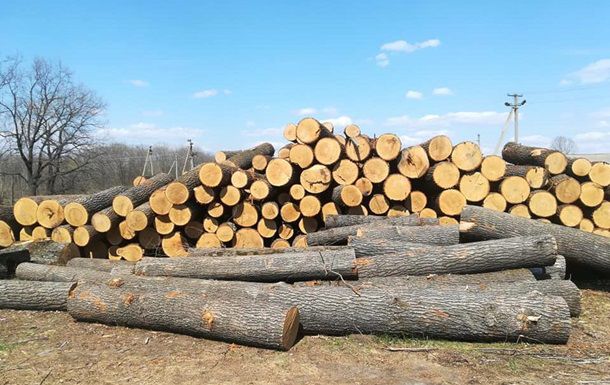
One recent case, according to the prosecutor’s office, involved three men attempting to steal over 4,000 cubic meters of timber in the Anenii Noi district. This is equivalent to approximately 4,000 or 12,000 felled trees for young and mature forests, respectively, corresponding to 0.4 or 1.5 hectares of continuous forest, and valued at 2–4 million lei. For the damage caused, they received a fine of only 67,500 lei! It turns out that minimal fines create favorable conditions for forest theft in Moldova.

On the Moldsilva website, the latest research dates back to 2010, indicating that the organization is likely significantly lagging behind the constantly changing climate indicators.

The organization also faces constant criticism from experts and citizens due to the lack of transparent reporting: how much timber has been cut and where was it sold? What is the quantity in hectares, and does the number of planted hectares exceed the number of felled ones?

Citizens’ and experts’ concerns were confirmed by the latest external audit at the end of 2023, when the Court of Accounts examined the use of 50.2 million lei allocated to Moldsilva. The audit revealed:

  • Lack of clear criteria for firewood distribution, leading to multiple family members and individuals with alternative heating sources being included in the recipient lists.

  • Some enterprises, such as the “State Road Administration,” did not report the volumes of harvested timber and its distribution.

  • The firewood pricing mechanism was deemed defective, contributing to unjustified price increases and reduced fuel accessibility for the population.

Some examples worldwide inspire hope, but overall, the situation is deteriorating.

In Brazil, thanks to the new government’s efforts, deforestation in the Amazon basin decreased by 62% over the year. However, in the Cerrado savanna—another important biome—deforestation rates increased by 68%. Indonesia, which previously succeeded in curbing deforestation, is again showing growth—57% in one year.

Experts emphasize: voluntary measures are ineffective; strict regulation and international funding for forest protection are required. The EU plans to introduce a ban on importing products associated with deforestation—coffee, cocoa, furniture.

In Moldova, with the lowest afforestation rates in Europe, no new bans are being introduced, and instead, oaks continue to be cut for furniture factories and domestic production.

While there are initiatives aimed at forest restoration, the national afforestation campaign aims to increase forest cover to 15% of the country’s total area (currently about 11%). Experts note that this is insufficient—there is a need to tighten responsibility for illegal logging and strengthen land use control.

Some experts and eco-activists even call for a complete ban on logging across the country for the next 10 years.

The Ministry of Ecology does not comment on these statements; however, the refusal of logging is one of the main goals of COP29, of which the Republic of Moldova is a member. But whether Moldova actually aims to refuse logging is unknown! Officials have not commented on this conference goal.

We have only six years left until the global deadline—2030. If we continue to turn a blind eye to deforestation, Moldova risks losing its natural protection against droughts, erosion, and climate change.
Why Is Moldova Poor? The Story of an Oak Tree Worth Its Weight in Gold!

Tag: Biodiversity

The ecological treasures beneath our feet are often devalued.

Amid global warming, droughts, and social instability, environmental science student Vladislav Sanduleac shares a Facebook post with reflections that surprise with their precise calculations and obvious conclusions. He tells the story of one oak tree—a living symbol of sustainable wealth—that brings Moldova dozens of times more benefits than the timber it could be cut into.

“One mature Moldovan oak, around 100 years old, brings tremendous profit to our country and people:

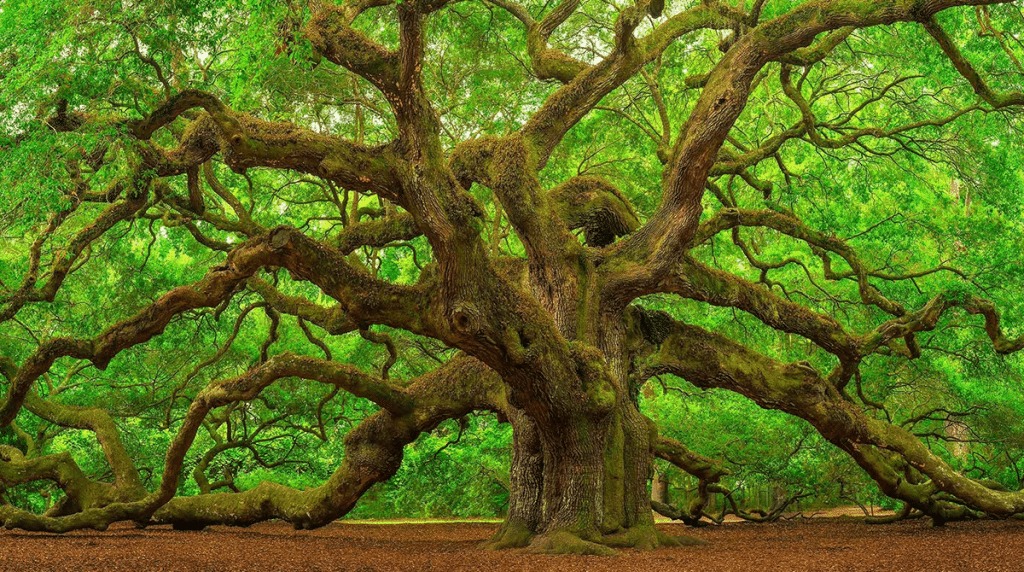
It produces about 100–150 kg of oxygen per year, which is enough for 2–4 people annually. How much is a healthy life for 2–4 Moldovans worth? You decide.
In Moldovan lei, I found that a 10-liter medical oxygen tank costs about 5,000 lei. That makes it roughly 50,000 lei worth of oxygen per year. Or 5,000,000 lei over 100 years.” – notes Vladislav.

Just the oxygen alone turns the oak into real value. But there’s more.

“2. The oak is a natural air conditioner. It evaporates up to 400 liters of water per day in summer, cooling and humidifying the air for those same 2–4 Moldovans.
Let’s only count the summer—90 days.
400 liters = 40 lei/day. That’s 3,600 lei per year and 360,000 lei over 100 years.
An electric air conditioner using 10 kWh/day also costs about 40 lei/day. Again, that’s 3,600 lei per year and 360,000 lei over a century.”

This isn’t just shade—it’s a microclimate: free and irreplaceable.

The student continues:
“3. Its crown provides shade for up to 200 m² (2 ares) and cools the air under the tree by 3–7°C. That alone helps fight global warming and reduces the risk of heart attacks, strokes, and high blood pressure for those same 2–3 Moldovans.
And how much is another summer of life worth for someone in a risk group? In my opinion—priceless!!!”

It’s hard to argue—lives are saved under tree canopies. And so are soils and water.

“4. Oak roots retain and filter up to 1,000 liters of water per rainstorm and pull water from deep soil layers, increasing its moisture—crucial for our 2–4 Moldovans in an agrarian country.
Additionally, by slowing down rainwater runoff, the oak prevents soil erosion.
How much does it cost to dig a new well when the old one dries up in a village where 2–4 families relied on it?
Let’s add at least another 360,000 lei over 100 years of watering when the soil lacks moisture.”

The oak is an ecosystem, a soil protector, and a source of life.

“5. A single oak supports up to 500 species of insects, fungi, birds, and mosses. It’s a miniature ecosystem—from ants to owls.
Why? Because it produces 10,000–50,000 acorns annually and sets a generous table for squirrels, boars, birds, and deer.
I won’t even try to calculate that!
A sack of compost costs 250 lei.
An oak produces 5 cm of compost over 10 years and contributes 30–80 kg of organic fertilizer annually, rich in potassium, phosphorus, and nitrogen—fuel for soil microflora.”

And now the total—it’s astonishing:

“Over 100 years, at a minimum: 6,300,000 lei.
That’s about 3.5 kg of gold. Or roughly 1 kg of gold per Moldovan in our story’s 2–4 participants)))”

It sounds like a fairy tale, but it’s based on real data. And like in all fairy tales, there’s an antagonist—short-term thinking.

“And now, story number two, called 3.14-Z!!!
The forestry industry gets about 3 cubic meters of commercial wood from a 100-year-old oak.
After all the energy, labor, transport, sawing, and drying, they might get 12,000 lei per cubic meter—36,000 lei total.
But deducting all the costs leaves them with pennies.
And that’s why Moldova stays poor—with this kind of attitude toward its natural wealth!”

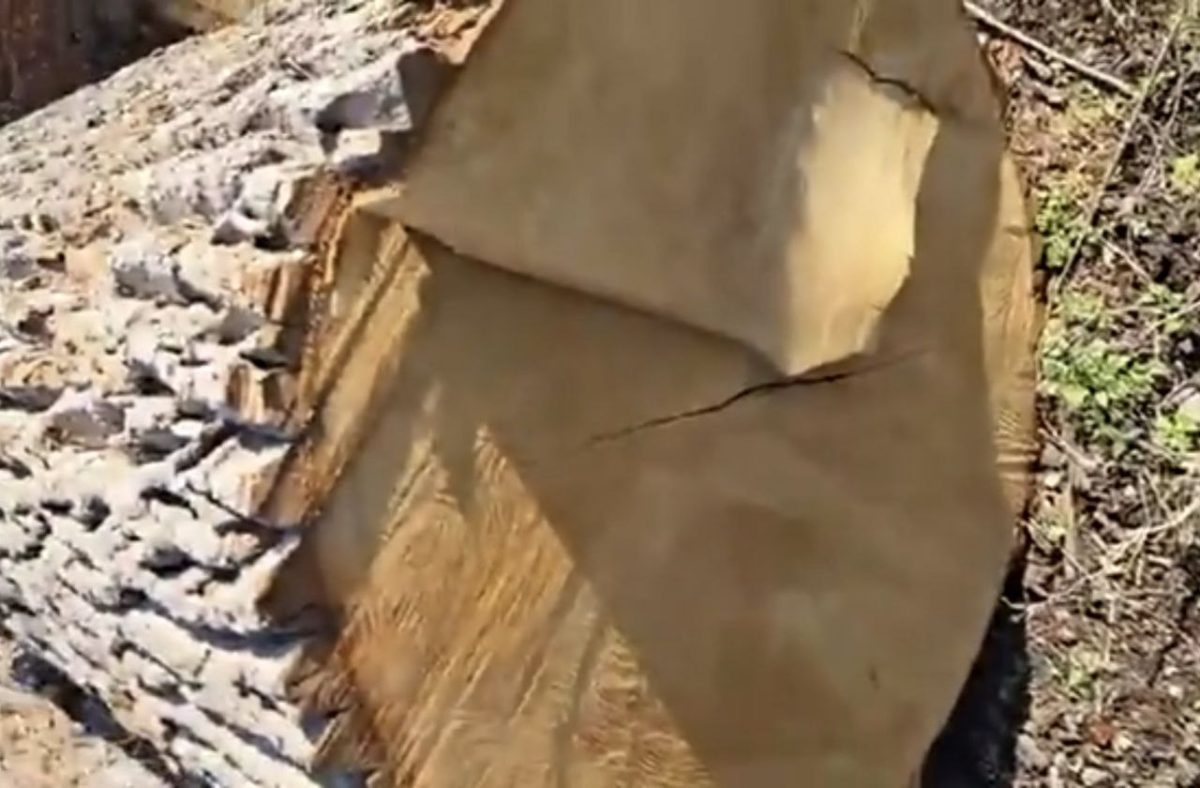
The photo added to the post was taken from V. Kostyuk’s blog.
“His video went so viral, it was impossible to ignore,” adds Vladislav.

This story isn’t just an environmentalist’s poetic vision—it’s a factual calculation of Moldova’s undervalued natural wealth.
Perhaps stories like this one can finally change the thinking of those making decisions about tree-cutting in Moldova today.

Ancient Oaks of Moldova – Preserve or Cut Down?

Tag: Biodiversity

In the Republic of Moldova, the active deforestation of ancient oak trees continues.

The logic seems simple: if a tree has reached a certain age, it can be cut down. However, such a policy has serious ecological consequences, which experts are warning about.

Doctor of Biological Sciences Ilia Trombitchi compares the current forestry approach to an absurd logic: trees are not pigs, and the older they are, the more benefits they bring to the ecosystem. This principle has long been recognized abroad. For example, in the USA, the US Forestry Service understands the importance of old trees in maintaining the hydrological regime in the context of climate change. There, the focus is on removing small and medium-sized trees to prevent wildfires and improve growing conditions for older trees. Moreover, the cut trees are given to companies for free, and they are even paid for their work.
In Moldova, however, the situation is the opposite: the older a tree is, the more likely it is to be cut down. This leads to the depletion of fauna – bats, dormice, and rare bird species disappear. Water sources dry up. A prime example is the Hârbovăț forest along the road to Bender.

Twenty to thirty years ago, oaks were massively cut down, leaving only a few trees for seeds. However, instead of a new oak forest appearing, acacia has spread, which does not contribute to the formation of groundwater. As a result, the region faces droughts, and the ecosystem becomes increasingly impoverished.

Such consequences require a revision of approaches to forest management. We need to change our priorities: instead of cutting down ancient oaks, we should invest in programs for their conservation and in sustainable forest management. Otherwise, the Republic of Moldova risks losing not only its forests but also its water resources, which are crucial for the country’s future.

2025 Forum of Environmental NGOs: Sustainable Development Strategies for Moldova

Tag: Biodiversity

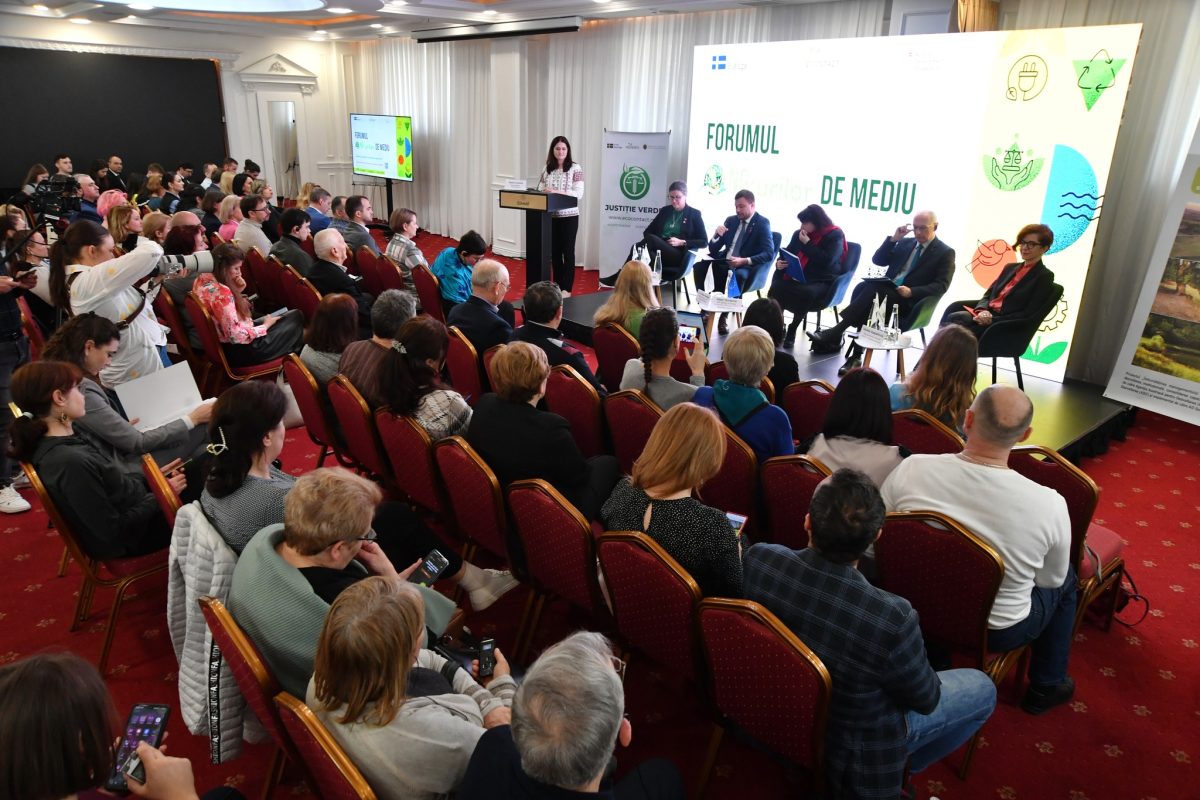
The Environmental NGOs Forum was held in Chișinău, gathering leaders in the field of environmental protection.

The event was organized by EcoContact, with financial support from Sweden and co-financed by the Austrian Development Agency. The forum was dedicated to strengthening cooperation between civil society, authorities, the private sector, and development partners to protect the environment in Moldova.

Under the slogan “We think sustainably, we act responsibly,” the most important environmental issues were discussed, including the rational use of natural resources, effective environmental protection policies, and the need for coordination among all sectors. Among the topics discussed were water resource management, green transition, sustainable reforestation, forest ecosystem protection, and strategies for adapting to climate change.

Key figures attended the event, including the Minister of Environment, Sergiu Lazarencu, and the ambassadors of Sweden and Austria to the Republic of Moldova. The importance of the media’s role in ecological education was also emphasized.

Pădurea Noastră was also among the participants, actively supporting nature protection and sustainable development initiatives in the country.