For Moldovans, the best place for recreation is the Codrii and their biodiversity (Study)

Tag: sustainable development

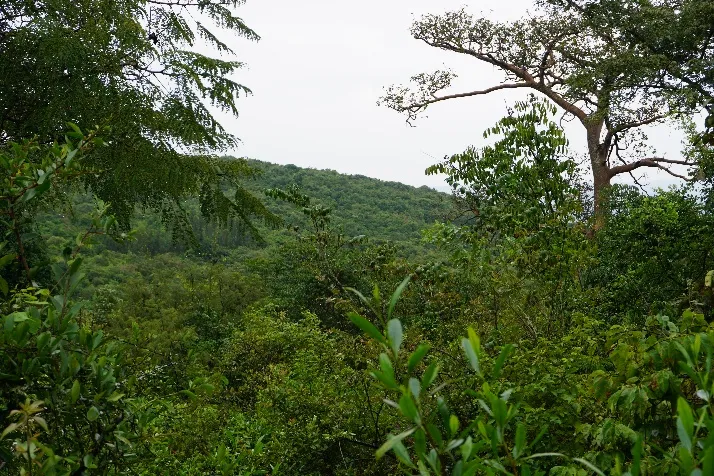
Resting in Moldova’s Codrii forests can be not just pleasant, but truly healing—and in some cases even more beneficial for mental health than traveling abroad. This conclusion is supported by the results of a new scientific study on the impact of natural sounds and biodiversity on human well-being.
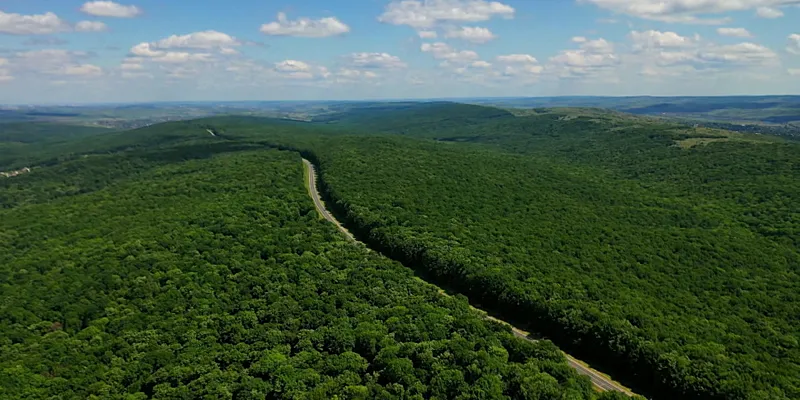
Why the Codrii?

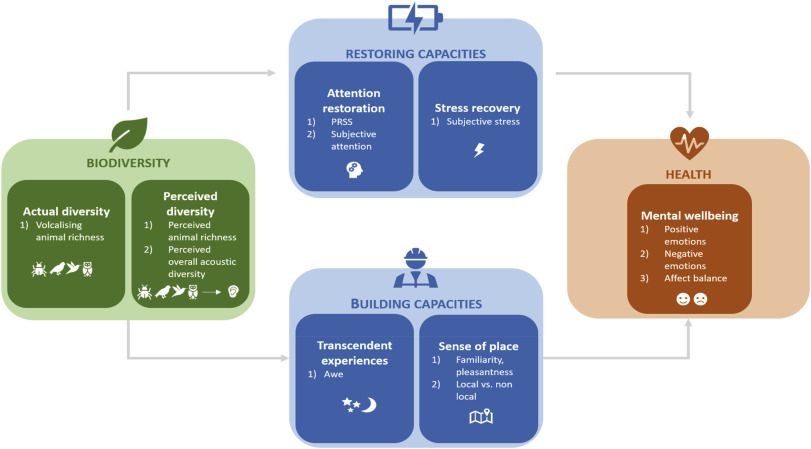
The study found that soundscapes of local forests have a stronger positive effect on the human psyche than the sounds of “exotic” natural environments. This means that for people living in Moldova, native forests—such as the Codrii—may be the most restorative.

Key findings:

  • Sounds of local forests improve mental well-being more than sounds of unfamiliar ecosystems
  • The greater the diversity of animals, the stronger the feeling of harmony and even awe
  • Perceiving rich wildlife is directly linked to improved mood
  • However, “chaotic” acoustic diversity (without understanding its meaning) can, on the contrary, create tension

In other words, it’s not just the number of sounds that matters, but their naturalness, familiarity, and connection to living nature.

Biodiversity is the key to inner calm

Humans are evolutionarily connected to their natural environment. The sounds of birds, insects, and rustling leaves create a sense of safety and belonging. That is why forests rich in biodiversity can:

  • reduce stress levels
  • improve concentration
  • restore emotional balance

The Codrii are one of the few regions in Moldova where relatively high species diversity is still preserved. This makes them not only ecologically valuable but also psychologically important for people.

Acacia plantations are good for firewood, but do they improve mental health?

It is important to address a separate issue relevant to the Republic of Moldova: the large-scale planting of acacia trees.

Although acacia is often used for rapid greening efforts, it is important to understand that monocultures are not real forests.

Such plantations:

  • have low biodiversity

  • create poor soundscapes

  • do not form a complete ecosystem

  • may cause a feeling of monotony in people

The study indirectly confirms this: when the sound environment is not perceived as “alive” and rich, it does not provide psychological comfort.

Implications for reforestation

If Moldova wants not just to “plant trees,” but truly restore nature and improve people’s quality of life, it is necessary to:

  • create mixed forests rather than monocultures
  • consider the diversity of plant and animal species
  • build resilient ecosystems
  • preserve local natural communities

Biodiversity is not a luxury—it is the foundation of both environmental and human health.

How the study was conducted

The experiment involved 195 students from Germany. They were asked to listen to recordings of forest soundscapes:

  • with low and high levels of animal sounds
  • from local (temperate) and non-local (tropical) forests

Researchers analyzed:

  • emotional responses
  • stress and well-being levels
  • sense of “place attachment”
  • perception of sound diversity

Main scientific conclusions:

  • Forests richer in animal sounds triggered stronger positive emotions
  • Local forests were perceived as more pleasant and restorative
  • Perceived biodiversity was more important than its objective level
  • Overly complex but “unfamiliar” sound environments reduced comfort

Researchers emphasize that it is not enough to increase diversity—it must be ecologically meaningful and perceptible to humans.


In conclusion, the Codrii are not just a green area on the map. They are a place where nature can truly heal—through sound, atmosphere, and biodiversity.

And perhaps the best отдых for Moldovans is not a flight to another country, but a return to their own nature.

🔗 Study link:
https://www.sciencedirect.com/science/article/pii/S0272494426001088
Why River Channelization and “Cleaning” Are a Mistake for Chișinău and Moldova (Research-Based)

Tag: sustainable development

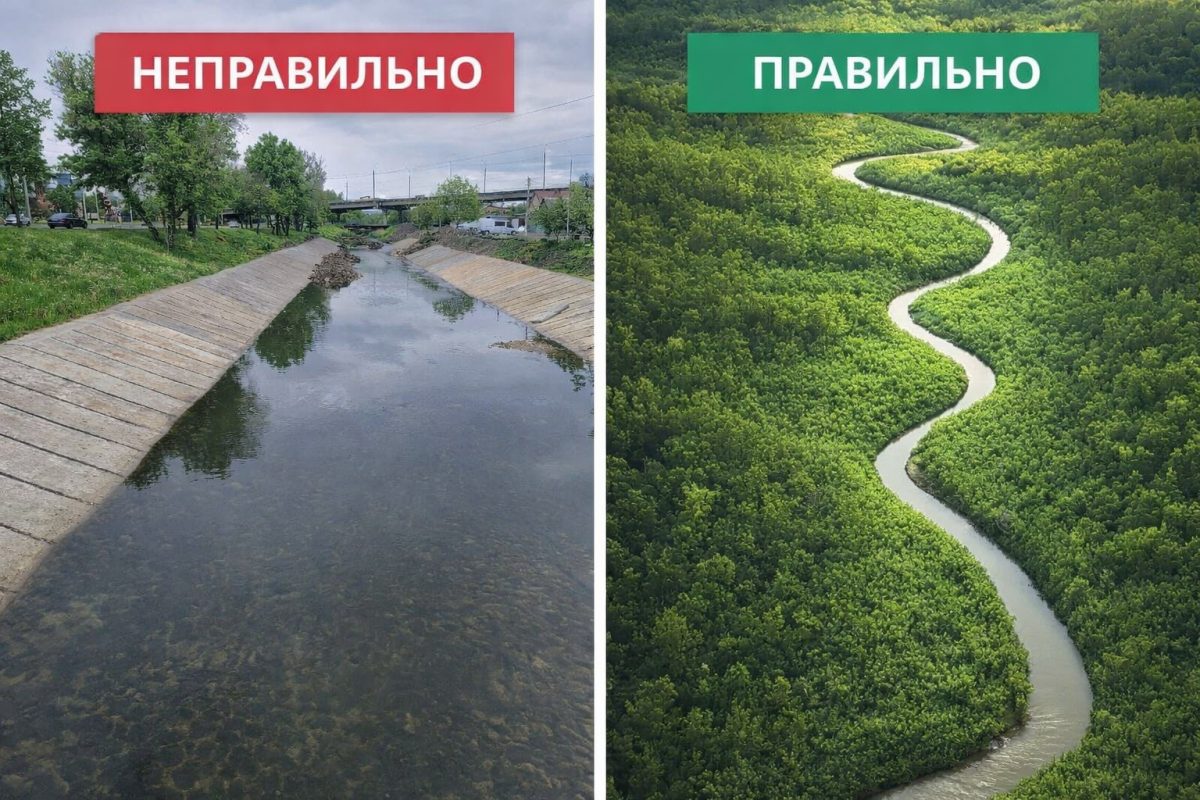
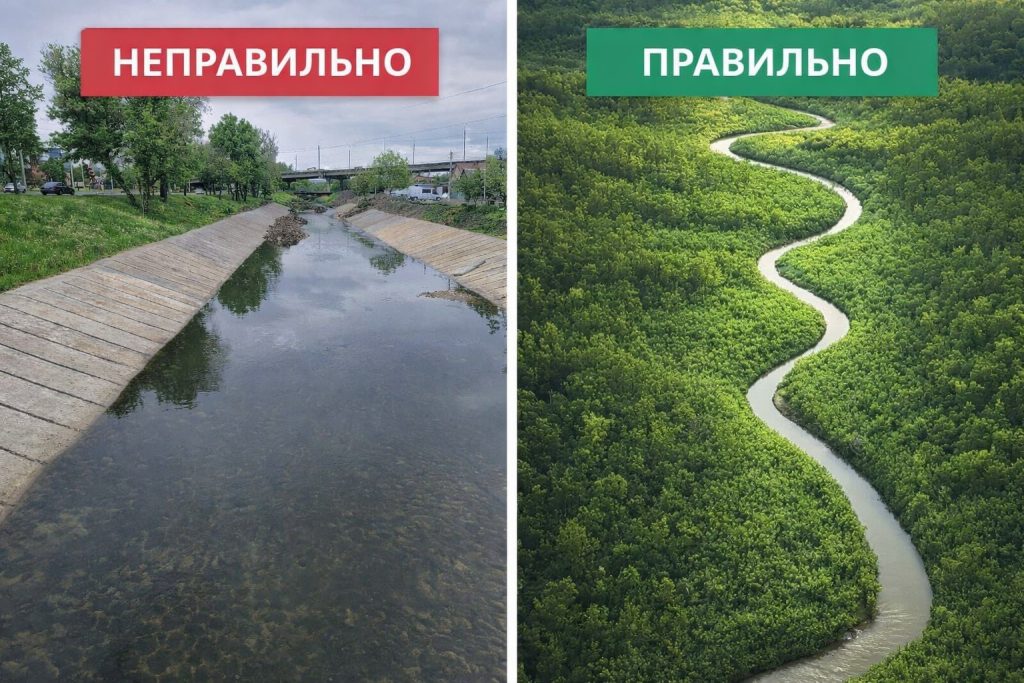
For decades, cities around the world—including Chișinău—have tried to “tame” rivers by encasing them in concrete and straightening their channels. It was believed that river canalization would prevent floods, improve drainage, and simplify urban development. However, modern research shows the opposite: concrete riverbeds do not solve the problem—they make it worse.

What happens when rivers are locked in concrete

Hydrological studies by the US Geological Survey as early as the 20th century (Leopold & Wolman, 1960) demonstrated that when a river is confined by concrete banks and its channel is straightened, the flow velocity increases sharply. The river effectively turns into a pipe.

The same process is happening with the Bîc River in Chișinău.

During heavy rainfall, water can no longer spread across the floodplain or be absorbed by vegetation and soils. Instead, it rushes downstream at dangerous speeds.

More recent studies (Brody et al., 2019, Journal of Environmental Management) confirm that cities with heavily channelized rivers suffer greater flood damage—especially under extreme rainfall events, which are becoming more frequent due to climate change.

Concrete does not absorb water, does not filter it, and does not cool the city. It only accelerates the flow and transfers the problem further downstream.

Why are rivers “cleaned” if they flowed naturally for thousands of years?

The core problem is not the rivers themselves, but their straightening.

During the Soviet period, many river sections were straightened to expand agricultural land and to build highways, railways, and other infrastructure.

Today, “cleaning” 1 km of a river in Moldova costs between 800,000 and 1.5 million lei. And these works must be repeated again and again—the costs never end.

The only sustainable solution is restoring river meanders, not further deepening and straightening channels.

Why are rivers naturally meandering?

Rivers meander because this is nature’s way of dissipating water energy and balancing bank erosion with sediment deposition on floodplains.

Meanders:

  • slow down the flow,

  • reduce the risk of catastrophic floods,

  • support floodplain ecosystems.

Straightening rivers, by contrast, accelerates flow, dries out floodplains, destroys ecosystems, and shifts flood risk downstream.

What natural rivers do—and why it works

Rivers with natural banks, vegetation, and floodplains behave very differently.

The Intergovernmental Science-Policy Platform on Biodiversity and Ecosystem Services (IPBES, UN, 2019) shows that restored riverbanks, wetlands, and floodplains can:

  • reduce flood peaks by 20–40%,

  • slow water flow,

  • recharge groundwater,

  • filter pollutants before they enter the river.

This is exactly what the Bîc River and many small rivers of Moldova—including the Răut River and its tributaries—are lacking today.

Nature is cheaper than concrete

According to the World Bank (2019), every 1 euro invested in nature-based and sustainable infrastructure saves up to 4 euros in disaster recovery costs.

The OECD (2020) emphasizes that:

  • concrete solutions require constant repairs,

  • their costs increase with every extreme flood,

  • they adapt poorly to changing climate conditions.

For Chișinău, this means millions of lei spent not on urban development, but on dealing with the consequences of outdated approaches.

Restored rivers bring life back

Research by Palmer et al. (2010, Science) shows that river restoration leads to:

  • the return of fish,

  • increased bird populations,

  • recovery of pollinators,

  • improved water quality within 3–5 years.

For the Răut River and its tributaries, this is a real chance to restore ecosystem functions lost due to channel straightening, removal of riparian vegetation, and agricultural pressure.

River corridors are natural air conditioners for cities

Green zones along rivers are not a luxury—they are a climate necessity.

According to Urban Climate research (Gunawardena et al., 2017), green river corridors:

  • reduce air temperatures by 1–3°C,

  • mitigate the urban heat island effect.

For Chișinău, which increasingly suffers from summer heat, restoring the Bîc River is a matter of public health and comfort.

The world is changing its approach—Moldova should too

Around the world, cities are moving away from concrete:

  • Germany and the Netherlands implement the “Room for the River” policy,

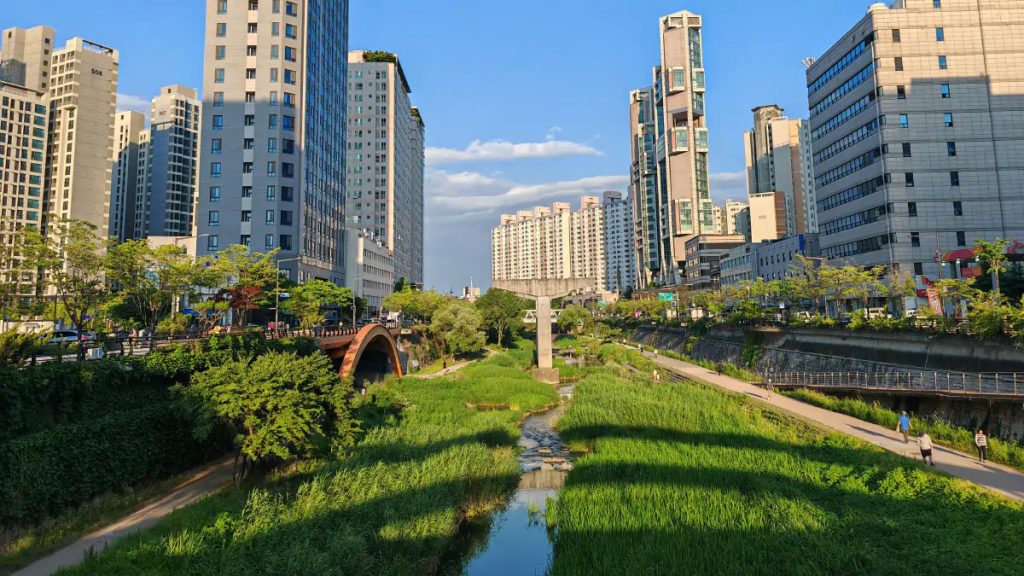
  • Seoul removed concrete and restored the Cheonggyecheon River,

  • France is investing heavily in the renaturalization of small rivers.

Farmers in Ethiopia Have Learned to Restore Forests and Earn Income from Carbon Credits

Tag: sustainable development

In southern Ethiopia, in the Humbo district, farmers have demonstrated that forest restoration can be not only an environmental effort but also an economically viable one. The story of this landscape shows how degraded mountain slopes were transformed into a source of sustainable income for local communities through collective action and carbon financing.

From Barren Mountains to a Living Forest

In 2005, the international organization World Vision launched an initiative in Humbo focused on farmer-managed natural forest regeneration. The project covered 2,728 hectares of severely degraded mountainous land. During the first month, specialists held consultations with local communities, paying particular attention to the poorest households that depended on charcoal production and fuelwood collection for survival.

To implement the project, seven cooperatives were established at the kebele level (local administrative units). Their members received training in basic forest management, while people dependent on forest exploitation were offered alternative sources of income. Over time, the cooperatives united into a single union, which today has 5,184 members, about 25% of whom are women.

Resistance, Threats, and First Successes

The path to forest restoration was far from easy. According to Mekonnen Gudjo, chairman of the Hobicha Bada Woyito Mountain Forest Development Cooperative, many residents initially opposed the restrictions.

“People did not want to lose free access to forest resources. When we tried to stop logging and livestock grazing, committee members were pressured and their crops were destroyed,” he recalls.

Tensions escalated to the point where one cooperative chairman was attacked and later died from his injuries. Only after the intervention of local authorities and the organization of security measures was it possible to protect the area and continue the project.

Today, the cooperative manages 372 hectares of restored forest. While it initially had only 25 members, it now includes 935. Some farmers were required by court order to leave land inside the fenced area, while others had to remove eucalyptus plantations that did not align with ecosystem restoration goals.

How Farmer-Managed Restoration Works

The core tool of the project was Farmer-Managed Natural Regeneration (FMNR). This approach is based on regenerating vegetation from living stumps, roots, and seeds. Farmers select the strongest shoots, carry out pruning, and guide tree growth to accelerate biomass accumulation. In addition, seedlings were raised in nurseries and supplementary planting was carried out in open areas.

According to World Vision staff member Mulugeta Zeleke, FMNR is “a low-cost, fast, and easily replicable method for restoring agricultural land, forests, and grazing areas.”

Results became visible within a few years: forest cover reduced the risk of flooding, stabilized rainfall patterns, improved groundwater levels, and even contributed to the return of natural springs. Wildlife returned to the area, and the local microclimate became cooler and more stable.

Carbon Credits: An Economic Turning Point

A major turning point came in 2012, when the Humbo cooperatives began receiving income from the sale of carbon credits. Prior to this, carbon market mechanisms were largely unknown in the Wolaita region, but the project quickly attracted attention and became a model for other communities across the country.

Revenue from carbon credits enabled the cooperative to establish a flour mill offering low prices to local residents, open an office, and rent warehouses and shops. Part of the income is provided to cooperative members as interest-free loans to support their livelihoods.

Each year, specialists measure carbon stocks at 85 sample plots measuring 20×20 meters across the project area. Although income from carbon credits fluctuates, its potential is clear: in 2024 the cooperative earned about 435,000 birr, while in 2025 revenues exceeded 5 million birr. In the near future, the cooperative plans to distribute 10,000 birr each to 500 members.

Lessons from Humbo

The Humbo experience shows that forest restoration is possible even under conditions of severe poverty and social conflict—provided that local communities are genuinely involved and benefits are distributed fairly.

“This project changed my understanding of what is possible. If people believe in an idea and feel ownership of it, they can achieve what seems impossible,” said Dr. Getachew Hiruy of the Commission for Development and Social Services.

European Ecovillage Gathering 2025: Ukraine Proposes a New Model for Unity — Care for the Earth!

Tag: sustainable development

The European Ecovillage Gathering 2025 once again confirmed its status as the main forum for those seeking alternatives to conventional models of society.

Hundreds of participants from 15 European countries came together to share experiences, discuss the future of eco-living, and explore how ecovillages can respond to global challenges — from the climate crisis to social upheavals.

A central part of the event was the meeting of national ecovillage network leaders. Here, participants discussed not only ecological practices but also the strategic development of movements in different countries. “Strong settlements do not always mean strong networks. These are different levels of coordination and organization of processes,” participants noted.

A key element was the discussion on unifying values. The Ukrainian network presented its own concept — “In Earth we trust.” As explained by GEN Ukraine leader Maksym Zalevskyi, “we are united by care for the Earth. This is something on which there are no contradictions within our network.” This vision — regeneration of the land as the foundation for restoring communities and people — resonated as particularly relevant in Europe.

“Not all networks today have a clear direction. Far from all of the 15 countries have achievements to share. The strongest remain mostly the Western networks,” Zalevskyi admitted.

Despite the hardships of war and the crisis of civil society, the Ukrainian experience earned respect from colleagues. “We maintained the activity of our network. Our weekly Wednesday calls have not lost momentum. People want to move forward with us. I said that I am proud that, despite everything, we preserved the multiculturalism, inclusiveness, and ideological biodiversity of our network. This is what I see as a true European value,” he added.

Meanwhile, the development of ecovillages in Moldova is not as intensive as in some European countries or even neighboring Ukraine. This is why there is hope that the state will pay more attention to this issue. Such settlements foster conscious communities, restore the connection with nature, stimulate local economies, and create sustainable living models that can be adapted to different conditions. Their development helps prepare people for future challenges and strengthens the social and ecological resilience of the country.

NGOs Warn: Proposed Changes to the Industrial Emissions Law Threaten Public Health and Environmental Protection

Tag: sustainable development

Several non-governmental organizations in the Republic of Moldova have raised concerns about proposed amendments to Law No. 227/2022 on industrial emissions, warning that these changes could seriously impact air, water, and soil quality, as well as public health.

The warning comes in a statement prepared by EcoContact and signed by 30 NGOs (the list is being updated).

According to the document, the removal of key provisions and annexes from the law would allow polluting activities to operate without strict state control or environmental permits. Among the activities proposed to be excluded from the authorization regime are livestock farms, food industry units, water treatment plants, and the trade of chemicals and waste—all with a high potential for pollution.

Experts emphasize that if these amendments are adopted, many farms, factories, and industrial units will be able to operate without environmental authorization, making it more difficult for authorities to monitor and prevent pollution of water, air, and soil, thereby increasing risks to public health and the environment. Excluding these activities from Annex No. 2 and the complete removal of Annex No. 3 would create a dangerous legislative vacuum, weakening the state’s capacity to protect citizens’ right to a safe, healthy, and sustainable environment.

EcoContact highlights that the proposed amendments contradict European Union legislation already transposed into national law, as well as international agreements to which the Republic of Moldova is a party, endangering the country’s European integration process.

The document also points out that these changes are being advanced through an amendment to a draft law that has already passed the first reading, where the only link to the modified acts is the “environmental field,” without public consultation, engagement with local authorities, or a detailed analysis of environmental and health impacts. Specifically, the amendments to the Industrial Emissions Law were added to a draft law that initially only aimed to modify the Water Law No. 81 of March 19, 2025, already adopted in the first reading.

According to NGOs, this approach does not represent a simplification of the legal framework but rather a weakening of mechanisms to control and prevent pollution risks. A true simplification would involve legislative coherence, stakeholder consultations, and maintaining effective regulatory tools—elements missing from the current process.

Removing these regulations will reduce transparency and the ability of local authorities to fulfill their duties while limiting citizens’ right to be informed and involved in environmental decision-making.

In conclusion, the NGOs recommend that the authorities retain all control and authorization rules for activities with pollution risks and ensure broad public consultation before modifying environmental legislation.

It is worth noting that yesterday, June 24, 2025, the Cabinet of Ministers approved the Single Opinion on the amendments to the draft law modifying the Water Law No. 272/2011. The government’s opinion confirms that the changes to Law No. 227/2022 on industrial emissions constitute a new legislative initiative requiring adoption in two readings, recommending the consideration of Constitutional Court jurisprudence.

The documents can be accessed here:

A Large-Scale Cleanup Took Place at Ghidighici Beach

Tag: sustainable development

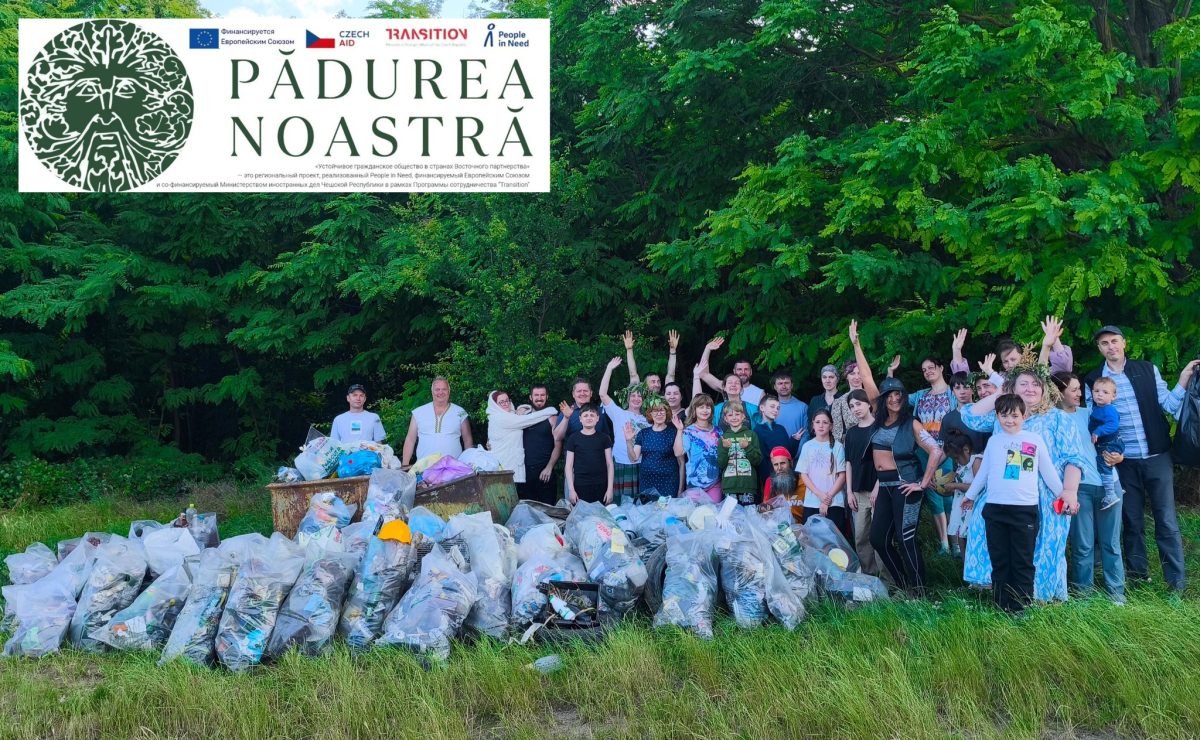
The environmental organization “Pădurea Noastră” carried out its largest cleanup of the year, clearing the central beach and the surrounding forest area of the Ghidighici reservoir in Chișinău.

This location is known for accumulating large amounts of waste for two main reasons: the careless attitude of visitors and the lack of attention from the city administration. Although the municipality does not consider this area a proper recreation and tourism zone and does not invest in its maintenance, city residents continue to spend their leisure time there.

“It is clear that something needs to be done about this,” the organizers stated.

New volunteers from Moldova and Ukraine joined the action, giving the event a humanitarian dimension as well. Participants combined the cleanup with celebrating the Summer Solstice in the traditional Slavic-Moldovan style of Kupala-Sânziene, offering Ukrainian guests an atmosphere that reminded them of home and their traditions.

A total of 52 people took part in the cleanup, and as the organizers noted, it was “a truly warm and unifying event.”

The team extends special thanks to their sponsors, whose support made this celebration of cleanliness possible. The event was supported by the project “Sustainable Civil Society in the Eastern Partnership Countries,” implemented by People in Need, funded by the European Union, and co-financed by the Ministry of Foreign Affairs of the Czech Republic within the framework of the “Transition” cooperation program. In Moldova, the project is implemented by People in Need Moldova.

Eco-Settlement VS Village! A Shocking Difference in Environmental Friendliness

Tag: sustainable development

Environmental student Vladislav Sanduleac from UTM (Agrarian Campus) shared the results of his research conducted as part of his coursework. His conclusions turned out to be unexpected even for himself.

“I’ve been under the impression of my findings for a week now since finishing my coursework. I’m especially pleased with the knowledge I’m gaining at the university. It turns out that ecology is a very precise science that allows us to evaluate the state of the environment in numbers and coefficients, and accurately determine the degree of pollution and ways to solve problems,” said Vladislav.

According to the student, thanks to this knowledge he realized how much the profession of an ecologist is in demand in the modern world:

“For any village or business, it is possible to create an environmental project that can help attract funding to improve the living environment. It’s a real tool for change.”

Vladislav also highlighted the importance of training at UTM:
“I advise young people to pay attention to this field. The university has retained a strong teaching staff that continues the best traditions of the former Agrarian University,” he emphasized.


Village: Numbers That Shock

The main theme of Vladislav’s coursework was the study of the environmental situation of a Moldovan village. The results were surprising.

“You’d think that a village is about nature and ecology. But when I started calculating the indicators, the picture turned out to be completely different,” the student shared.

He found that a typical village with 1,000 households produces about 700 tons of manure per year.
“This could become valuable fertilizer if a composting system worked. But in reality, most of the manure ends up in the soil and pollutes well water. Part of it is taken to landfills, where it mixes with plastic and chemicals, poisons the soil, and often smolders or burns,” Vladislav explained.

The situation is worsened by the uncontrolled use of pesticides, which leads to mass deaths of bees.

“The village lacks biodiversity: there are mainly fruit trees, walnut trees, and gardens. Forest plants and animals simply have nowhere to live. Deep plowing and the absence of shelterbelts contribute to erosion — fertility is carried away by wind and rain,” he added.


Eco-Settlement: European Standards on Moldovan Soil

Comparing the situation to an eco-settlement, Vladislav saw a fundamentally different picture.

“An eco-settlement of 40 hectares, where about 20 families manage plots ranging from 1 to 2.7 hectares, became for me an example of harmony with nature,” he noted.

According to him:
Two-thirds of each plot’s area is occupied by permaculture forest gardens, where biodiversity thrives, including species from the Red Book.

The soil is not plowed and is protected by vegetation from erosion. On some plots, terracing has been applied, and aquatic ecosystems have been created for birds and fish.

There are no landfills or large cattle in the settlement, so there is no soil pollution from waste.
No pesticides or chemicals are used — natural fertilizers and bio-organisms are applied.
Beekeeping is developed, which has a positive effect on plant pollination.

“This example embodies the highest European standards: in climate change adaptation, biodiversity enhancement, and the greening of human life. This experience needs to be studied and spread throughout the country,” believes Vladislav Sanduleac.

Ecological Settlement in Moldova: An Example for the Entire Country

Tag: sustainable development

In today’s context, as the issue of sustainable development and environmental protection becomes increasingly relevant, academic circles are producing studies that describe unique examples of successful implementation of ecological projects.

One such example is the ecological settlement in Codreanca commune, Strășeni district, described in detail in the year project of Vladislav Sanduleac, an ecology student at the Technical University of Moldova (“The characteristics of environmental components and protection measures for certain resources in Codreanca commune, Strășeni district”, 2025).

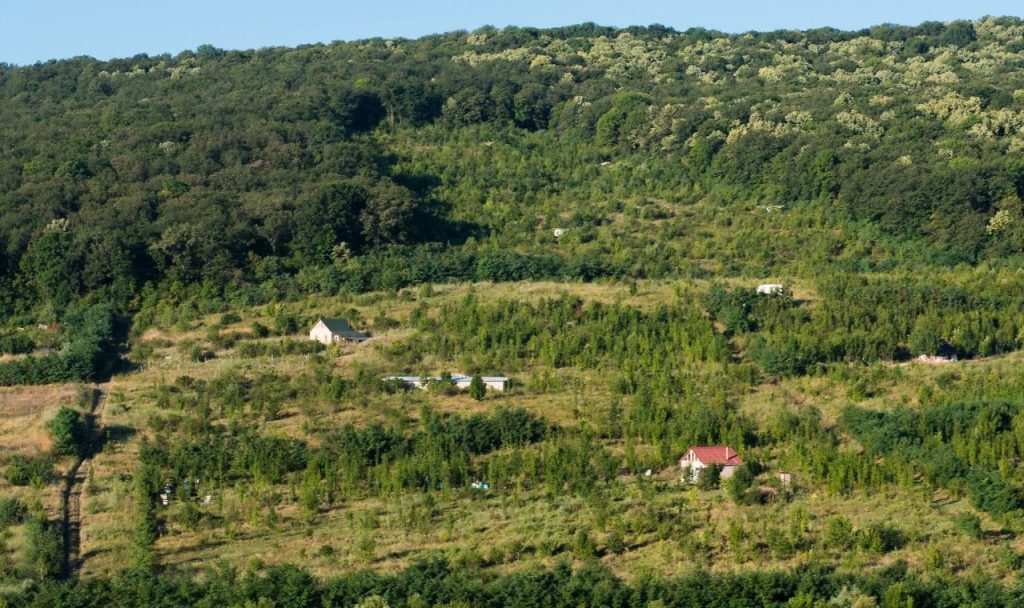
According to the author’s research, the ecological settlement project in Codreanca was initiated in 2003. Today, on an area of 40 hectares, about 20 families manage homesteads based on the principles of permaculture and biodiversity restoration. Each family owns between 1 and 2.7 hectares of land, creating so-called homesteads that combine traditional agricultural practices with modern ecological approaches.

The ecology student explains the scientific origin of the term “ecological settlement”: “The term Ecological Settlement was introduced into scientific discourse by Professor George Ramsey of the Georgia Institute of Technology in his 1978 presentation ‘Application of Passive Energy for the Artificial Environment’ at the First World Energy Conference, organized by the Association of Energy Engineers. Ramsey argued that the problems related to excessive energy use are not about technology, but about the lifestyle of the population.”

In his work, Vladislav Sanduleac also presents some historical data about the development of ecological settlements in Moldova and worldwide: “In 1991, the Global Ecovillage Network (GEN) was created. In 2001, GEN obtained special consultative status with the UN Economic and Social Council (UN-ECOSOC) and became a partner of the United Nations Institute for Training and Research.”

“Today, various countries have enacted laws that encourage the development of ecological settlements, and over 10,000 such settlements have been registered under cooperative, biodiversity protection, non-profit, and urban planning legislation in Europe, America, and Australia. In addition, in Russia, in 2013, the Belgorod region adopted a regional law on family homesteads that regulates the free allocation of 1-hectare land plots for a period of 49 years for the creation of sustainable family farms,” explains the author.

Vladislav Sanduliac also provides some data: “In the territory of the ecological settlement in Codreanca commune, over the course of 20 years, plots with permaculture forest-gardens have formed, where plantations cover between 15% and 60% of the land, matching the best afforestation rates in European countries. No pesticides or chemical fertilizers are used, beekeeping is actively developing, and organic waste is composted and used as fertilizer.”

Special attention in the project is given to the conservation and increase of local species of flora and fauna. The territory of the settlement has become a refuge for pheasants, quails, hares, hedgehogs, as well as rare plant species listed in Moldova’s Red Book.

An equally important aspect, according to Vladislav Sanduleac, is the use of solar energy: solar power stations have been installed on the territory, ensuring the settlement’s energy autonomy.

The analytical part of the study highlights that the ecological settlement in Codreanca fully complies with international environmental conventions, including the Convention on Biological Diversity and the UN Framework Convention on Climate Change. Moreover, the project is part of the Global Ecovillage Network, which confirms its international recognition.

In his work, Vladislav Sanduleac formulates concrete recommendations for the Codreanca village administration. The experience of the ecological settlement in Codreanca commune can serve as a foundation for similar initiatives across Moldova, contributing to nature restoration, the development of the green economy, and the formation of new environmental awareness in the country. For Codreanca, it can also be the basis for the development of ecological tourism.

This project demonstrates that sustainable development is possible even in small rural communities if the efforts of residents, local authorities, and the ecological community are united.

The full version of the study can be consulted at the link:

drive.google.com

People in Need Moldova has highly praised the environmental efforts of the public association “Pădurea Noastră”

Tag: sustainable development

“We are proud of our partners who make a significant contribution to cleaning Moldova’s forests and planting trees. These actions bring hope and strengthen collective responsibility,” the organization stated.

🌍 On the occasion of Earth Day, People in Need congratulated everyone and emphasized that it is a moment to reflect on the responsibility humanity holds towards the planet. In this context, the international organization highlighted the contribution of the Moldovan environmental initiative “Pădurea Noastră” and the partner project “Tabăra Mamei Pământ” to environmental protection.

♻️ According to People in Need representatives, Earth Day is not only a symbolic gesture, but also a call to action for the entire civil society.
“Let us work together to develop bold initiatives for the sustainable use of natural resources and the prevention of environmental issues that impact our present and future,” they said.

🌱 The work of “Pădurea Noastră”, aimed at combating forest pollution and restoring green areas, has received support within the framework of the regional project “Resilience of Civil Society in the Eastern Partnership Countries”, implemented by People in Need, with financial support from the European Union and co-financing from the Ministry of Foreign Affairs of the Czech Republic through the Transition Program.

🔵 Supporting such initiatives highlights the importance of uniting the efforts of local communities, civil organizations, and international partners to protect nature and ensure a sustainable future for Moldova.

How Moldova Can Learn from European Experiences in Combating Climate Change

Tag: sustainable development

The European Union has a positive influence on the Republic of Moldova, including in the field of environment and climate change.

This includes both political and technical assistance. Moldova does not have to act alone. It is appropriate to adopt European practices in the transition from a pollution-based, fossil fuel-dependent economy to a green and sustainable economy.

These statements were made by the national co-leader of the Green Agenda Project, Iordanca Rodica Iordanov, during the debate titled: “The readiness of the population and its willingness to support initiatives for Moldova’s green transition”, as reported by IPN.

“A green transition would mean adopting these experiences and also the regulatory and technical frameworks, adapted to Moldova’s context. We cannot copy them exactly, as we have our own national, geographical, and climatic particularities,” stated Iordanca Rodica Iordanov. She added that with the financial resources currently available, the Republic of Moldova will not be able to cope with this process—or will manage, but over a very long period. Under these circumstances, European support is essential. The EU supports Moldova in this process through various means, including grants and loans, the expert noted.

The lack of forests, according to Iordanca Rodica Iordanov, has a decisive impact on climate change. That is why a balance must be found between human comfort and the protection of ecosystems. When forests are cut down, it increases the risk of landslides, droughts, and torrential rains.

“There is also a noticeable trend nowadays. Every time there is an energy crisis, it is declared that there is not enough firewood and that citizens must be supported—so tree cutting is permitted. This approach is not constructive and does not support environmental protection or the reduction of climate change impacts,” emphasized the national co-leader of the Green Agenda Project.

During the debate, the results of a study conducted in the Republic of Moldova over six months were presented. 82% of respondents consider deforestation to be the main cause of climate change. 57% of those surveyed believe that both natural factors and human activity contribute to climate change.

The study was developed as part of the “Green Agenda” project implemented by the Stockholm Environment Institute and funded by the Swedish International Development Cooperation Agency, with AO EcoContact as the national implementing partner.