Starry Sky Homestead

Tag: Biodiversity

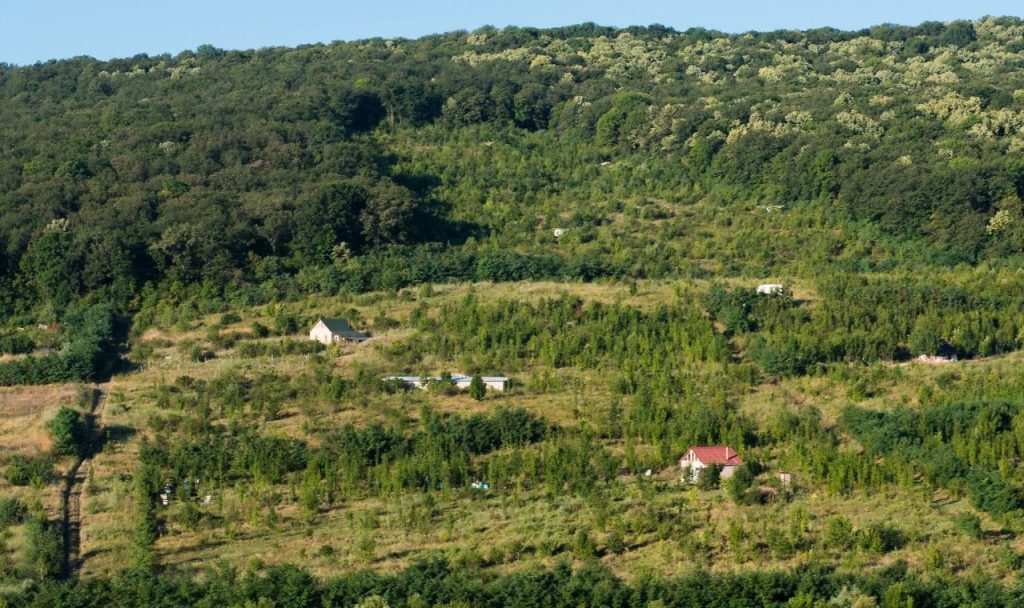
Family Homestead & Ecological Creative Space, Schastlivoe (Happy) Ecovillage, Republic of Moldova.

Starry Sky Homestead is a family project inspired by a love of nature, creativity, community and a more conscious way of living. It is a place where ecological ideas meet art, traditions and the simple joys of rural life.
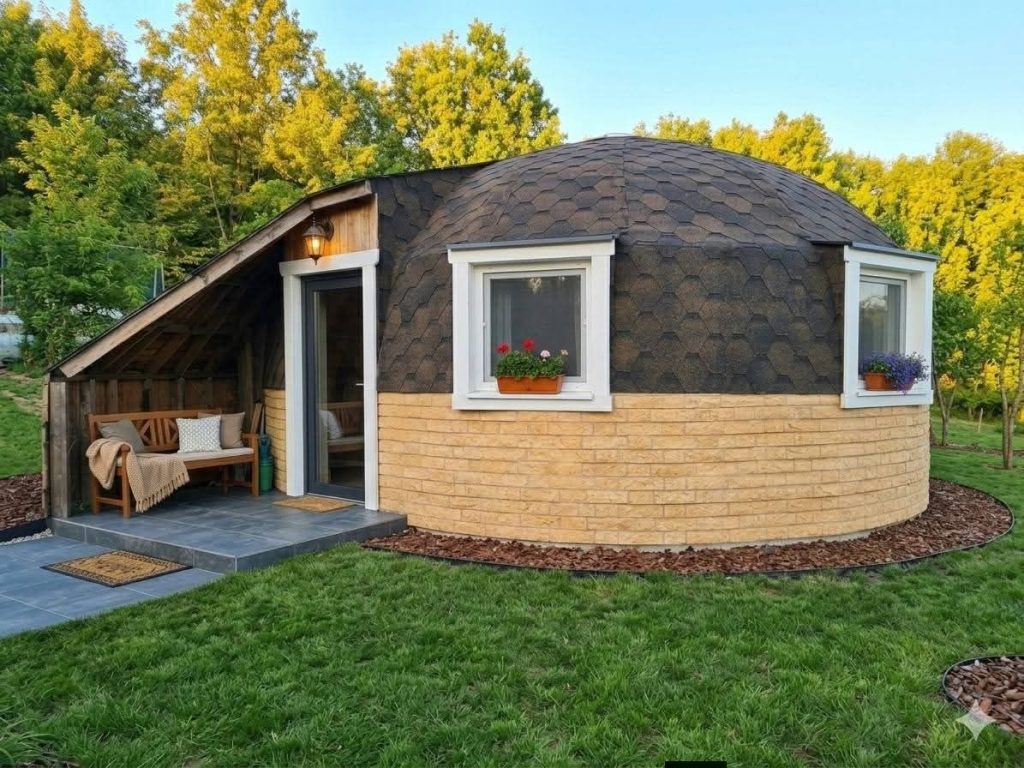
Our place and our story

Starry Sky Homestead is our family space, created around the idea of living in harmony with nature. We believe that a homestead can be more than just a place to live. It can become a space for learning, sharing experiences, creating things together and building meaningful relationships between people.

Our inspiration comes from permaculture, ecological thinking, traditional rural culture and the desire to reconnect people with the land.
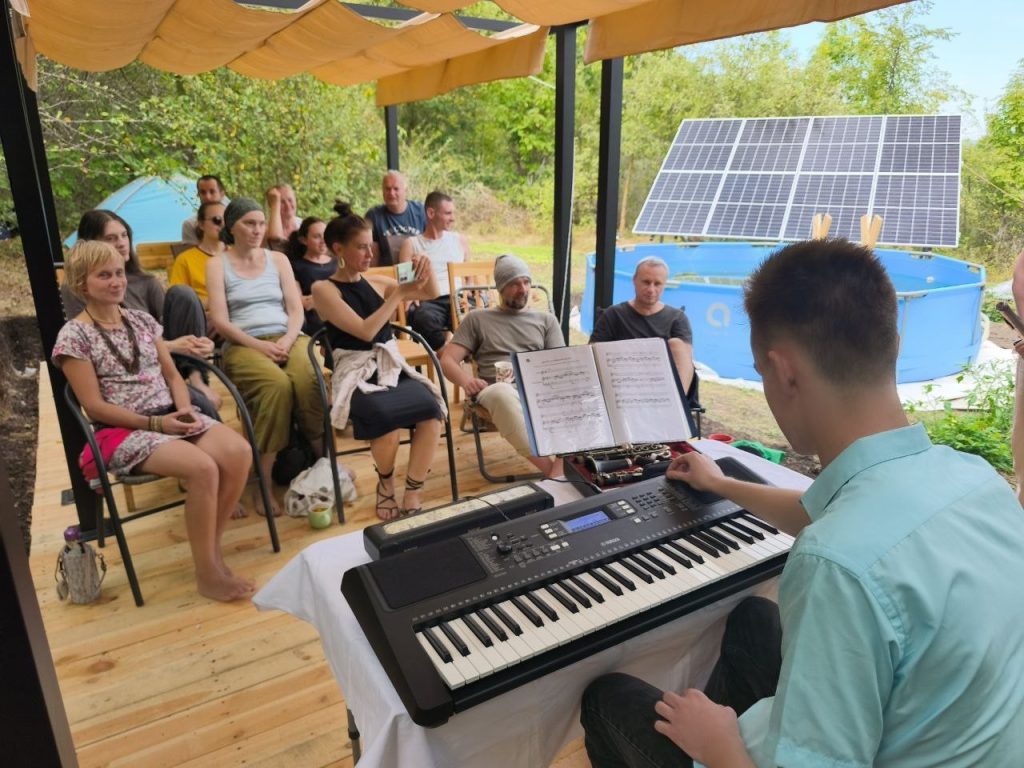
Permaculture and living with nature

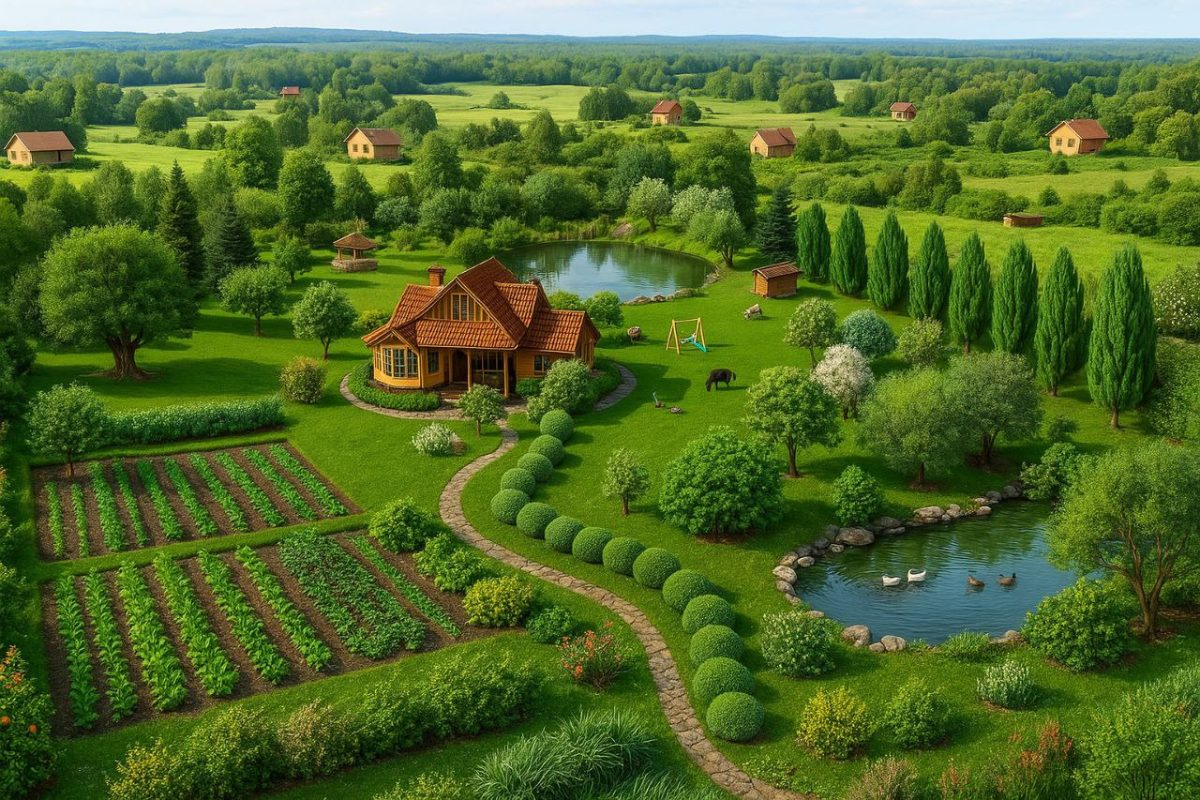
We explore ways of creating a sustainable and diverse homestead based on permaculture principles. Working with the land, growing plants, observing natural processes and creating habitats for biodiversity are important parts of our everyday life.

We are interested in combining traditional knowledge with ecological practices, developing a living landscape where people, plants, animals and ecosystems coexist.
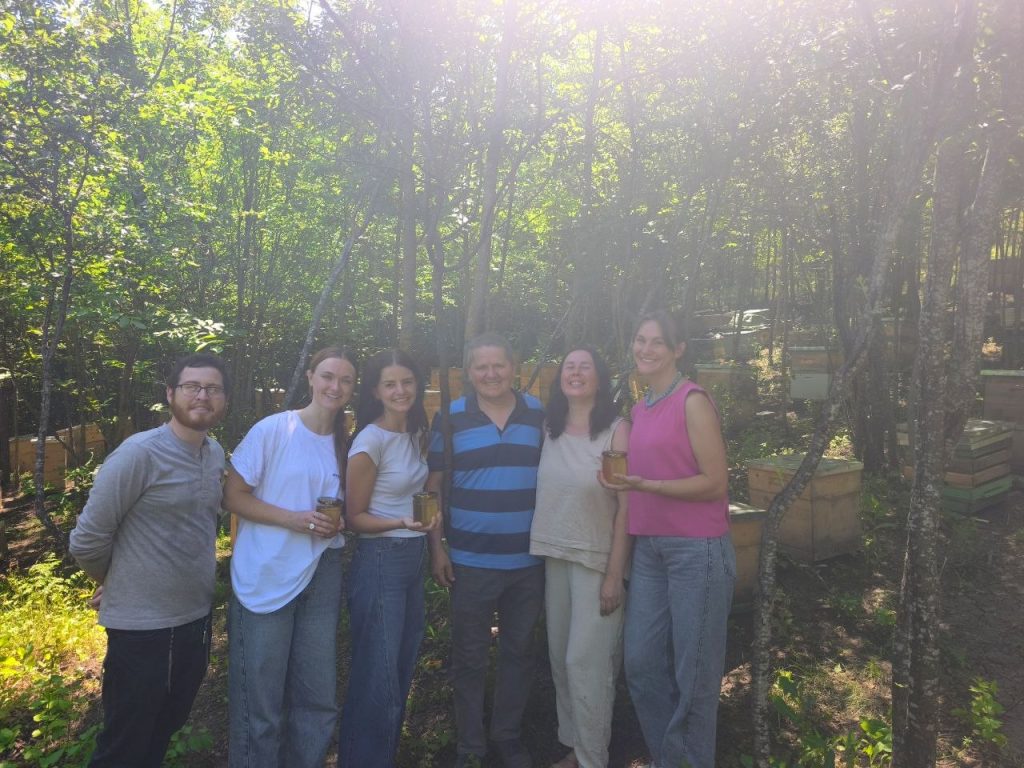
Art, creativity and cultural exchange

We see the homestead as a meeting place for artists, educators, researchers and creative people.

Art residencies, workshops, cultural exchanges and creative experiments can bring new ideas and connections to rural communities. We want to create opportunities for people from different backgrounds to meet, share their experiences and work together.
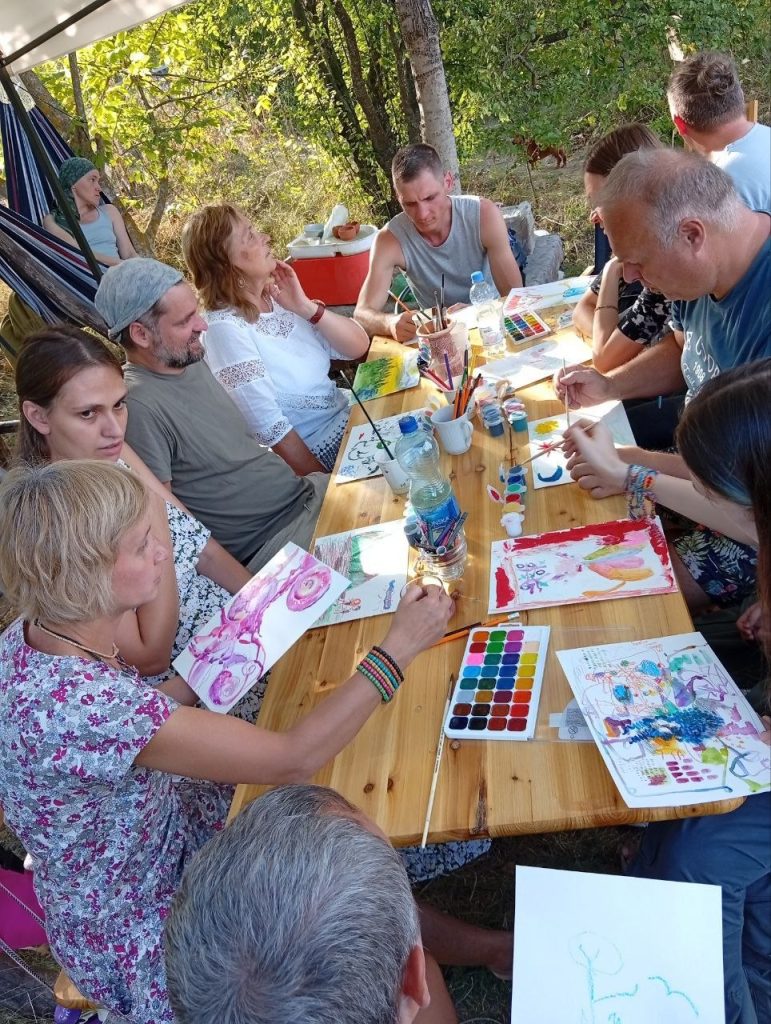
Festivals and gatherings

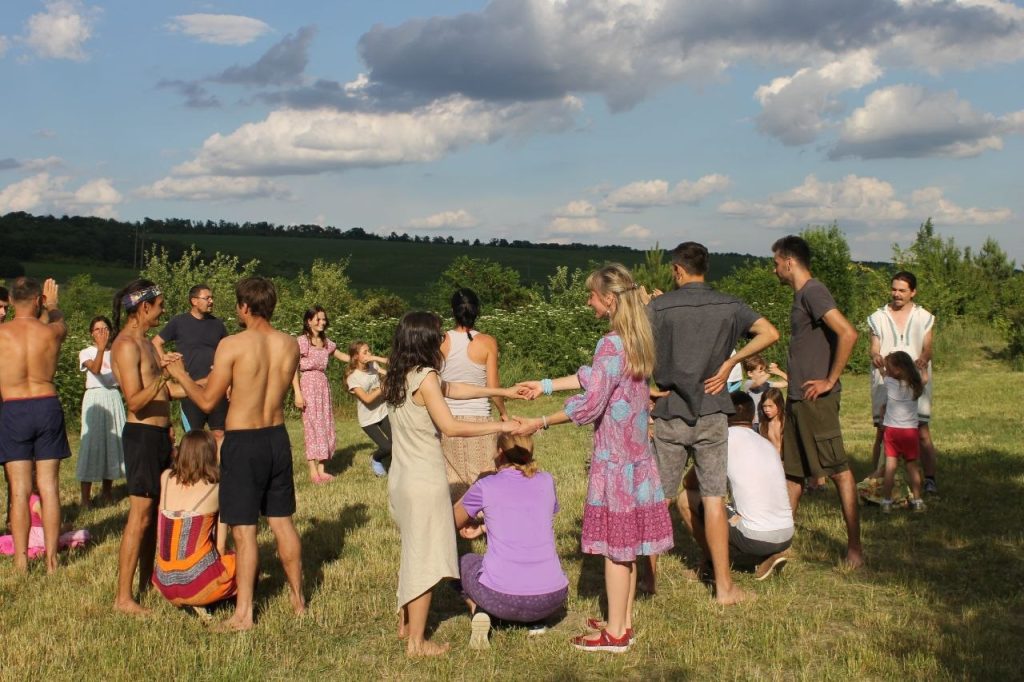
We believe in the power of coming together.

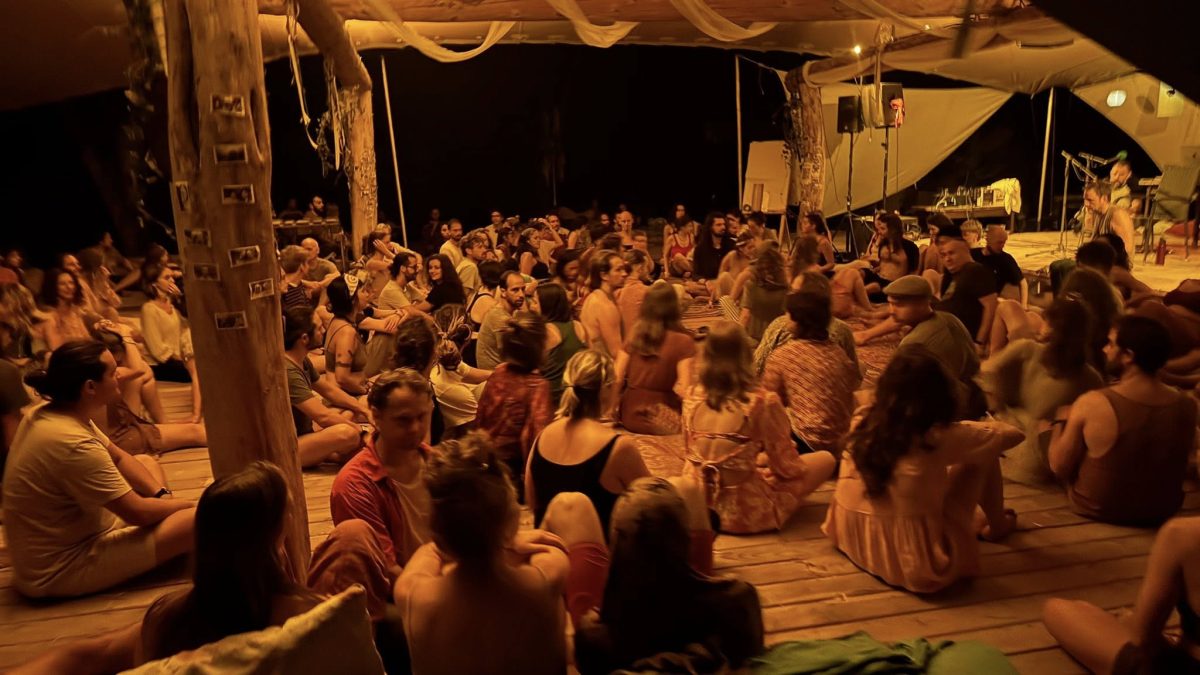
Small festivals, music, traditional dances, community gatherings and shared celebrations can make rural life more vibrant and meaningful.

We want to create a welcoming space where people can meet, exchange ideas, enjoy nature and rediscover the joy of being part of a community.
Water, landscape and biodiversity

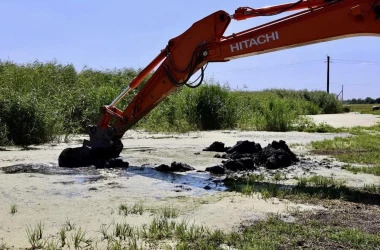
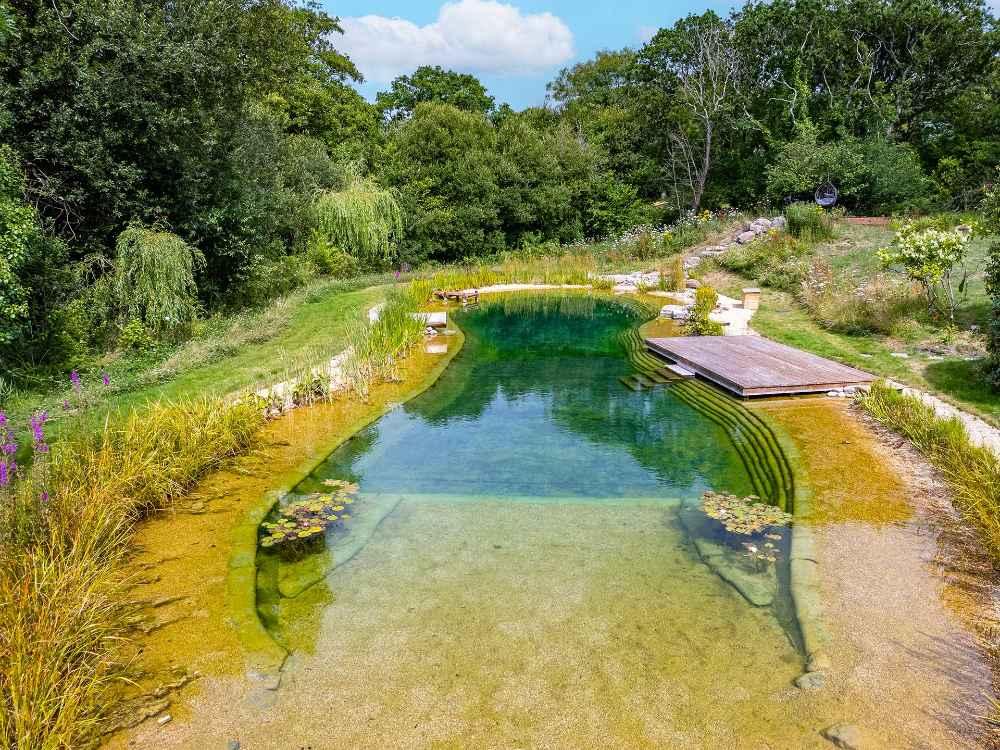
Water is an essential element of a living landscape. We dream of creating a small natural pond surrounded by diverse vegetation, providing space for wildlife and a peaceful place for people.

Our vision is to develop a landscape that supports biodiversity, improves the local environment and brings people closer to nature.
Education, hospitality and shared experiences

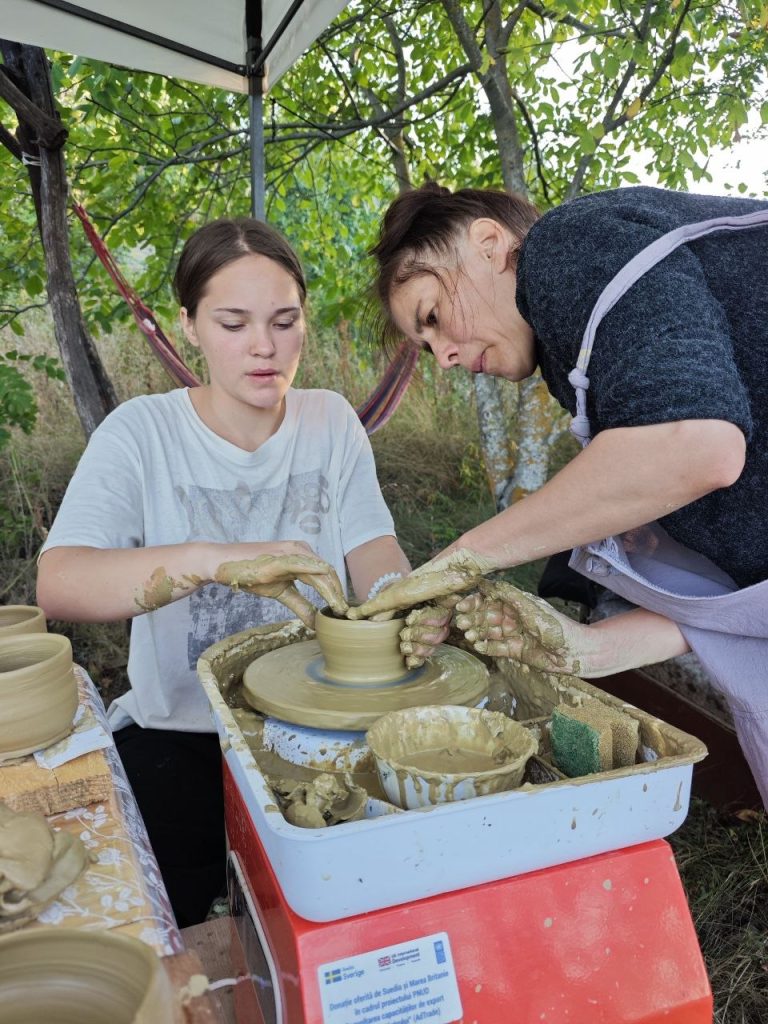
We would like Starry Sky Homestead to become a place for educational activities, practical workshops, ecological learning and hospitality.

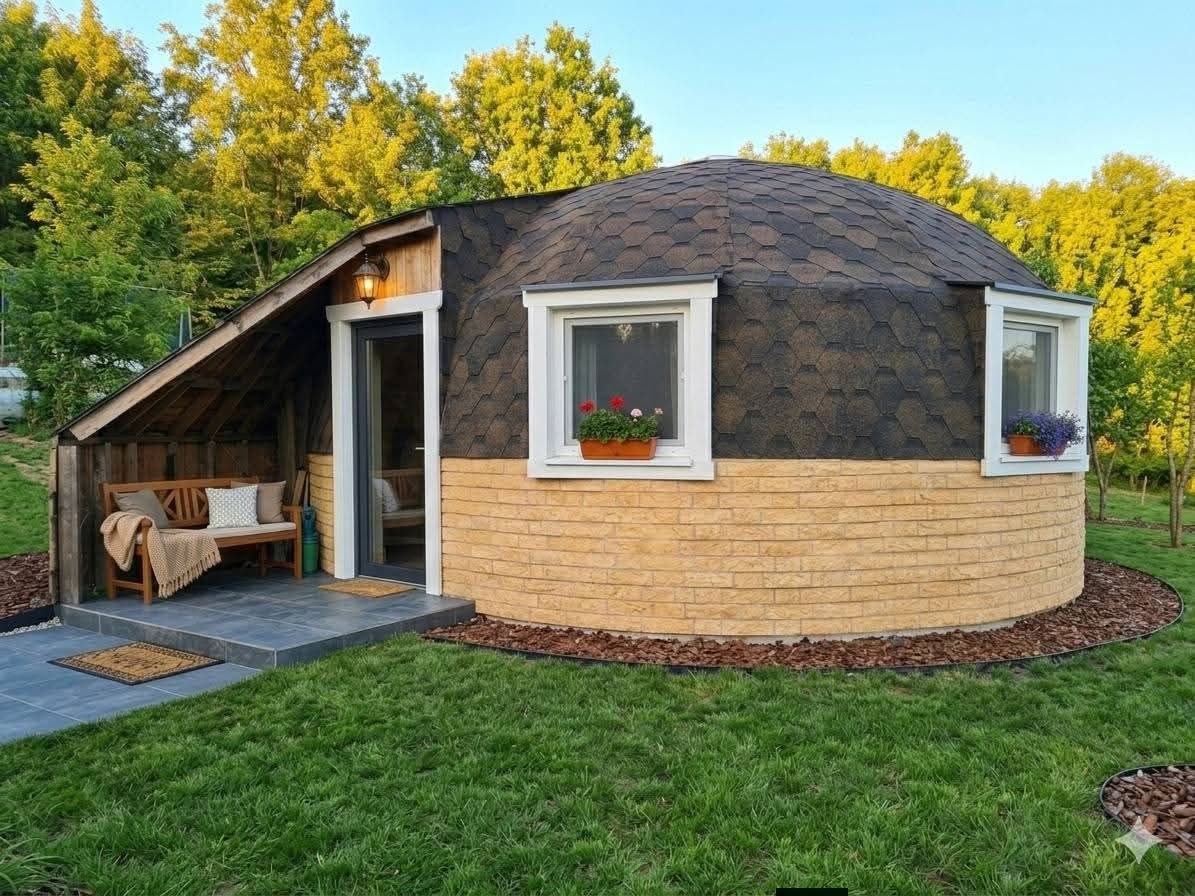
Our future vision includes a multifunctional space for meetings and workshops, guest cabins, an outdoor area for dancing and celebrations, and places for creative work and relaxation.

We want to welcome people who are interested in ecology, permaculture, art, rural culture and alternative ways of living.
A place to grow together

Starry Sky Homestead is an evolving family project. We are not trying to create a perfect place. We are interested in the process itself — learning, experimenting, making mistakes, growing and sharing what we discover along the way.

We believe that small places can inspire big changes, and that a more sustainable future begins with the way we relate to the land and to each other.

Welcome to Starry Sky Homestead!
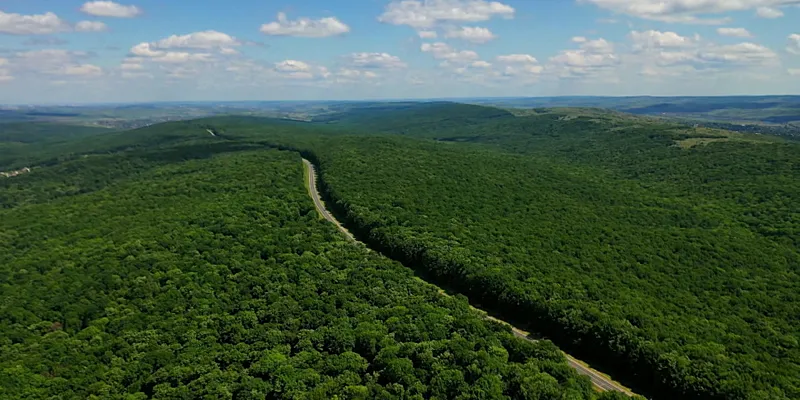
For Moldovans, the best place for recreation is the Codrii and their biodiversity (Study)

Tag: Biodiversity

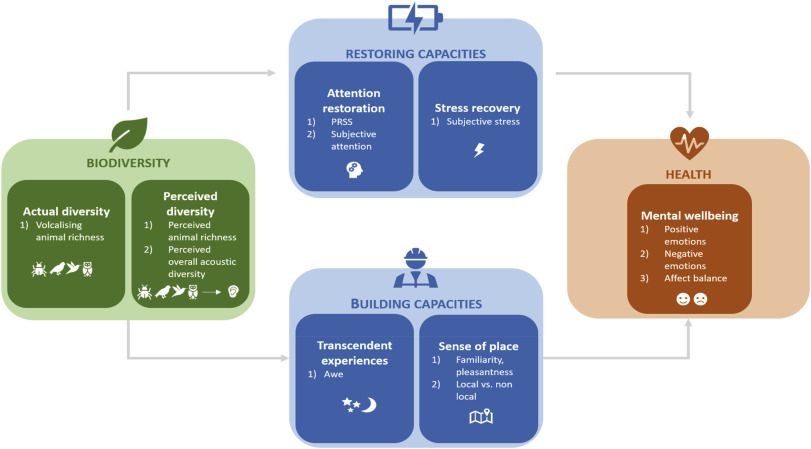
Resting in Moldova’s Codrii forests can be not just pleasant, but truly healing—and in some cases even more beneficial for mental health than traveling abroad. This conclusion is supported by the results of a new scientific study on the impact of natural sounds and biodiversity on human well-being.

Why the Codrii?

The study found that soundscapes of local forests have a stronger positive effect on the human psyche than the sounds of “exotic” natural environments. This means that for people living in Moldova, native forests—such as the Codrii—may be the most restorative.

Key findings:

  • Sounds of local forests improve mental well-being more than sounds of unfamiliar ecosystems
  • The greater the diversity of animals, the stronger the feeling of harmony and even awe
  • Perceiving rich wildlife is directly linked to improved mood
  • However, “chaotic” acoustic diversity (without understanding its meaning) can, on the contrary, create tension

In other words, it’s not just the number of sounds that matters, but their naturalness, familiarity, and connection to living nature.

Biodiversity is the key to inner calm

Humans are evolutionarily connected to their natural environment. The sounds of birds, insects, and rustling leaves create a sense of safety and belonging. That is why forests rich in biodiversity can:

  • reduce stress levels
  • improve concentration
  • restore emotional balance

The Codrii are one of the few regions in Moldova where relatively high species diversity is still preserved. This makes them not only ecologically valuable but also psychologically important for people.

Acacia plantations are good for firewood, but do they improve mental health?

It is important to address a separate issue relevant to the Republic of Moldova: the large-scale planting of acacia trees.

Although acacia is often used for rapid greening efforts, it is important to understand that monocultures are not real forests.

Such plantations:

  • have low biodiversity

  • create poor soundscapes

  • do not form a complete ecosystem

  • may cause a feeling of monotony in people

The study indirectly confirms this: when the sound environment is not perceived as “alive” and rich, it does not provide psychological comfort.

Implications for reforestation

If Moldova wants not just to “plant trees,” but truly restore nature and improve people’s quality of life, it is necessary to:

  • create mixed forests rather than monocultures
  • consider the diversity of plant and animal species
  • build resilient ecosystems
  • preserve local natural communities

Biodiversity is not a luxury—it is the foundation of both environmental and human health.

How the study was conducted

The experiment involved 195 students from Germany. They were asked to listen to recordings of forest soundscapes:

  • with low and high levels of animal sounds
  • from local (temperate) and non-local (tropical) forests

Researchers analyzed:

  • emotional responses
  • stress and well-being levels
  • sense of “place attachment”
  • perception of sound diversity

Main scientific conclusions:

  • Forests richer in animal sounds triggered stronger positive emotions
  • Local forests were perceived as more pleasant and restorative
  • Perceived biodiversity was more important than its objective level
  • Overly complex but “unfamiliar” sound environments reduced comfort

Researchers emphasize that it is not enough to increase diversity—it must be ecologically meaningful and perceptible to humans.


In conclusion, the Codrii are not just a green area on the map. They are a place where nature can truly heal—through sound, atmosphere, and biodiversity.

And perhaps the best отдых for Moldovans is not a flight to another country, but a return to their own nature.

🔗 Study link:
https://www.sciencedirect.com/science/article/pii/S0272494426001088

Beehive on the Balcony

Tag: Biodiversity

🍯 “Beehive on the Balcony” — a project of support and sustainability.

We are launching a social project that combines two key goals:
💛 helping people
🌱 financial sustainability of environmental projects

We are the team of Pădurea Noastră (Our Forest) from Moldova.
We organize environmental actions, educational programs, create media content, and protect the environment on a legal level.

Today, our capacity largely depends on external funding.
To grow sustainably, we are creating our own source of income — both ecological and social at the same time.


🐝 Why a beekeeping project?

We are launching an apiary that will become:
— a financial foundation for the organization
— a platform for environmental education
— a tool to support people

The apiary will be located in a clean natural area —
in the eco-settlement “Schiastlivoye,” in one of the homesteads near Moldova’s Codri forest 🌳

🐝 How does the project work?

We have created a format with a strong social impact:

👉 you make a donation
👉 we invest it in developing the apiary
👉 and distribute this year’s harvest as follows:

50% — for the development of environmental projects
50% — for vulnerable people in Moldova who need support:

Refugees
— single mothers
— large families
— elderly people
— people with disabilities

Cost of one hive is:

  • 175 euros or
  • 200 US dollars

💬 If you wish,
we can deliver honey to a specific person or family
you would like to support.

❓ Why is it called “Hive on the Balcony”?

We want to give urban residents the opportunity to have clean, natural products on their table without commercial markups —
as if the hive were right at their home.
Where exactly? On the balcony.

At the same time, through this project, we want to introduce people to eco-settlements and a nature-based lifestyle.

🌿 Why does it matter?

This is not just a donation.

It is a contribution that simultaneously:
— helps people here and now
— supports the development of our environmental projects 🌱

Products will be distributed throughout the year as they are harvested:
acacia honey, linden honey, wildflower honey,
as well as pollen, bee bread, and other bee products.


📊 Plans for this year

We plan to launch an apiary with 50 bee colonies.


🌱 About us

A.O. Pădurea Noastră (Our Forest) is an environmental and cultural organization in Moldova.

We combine:
— environmental protection activities
— educational projects
— cultural initiatives

👥 Our team includes 9 core members and more than 100 volunteers

More than 100 volunteers take part in large-scale activities:
forest clean-ups, tree planting, environmental projects,
as well as festivals of traditional culture and heritage,
where ecological awareness is integrated into cultural programs.

We also support eco-settlements in Moldova
and encourage moving from cities to rural areas.


📈 Our achievements:

• Over 20,000 kg of waste collected during 45 eco-actions (2022–2025)
• 10 “Clean Games” held with participation of 500 children and teenagers
• Illegal construction stopped in the Tsypova nature reserve
• Illegal logging and dumps identified
• Compensation secured for cutting down a fig garden in central Chișinău
• Organized the first environmental Reels blogging conference in Moldova

Why River Channelization and “Cleaning” Are a Mistake for Chișinău and Moldova (Research-Based)

Tag: Biodiversity

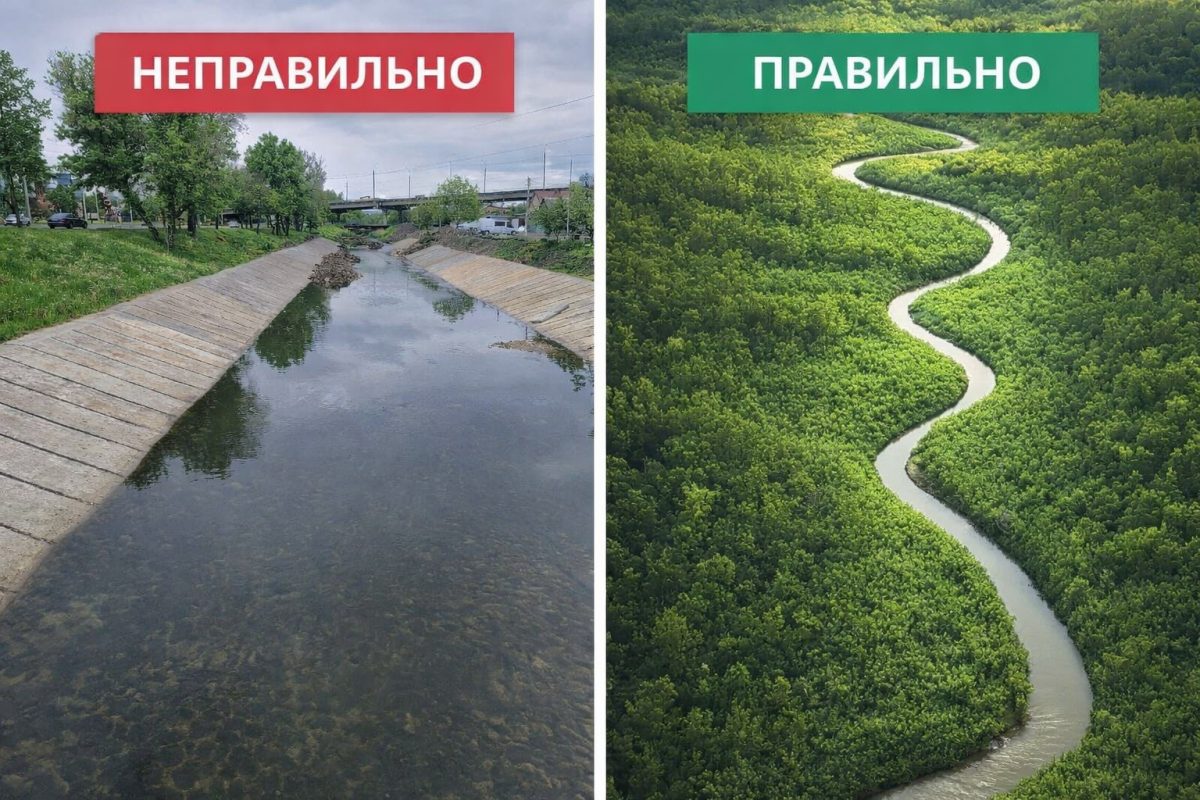
For decades, cities around the world—including Chișinău—have tried to “tame” rivers by encasing them in concrete and straightening their channels. It was believed that river canalization would prevent floods, improve drainage, and simplify urban development. However, modern research shows the opposite: concrete riverbeds do not solve the problem—they make it worse.

What happens when rivers are locked in concrete

Hydrological studies by the US Geological Survey as early as the 20th century (Leopold & Wolman, 1960) demonstrated that when a river is confined by concrete banks and its channel is straightened, the flow velocity increases sharply. The river effectively turns into a pipe.

The same process is happening with the Bîc River in Chișinău.

During heavy rainfall, water can no longer spread across the floodplain or be absorbed by vegetation and soils. Instead, it rushes downstream at dangerous speeds.

More recent studies (Brody et al., 2019, Journal of Environmental Management) confirm that cities with heavily channelized rivers suffer greater flood damage—especially under extreme rainfall events, which are becoming more frequent due to climate change.

Concrete does not absorb water, does not filter it, and does not cool the city. It only accelerates the flow and transfers the problem further downstream.

Why are rivers “cleaned” if they flowed naturally for thousands of years?

The core problem is not the rivers themselves, but their straightening.

During the Soviet period, many river sections were straightened to expand agricultural land and to build highways, railways, and other infrastructure.

Today, “cleaning” 1 km of a river in Moldova costs between 800,000 and 1.5 million lei. And these works must be repeated again and again—the costs never end.

The only sustainable solution is restoring river meanders, not further deepening and straightening channels.

Why are rivers naturally meandering?

Rivers meander because this is nature’s way of dissipating water energy and balancing bank erosion with sediment deposition on floodplains.

Meanders:

  • slow down the flow,

  • reduce the risk of catastrophic floods,

  • support floodplain ecosystems.

Straightening rivers, by contrast, accelerates flow, dries out floodplains, destroys ecosystems, and shifts flood risk downstream.

What natural rivers do—and why it works

Rivers with natural banks, vegetation, and floodplains behave very differently.

The Intergovernmental Science-Policy Platform on Biodiversity and Ecosystem Services (IPBES, UN, 2019) shows that restored riverbanks, wetlands, and floodplains can:

  • reduce flood peaks by 20–40%,

  • slow water flow,

  • recharge groundwater,

  • filter pollutants before they enter the river.

This is exactly what the Bîc River and many small rivers of Moldova—including the Răut River and its tributaries—are lacking today.

Nature is cheaper than concrete

According to the World Bank (2019), every 1 euro invested in nature-based and sustainable infrastructure saves up to 4 euros in disaster recovery costs.

The OECD (2020) emphasizes that:

  • concrete solutions require constant repairs,

  • their costs increase with every extreme flood,

  • they adapt poorly to changing climate conditions.

For Chișinău, this means millions of lei spent not on urban development, but on dealing with the consequences of outdated approaches.

Restored rivers bring life back

Research by Palmer et al. (2010, Science) shows that river restoration leads to:

  • the return of fish,

  • increased bird populations,

  • recovery of pollinators,

  • improved water quality within 3–5 years.

For the Răut River and its tributaries, this is a real chance to restore ecosystem functions lost due to channel straightening, removal of riparian vegetation, and agricultural pressure.

River corridors are natural air conditioners for cities

Green zones along rivers are not a luxury—they are a climate necessity.

According to Urban Climate research (Gunawardena et al., 2017), green river corridors:

  • reduce air temperatures by 1–3°C,

  • mitigate the urban heat island effect.

For Chișinău, which increasingly suffers from summer heat, restoring the Bîc River is a matter of public health and comfort.

The world is changing its approach—Moldova should too

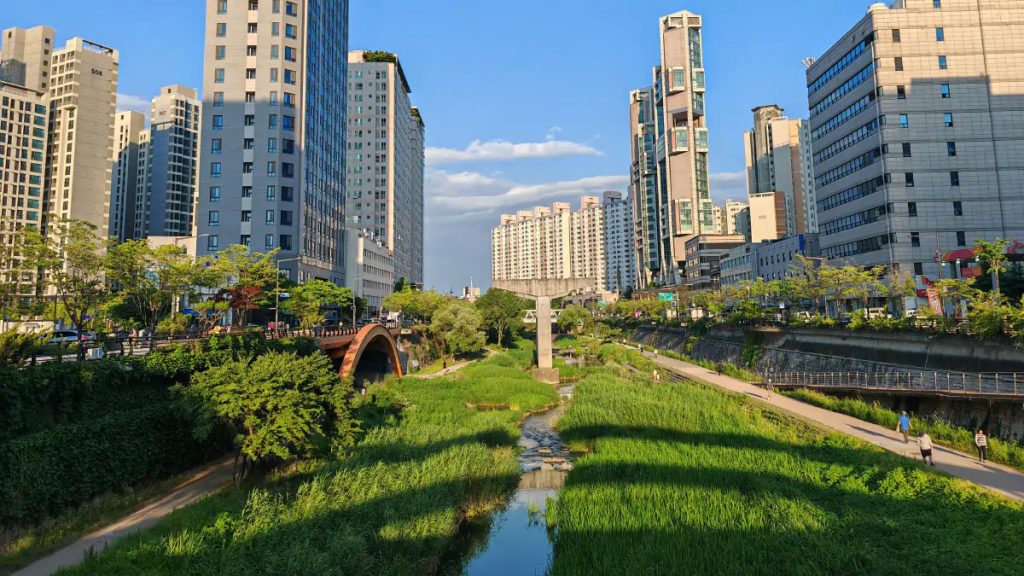
Around the world, cities are moving away from concrete:

  • Germany and the Netherlands implement the “Room for the River” policy,

  • Seoul removed concrete and restored the Cheonggyecheon River,

  • France is investing heavily in the renaturalization of small rivers.

European Ecovillage Gathering 2025: Ukraine Proposes a New Model for Unity — Care for the Earth!

Tag: Biodiversity

The European Ecovillage Gathering 2025 once again confirmed its status as the main forum for those seeking alternatives to conventional models of society.

Hundreds of participants from 15 European countries came together to share experiences, discuss the future of eco-living, and explore how ecovillages can respond to global challenges — from the climate crisis to social upheavals.

A central part of the event was the meeting of national ecovillage network leaders. Here, participants discussed not only ecological practices but also the strategic development of movements in different countries. “Strong settlements do not always mean strong networks. These are different levels of coordination and organization of processes,” participants noted.

A key element was the discussion on unifying values. The Ukrainian network presented its own concept — “In Earth we trust.” As explained by GEN Ukraine leader Maksym Zalevskyi, “we are united by care for the Earth. This is something on which there are no contradictions within our network.” This vision — regeneration of the land as the foundation for restoring communities and people — resonated as particularly relevant in Europe.

“Not all networks today have a clear direction. Far from all of the 15 countries have achievements to share. The strongest remain mostly the Western networks,” Zalevskyi admitted.

Despite the hardships of war and the crisis of civil society, the Ukrainian experience earned respect from colleagues. “We maintained the activity of our network. Our weekly Wednesday calls have not lost momentum. People want to move forward with us. I said that I am proud that, despite everything, we preserved the multiculturalism, inclusiveness, and ideological biodiversity of our network. This is what I see as a true European value,” he added.

Meanwhile, the development of ecovillages in Moldova is not as intensive as in some European countries or even neighboring Ukraine. This is why there is hope that the state will pay more attention to this issue. Such settlements foster conscious communities, restore the connection with nature, stimulate local economies, and create sustainable living models that can be adapted to different conditions. Their development helps prepare people for future challenges and strengthens the social and ecological resilience of the country.

Eco-Settlement VS Village! A Shocking Difference in Environmental Friendliness

Tag: Biodiversity

Environmental student Vladislav Sanduleac from UTM (Agrarian Campus) shared the results of his research conducted as part of his coursework. His conclusions turned out to be unexpected even for himself.

“I’ve been under the impression of my findings for a week now since finishing my coursework. I’m especially pleased with the knowledge I’m gaining at the university. It turns out that ecology is a very precise science that allows us to evaluate the state of the environment in numbers and coefficients, and accurately determine the degree of pollution and ways to solve problems,” said Vladislav.

According to the student, thanks to this knowledge he realized how much the profession of an ecologist is in demand in the modern world:

“For any village or business, it is possible to create an environmental project that can help attract funding to improve the living environment. It’s a real tool for change.”

Vladislav also highlighted the importance of training at UTM:
“I advise young people to pay attention to this field. The university has retained a strong teaching staff that continues the best traditions of the former Agrarian University,” he emphasized.


Village: Numbers That Shock

The main theme of Vladislav’s coursework was the study of the environmental situation of a Moldovan village. The results were surprising.

“You’d think that a village is about nature and ecology. But when I started calculating the indicators, the picture turned out to be completely different,” the student shared.

He found that a typical village with 1,000 households produces about 700 tons of manure per year.
“This could become valuable fertilizer if a composting system worked. But in reality, most of the manure ends up in the soil and pollutes well water. Part of it is taken to landfills, where it mixes with plastic and chemicals, poisons the soil, and often smolders or burns,” Vladislav explained.

The situation is worsened by the uncontrolled use of pesticides, which leads to mass deaths of bees.

“The village lacks biodiversity: there are mainly fruit trees, walnut trees, and gardens. Forest plants and animals simply have nowhere to live. Deep plowing and the absence of shelterbelts contribute to erosion — fertility is carried away by wind and rain,” he added.


Eco-Settlement: European Standards on Moldovan Soil

Comparing the situation to an eco-settlement, Vladislav saw a fundamentally different picture.

“An eco-settlement of 40 hectares, where about 20 families manage plots ranging from 1 to 2.7 hectares, became for me an example of harmony with nature,” he noted.

According to him:
Two-thirds of each plot’s area is occupied by permaculture forest gardens, where biodiversity thrives, including species from the Red Book.

The soil is not plowed and is protected by vegetation from erosion. On some plots, terracing has been applied, and aquatic ecosystems have been created for birds and fish.

There are no landfills or large cattle in the settlement, so there is no soil pollution from waste.
No pesticides or chemicals are used — natural fertilizers and bio-organisms are applied.
Beekeeping is developed, which has a positive effect on plant pollination.

“This example embodies the highest European standards: in climate change adaptation, biodiversity enhancement, and the greening of human life. This experience needs to be studied and spread throughout the country,” believes Vladislav Sanduleac.

Ecological Settlement in Moldova: An Example for the Entire Country

Tag: Biodiversity

In today’s context, as the issue of sustainable development and environmental protection becomes increasingly relevant, academic circles are producing studies that describe unique examples of successful implementation of ecological projects.

One such example is the ecological settlement in Codreanca commune, Strășeni district, described in detail in the year project of Vladislav Sanduleac, an ecology student at the Technical University of Moldova (“The characteristics of environmental components and protection measures for certain resources in Codreanca commune, Strășeni district”, 2025).

According to the author’s research, the ecological settlement project in Codreanca was initiated in 2003. Today, on an area of 40 hectares, about 20 families manage homesteads based on the principles of permaculture and biodiversity restoration. Each family owns between 1 and 2.7 hectares of land, creating so-called homesteads that combine traditional agricultural practices with modern ecological approaches.

The ecology student explains the scientific origin of the term “ecological settlement”: “The term Ecological Settlement was introduced into scientific discourse by Professor George Ramsey of the Georgia Institute of Technology in his 1978 presentation ‘Application of Passive Energy for the Artificial Environment’ at the First World Energy Conference, organized by the Association of Energy Engineers. Ramsey argued that the problems related to excessive energy use are not about technology, but about the lifestyle of the population.”

In his work, Vladislav Sanduleac also presents some historical data about the development of ecological settlements in Moldova and worldwide: “In 1991, the Global Ecovillage Network (GEN) was created. In 2001, GEN obtained special consultative status with the UN Economic and Social Council (UN-ECOSOC) and became a partner of the United Nations Institute for Training and Research.”

“Today, various countries have enacted laws that encourage the development of ecological settlements, and over 10,000 such settlements have been registered under cooperative, biodiversity protection, non-profit, and urban planning legislation in Europe, America, and Australia. In addition, in Russia, in 2013, the Belgorod region adopted a regional law on family homesteads that regulates the free allocation of 1-hectare land plots for a period of 49 years for the creation of sustainable family farms,” explains the author.

Vladislav Sanduliac also provides some data: “In the territory of the ecological settlement in Codreanca commune, over the course of 20 years, plots with permaculture forest-gardens have formed, where plantations cover between 15% and 60% of the land, matching the best afforestation rates in European countries. No pesticides or chemical fertilizers are used, beekeeping is actively developing, and organic waste is composted and used as fertilizer.”

Special attention in the project is given to the conservation and increase of local species of flora and fauna. The territory of the settlement has become a refuge for pheasants, quails, hares, hedgehogs, as well as rare plant species listed in Moldova’s Red Book.

An equally important aspect, according to Vladislav Sanduleac, is the use of solar energy: solar power stations have been installed on the territory, ensuring the settlement’s energy autonomy.

The analytical part of the study highlights that the ecological settlement in Codreanca fully complies with international environmental conventions, including the Convention on Biological Diversity and the UN Framework Convention on Climate Change. Moreover, the project is part of the Global Ecovillage Network, which confirms its international recognition.

In his work, Vladislav Sanduleac formulates concrete recommendations for the Codreanca village administration. The experience of the ecological settlement in Codreanca commune can serve as a foundation for similar initiatives across Moldova, contributing to nature restoration, the development of the green economy, and the formation of new environmental awareness in the country. For Codreanca, it can also be the basis for the development of ecological tourism.

This project demonstrates that sustainable development is possible even in small rural communities if the efforts of residents, local authorities, and the ecological community are united.

The full version of the study can be consulted at the link:

drive.google.com

How Moldova Can Learn from European Experiences in Combating Climate Change

Tag: Biodiversity

The European Union has a positive influence on the Republic of Moldova, including in the field of environment and climate change.

This includes both political and technical assistance. Moldova does not have to act alone. It is appropriate to adopt European practices in the transition from a pollution-based, fossil fuel-dependent economy to a green and sustainable economy.

These statements were made by the national co-leader of the Green Agenda Project, Iordanca Rodica Iordanov, during the debate titled: “The readiness of the population and its willingness to support initiatives for Moldova’s green transition”, as reported by IPN.

“A green transition would mean adopting these experiences and also the regulatory and technical frameworks, adapted to Moldova’s context. We cannot copy them exactly, as we have our own national, geographical, and climatic particularities,” stated Iordanca Rodica Iordanov. She added that with the financial resources currently available, the Republic of Moldova will not be able to cope with this process—or will manage, but over a very long period. Under these circumstances, European support is essential. The EU supports Moldova in this process through various means, including grants and loans, the expert noted.

The lack of forests, according to Iordanca Rodica Iordanov, has a decisive impact on climate change. That is why a balance must be found between human comfort and the protection of ecosystems. When forests are cut down, it increases the risk of landslides, droughts, and torrential rains.

“There is also a noticeable trend nowadays. Every time there is an energy crisis, it is declared that there is not enough firewood and that citizens must be supported—so tree cutting is permitted. This approach is not constructive and does not support environmental protection or the reduction of climate change impacts,” emphasized the national co-leader of the Green Agenda Project.

During the debate, the results of a study conducted in the Republic of Moldova over six months were presented. 82% of respondents consider deforestation to be the main cause of climate change. 57% of those surveyed believe that both natural factors and human activity contribute to climate change.

The study was developed as part of the “Green Agenda” project implemented by the Stockholm Environment Institute and funded by the Swedish International Development Cooperation Agency, with AO EcoContact as the national implementing partner.

Eco-activists demand accountability in forest restoration projects

Tag: Biodiversity

Moldova is about to receive 200 million euros for forest planting, and there are only two possible outcomes: either we become a beautiful, prosperous European country, or we’ll see neither the forests nor the money.

This opinion was expressed by eco-activist Vladislav Sandulyak, one of the leaders of the “Camp of Mother Earth” team and a student at the Faculty of Ecology at the Technical University of Moldova, as reported by Noi.md.

He noted that the audit reports of the Court of Accounts give strong reasons to doubt the activities of Moldsilva.

The most recent report points out issues such as: violations in the distribution of subsidies; lack of transparency and oversight; irregularities in the authorization of logging; non-transparent pricing; violations in the distribution of firewood; exceeding established limits; flaws in the pricing methodology; and breaches in the subsidy allocation mechanism.

“Illegal logging is a separate story altogether. The latest offenders who stole forest resources worth 2–4 million lei were fined just 67,500 lei. That means the state has created favorable conditions for forest theft, especially when foresters are paid miserable wages. I dare to say that if all these violations exist, they will also affect the 200 million euros in European credit funds,” emphasized the eco-activist and student.

According to him, such cases have already been reported in the press during sapling planting. For example, auditors visited the Vadul-lui-Vodă forestry district, where documents claimed 1,866 acacia trees had been planted on 0.8 hectares. However, auditors suspected that the work was not done. They presented slides with photos showing grass and trampled shrubs instead of forest and trees.

“Logically, it should be the minister’s job to restore order in the institutions under his authority, but instead, the minister is actively defending the Moldsilva agency, even recording videos to ‘debunk fakes’. In one of his videos, he holds up some papers, claiming they are permits for legal logging and saying the documents will be uploaded to Moldsilva’s website within a week. A month has passed — and the documents are still missing. Maybe some experts can explain why these documents aren’t made publicly available, or maybe the minister himself can clarify this?” said Vladislav Sandulyak.

He also pointed out that the agency’s website references its last study from 2010.

“As far as I understand, in light of global climate change, it is necessary to conduct a new study to determine exactly how much forest we can afford to cut and how much must be preserved due to global shifts. But Moldsilva is most likely still working under old Soviet systems, where the priority of state logic was to increase production and extract resources — not to adapt to drought. Maybe we can find experts or ask the minister whether the ministry plans to study recent climate trends and adjust logging accordingly to combat heat and drought?” asked the eco-activist.

According to him, if authorities claim they plan to plant many trees as a solution, it is already too late. The trees they plant now will yield results only decades from now.

“But we need action yesterday! That’s why preserving old trees — which are already providing shade and retaining soil moisture — is the only effective way to combat drought today, not 30 years from now,” emphasized Vladislav Sandulyak.

What is the secret of old trees?

Tag: Biodiversity

Last spring, the government of Moldova approved a new Forest Code, and in the summer, everyone was caught off guard by an extreme heatwave. This summer, record heat and drought are also being forecast. What in this new code protects us from heat and drought? Nothing…

Last spring, the government of Moldova approved a new Forest Code, and in the summer, everyone was caught off guard by an extreme heatwave. This summer, record heat and drought are again being forecast. What in this new code protects us from heat and drought? Nothing…

It turns out that the code was not written to counter the looming climate change, but to comply with new European standards.

European standards are not bad, but they are too small for us. In some European countries, forests cover 75% of the territory, while in our country — only 11%, the worst indicator in Europe. That’s why the advice of Europeans should be boldly multiplied several times, and we must create braver laws that will truly restore our forests and help fight climate change — not just adopt laws to check a box for the European Commission.

The boldest decision for Moldova, as many experts have repeatedly stated, is a complete ban on logging.

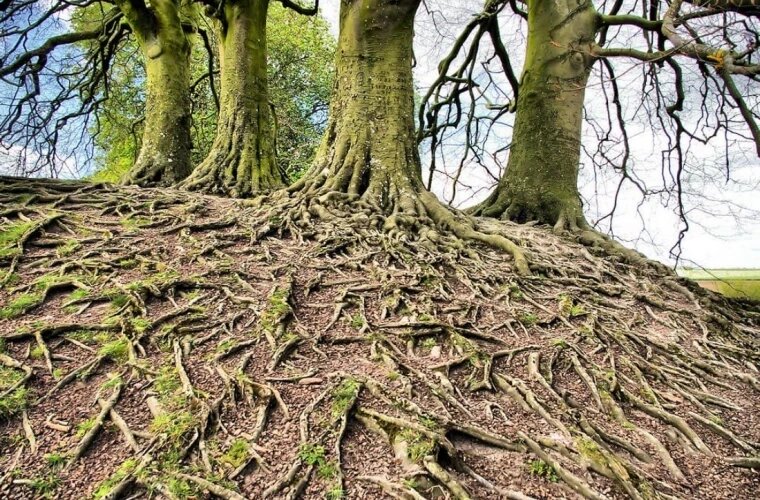
Biologist Valeriu Arvat explained to us the crucial role of the deep roots of old trees in preserving moisture in the soil and combating drought.

There are hardly any of these old trees left — the ones capable of saving the land from drought. Foresters are cutting trees too quickly, and the so-called “mature trees” are getting younger and younger.

So, what is the secret of old trees? Trees are like massive pumps that draw water from the lower layers of the soil to the upper ones. They also act as reservoirs that can retain moisture in the upper soil layers from rainfall. Young trees, unlike old ones, simply consume water from the soil, but only old trees are capable of pulling it upward and holding it near the surface.

The fact is that trees, like all living things on the planet, are made of carbon, and according to biologist Valeriu Arvat, every molecule of carbon can retain up to four molecules of water. By studying the relationship between soil composition and plant health using the method of American doctor Carey Reams, this Moldovan expert achieved high-quality and nutrient-rich fruits in agriculture.

Biologists know that for a plant to perform photosynthesis, it needs three things: water, carbon dioxide (CO₂), and energy (sunlight). As a result, trees produce sugars (glucose) and release oxygen (O₂) for humans.

For example, to build one molecule of glucose, 12 atoms of hydrogen are needed. Hydrogen enters the plant through water via the roots. Therefore, for a plant to grow, it must absorb and retain water.

According to Valeriu Arvat, small plants are unable to draw water from the deep layers of the soil, and if the upper layers dry out, the plant dries out as well. Only old, century-old trees can lift water to the upper layers of the soil, thus providing life-giving moisture to younger plants and even replenishing human springs and wells. In addition, old trees have denser crowns that better shade the soil and prevent excessive evaporation of moisture.

But because almost no old trees remain in Moldova’s 11% forested area, we are at the very beginning of a serious climate collapse. And to prevent Moldova from turning into an African desert, we must impose a complete ban on logging for many years, so that century-old trees with deep root systems can return.

Below is an important informational note. Maybe members of the government will read it, write proper laws, and then Moldova’s small rivers will fill up again, the Dniester will deepen, and we will stop suffocating from excessive heat.

Mechanism of capillary water rise:

  1. Some trees, especially those growing in arid or semi-arid regions, have roots that can reach significant depths, sometimes even reaching groundwater. These are called taproots or deep roots.

  2. These roots can extract water from deep soil layers where the roots of other plants cannot reach. This is especially important during droughts when the upper soil layers dry out.

  3. Trees with deep roots can release part of the absorbed water into the upper soil layers through their surface roots. This process is called hydraulic redistribution.

  4. The water released by the tree into the upper soil becomes available to other plants with shallower roots. This is vital in ecosystems with high competition for water.

  5. Hydraulic redistribution helps maintain the microclimate and biodiversity, ensuring access to water for understory and other plants that cannot reach deep water sources.

  6. Studies show that in arid regions, up to 30% of the water absorbed by a tree’s deep roots can be redistributed to the upper soil layers, improving the ecosystem’s water balance. For example, oaks with deep roots support many other plant species, especially during summer when surface water disappears.

Vladislav Sanduleac,
eco-activist