Starry Sky Homestead

Tag: environmental education

Family Homestead & Ecological Creative Space, Schastlivoe (Happy) Ecovillage, Republic of Moldova.

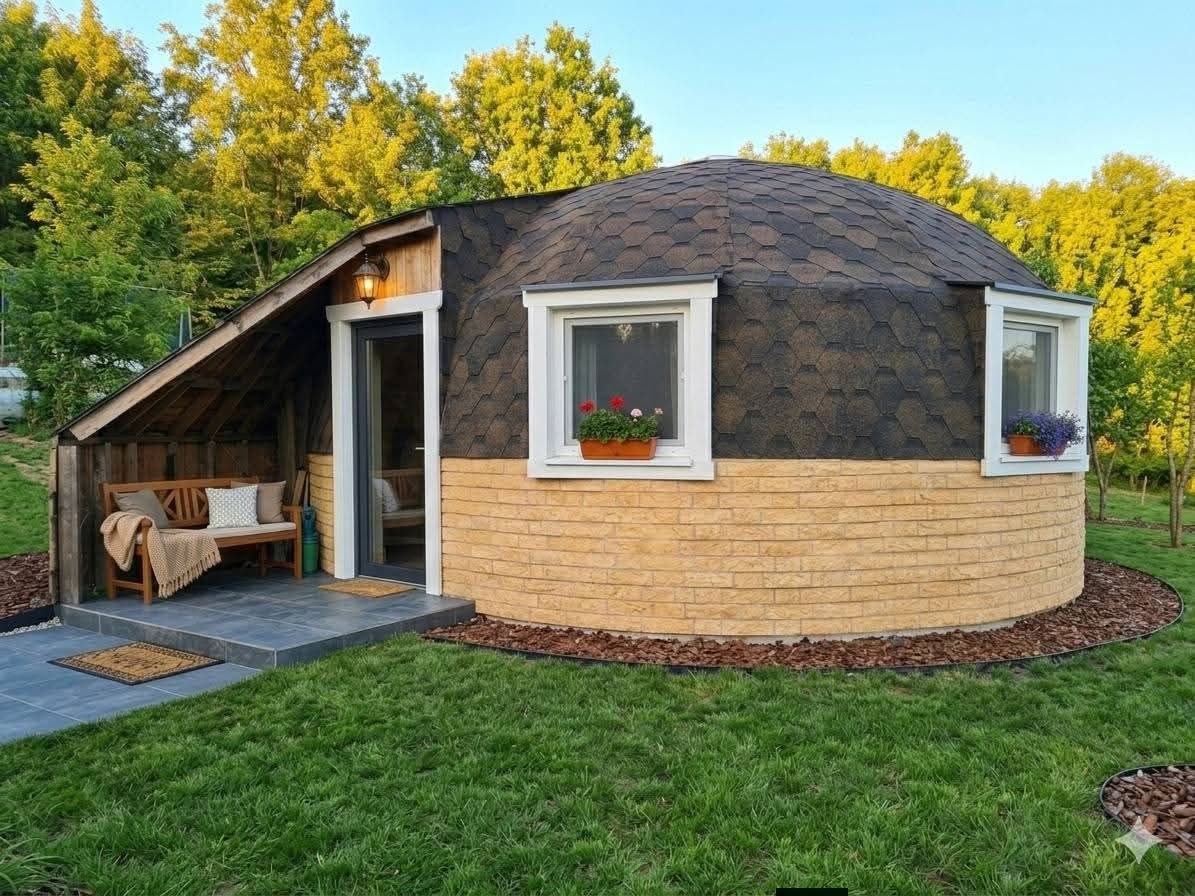
Starry Sky Homestead is a family project inspired by a love of nature, creativity, community and a more conscious way of living. It is a place where ecological ideas meet art, traditions and the simple joys of rural life.
Our place and our story

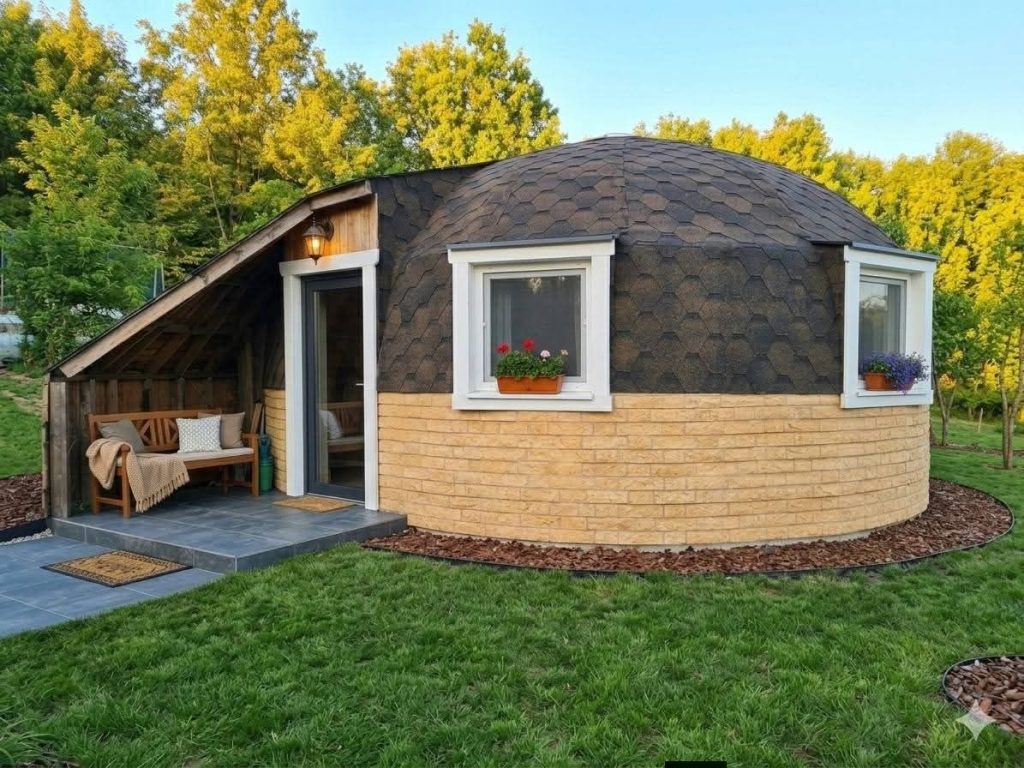
Starry Sky Homestead is our family space, created around the idea of living in harmony with nature. We believe that a homestead can be more than just a place to live. It can become a space for learning, sharing experiences, creating things together and building meaningful relationships between people.

Our inspiration comes from permaculture, ecological thinking, traditional rural culture and the desire to reconnect people with the land.
Permaculture and living with nature

We explore ways of creating a sustainable and diverse homestead based on permaculture principles. Working with the land, growing plants, observing natural processes and creating habitats for biodiversity are important parts of our everyday life.

We are interested in combining traditional knowledge with ecological practices, developing a living landscape where people, plants, animals and ecosystems coexist.
Art, creativity and cultural exchange

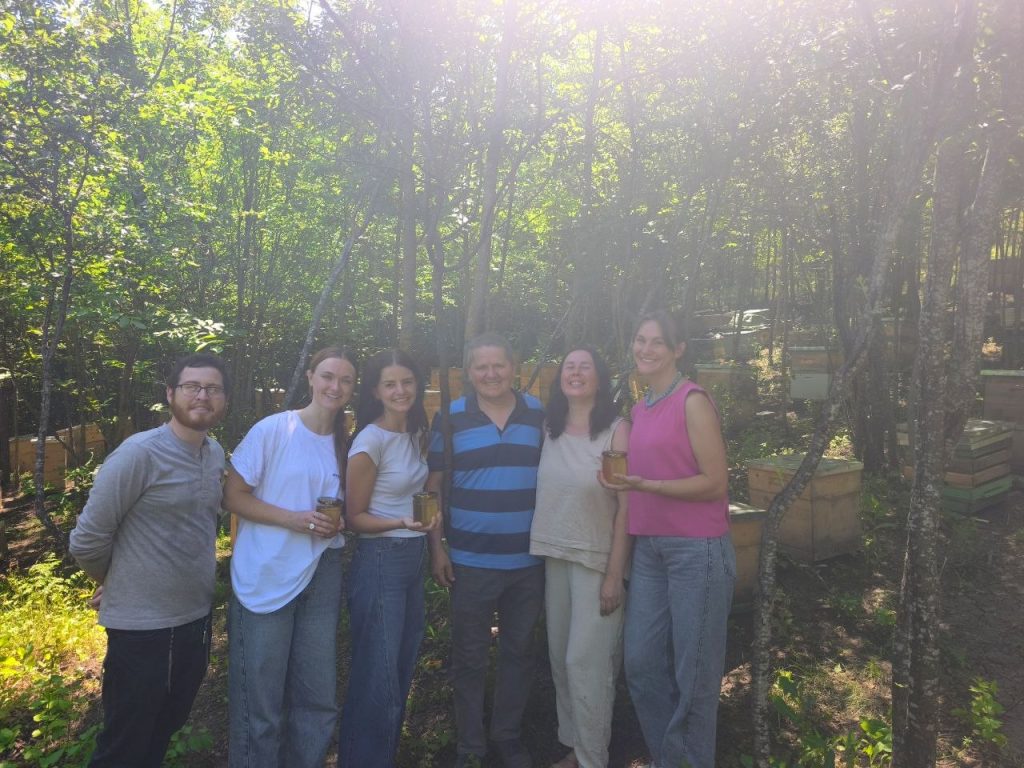
We see the homestead as a meeting place for artists, educators, researchers and creative people.

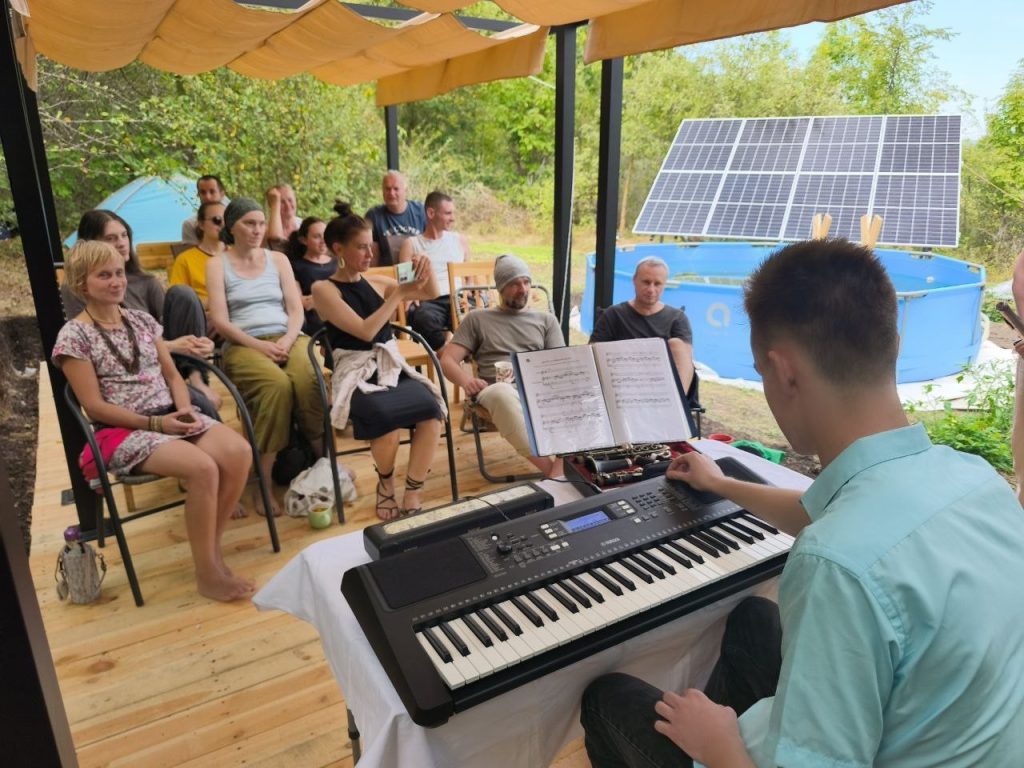
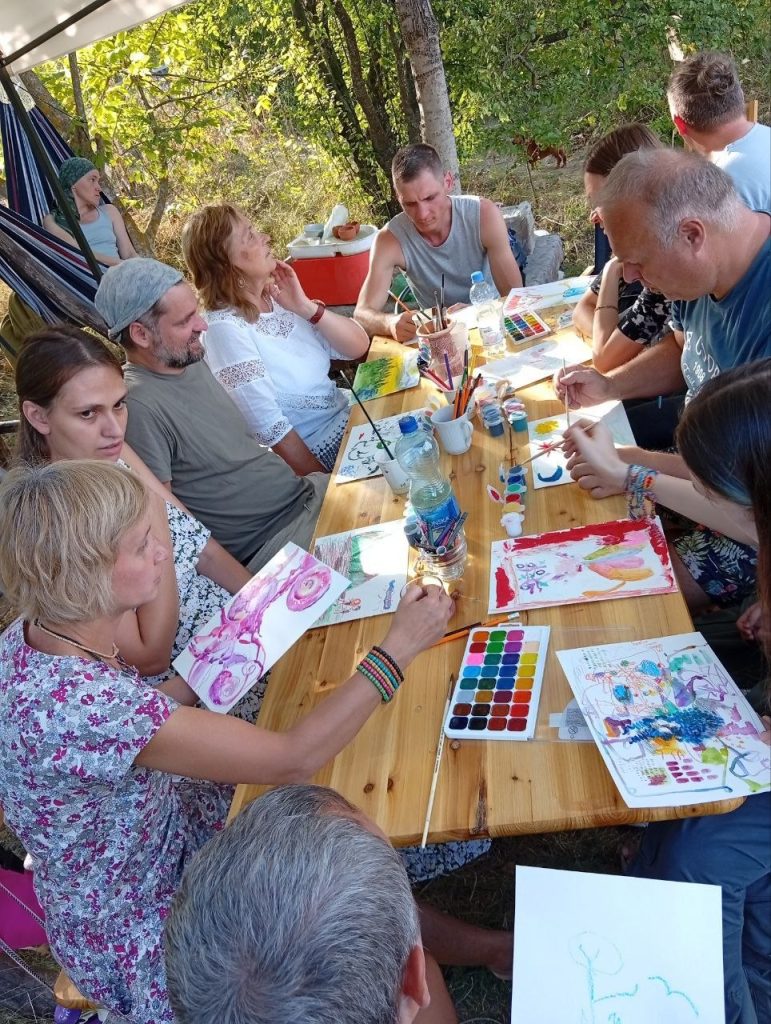
Art residencies, workshops, cultural exchanges and creative experiments can bring new ideas and connections to rural communities. We want to create opportunities for people from different backgrounds to meet, share their experiences and work together.
Festivals and gatherings

We believe in the power of coming together.

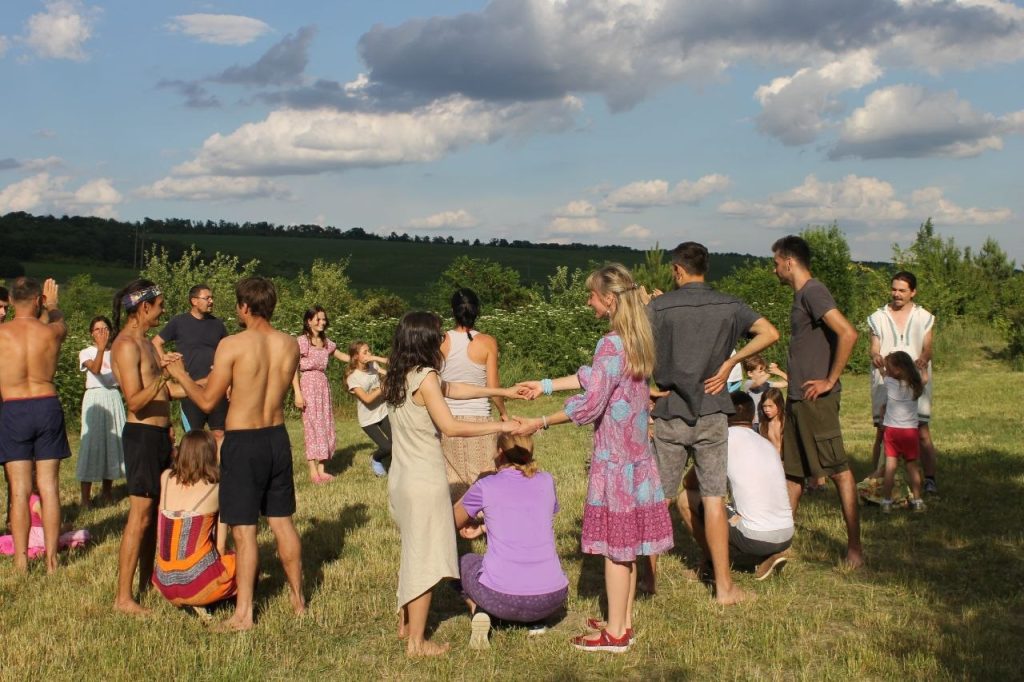
Small festivals, music, traditional dances, community gatherings and shared celebrations can make rural life more vibrant and meaningful.

We want to create a welcoming space where people can meet, exchange ideas, enjoy nature and rediscover the joy of being part of a community.
Water, landscape and biodiversity

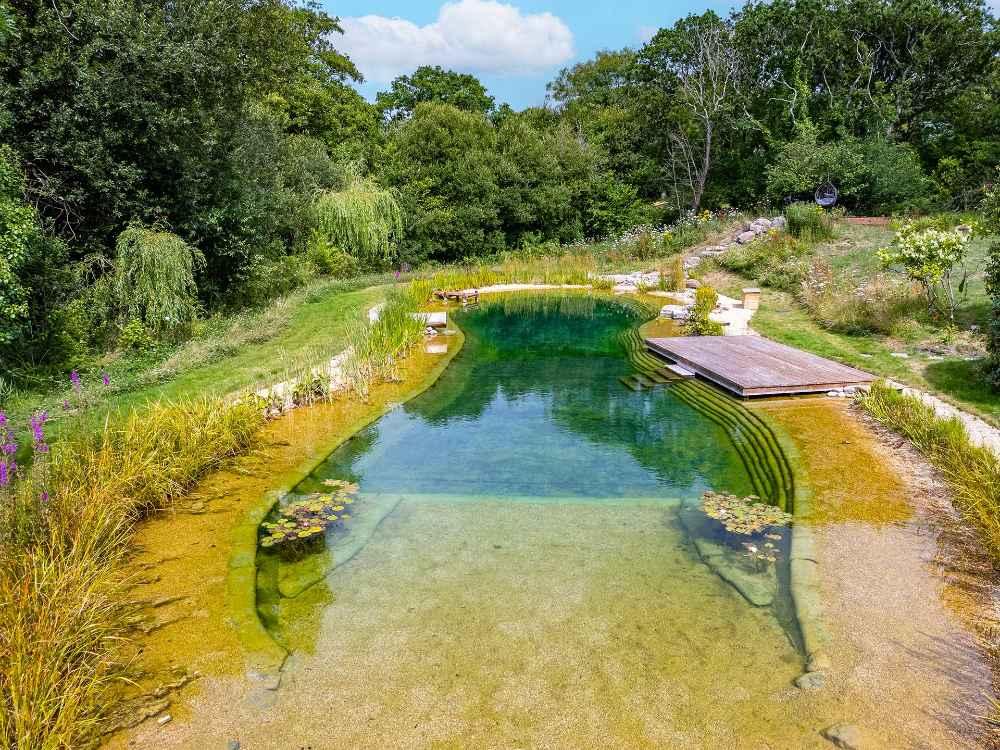
Water is an essential element of a living landscape. We dream of creating a small natural pond surrounded by diverse vegetation, providing space for wildlife and a peaceful place for people.

Our vision is to develop a landscape that supports biodiversity, improves the local environment and brings people closer to nature.
Education, hospitality and shared experiences

We would like Starry Sky Homestead to become a place for educational activities, practical workshops, ecological learning and hospitality.

Our future vision includes a multifunctional space for meetings and workshops, guest cabins, an outdoor area for dancing and celebrations, and places for creative work and relaxation.

We want to welcome people who are interested in ecology, permaculture, art, rural culture and alternative ways of living.
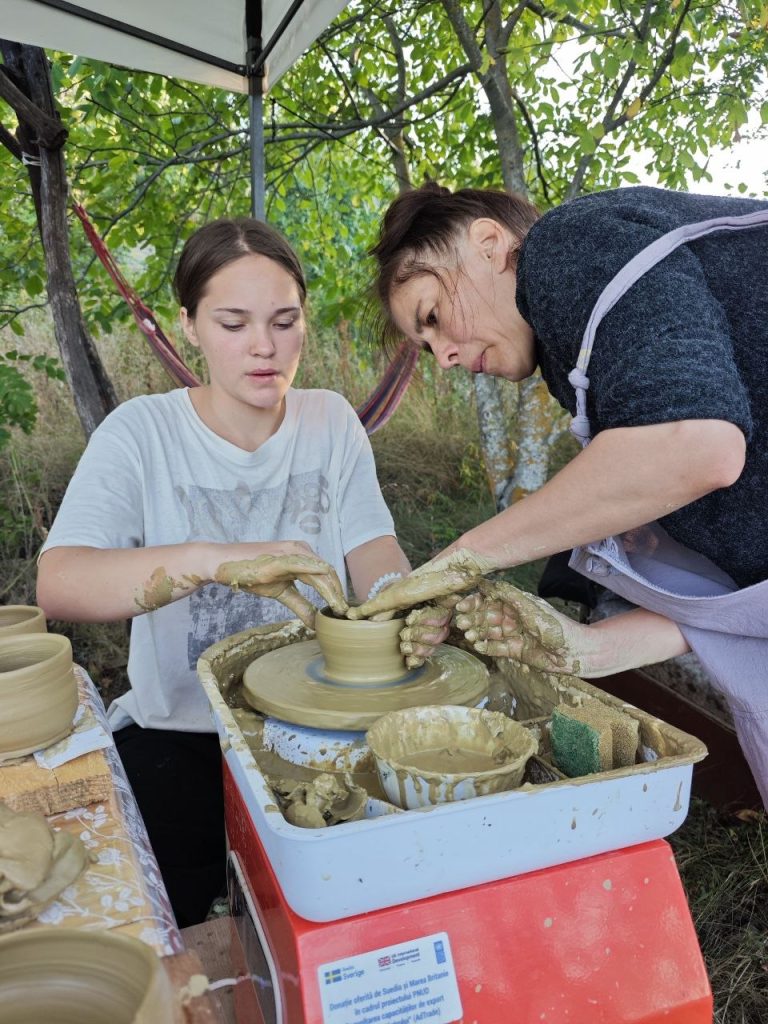
A place to grow together

Starry Sky Homestead is an evolving family project. We are not trying to create a perfect place. We are interested in the process itself — learning, experimenting, making mistakes, growing and sharing what we discover along the way.

We believe that small places can inspire big changes, and that a more sustainable future begins with the way we relate to the land and to each other.

Welcome to Starry Sky Homestead!
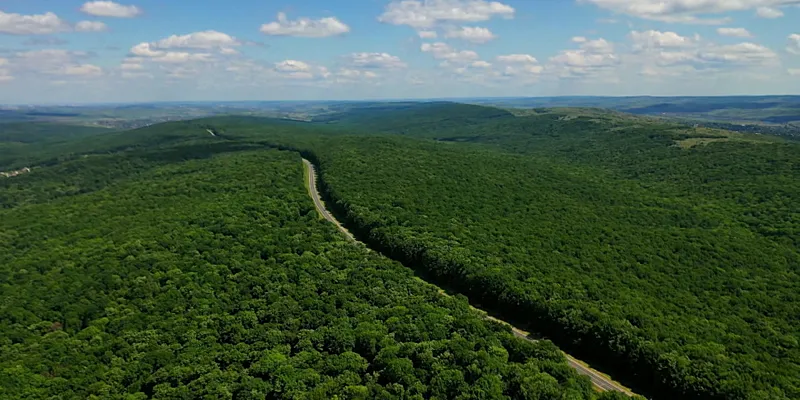
For Moldovans, the best place for recreation is the Codrii and their biodiversity (Study)

Tag: environmental education

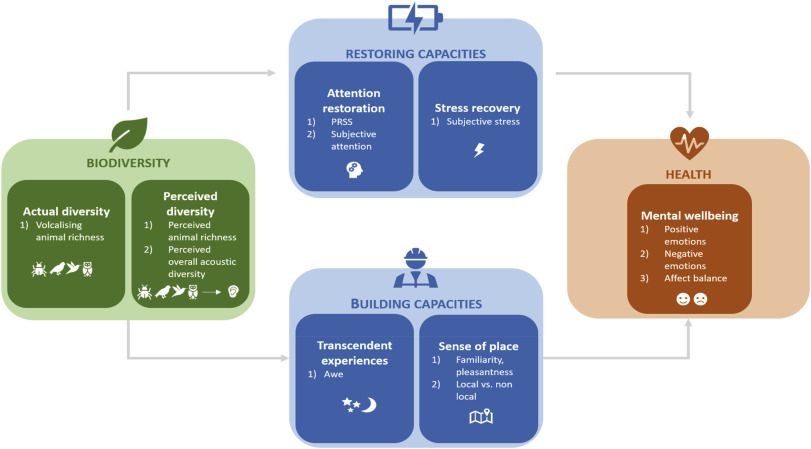
Resting in Moldova’s Codrii forests can be not just pleasant, but truly healing—and in some cases even more beneficial for mental health than traveling abroad. This conclusion is supported by the results of a new scientific study on the impact of natural sounds and biodiversity on human well-being.

Why the Codrii?

The study found that soundscapes of local forests have a stronger positive effect on the human psyche than the sounds of “exotic” natural environments. This means that for people living in Moldova, native forests—such as the Codrii—may be the most restorative.

Key findings:

  • Sounds of local forests improve mental well-being more than sounds of unfamiliar ecosystems
  • The greater the diversity of animals, the stronger the feeling of harmony and even awe
  • Perceiving rich wildlife is directly linked to improved mood
  • However, “chaotic” acoustic diversity (without understanding its meaning) can, on the contrary, create tension

In other words, it’s not just the number of sounds that matters, but their naturalness, familiarity, and connection to living nature.

Biodiversity is the key to inner calm

Humans are evolutionarily connected to their natural environment. The sounds of birds, insects, and rustling leaves create a sense of safety and belonging. That is why forests rich in biodiversity can:

  • reduce stress levels
  • improve concentration
  • restore emotional balance

The Codrii are one of the few regions in Moldova where relatively high species diversity is still preserved. This makes them not only ecologically valuable but also psychologically important for people.

Acacia plantations are good for firewood, but do they improve mental health?

It is important to address a separate issue relevant to the Republic of Moldova: the large-scale planting of acacia trees.

Although acacia is often used for rapid greening efforts, it is important to understand that monocultures are not real forests.

Such plantations:

  • have low biodiversity

  • create poor soundscapes

  • do not form a complete ecosystem

  • may cause a feeling of monotony in people

The study indirectly confirms this: when the sound environment is not perceived as “alive” and rich, it does not provide psychological comfort.

Implications for reforestation

If Moldova wants not just to “plant trees,” but truly restore nature and improve people’s quality of life, it is necessary to:

  • create mixed forests rather than monocultures
  • consider the diversity of plant and animal species
  • build resilient ecosystems
  • preserve local natural communities

Biodiversity is not a luxury—it is the foundation of both environmental and human health.

How the study was conducted

The experiment involved 195 students from Germany. They were asked to listen to recordings of forest soundscapes:

  • with low and high levels of animal sounds
  • from local (temperate) and non-local (tropical) forests

Researchers analyzed:

  • emotional responses
  • stress and well-being levels
  • sense of “place attachment”
  • perception of sound diversity

Main scientific conclusions:

  • Forests richer in animal sounds triggered stronger positive emotions
  • Local forests were perceived as more pleasant and restorative
  • Perceived biodiversity was more important than its objective level
  • Overly complex but “unfamiliar” sound environments reduced comfort

Researchers emphasize that it is not enough to increase diversity—it must be ecologically meaningful and perceptible to humans.


In conclusion, the Codrii are not just a green area on the map. They are a place where nature can truly heal—through sound, atmosphere, and biodiversity.

And perhaps the best отдых for Moldovans is not a flight to another country, but a return to their own nature.

🔗 Study link:
https://www.sciencedirect.com/science/article/pii/S0272494426001088

Beehive on the Balcony

Tag: environmental education

🍯 “Beehive on the Balcony” — a project of support and sustainability.

We are launching a social project that combines two key goals:
💛 helping people
🌱 financial sustainability of environmental projects

We are the team of Pădurea Noastră (Our Forest) from Moldova.
We organize environmental actions, educational programs, create media content, and protect the environment on a legal level.

Today, our capacity largely depends on external funding.
To grow sustainably, we are creating our own source of income — both ecological and social at the same time.


🐝 Why a beekeeping project?

We are launching an apiary that will become:
— a financial foundation for the organization
— a platform for environmental education
— a tool to support people

The apiary will be located in a clean natural area —
in the eco-settlement “Schiastlivoye,” in one of the homesteads near Moldova’s Codri forest 🌳

🐝 How does the project work?

We have created a format with a strong social impact:

👉 you make a donation
👉 we invest it in developing the apiary
👉 and distribute this year’s harvest as follows:

50% — for the development of environmental projects
50% — for vulnerable people in Moldova who need support:

Refugees
— single mothers
— large families
— elderly people
— people with disabilities

Cost of one hive is:

  • 175 euros or
  • 200 US dollars

💬 If you wish,
we can deliver honey to a specific person or family
you would like to support.

❓ Why is it called “Hive on the Balcony”?

We want to give urban residents the opportunity to have clean, natural products on their table without commercial markups —
as if the hive were right at their home.
Where exactly? On the balcony.

At the same time, through this project, we want to introduce people to eco-settlements and a nature-based lifestyle.

🌿 Why does it matter?

This is not just a donation.

It is a contribution that simultaneously:
— helps people here and now
— supports the development of our environmental projects 🌱

Products will be distributed throughout the year as they are harvested:
acacia honey, linden honey, wildflower honey,
as well as pollen, bee bread, and other bee products.


📊 Plans for this year

We plan to launch an apiary with 50 bee colonies.


🌱 About us

A.O. Pădurea Noastră (Our Forest) is an environmental and cultural organization in Moldova.

We combine:
— environmental protection activities
— educational projects
— cultural initiatives

👥 Our team includes 9 core members and more than 100 volunteers

More than 100 volunteers take part in large-scale activities:
forest clean-ups, tree planting, environmental projects,
as well as festivals of traditional culture and heritage,
where ecological awareness is integrated into cultural programs.

We also support eco-settlements in Moldova
and encourage moving from cities to rural areas.


📈 Our achievements:

• Over 20,000 kg of waste collected during 45 eco-actions (2022–2025)
• 10 “Clean Games” held with participation of 500 children and teenagers
• Illegal construction stopped in the Tsypova nature reserve
• Illegal logging and dumps identified
• Compensation secured for cutting down a fig garden in central Chișinău
• Organized the first environmental Reels blogging conference in Moldova