Ancient Oaks of Moldova – Preserve or Cut Down?

Category: EN

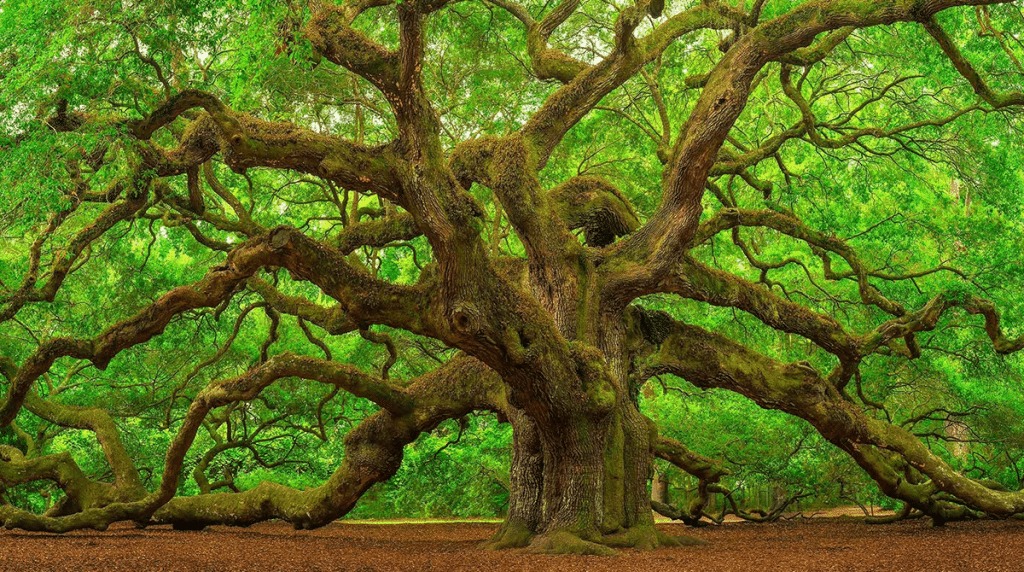
In the Republic of Moldova, the active deforestation of ancient oak trees continues.

The logic seems simple: if a tree has reached a certain age, it can be cut down. However, such a policy has serious ecological consequences, which experts are warning about.

Doctor of Biological Sciences Ilia Trombitchi compares the current forestry approach to an absurd logic: trees are not pigs, and the older they are, the more benefits they bring to the ecosystem. This principle has long been recognized abroad. For example, in the USA, the US Forestry Service understands the importance of old trees in maintaining the hydrological regime in the context of climate change. There, the focus is on removing small and medium-sized trees to prevent wildfires and improve growing conditions for older trees. Moreover, the cut trees are given to companies for free, and they are even paid for their work.
In Moldova, however, the situation is the opposite: the older a tree is, the more likely it is to be cut down. This leads to the depletion of fauna – bats, dormice, and rare bird species disappear. Water sources dry up. A prime example is the Hârbovăț forest along the road to Bender.

Twenty to thirty years ago, oaks were massively cut down, leaving only a few trees for seeds. However, instead of a new oak forest appearing, acacia has spread, which does not contribute to the formation of groundwater. As a result, the region faces droughts, and the ecosystem becomes increasingly impoverished.

Such consequences require a revision of approaches to forest management. We need to change our priorities: instead of cutting down ancient oaks, we should invest in programs for their conservation and in sustainable forest management. Otherwise, the Republic of Moldova risks losing not only its forests but also its water resources, which are crucial for the country’s future.

How to Reforest All of Moldova

Category: EN

The President of Moldova, Maia Sandu, wants to plant a lot of forests in the country and has proposed a very ambitious program. However, currently, Moldova is planting only half the amount of forest planned in the program, while deforestation is happening at twice the rate of afforestation.

This issue was highlighted by an eco-activist, a student of the Faculty of Ecology at the Technical University of Moldova, and co-founder of the public organization Pădurea Noastră, as reported by Noi.md.

According to him, although President Sandu is the first among all previous presidents to genuinely care about and want to save Moldova’s nature, her efforts are not yet enough to match the reality on the ground.

The eco-activist pointed out that the president’s plan relies on the people, which is why she organizes the Forest Festival and various PR campaigns to promote tree planting.

“But our people are considered among the poorest in Europe, and our country also has the least amount of forest compared to other European nations. How can the poorest people plant the largest amount of forest in the shortest time? Yet, this is exactly what is needed to adapt to climate change: severe droughts and monsoon rains. The forest is the only thing that can deal with these challenges! There is only one answer: it must be profitable for the people! The poorest people can plant the most forests only if it is highly beneficial for them. And there is only one way to make it beneficial: the planted forest must become private property,” emphasized Vladislav Sanduliak.

According to him, there are historical precedents for this. For example, the American Homestead Act was passed in 1862, during the U.S. Civil War. Around 1.6 million people received land for free out of a total population of 31 million at the time. In total, 10% of U.S. land was given to citizens under homesteads.

This led to a rapid expansion of the middle class, which significantly influenced the country’s economic growth. Over 40 years, the U.S. population grew from 31 million to 76 million. By the end of the program in 1976, the U.S. population had reached approximately 218 million.

Historical records, including the book Not Just a Life, describe how a family that acquired land under the program became wealthy by producing and selling maple syrup and other forest products.

“There are many such examples in history where governments grant land to people for free for private use: the New Zealand Land Act of 1860, Japan’s post-war land redistribution reform of 1946, and others. A modern version of the Homestead Act has been developed in some regions of Russia. But today’s lawmakers have gone further, refining key aspects of the relationship between the state and its citizens,” said the eco-activist, who is one of the leaders of the environmental movement Tabor of Mother Earth.

He explained that, under the modern version of the law, a family—just like in the American Homestead era—can receive at least one hectare of land for free, and it is granted for lifetime use. However, to prevent land speculation, it cannot be sold. This way, the government protects its land assets.

If a person takes free land, they cannot divide and resell it under a different status. The land can only be passed down as a single unit to their heirs and cannot be rented out.

In exchange, the government fully exempts all products grown on these homesteads from taxes. The American law had the same provision, and as history shows, tax-free production from these lands only strengthened the state and led to rapid population growth. The modern Homestead Act even specifies what should be cultivated on the land.

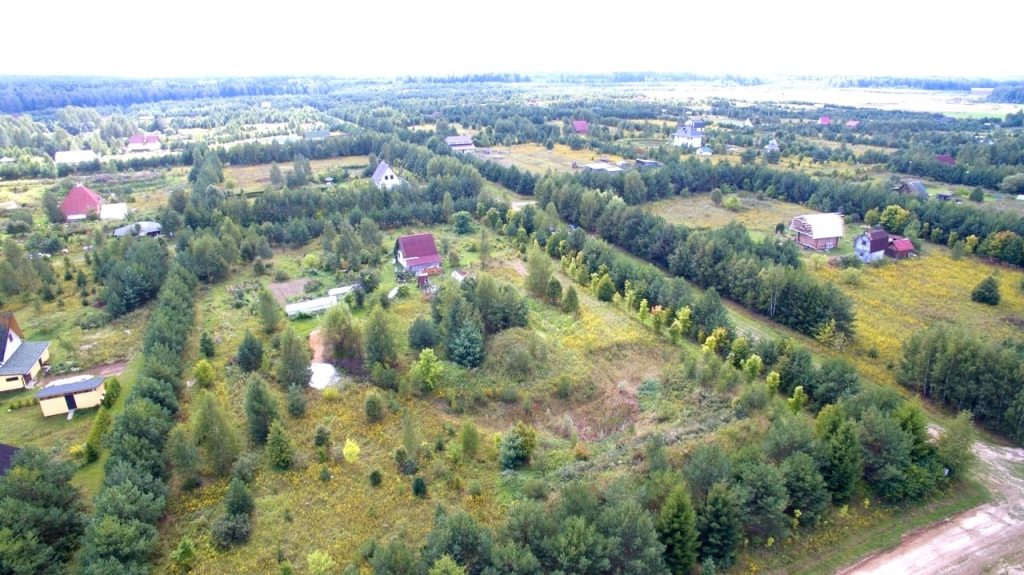
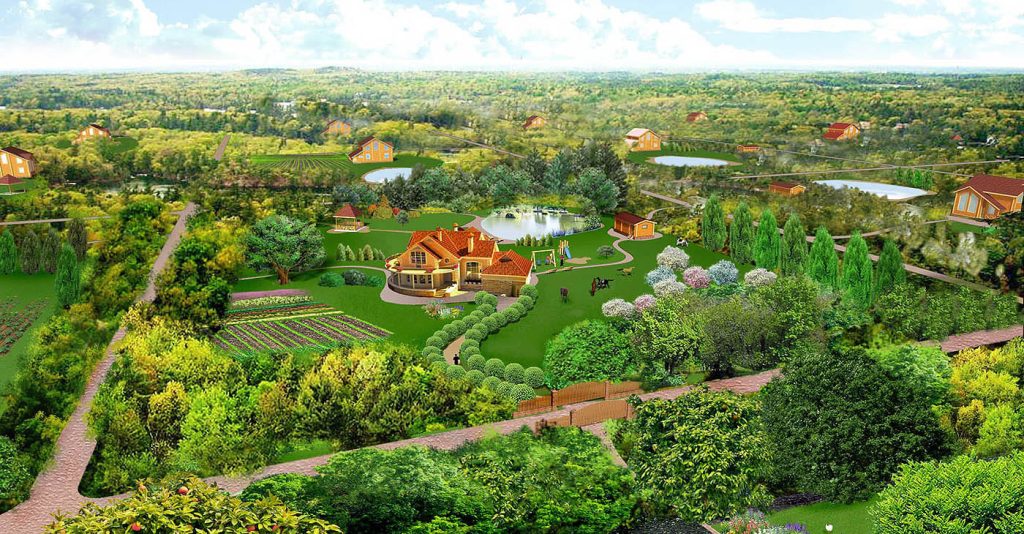
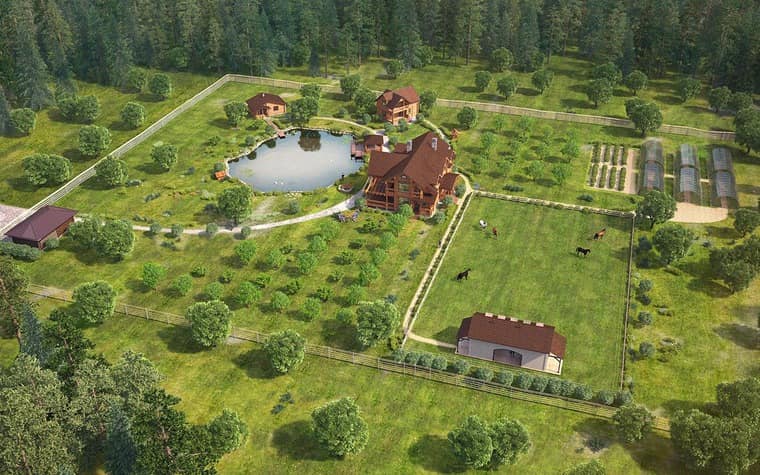
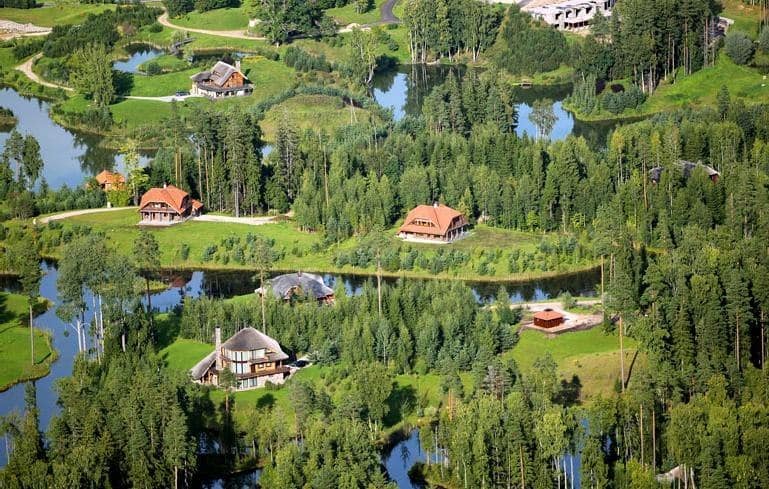
Planting must follow the core principles of permaculture—sustainable agriculture with minimal environmental impact. Specifically, two-thirds of the land should be planted with a mixed forest containing at least 350 different species of trees and shrubs, one-third should be used for a mixed orchard, and the remaining land should be allocated for a vegetable garden, a pond, and buildings. The plot must also have a living hedge to protect the homestead and attract birds. In all cases, such measures contribute to economic and demographic growth, strengthen the middle class, and improve the overall well-being of the population.

“If every Moldovan plants just one hectare of forest (which is manageable for a single family), we will have 2 million hectares of forest. Given that Moldova’s total land area is 3.4 million hectares, this would bring forest coverage to 59%, reaching the levels of some of the most forested European countries. Even if only 10% of Moldovans take land, as in the American Homestead era, that would still result in at least 200,000 hectares of new forest—achieved not through government spending, but through private family investment,” emphasized Vladislav Sanduliak.

He noted that families can and will plant forests if they are given favorable conditions. And granting land for free as private property, with no taxes on its production, is the best incentive for every Moldovan family.

“The Homestead Act is the best way to regulate a beneficial relationship between the state and every Moldovan family,” concluded the eco-activist.
2025 Forum of Environmental NGOs: Sustainable Development Strategies for Moldova

Category: EN

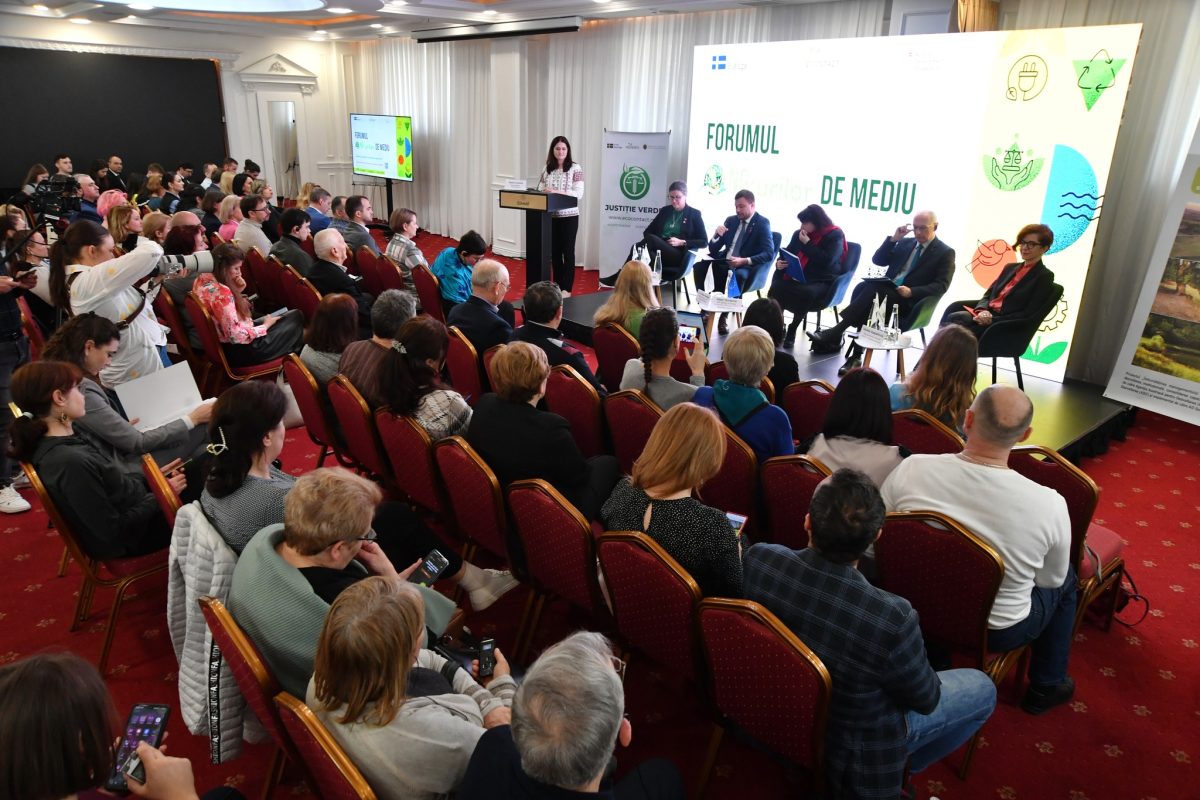
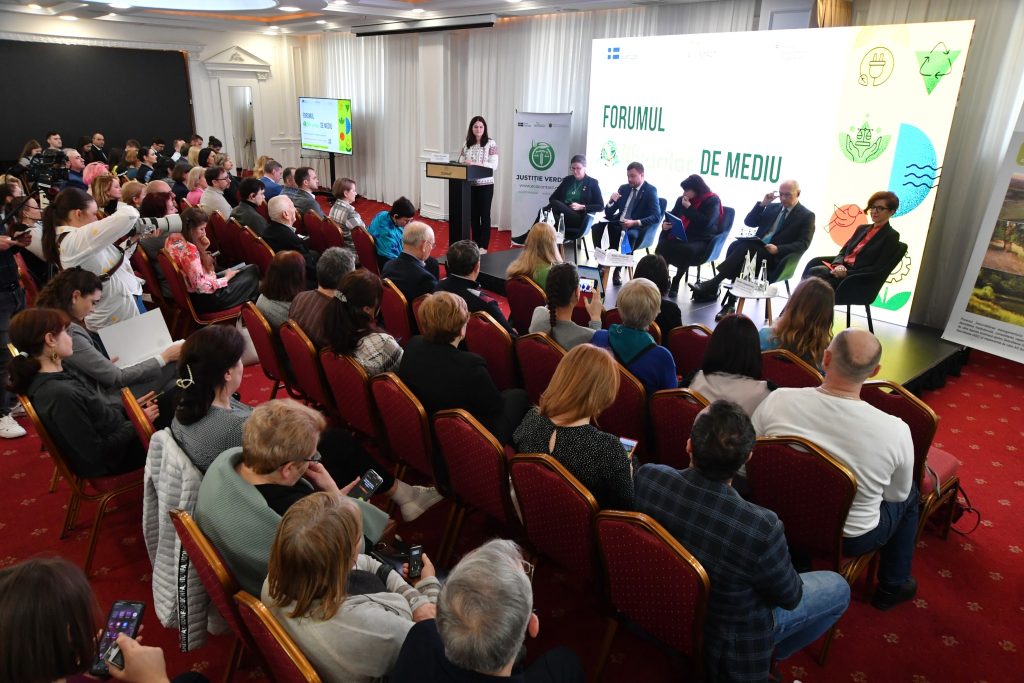
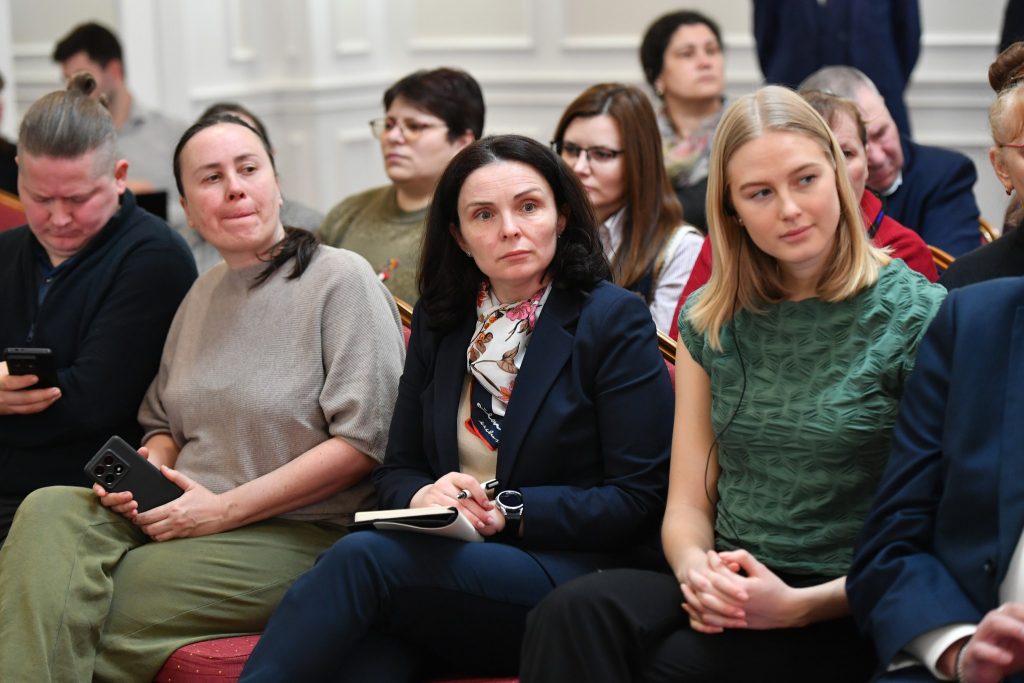
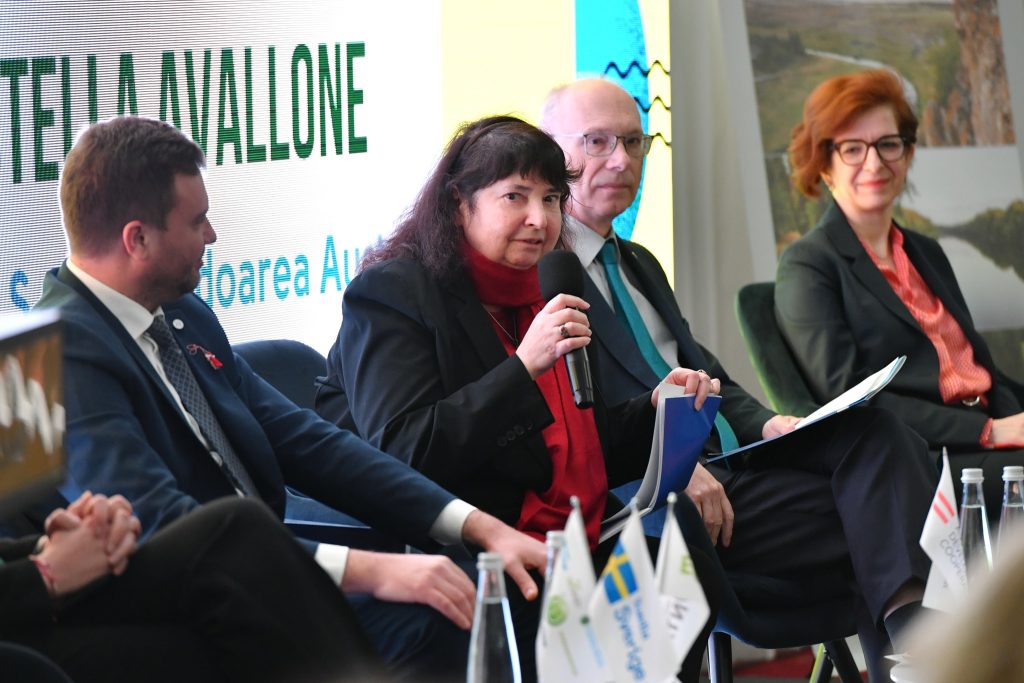
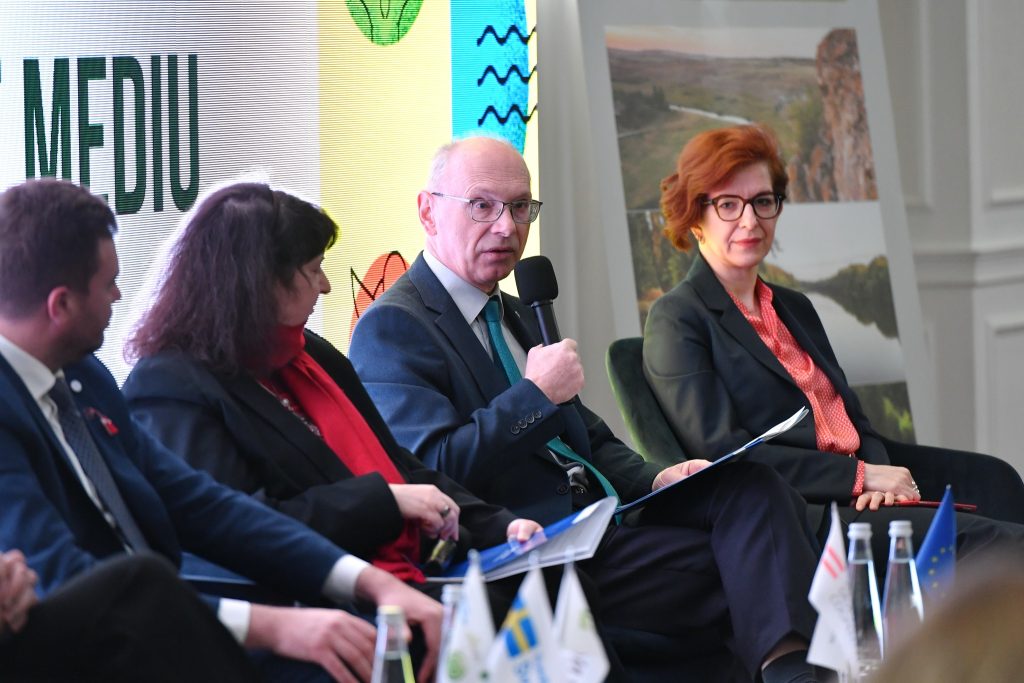
The Environmental NGOs Forum was held in Chișinău, gathering leaders in the field of environmental protection.

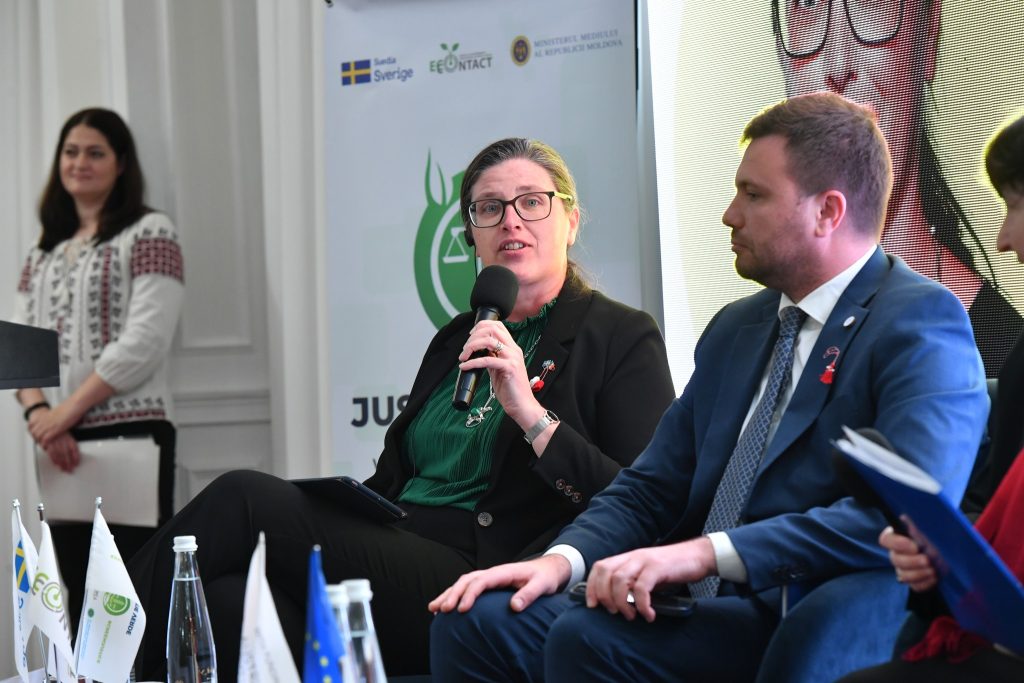
The event was organized by EcoContact, with financial support from Sweden and co-financed by the Austrian Development Agency. The forum was dedicated to strengthening cooperation between civil society, authorities, the private sector, and development partners to protect the environment in Moldova.

Under the slogan “We think sustainably, we act responsibly,” the most important environmental issues were discussed, including the rational use of natural resources, effective environmental protection policies, and the need for coordination among all sectors. Among the topics discussed were water resource management, green transition, sustainable reforestation, forest ecosystem protection, and strategies for adapting to climate change.

Key figures attended the event, including the Minister of Environment, Sergiu Lazarencu, and the ambassadors of Sweden and Austria to the Republic of Moldova. The importance of the media’s role in ecological education was also emphasized.

Pădurea Noastră was also among the participants, actively supporting nature protection and sustainable development initiatives in the country.

The first forest clean-up of 2025, organized by the Pădurea Noastră team, took place in Chișinău

Category: EN

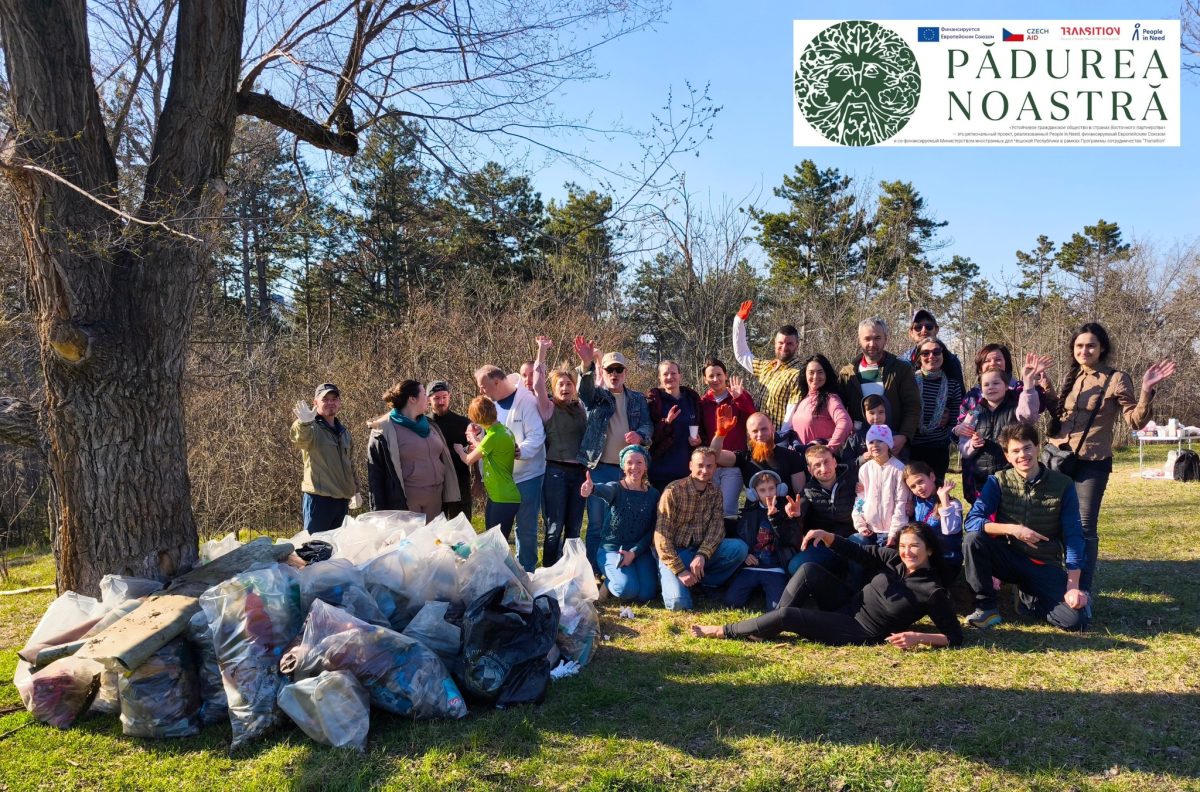
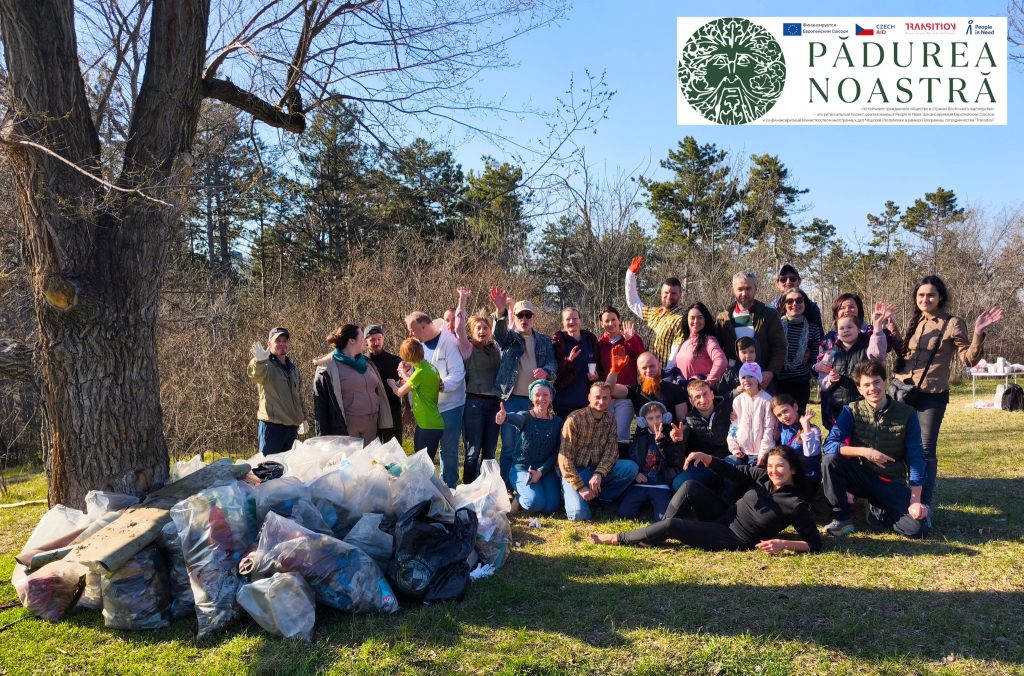
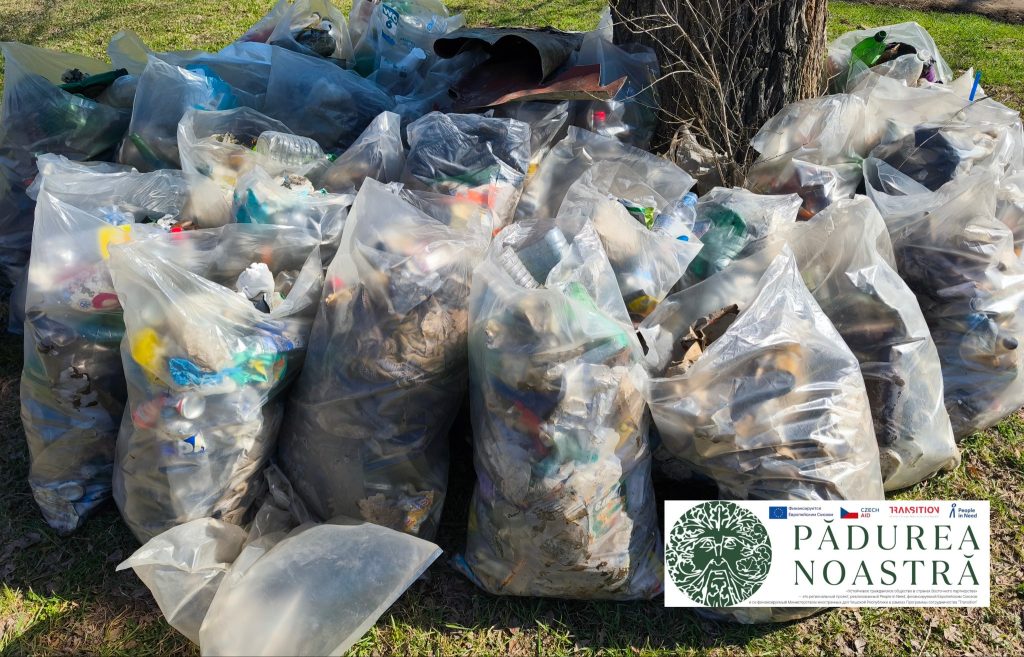
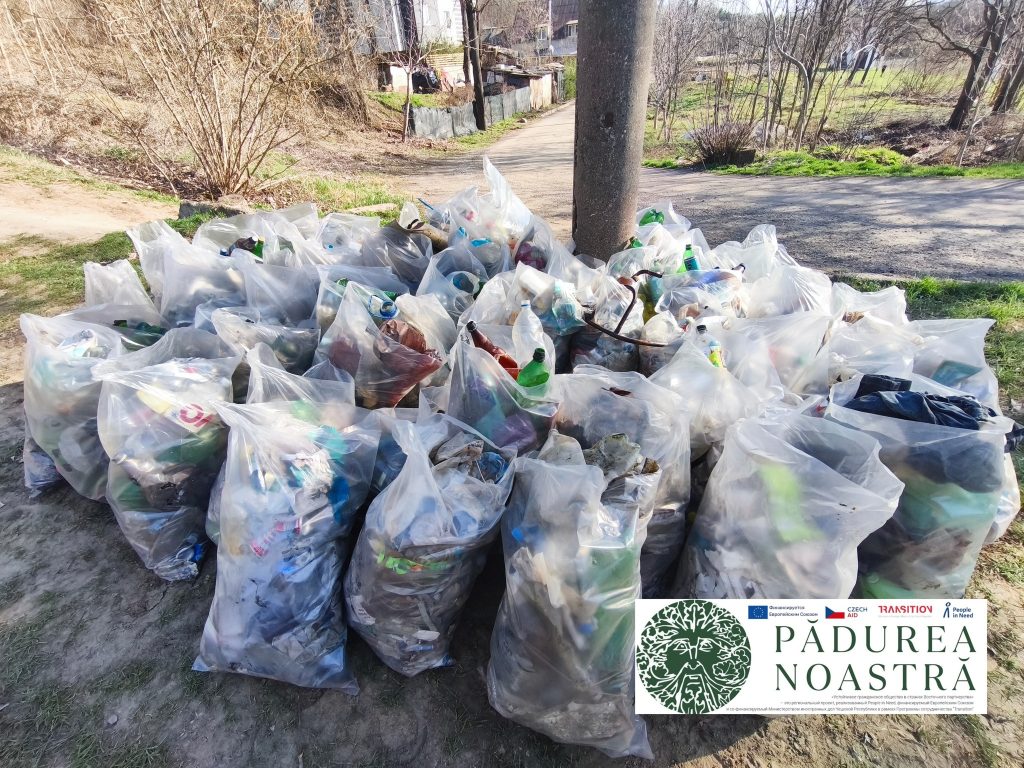
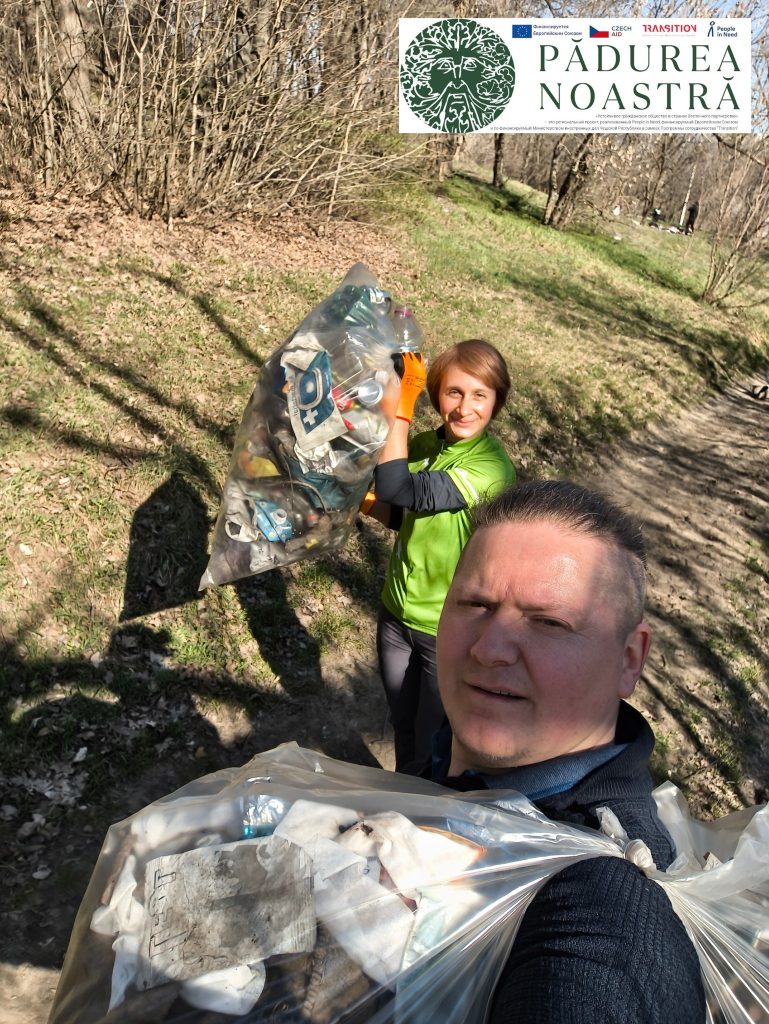
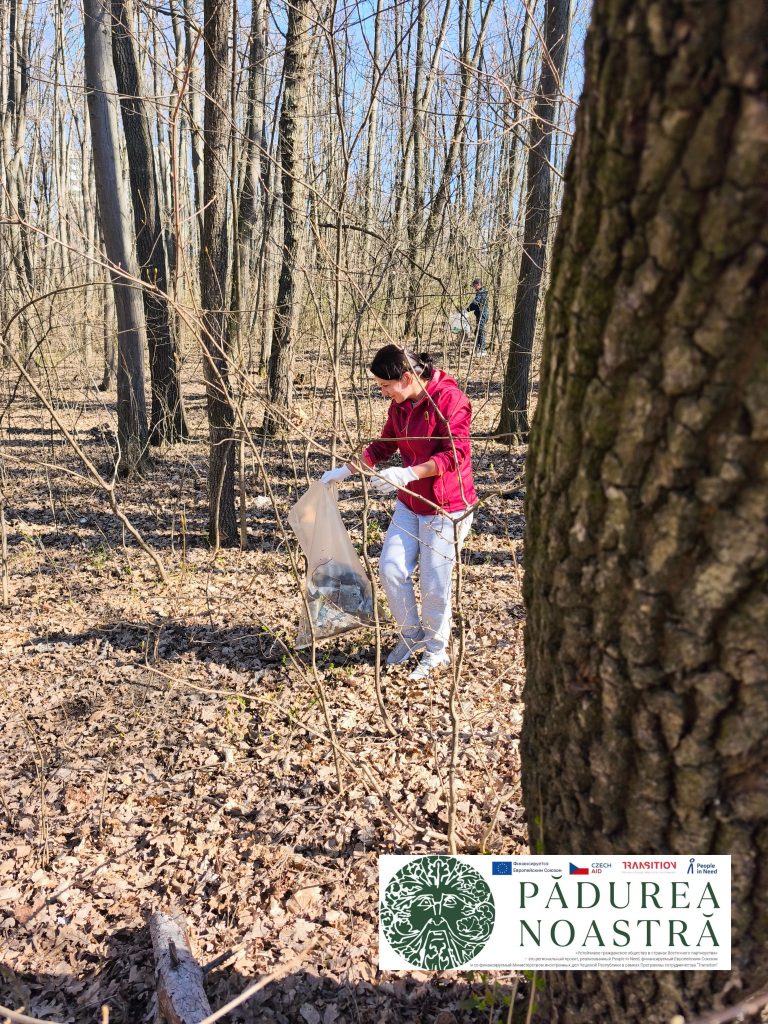
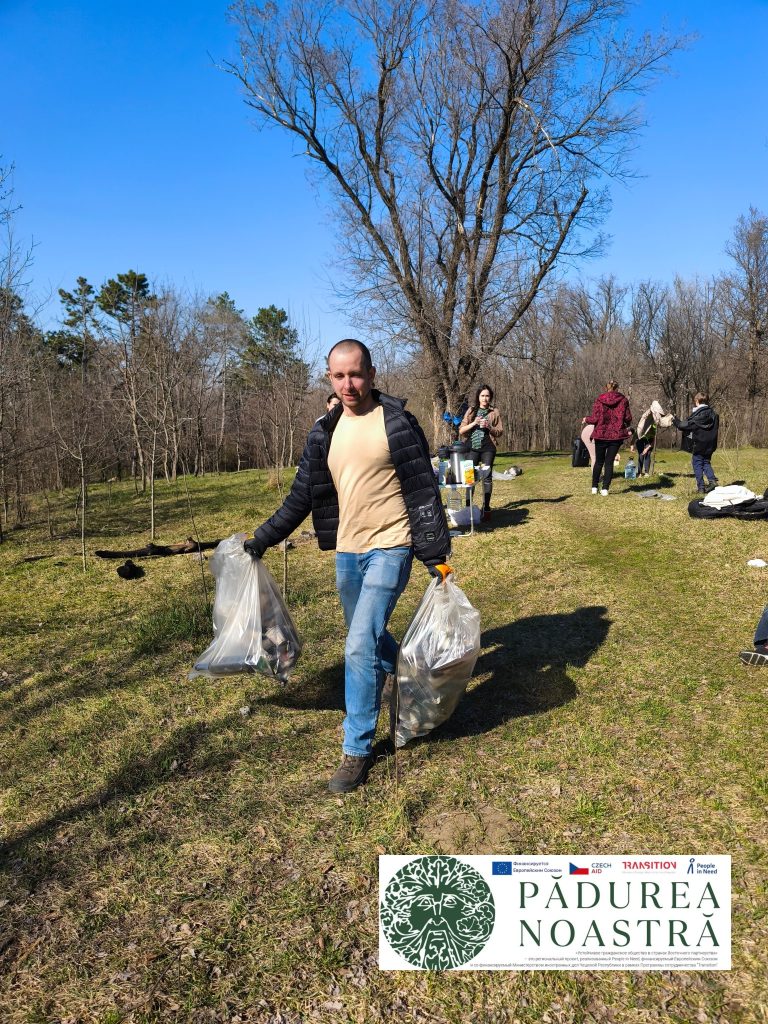
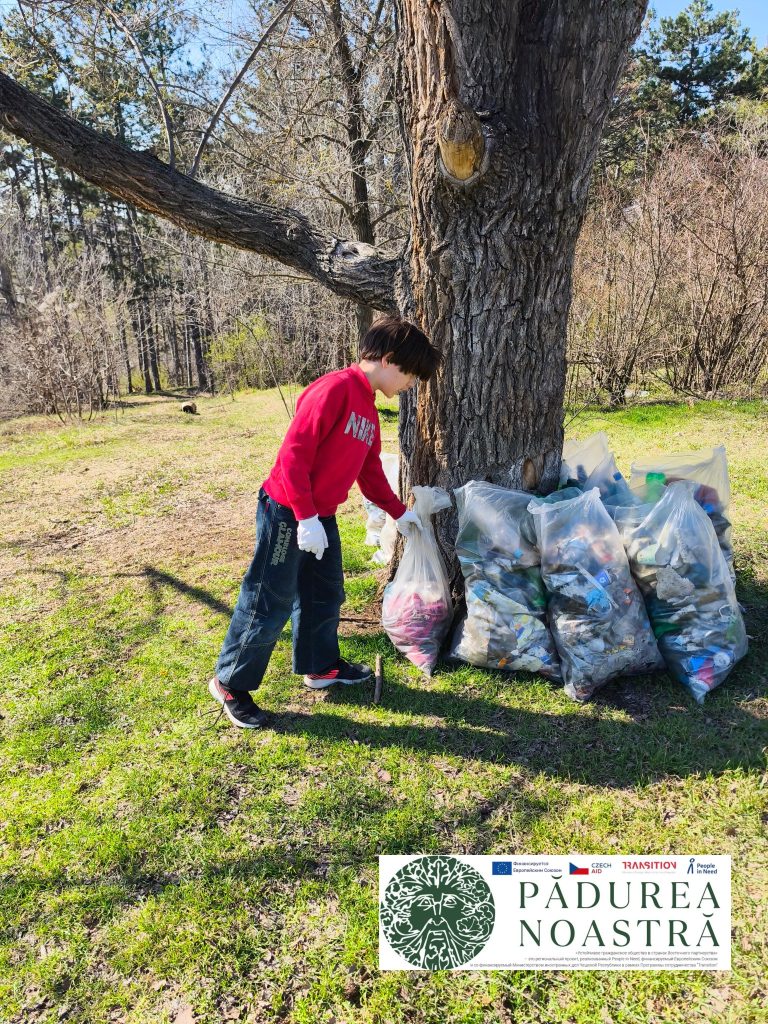
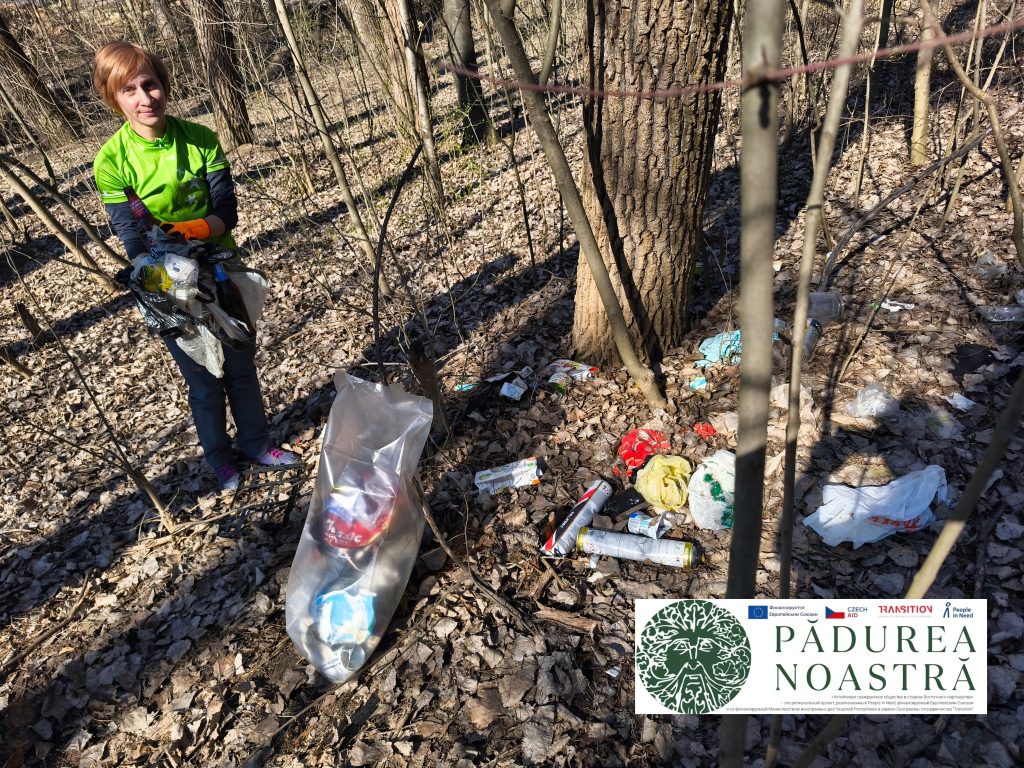
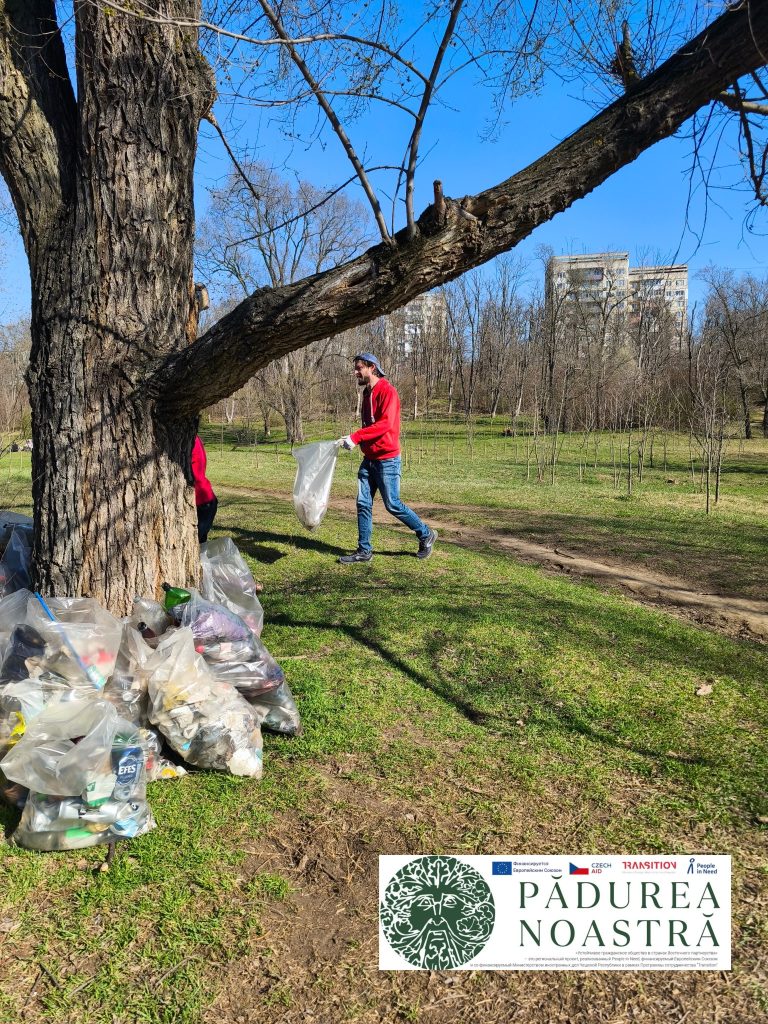
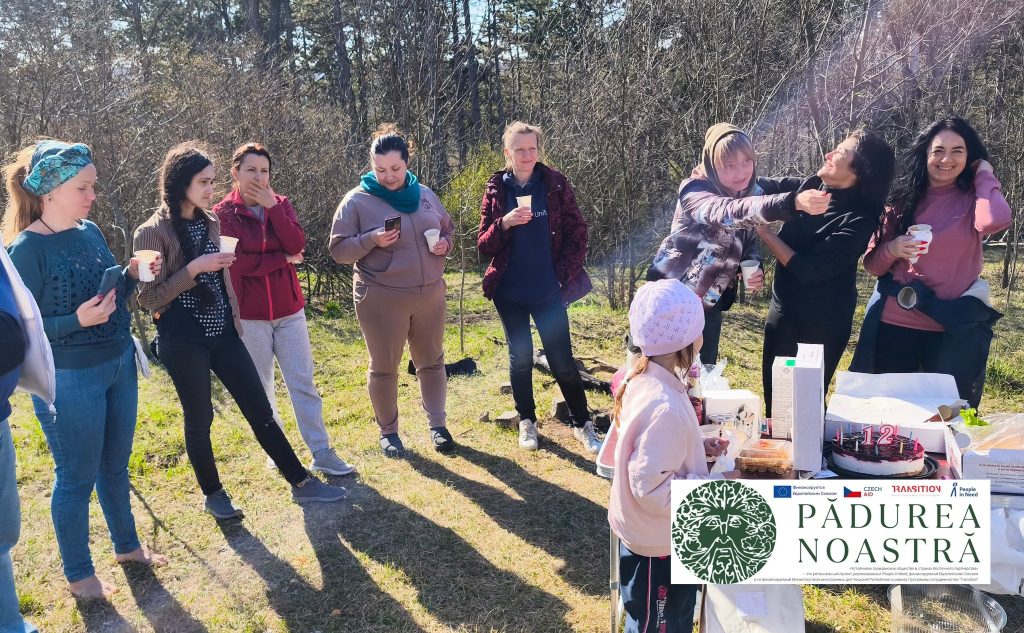
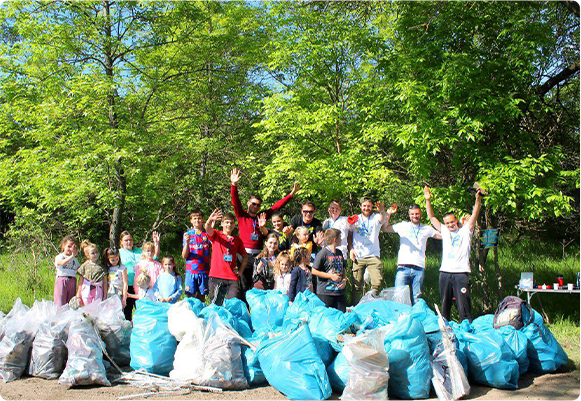
The first forest clean-up of 2025, organized by the Pădurea Noastră team, took place in Chișinău with great success.

Volunteers collected numerous bags of trash, leaving the forest clean and well-maintained. Event participants expressed their gratitude to the sponsors — the “Sustainable Civil Society in Eastern Partnership Countries” project, implemented by People in Need, funded by the European Union and co-financed by the Ministry of Foreign Affairs of the Czech Republic under the “Transition” program.

The organizers thanked everyone who participated in the event for their contribution to nature conservation and improving the ecological situation in the region.

ECO activists from AO “Pădurea Noastră” have supported the National Reforestation Program!

Category: EN

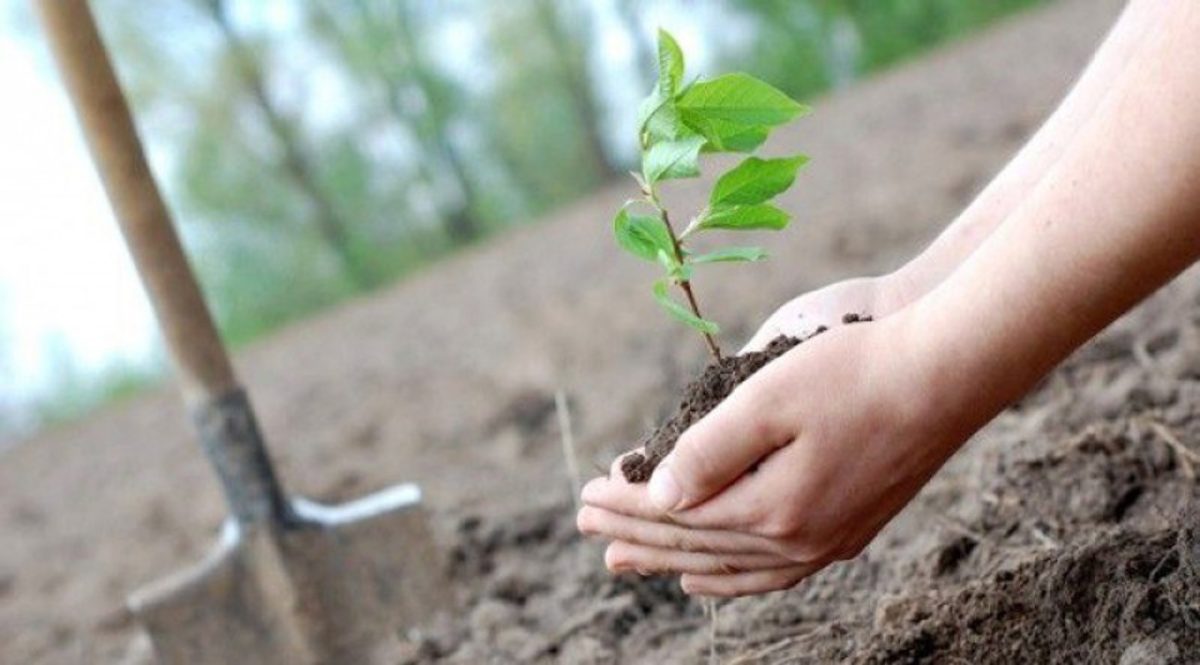
The National Reforestation Program, initiated by President Maia Sandu, aims to increase Moldova’s forest coverage by planting millions of trees across the country.

The program includes the restoration of degraded lands, the protection of existing forests, and the engagement of citizens in greening their communities. As part of this initiative, mass tree-planting events are organized, bringing together volunteers, public organizations, and local authorities.

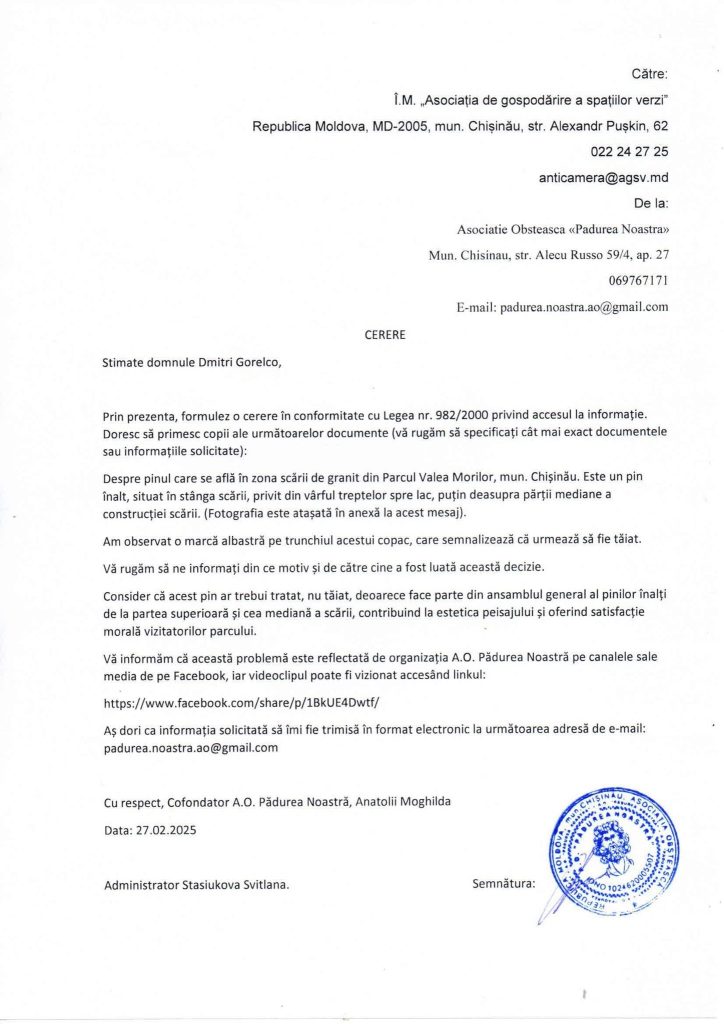
The Pădurea Noastră organization asks not to cut down the pine tree in Valea Morilor Park

Category: EN

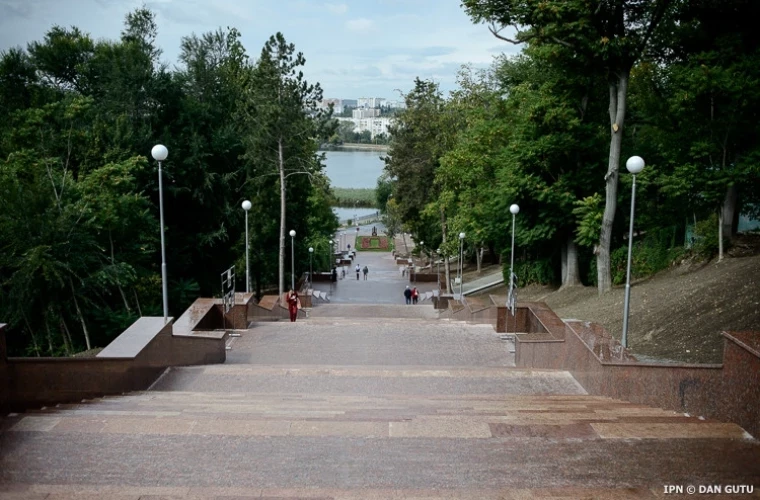
The public organization Pădurea Noastră has reached out to the municipal enterprise “Association for the Management of Green Spaces” (Spații Verzi) regarding a tall pine tree located near the granite staircase in Valea Morilor Park, Chișinău, which is scheduled to be cut down.

The tree stands to the left of the staircase when looking from the top of the steps towards the lake, slightly above the middle section of the structure, according to noi.md.

A blue mark has appeared on the tree trunk, indicating that it is marked for removal. The Pădurea Noastră organization is requesting the Association for the Management of Green Spaces to provide information on why and by whom the decision to cut it down was made. Representatives of the organization believe that this pine tree should be treated rather than felled, as it is part of the ensemble of tall pines at the top and middle of the staircase, which enhances the aesthetic value of the area and contributes to the moral satisfaction of park visitors.

According to Pădurea Noastră representatives, approximately 15-20 trees have already been cut down in Valea Morilor Park. Among them were diseased trees, but also several large oaks, likely over 50 years old. The tree rings suggest that many of them were still alive and healthy when they were felled.

Homestead.md Editorial Policy

Category: EN

🌍 Mission and Values
Homestead.md is an independent educational media outlet dedicated to modern ecology, eco-projects, and sustainable living in Moldova and around the world.
Our goal is to inspire, educate, and unite those who strive for harmony between humans and nature.
We believe that change begins with awareness, knowledge, and personal example.

🎯 Main Focus Areas
The editorial team covers topics related to:

  • Environmental initiatives and projects: tree planting, forest protection, river and soil cleanup, biodiversity conservation.

  • Eco-villages and sustainable communities: examples of practical eco-living, village revival, rural initiatives, collective farming, permaculture, and family homesteads.

  • Green technologies: renewable energy, waste recycling, eco-construction, and sustainable agriculture.

  • Environmental education and awareness: programs, trainings, and publications that foster ecological thinking.

  • Environmental policy and law: analysis of legislation, strategies, and decisions that impact the environment.

  • Science and research: data on climate, soils, forests, water, ecosystems, and human health.

  • Ecological culture and philosophy: human connection with nature, the role of art, and cultural and spiritual traditions that sustain life.

🧭 Editorial Principles
Independence and Transparency
Homestead.md does not represent political or commercial interests.
We publish materials guided solely by social and environmental relevance.

Accuracy and Verification
All facts are verified through reliable sources such as scientific publications, expert opinions, and official documents.
Authors’ and editors’ opinions are clearly separated from news content.
If errors are found, the editorial team makes public corrections.

Openness and Education
We encourage the exchange of knowledge, present materials in an accessible form, and support both scientific and practical learning through articles, videos, courses, and interviews.

Ethical Responsibility
Respect for people, nature, and cultural diversity.
No forms of discrimination, manipulation, or propaganda are allowed.
Sponsored publications are always clearly marked as “Partner Material” and do not influence the editorial position.

Awareness and Positive Impact
We publish not only problems but also solutions — real stories, projects, and initiatives that help improve the ecological situation.

📰 Types of Content

  • News and reports on events, projects, and initiatives.

  • Interviews with ecologists, activists, farmers, architects, and eco-project creators.

  • Educational articles, guides, and practical recommendations.

  • Analytical and research materials.

  • Documentary videos and photo projects.

  • Stories of people and communities embodying ecological values.

💬 Reader Interaction
We are open to feedback and collaborative projects.
Readers can propose topics and share their own experiences.

💡 Advertising and Partnerships
Homestead.md collaborates only with organizations that share the principles of environmental responsibility.
All sponsored content is clearly labeled.
We do not publish materials that distort ecological reality or replace scientific facts.

⚖️ Rights and Licensing
All original materials belong to their authors.
Quoting and reprinting are permitted with mandatory attribution and a link to Homestead.md.
We support open knowledge-sharing licenses, provided copyright laws are respected.

🔄 Policy Review
The editorial policy of Homestead.md is reviewed as needed, taking into account reader feedback and developments in the environmental field.