Eco-Settlement VS Village! A Shocking Difference in Environmental Friendliness

Category: EN

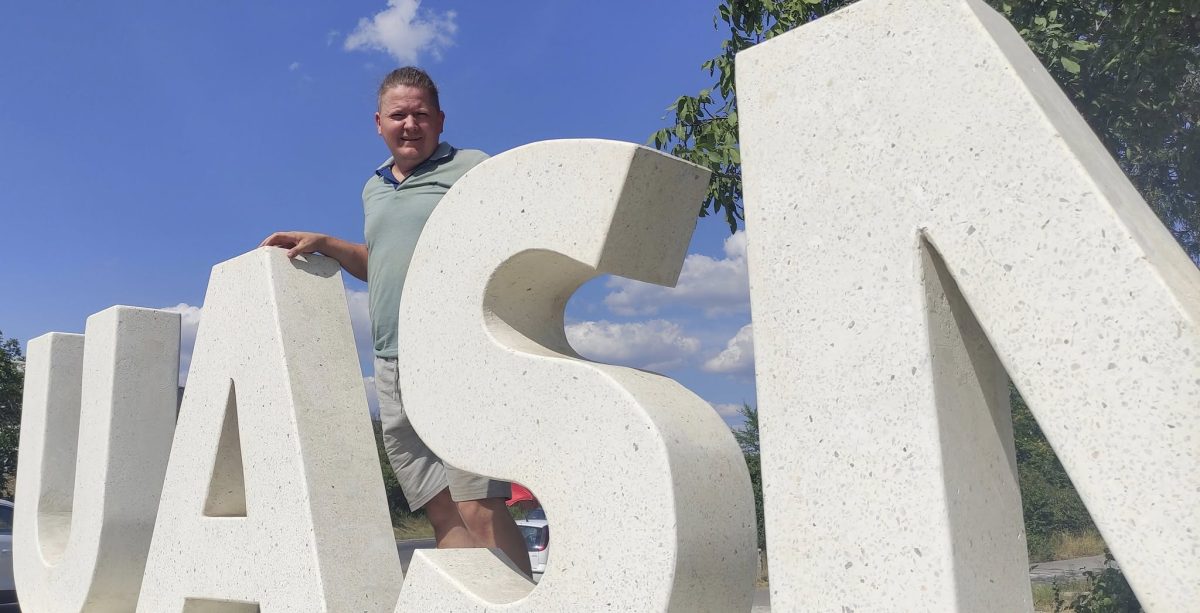
Environmental student Vladislav Sanduleac from UTM (Agrarian Campus) shared the results of his research conducted as part of his coursework. His conclusions turned out to be unexpected even for himself.

“I’ve been under the impression of my findings for a week now since finishing my coursework. I’m especially pleased with the knowledge I’m gaining at the university. It turns out that ecology is a very precise science that allows us to evaluate the state of the environment in numbers and coefficients, and accurately determine the degree of pollution and ways to solve problems,” said Vladislav.

According to the student, thanks to this knowledge he realized how much the profession of an ecologist is in demand in the modern world:

“For any village or business, it is possible to create an environmental project that can help attract funding to improve the living environment. It’s a real tool for change.”

Vladislav also highlighted the importance of training at UTM:
“I advise young people to pay attention to this field. The university has retained a strong teaching staff that continues the best traditions of the former Agrarian University,” he emphasized.


Village: Numbers That Shock

The main theme of Vladislav’s coursework was the study of the environmental situation of a Moldovan village. The results were surprising.

“You’d think that a village is about nature and ecology. But when I started calculating the indicators, the picture turned out to be completely different,” the student shared.

He found that a typical village with 1,000 households produces about 700 tons of manure per year.
“This could become valuable fertilizer if a composting system worked. But in reality, most of the manure ends up in the soil and pollutes well water. Part of it is taken to landfills, where it mixes with plastic and chemicals, poisons the soil, and often smolders or burns,” Vladislav explained.

The situation is worsened by the uncontrolled use of pesticides, which leads to mass deaths of bees.

“The village lacks biodiversity: there are mainly fruit trees, walnut trees, and gardens. Forest plants and animals simply have nowhere to live. Deep plowing and the absence of shelterbelts contribute to erosion — fertility is carried away by wind and rain,” he added.


Eco-Settlement: European Standards on Moldovan Soil

Comparing the situation to an eco-settlement, Vladislav saw a fundamentally different picture.

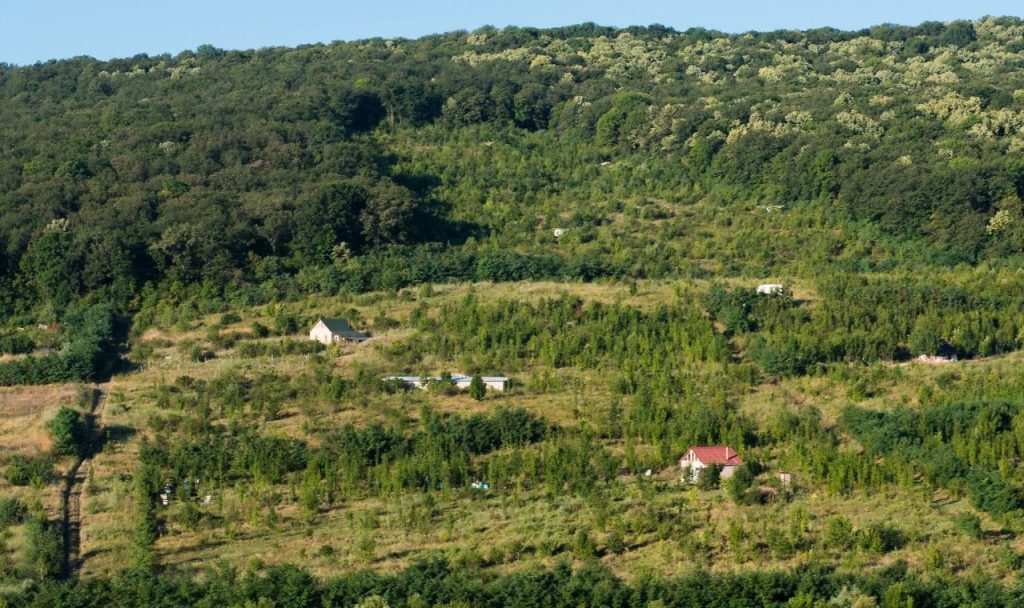
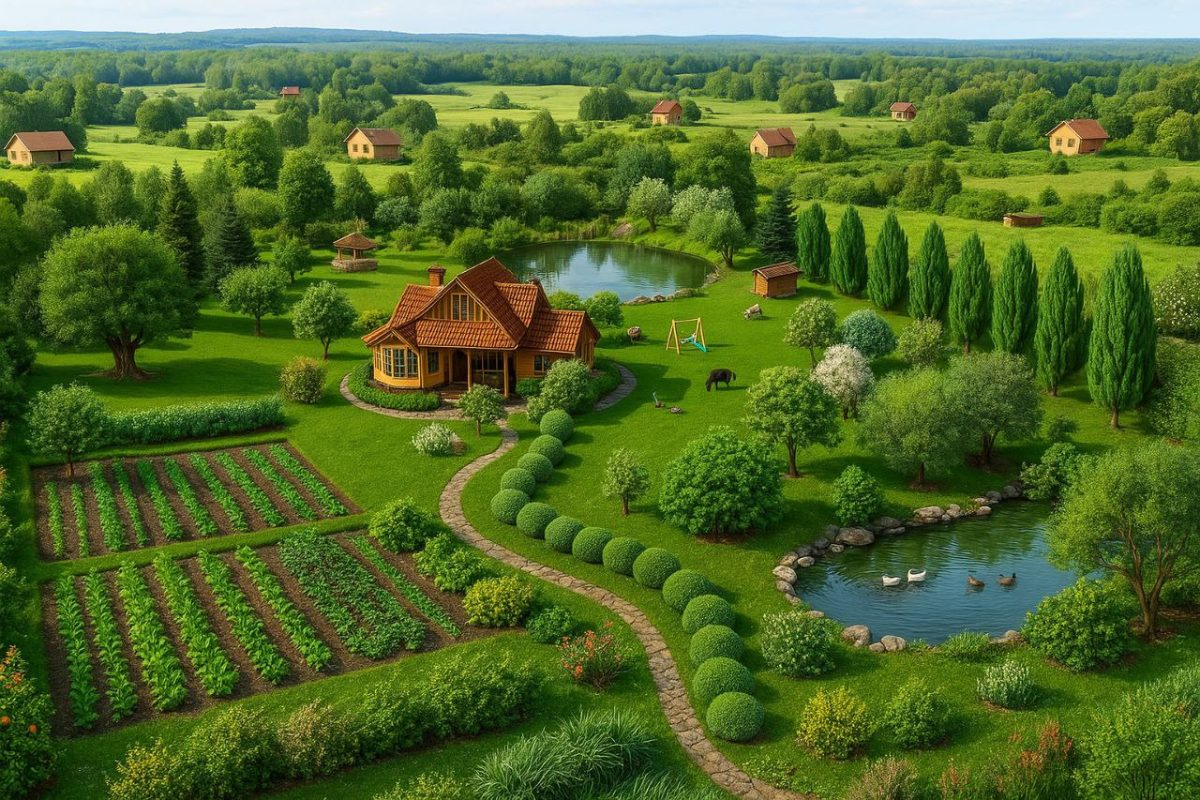
“An eco-settlement of 40 hectares, where about 20 families manage plots ranging from 1 to 2.7 hectares, became for me an example of harmony with nature,” he noted.

According to him:
Two-thirds of each plot’s area is occupied by permaculture forest gardens, where biodiversity thrives, including species from the Red Book.

The soil is not plowed and is protected by vegetation from erosion. On some plots, terracing has been applied, and aquatic ecosystems have been created for birds and fish.

There are no landfills or large cattle in the settlement, so there is no soil pollution from waste.
No pesticides or chemicals are used — natural fertilizers and bio-organisms are applied.
Beekeeping is developed, which has a positive effect on plant pollination.

“This example embodies the highest European standards: in climate change adaptation, biodiversity enhancement, and the greening of human life. This experience needs to be studied and spread throughout the country,” believes Vladislav Sanduleac.
Ecological Settlement in Moldova: An Example for the Entire Country

Category: EN

In today’s context, as the issue of sustainable development and environmental protection becomes increasingly relevant, academic circles are producing studies that describe unique examples of successful implementation of ecological projects.
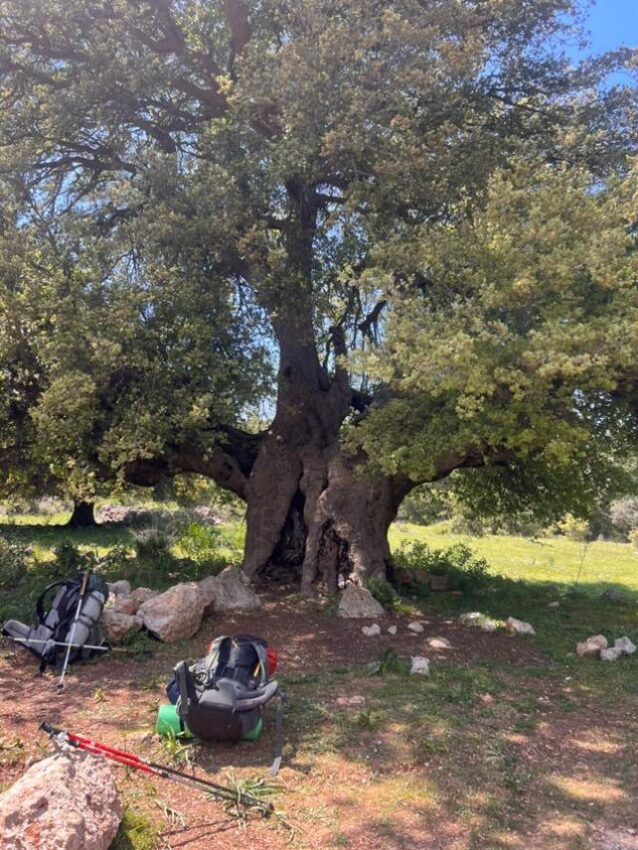
One such example is the ecological settlement in Codreanca commune, Strășeni district, described in detail in the year project of Vladislav Sanduleac, an ecology student at the Technical University of Moldova (“The characteristics of environmental components and protection measures for certain resources in Codreanca commune, Strășeni district”, 2025).

According to the author’s research, the ecological settlement project in Codreanca was initiated in 2003. Today, on an area of 40 hectares, about 20 families manage homesteads based on the principles of permaculture and biodiversity restoration. Each family owns between 1 and 2.7 hectares of land, creating so-called homesteads that combine traditional agricultural practices with modern ecological approaches.

The ecology student explains the scientific origin of the term “ecological settlement”: “The term Ecological Settlement was introduced into scientific discourse by Professor George Ramsey of the Georgia Institute of Technology in his 1978 presentation ‘Application of Passive Energy for the Artificial Environment’ at the First World Energy Conference, organized by the Association of Energy Engineers. Ramsey argued that the problems related to excessive energy use are not about technology, but about the lifestyle of the population.”

In his work, Vladislav Sanduleac also presents some historical data about the development of ecological settlements in Moldova and worldwide: “In 1991, the Global Ecovillage Network (GEN) was created. In 2001, GEN obtained special consultative status with the UN Economic and Social Council (UN-ECOSOC) and became a partner of the United Nations Institute for Training and Research.”

“Today, various countries have enacted laws that encourage the development of ecological settlements, and over 10,000 such settlements have been registered under cooperative, biodiversity protection, non-profit, and urban planning legislation in Europe, America, and Australia. In addition, in Russia, in 2013, the Belgorod region adopted a regional law on family homesteads that regulates the free allocation of 1-hectare land plots for a period of 49 years for the creation of sustainable family farms,” explains the author.

Vladislav Sanduliac also provides some data: “In the territory of the ecological settlement in Codreanca commune, over the course of 20 years, plots with permaculture forest-gardens have formed, where plantations cover between 15% and 60% of the land, matching the best afforestation rates in European countries. No pesticides or chemical fertilizers are used, beekeeping is actively developing, and organic waste is composted and used as fertilizer.”

Special attention in the project is given to the conservation and increase of local species of flora and fauna. The territory of the settlement has become a refuge for pheasants, quails, hares, hedgehogs, as well as rare plant species listed in Moldova’s Red Book.

An equally important aspect, according to Vladislav Sanduleac, is the use of solar energy: solar power stations have been installed on the territory, ensuring the settlement’s energy autonomy.

The analytical part of the study highlights that the ecological settlement in Codreanca fully complies with international environmental conventions, including the Convention on Biological Diversity and the UN Framework Convention on Climate Change. Moreover, the project is part of the Global Ecovillage Network, which confirms its international recognition.

In his work, Vladislav Sanduleac formulates concrete recommendations for the Codreanca village administration. The experience of the ecological settlement in Codreanca commune can serve as a foundation for similar initiatives across Moldova, contributing to nature restoration, the development of the green economy, and the formation of new environmental awareness in the country. For Codreanca, it can also be the basis for the development of ecological tourism.

This project demonstrates that sustainable development is possible even in small rural communities if the efforts of residents, local authorities, and the ecological community are united.

The full version of the study can be consulted at the link:

drive.google.com

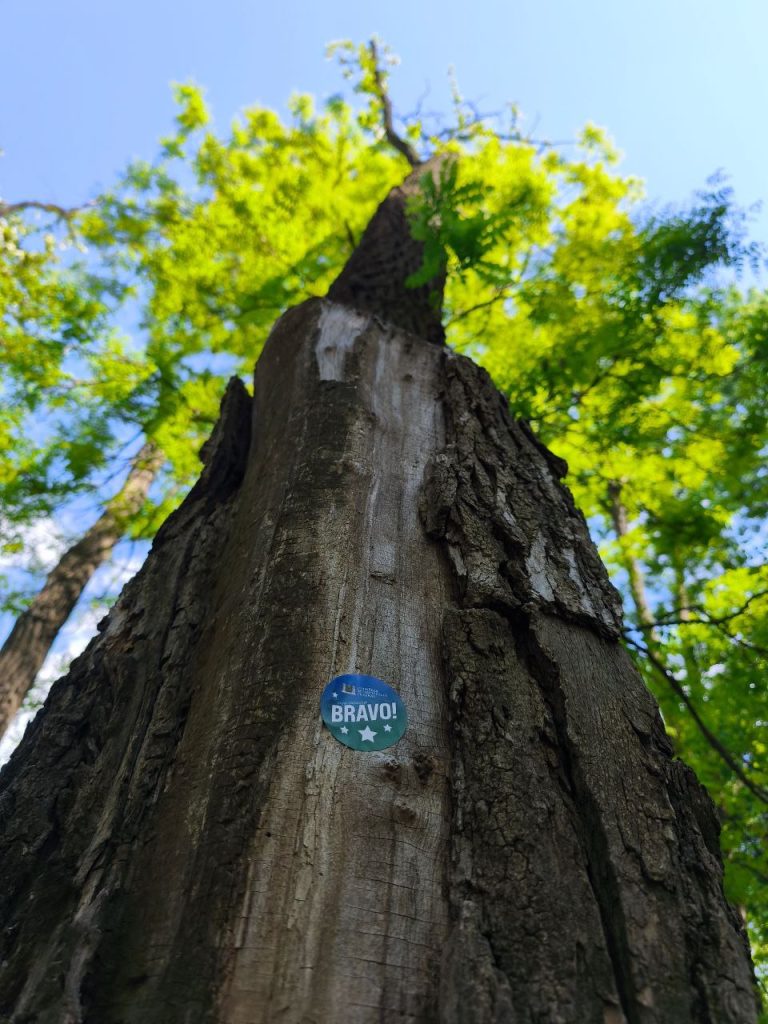
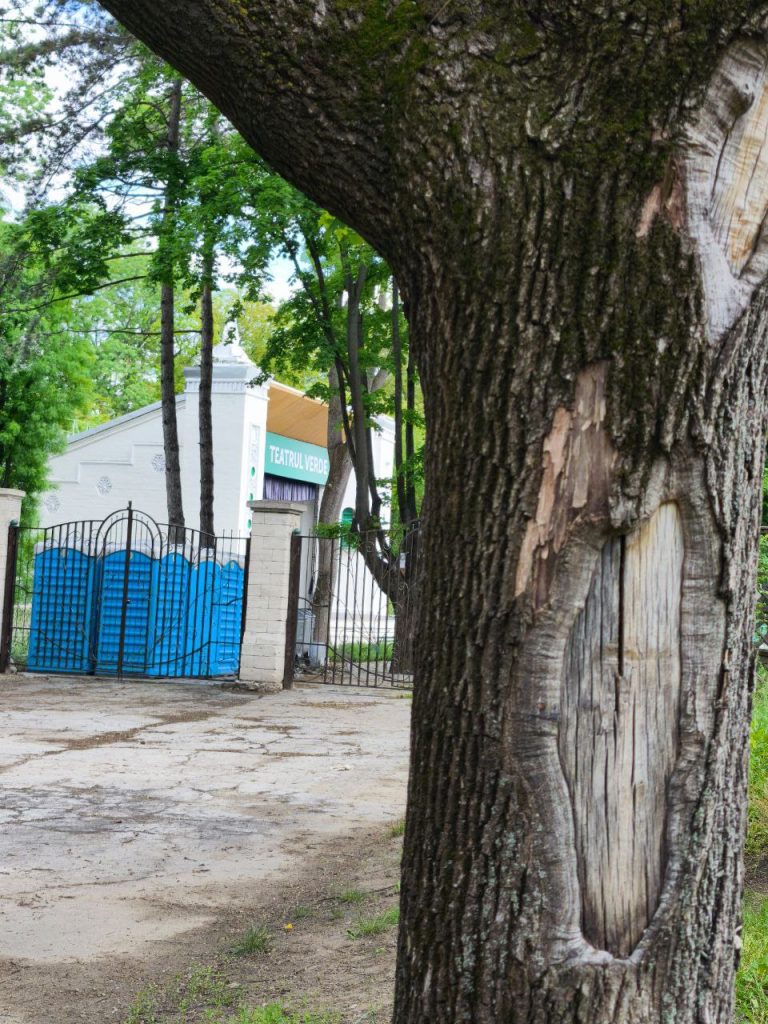
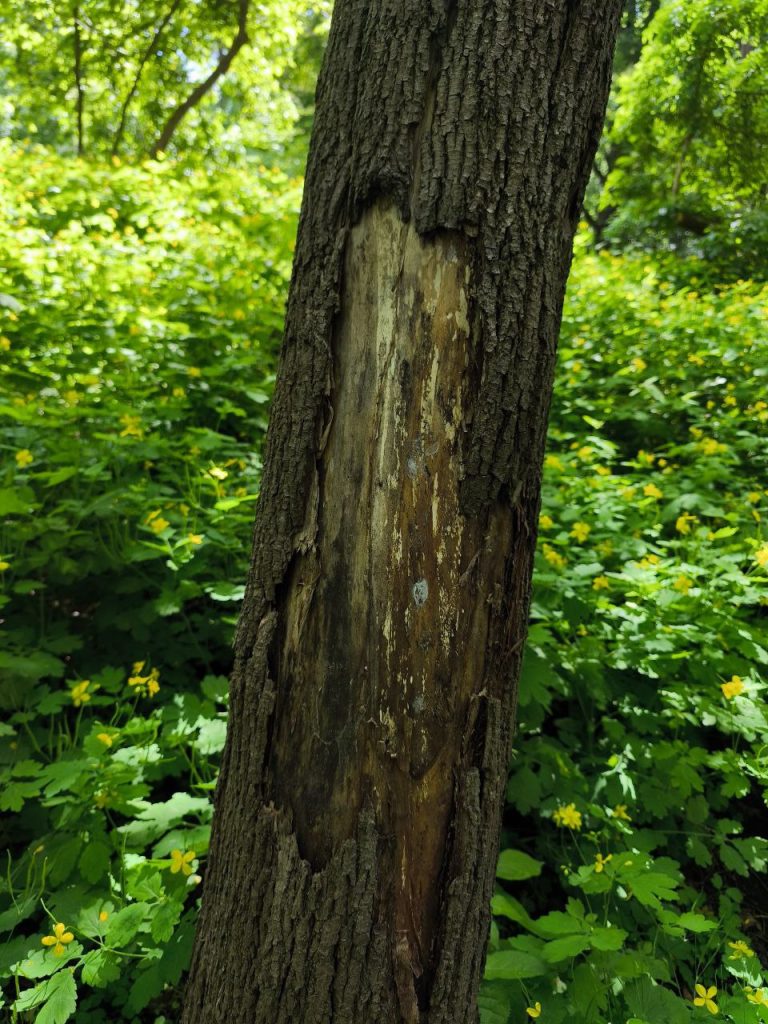
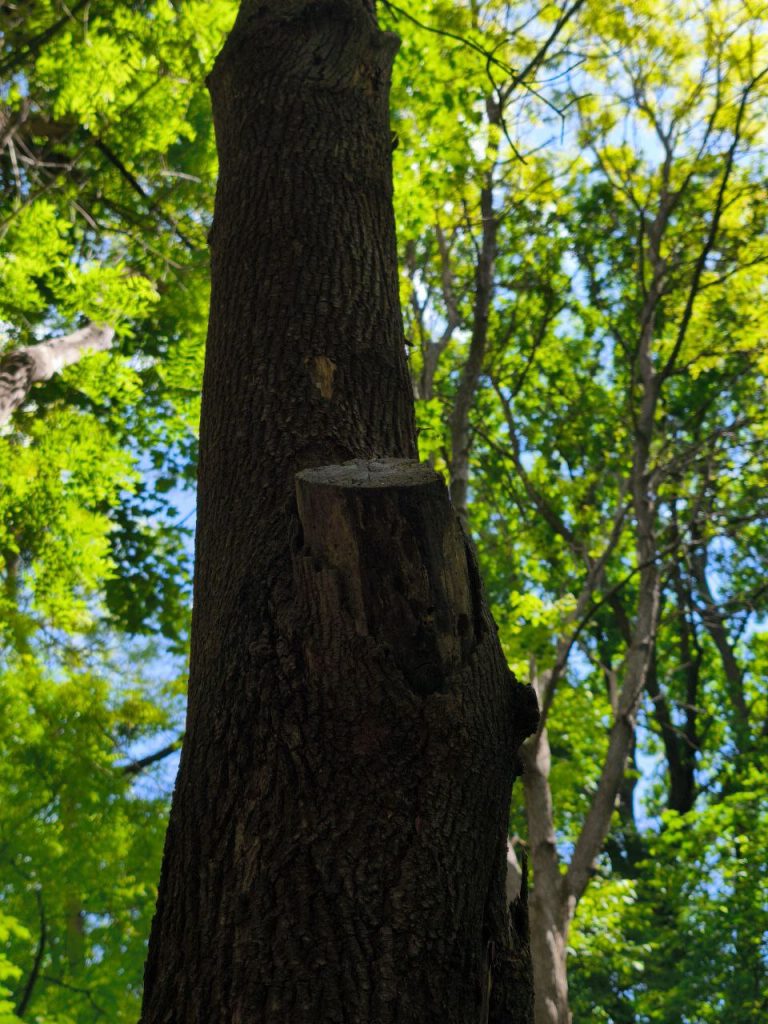
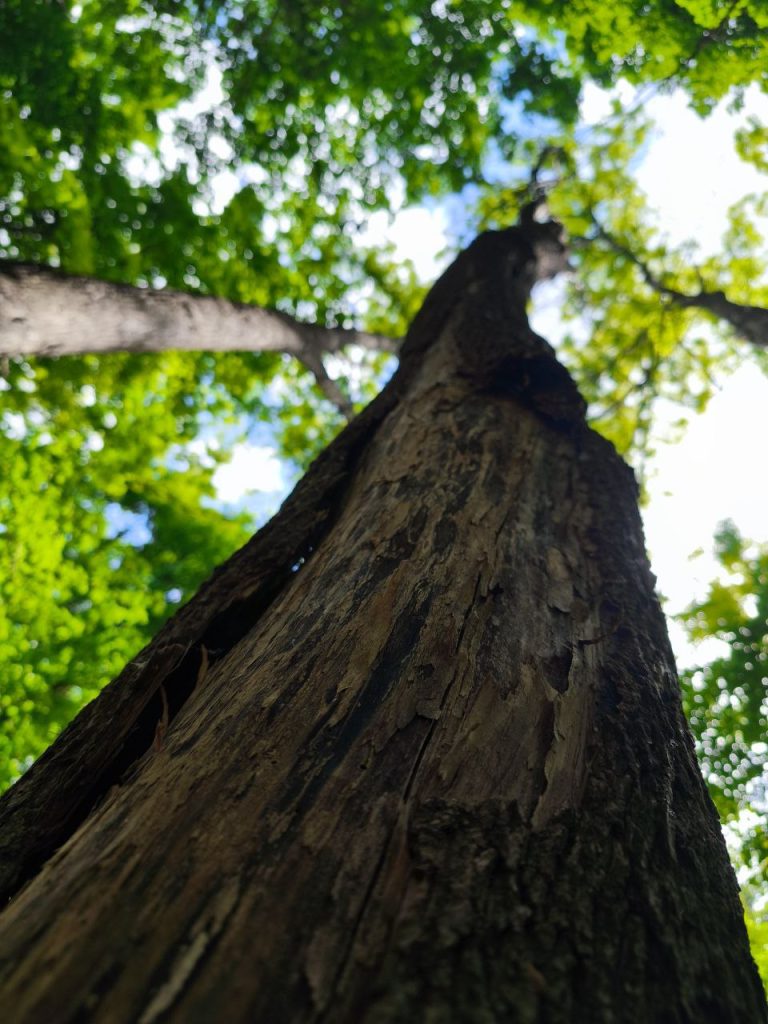
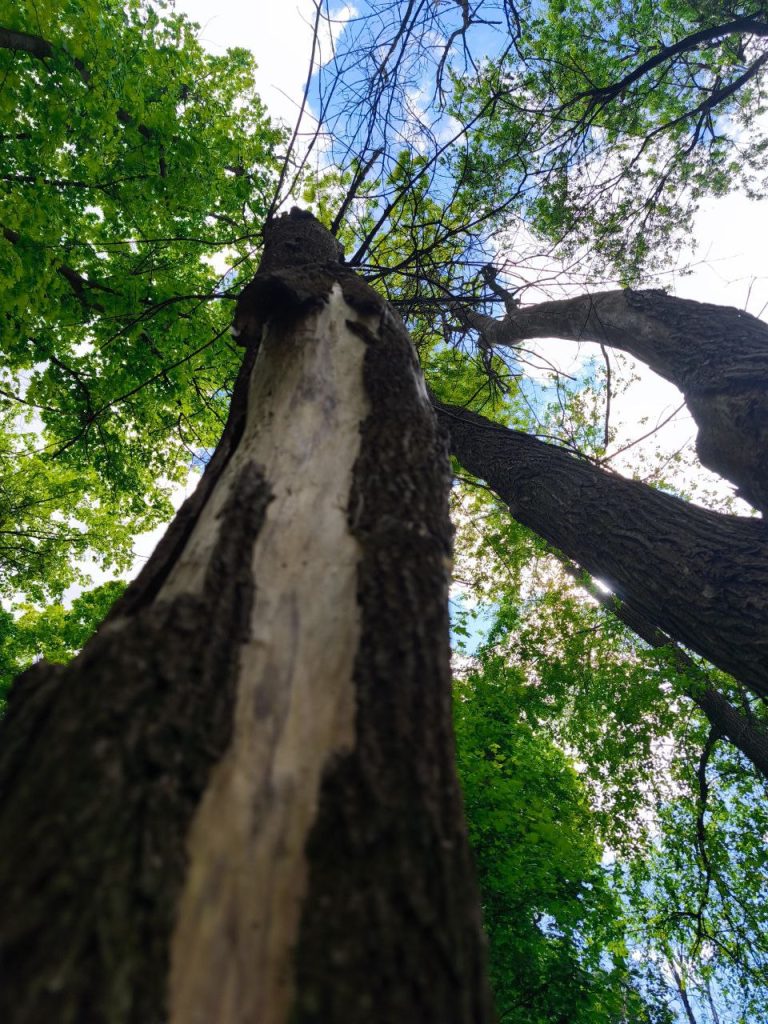
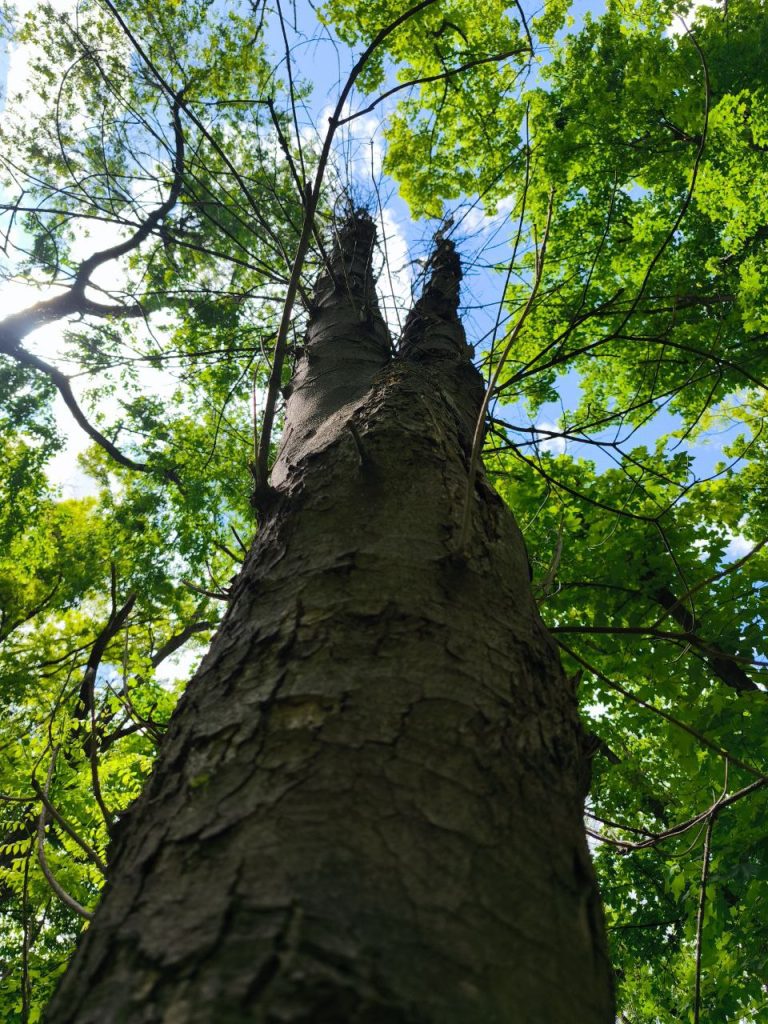
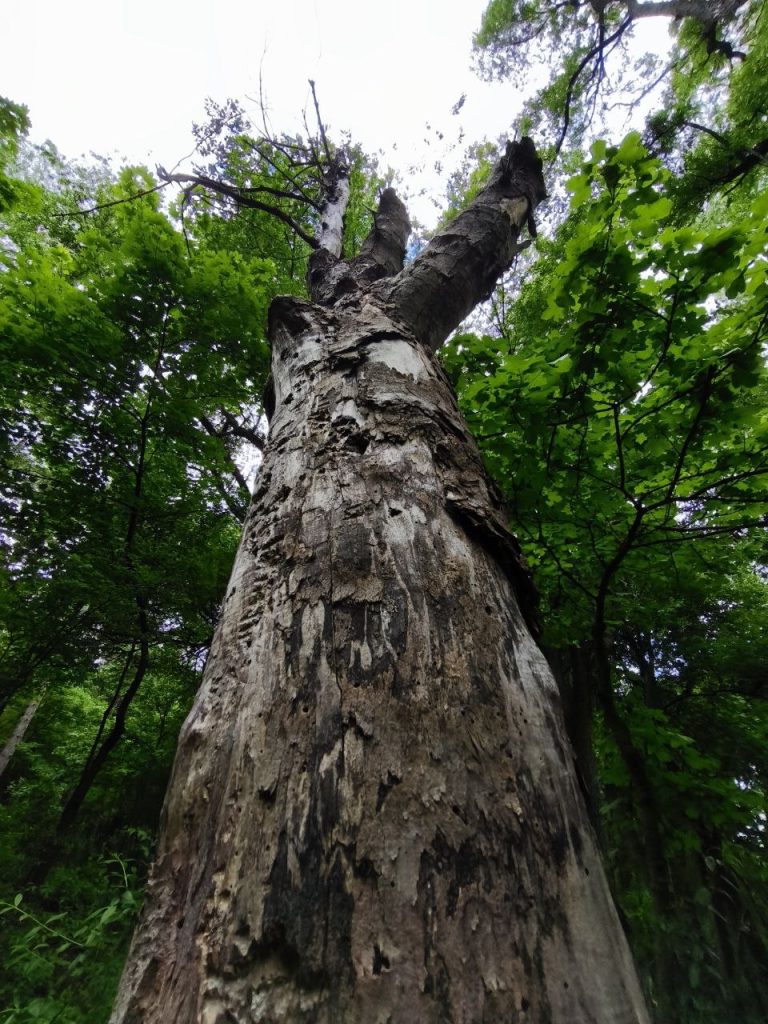
Green trees are being cut down, while dry and dangerous ones are left standing

Category: EN

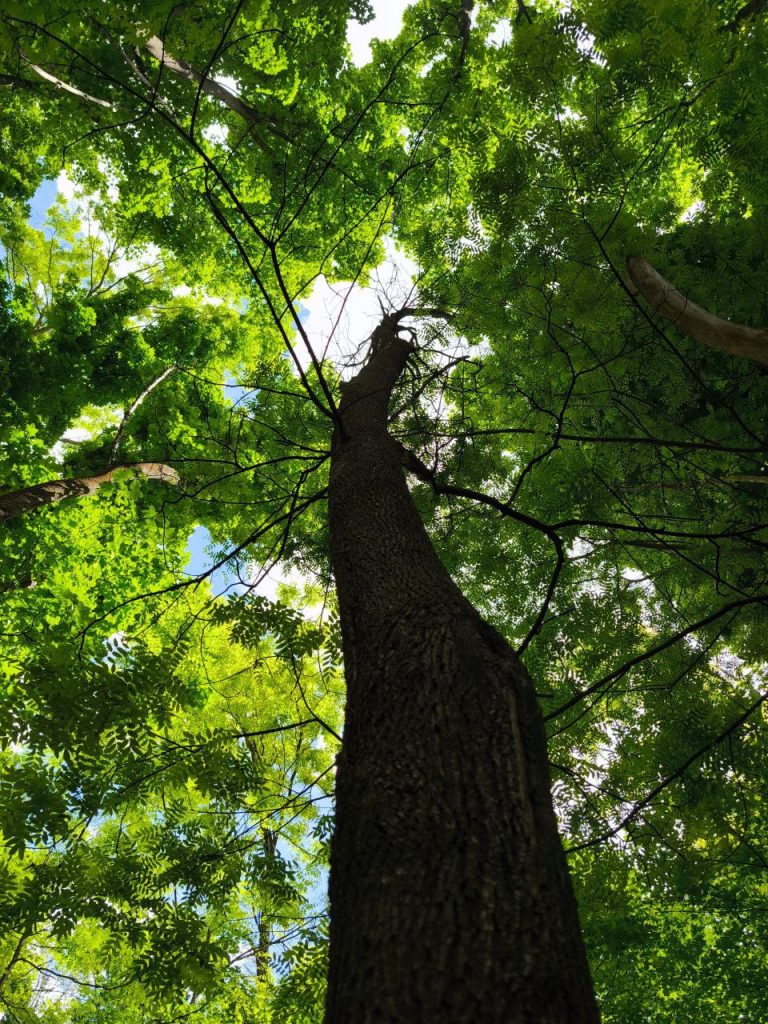
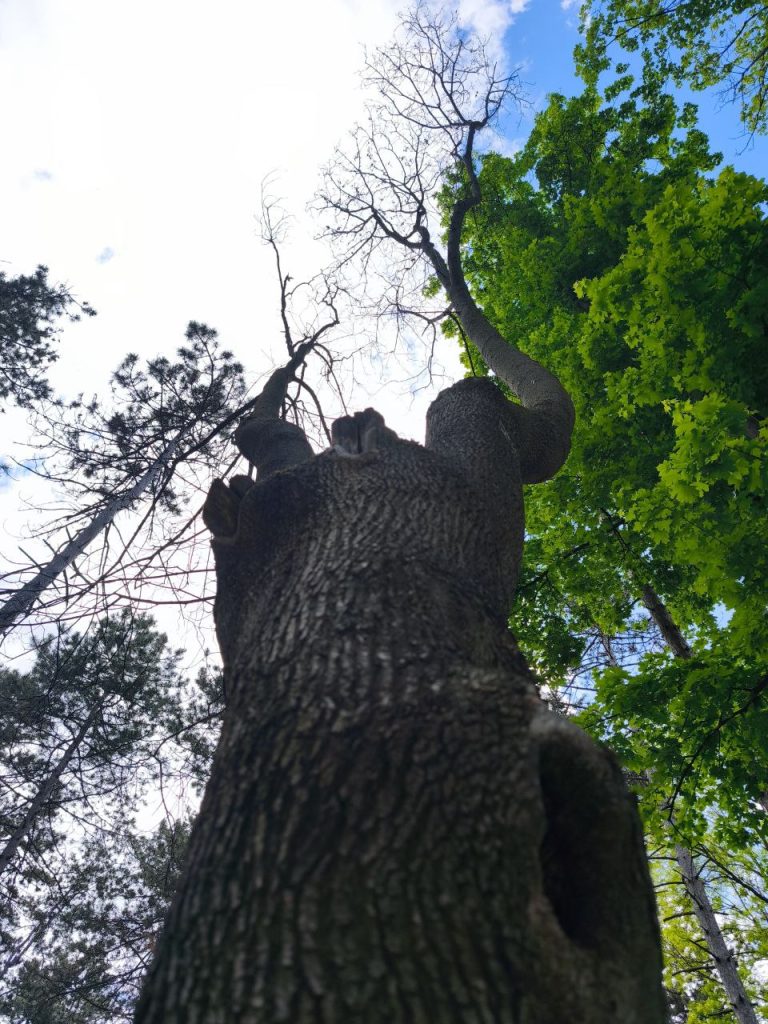
Spații Verzi is cutting down green trees in Chișinău — claiming they are protecting residents from falling trees.

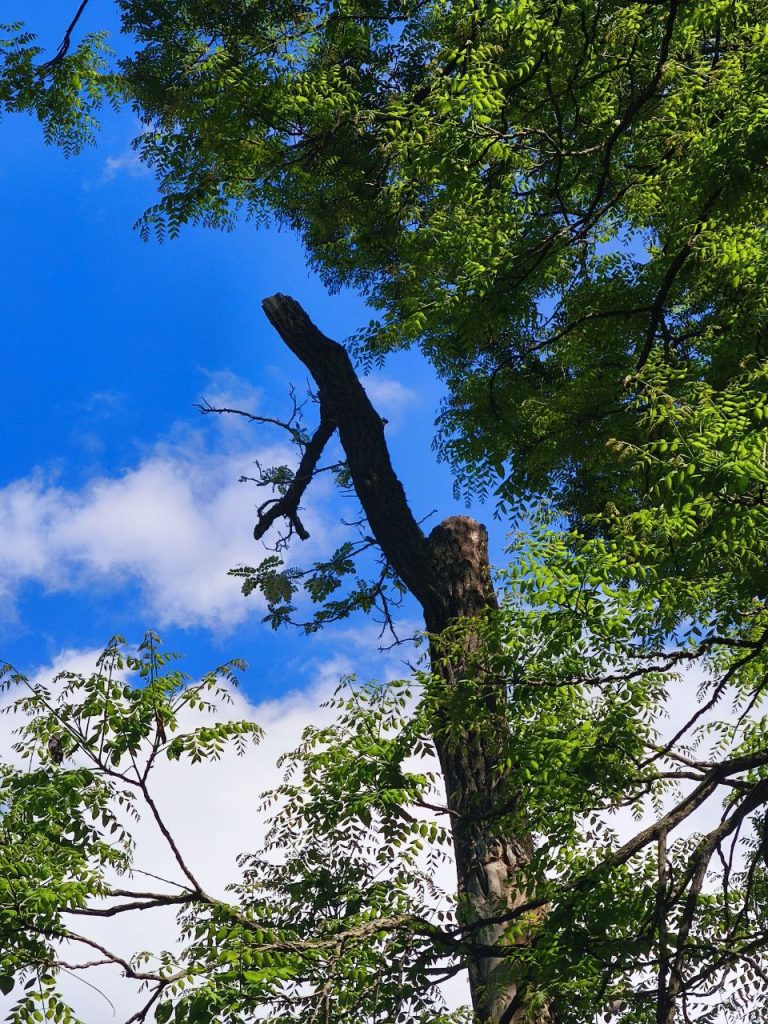
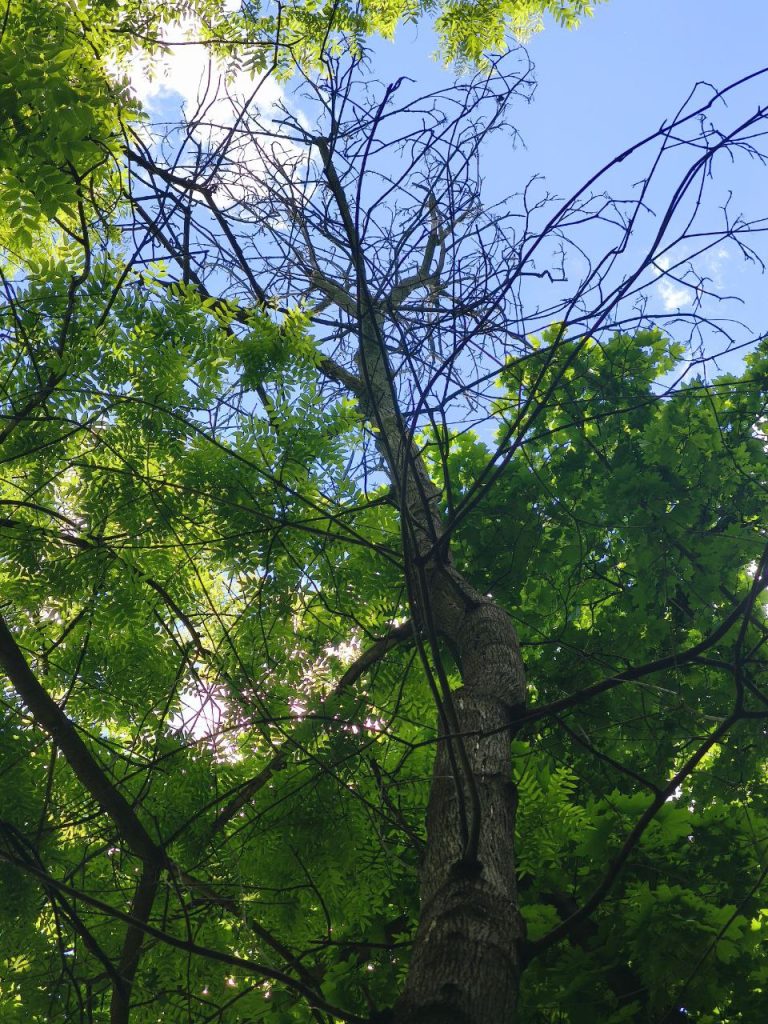
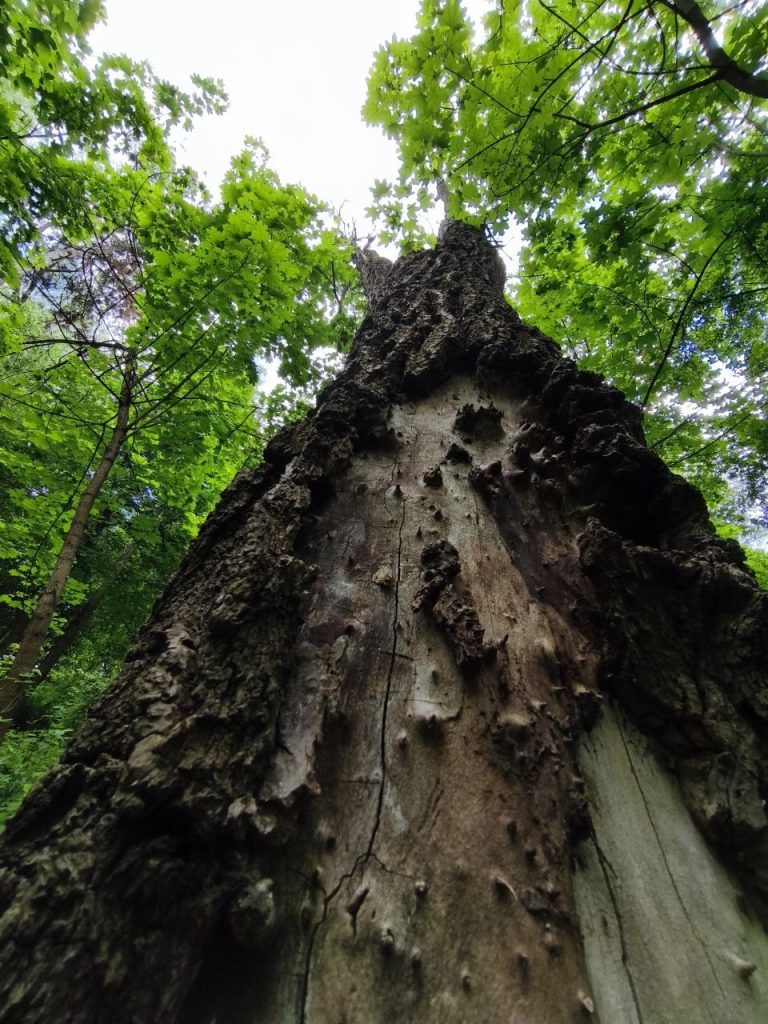
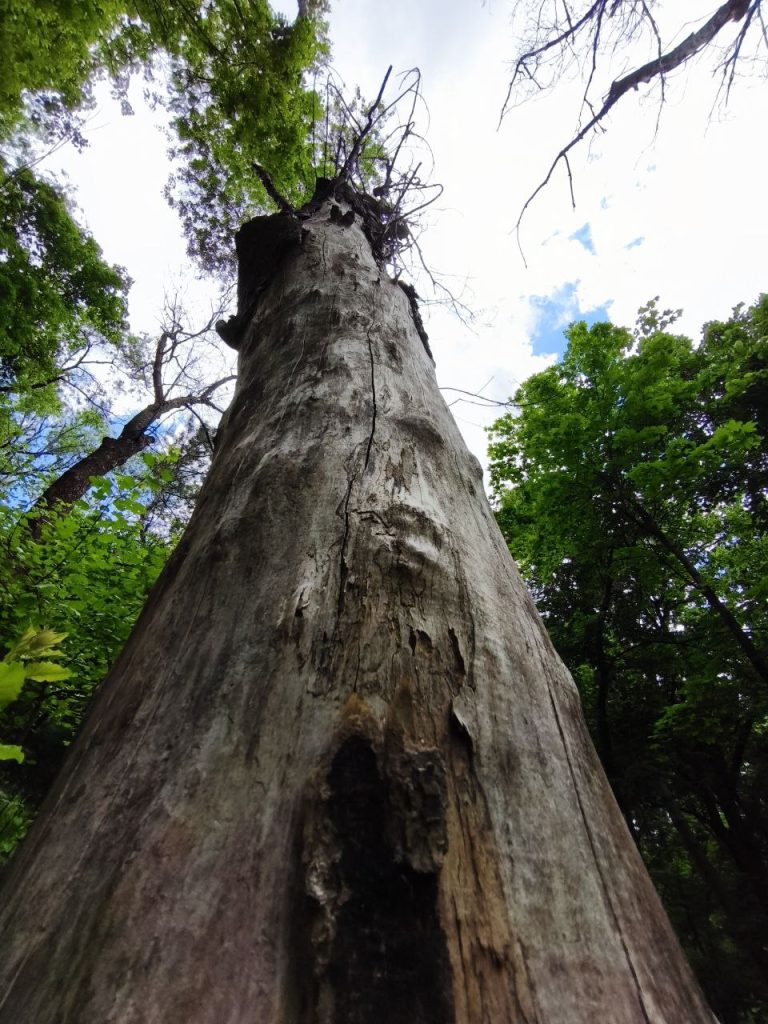
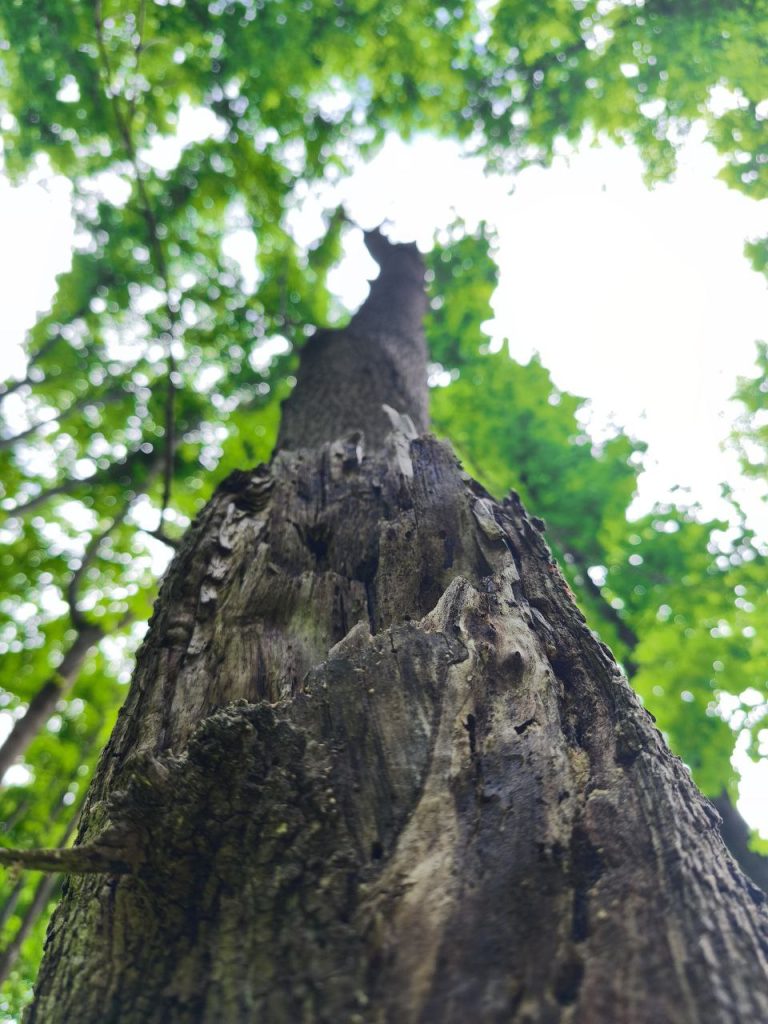
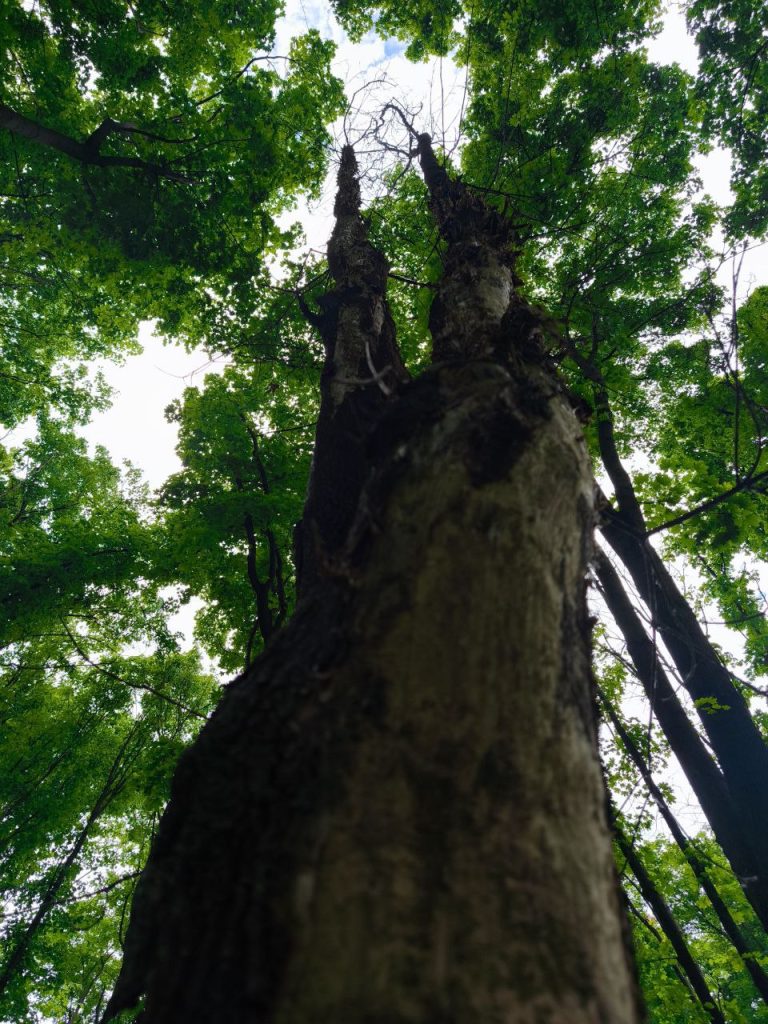
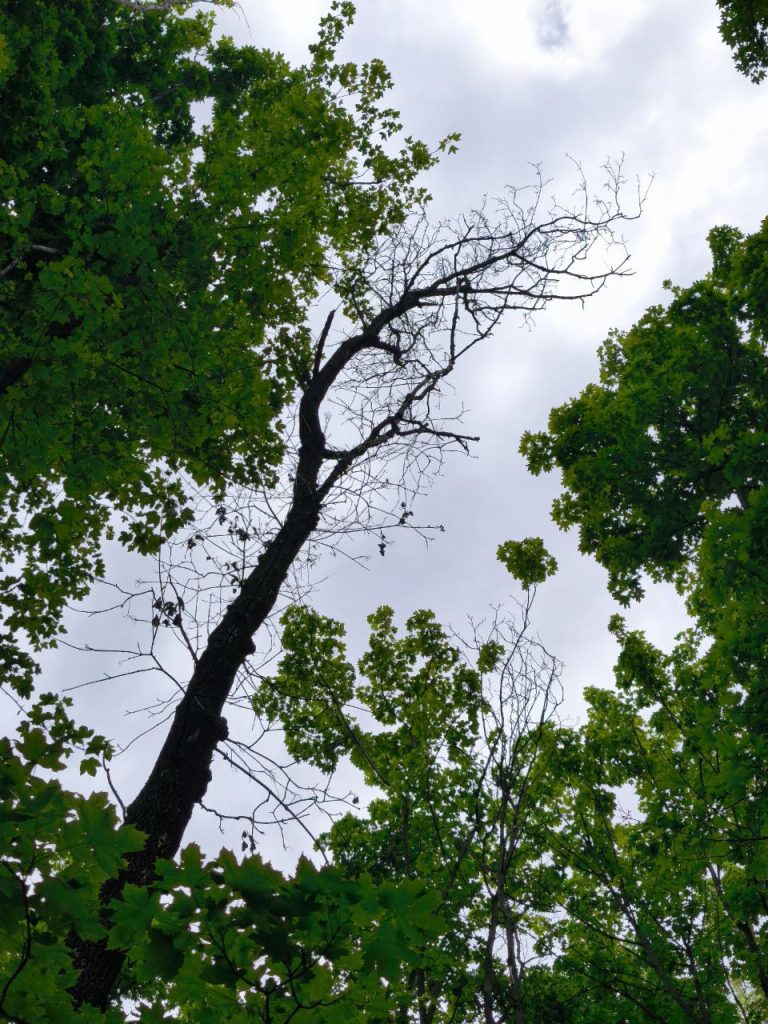
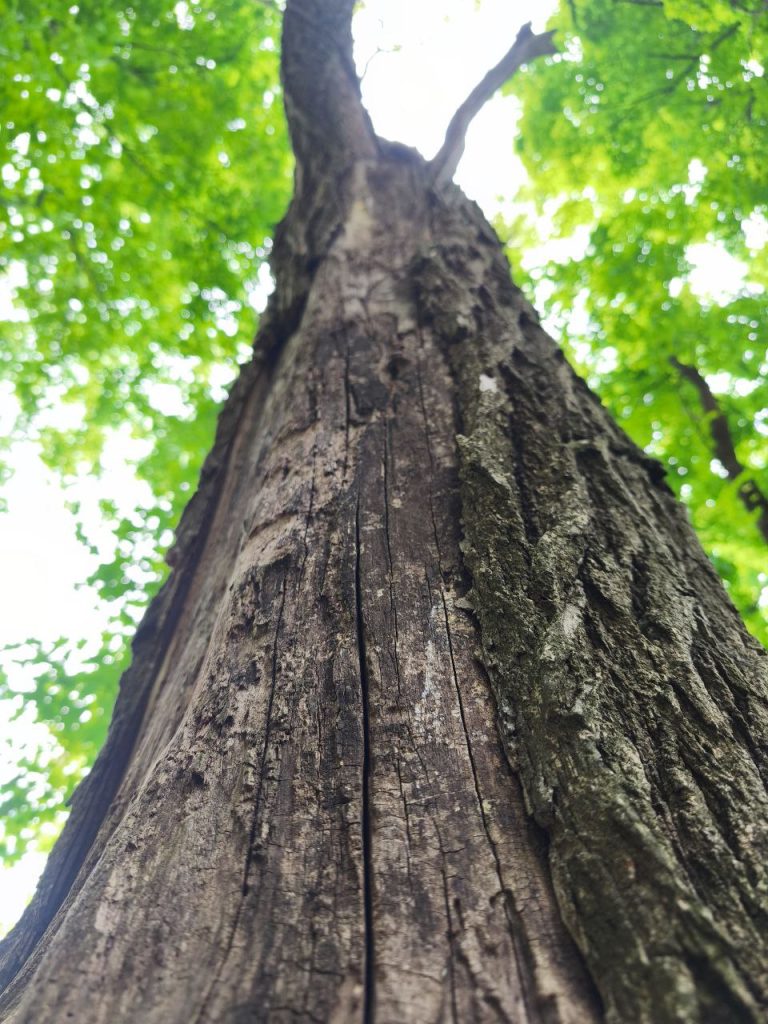
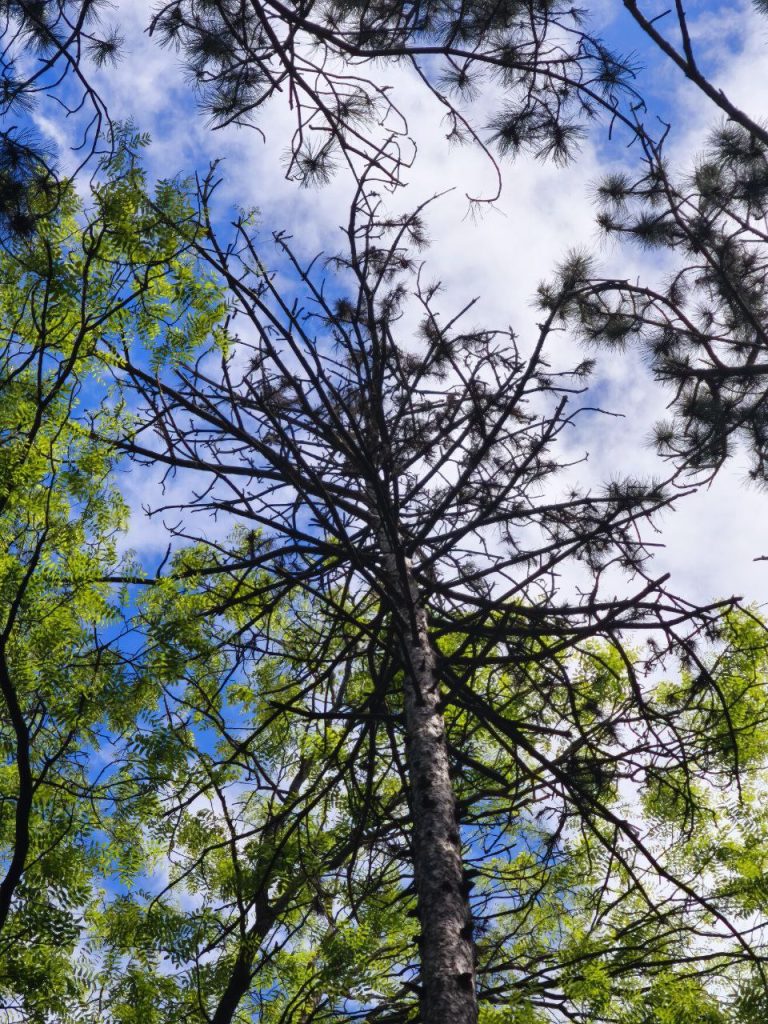
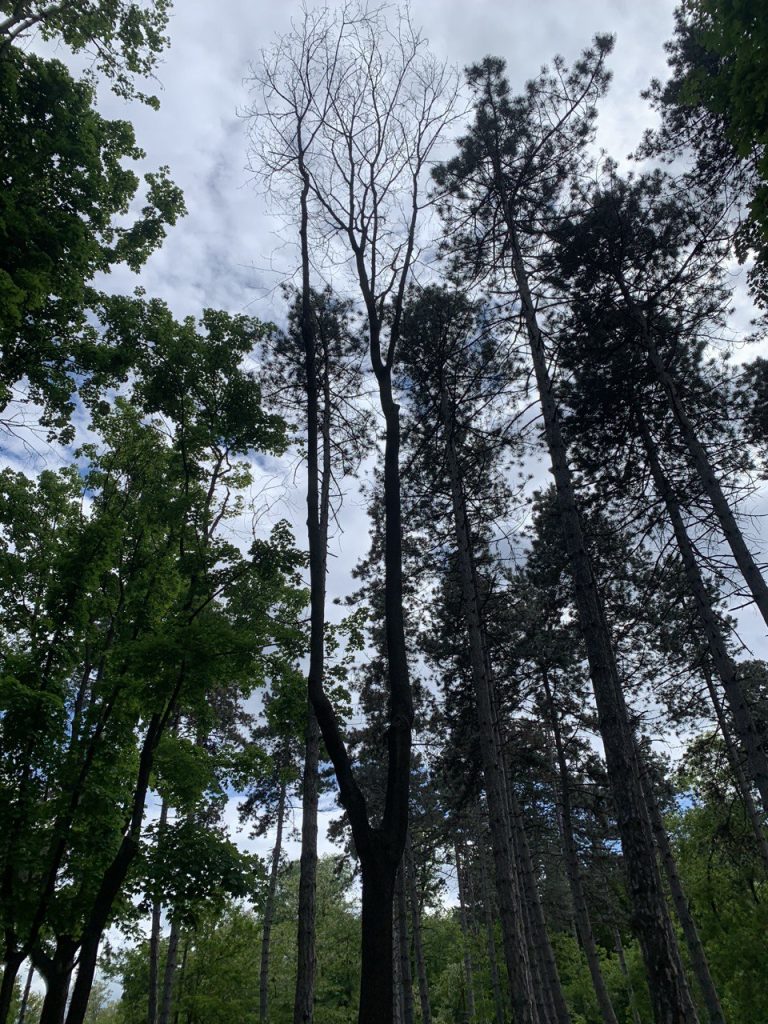
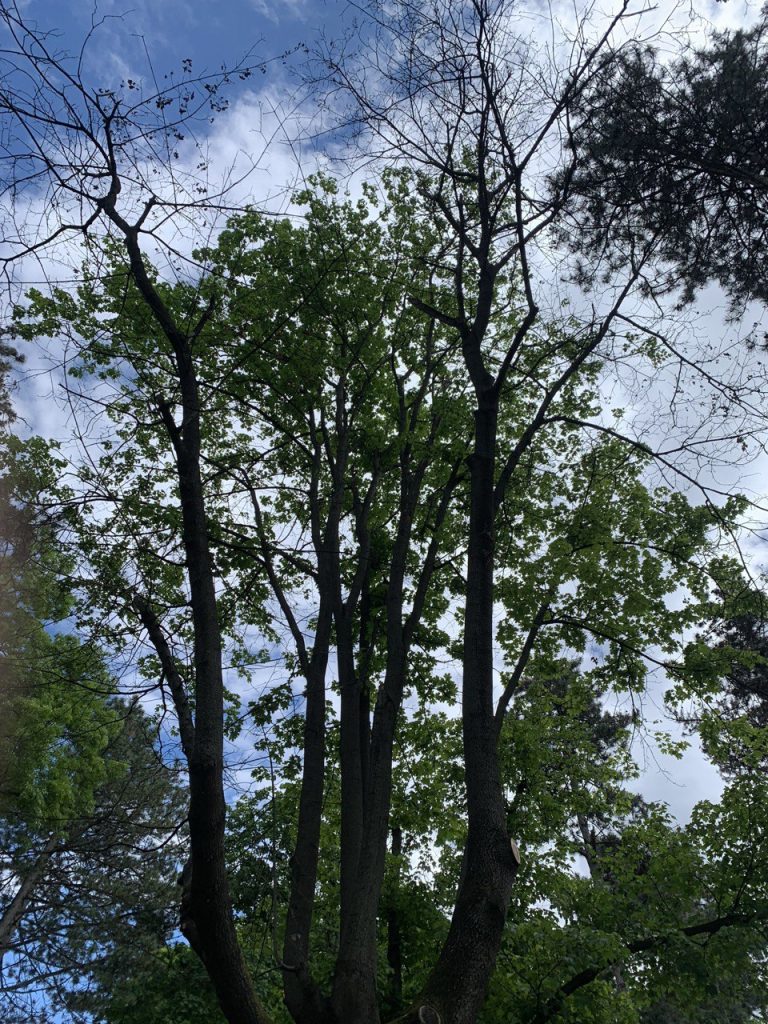
At the same time, many completely dried-out trees, which pose a real danger, are not being removed.

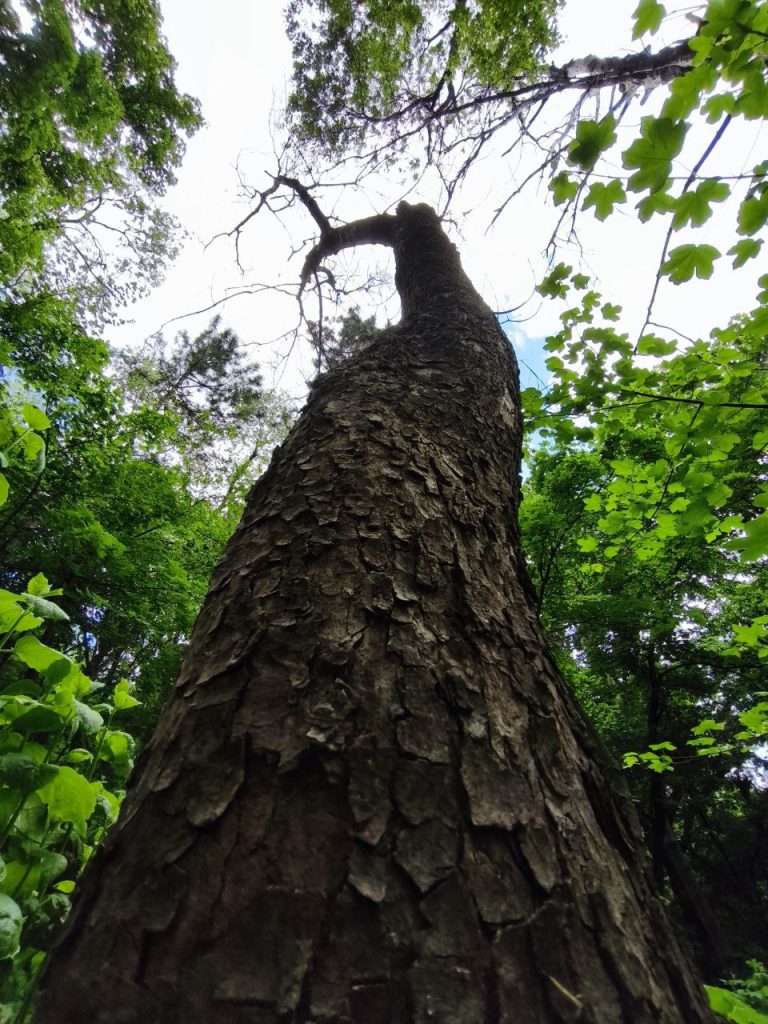
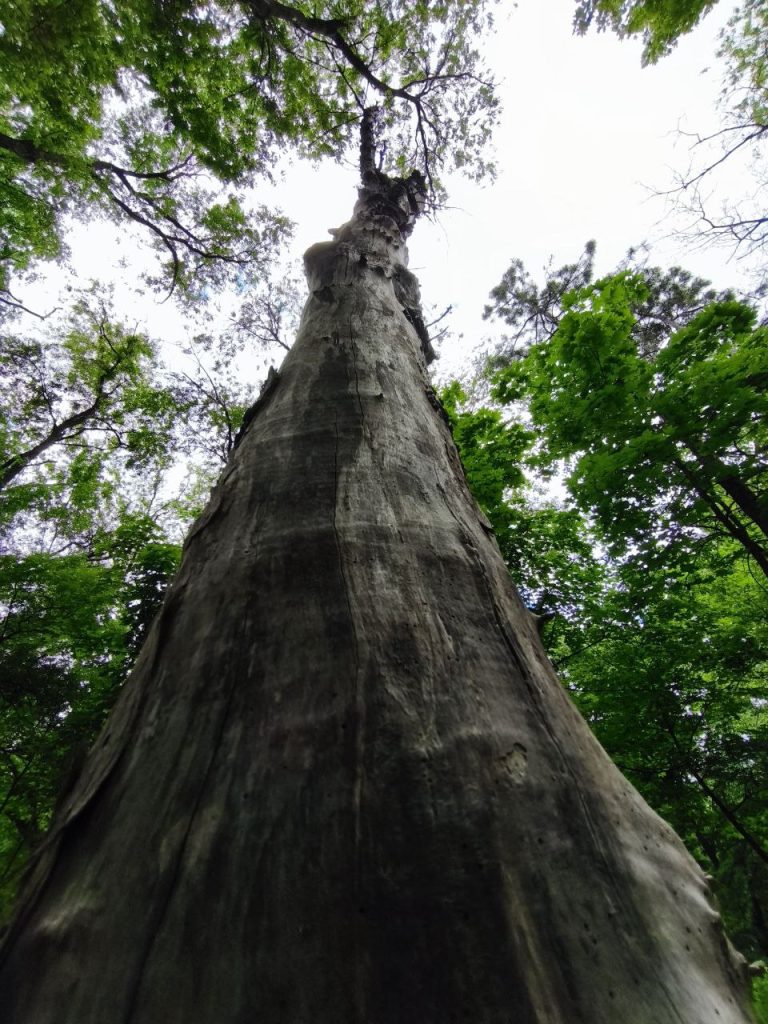
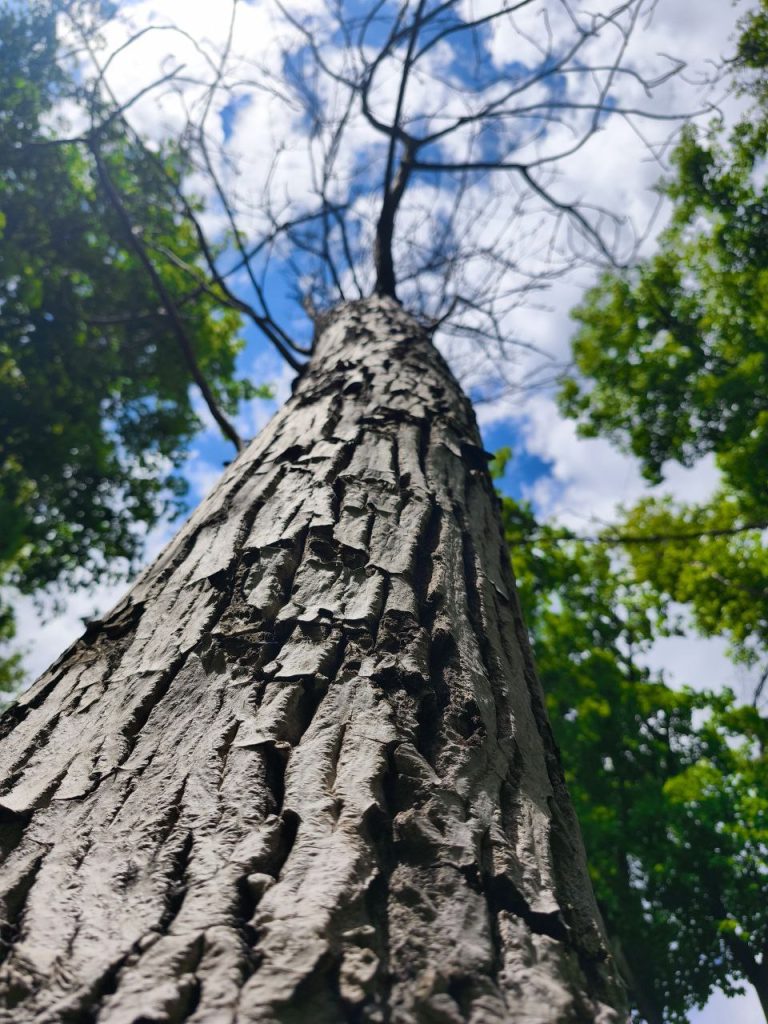
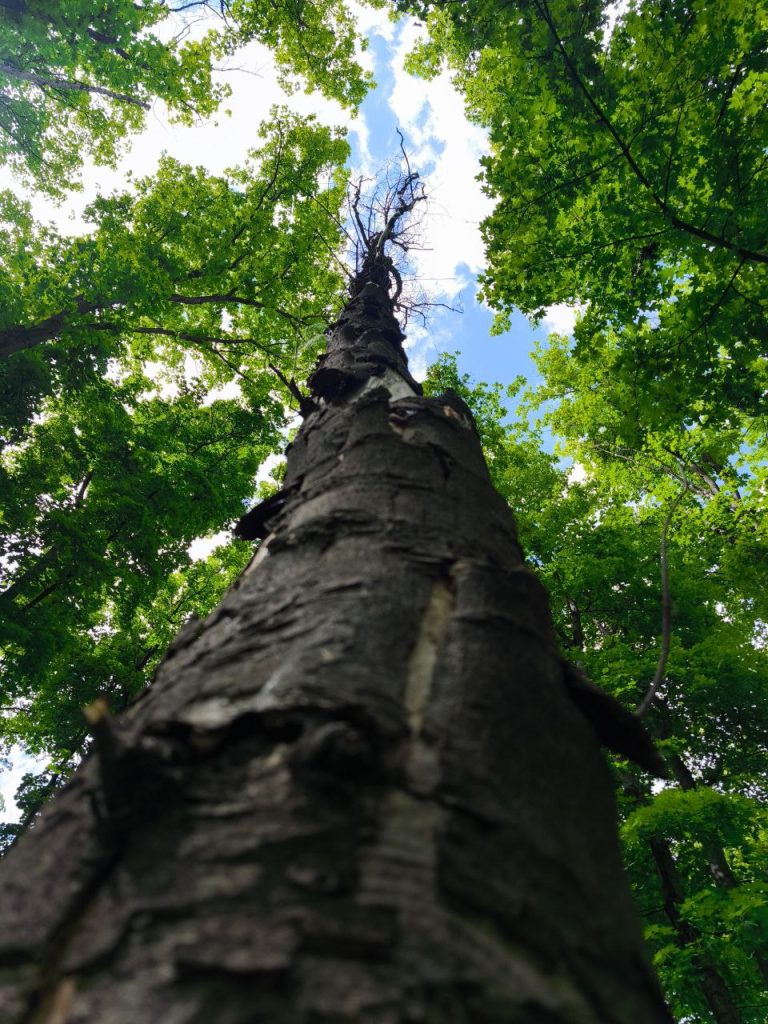
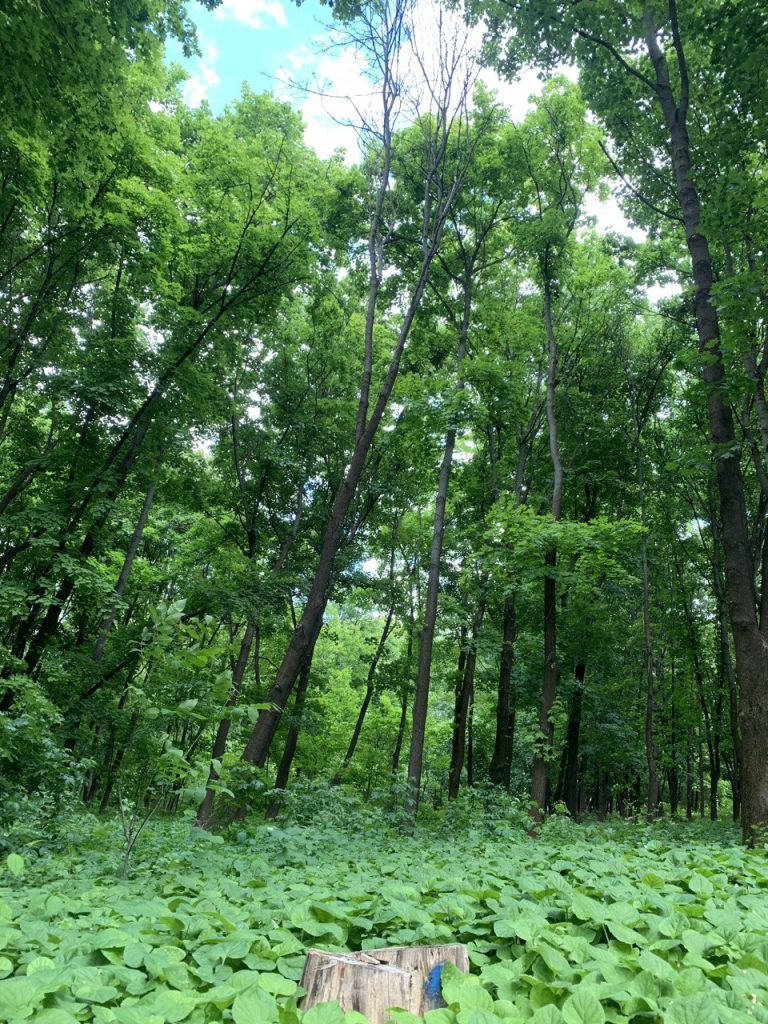
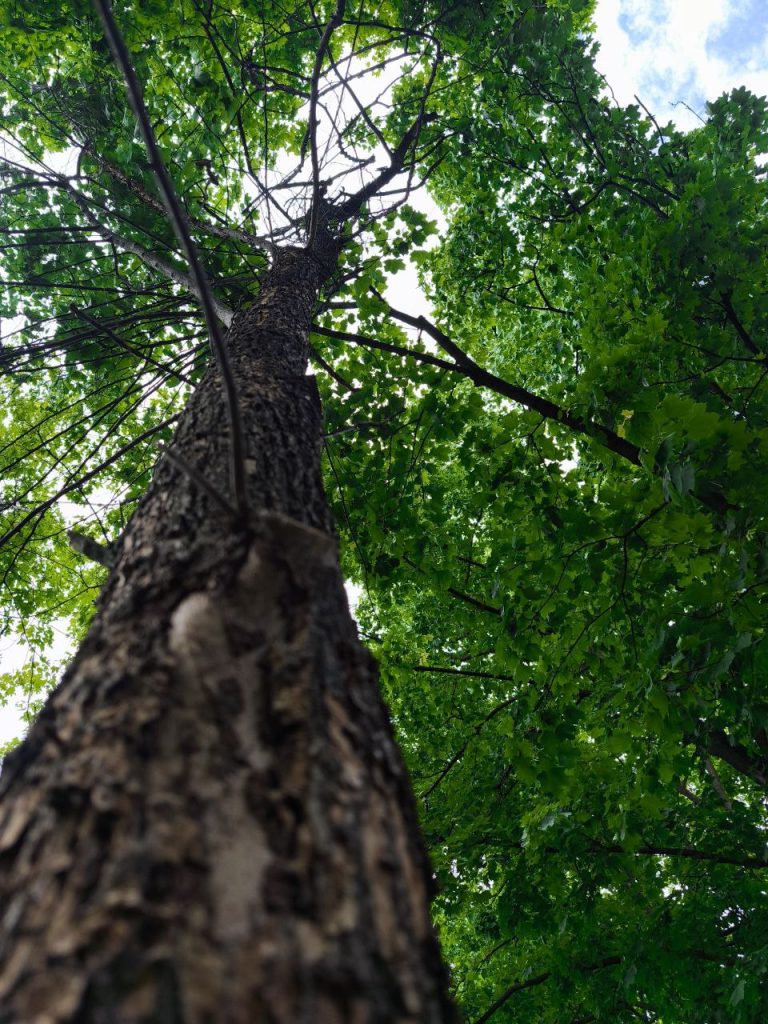
Eco-activists from the organization Pădurea Noastră conducted a quick inspection of Valea Morilor Park and found at least 30 dangerous dry trees that urgently need to be cut down.

Instead, Spații Verzi continues to cut down green trees and says they are working for our safety.

Here are the geo-tags of all the dry trees, along with photos. You can check it yourself! The eco-activists plan to send this list to the Environmental Inspection and collect information on all dry trees in other parks around Chișinău. They also issued a public statement: “Don’t cut down the living trees — cut down the dry ones!”

The first two dry and most dangerous trees — next to which a children’s event was held — are located here: maps.app.goo.gl

3. maps.app.goo.gl

4. maps.app.goo.gl

5. maps.app.goo.gl

6. maps.app.goo.gl

7. maps.app.goo.gl

8. maps.app.goo.gl

9. maps.app.goo.gl

10.11. maps.app.goo.gl

12-14 maps.app.goo.gl

15. maps.app.goo.gl

16.17. maps.app.goo.gl

18-20. maps.app.goo.gl

21. maps.app.goo.gl

22. maps.app.goo.gl

 23. maps.app.goo.gl

24. maps.app.goo.gl

25.26. maps.app.goo.gl

27. maps.app.goo.gl

28. maps.app.goo.gl

29.30 maps.app.goo.gl

10 Million Steps for Ecology — A Unique Project by Moldovan Eco-Activists

Category: EN

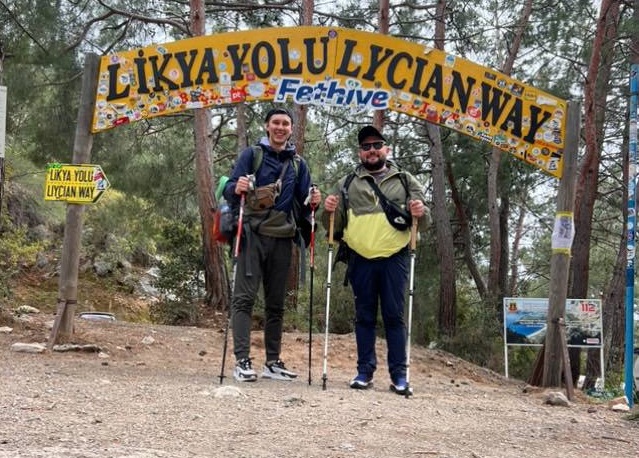
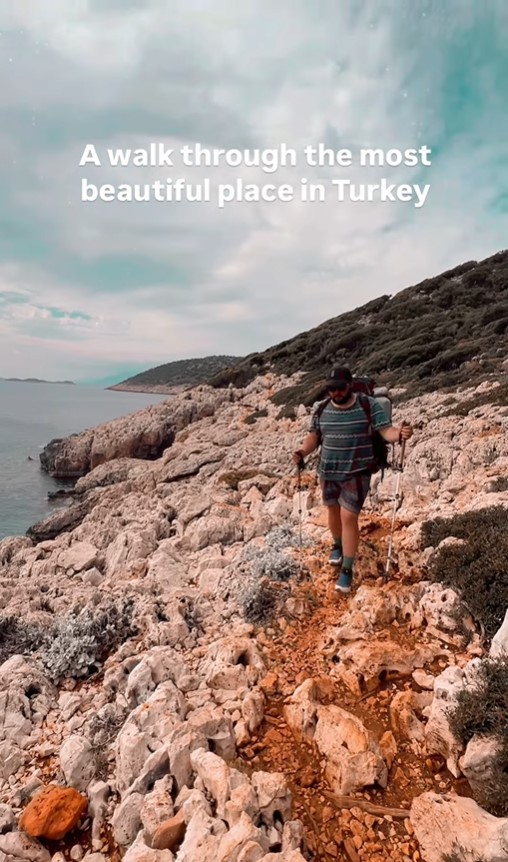
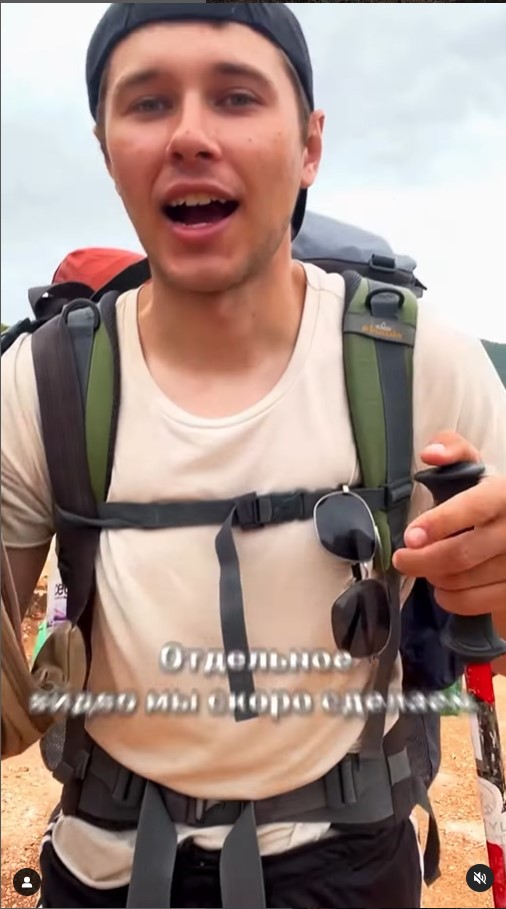
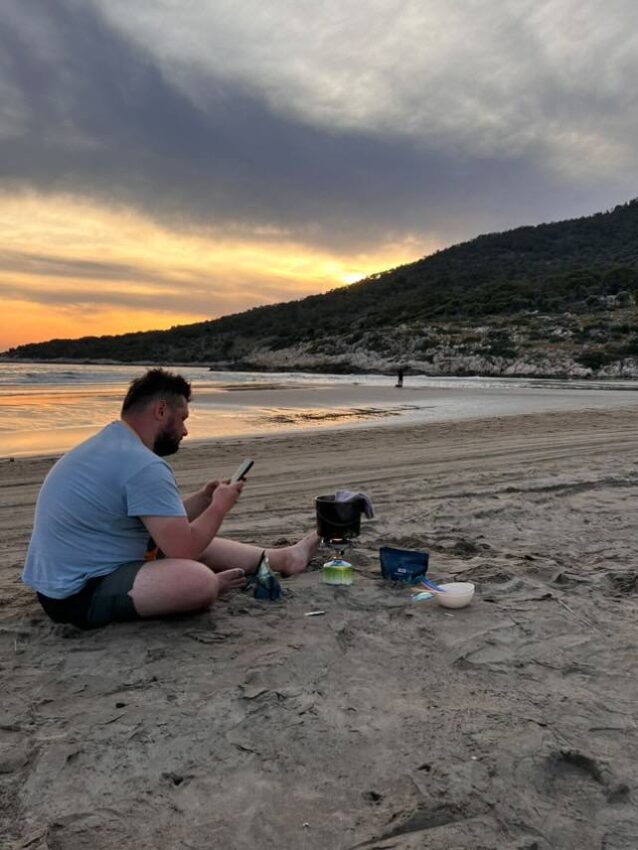
An unusual initiative has started from Moldova — 10 Million Steps for Ecology. Two Moldovan activists are walking over 500 km across Turkey to raise funds for planting 2025 trees in Moldova.

Their route — the famous Lycian Way — marks the first stage of a large-scale campaign. Through this journey, the initiators aim to mobilize people to donate for saplings and invite everyone to join planting events alongside volunteers from the initiative “Plantăm fapte bune în Moldova / Parcurile Viitorului” — a team that has been restoring forests and saving rivers through cleanups and tree planting for many years.

The initiative is open to all: anyone can contribute — by donating or by participating in the #NumărăPașii challenge, a collective action aimed at symbolically reaching 10 million steps for nature.

We spoke with the initiators of the campaign. Here’s what they shared:

🟢 Who are you?
We are the administrators of the Telegram channel Friends MD, created to help people connect with each other for any kind of request. For over a year, our channel has united people across the country — whether for friendship, helping the lonely or newcomers to Moldova, or for large initiatives, charity actions, or simply interesting ideas.

🟢 What do you want to achieve?
On a larger scale, we want as many people as possible to learn about our project. It has already helped thousands make friends, find partners, fulfill dreams, or gather people around their causes.

Currently, within a charity campaign, we launched a challenge with our followers: the goal is to collectively walk 10,000,000 steps, sharing progress on social media to draw attention to environmental issues.
[Link to post]

As administrators, we decided to fully commit: we set off on foot along the Lycian Way in Turkey to attract even more attention and make a significant contribution to the common cause.

🟢 How did the idea to raise money for trees come up?
While preparing for the initiative, we asked ourselves: What real impact can we make, beyond raising awareness?

We began looking for volunteers already involved in hands-on environmental action — and found the organization Parcurile Viitorului ([Facebook link]).

We spoke with one of their coordinators, Petru. He told us that several years ago, a group of enthusiasts began planting forests in the Vadul lui Vodă area.

The initiative has gradually grown, attracting more and more participants. Now, they continue planting trees across the country on their own. Currently, they’re working to save the Bălțata River — cleaning it from trash and planting trees along its banks.

🟢 How exactly can people help?
We asked Petru: “What do you need the most?”
He replied: volunteers for planting and funds for buying saplings.

So we divided our campaign into two stages:
— During the hike and challenge, we’re collecting donations for saplings, which we’ll fully transfer to Petru and his team;
— Then we’ll organize a tree planting day and invite everyone to join us.

Everything will be documented through photos and videos to raise further awareness and inspire more good deeds.

🟢 What kind of trees will be planted?
That part is entirely up to the Parcurile Viitorului team. They have the experience and know which tree species are suitable and how to plant them properly.

🟢 Who will plant the trees?
We, together with our followers and anyone inspired by this initiative. The planting will be guided by experienced volunteers from Parcurile Viitorului.

🟢 Have you done similar projects before?
Yes. Over the past year, we’ve organized many volunteer and cleanup actions.

Our greatest achievement is the elimination of an illegal landfill in Valea Morilor Park ([link]), which we cleaned up with volunteers from the NGOs Pădurea Noastră and TRADIȚII, collecting and removing over 500 bags of waste.

Also, through our channel, followers organized various charity events:
— supporting animal shelters,
— planting trees,
— psychological support forums for vulnerable people,
and much more.

🟢 Why are you doing this?
The Friends MD project has been running for over a year and has helped many people bring their ideas to life and find like-minded individuals. We share requests from active people with a wide audience, believing that supporting good initiatives can change the country for the better.

But not everyone sees the value of our resource. That’s why we decided to lead by example — to show that the power of community can create large-scale projects, uniting people through a simple call to action.

What we’re doing — anyone can do. Or even more — using our platform.

🟢🟢🟢 How can Ecopresa readers help?
Right now, the most important thing is spreading the word — so it reaches everyone who cares about deforestation and environmental issues.

Even subscribing and sharing is already a huge contribution:
Instagram: @moldova_friends

Those who are able are invited to donate for saplings and prepare to join us in planting — shoulder to shoulder with our followers.

People in Need Moldova has highly praised the environmental efforts of the public association “Pădurea Noastră”

Category: EN

“We are proud of our partners who make a significant contribution to cleaning Moldova’s forests and planting trees. These actions bring hope and strengthen collective responsibility,” the organization stated.

🌍 On the occasion of Earth Day, People in Need congratulated everyone and emphasized that it is a moment to reflect on the responsibility humanity holds towards the planet. In this context, the international organization highlighted the contribution of the Moldovan environmental initiative “Pădurea Noastră” and the partner project “Tabăra Mamei Pământ” to environmental protection.

♻️ According to People in Need representatives, Earth Day is not only a symbolic gesture, but also a call to action for the entire civil society.
“Let us work together to develop bold initiatives for the sustainable use of natural resources and the prevention of environmental issues that impact our present and future,” they said.

🌱 The work of “Pădurea Noastră”, aimed at combating forest pollution and restoring green areas, has received support within the framework of the regional project “Resilience of Civil Society in the Eastern Partnership Countries”, implemented by People in Need, with financial support from the European Union and co-financing from the Ministry of Foreign Affairs of the Czech Republic through the Transition Program.

🔵 Supporting such initiatives highlights the importance of uniting the efforts of local communities, civil organizations, and international partners to protect nature and ensure a sustainable future for Moldova.

How Moldova Can Learn from European Experiences in Combating Climate Change

Category: EN

The European Union has a positive influence on the Republic of Moldova, including in the field of environment and climate change.

This includes both political and technical assistance. Moldova does not have to act alone. It is appropriate to adopt European practices in the transition from a pollution-based, fossil fuel-dependent economy to a green and sustainable economy.

These statements were made by the national co-leader of the Green Agenda Project, Iordanca Rodica Iordanov, during the debate titled: “The readiness of the population and its willingness to support initiatives for Moldova’s green transition”, as reported by IPN.

“A green transition would mean adopting these experiences and also the regulatory and technical frameworks, adapted to Moldova’s context. We cannot copy them exactly, as we have our own national, geographical, and climatic particularities,” stated Iordanca Rodica Iordanov. She added that with the financial resources currently available, the Republic of Moldova will not be able to cope with this process—or will manage, but over a very long period. Under these circumstances, European support is essential. The EU supports Moldova in this process through various means, including grants and loans, the expert noted.

The lack of forests, according to Iordanca Rodica Iordanov, has a decisive impact on climate change. That is why a balance must be found between human comfort and the protection of ecosystems. When forests are cut down, it increases the risk of landslides, droughts, and torrential rains.

“There is also a noticeable trend nowadays. Every time there is an energy crisis, it is declared that there is not enough firewood and that citizens must be supported—so tree cutting is permitted. This approach is not constructive and does not support environmental protection or the reduction of climate change impacts,” emphasized the national co-leader of the Green Agenda Project.

During the debate, the results of a study conducted in the Republic of Moldova over six months were presented. 82% of respondents consider deforestation to be the main cause of climate change. 57% of those surveyed believe that both natural factors and human activity contribute to climate change.

The study was developed as part of the “Green Agenda” project implemented by the Stockholm Environment Institute and funded by the Swedish International Development Cooperation Agency, with AO EcoContact as the national implementing partner.

Eco-activists demand accountability in forest restoration projects

Category: EN

Moldova is about to receive 200 million euros for forest planting, and there are only two possible outcomes: either we become a beautiful, prosperous European country, or we’ll see neither the forests nor the money.

This opinion was expressed by eco-activist Vladislav Sandulyak, one of the leaders of the “Camp of Mother Earth” team and a student at the Faculty of Ecology at the Technical University of Moldova, as reported by Noi.md.

He noted that the audit reports of the Court of Accounts give strong reasons to doubt the activities of Moldsilva.

The most recent report points out issues such as: violations in the distribution of subsidies; lack of transparency and oversight; irregularities in the authorization of logging; non-transparent pricing; violations in the distribution of firewood; exceeding established limits; flaws in the pricing methodology; and breaches in the subsidy allocation mechanism.

“Illegal logging is a separate story altogether. The latest offenders who stole forest resources worth 2–4 million lei were fined just 67,500 lei. That means the state has created favorable conditions for forest theft, especially when foresters are paid miserable wages. I dare to say that if all these violations exist, they will also affect the 200 million euros in European credit funds,” emphasized the eco-activist and student.

According to him, such cases have already been reported in the press during sapling planting. For example, auditors visited the Vadul-lui-Vodă forestry district, where documents claimed 1,866 acacia trees had been planted on 0.8 hectares. However, auditors suspected that the work was not done. They presented slides with photos showing grass and trampled shrubs instead of forest and trees.

“Logically, it should be the minister’s job to restore order in the institutions under his authority, but instead, the minister is actively defending the Moldsilva agency, even recording videos to ‘debunk fakes’. In one of his videos, he holds up some papers, claiming they are permits for legal logging and saying the documents will be uploaded to Moldsilva’s website within a week. A month has passed — and the documents are still missing. Maybe some experts can explain why these documents aren’t made publicly available, or maybe the minister himself can clarify this?” said Vladislav Sandulyak.

He also pointed out that the agency’s website references its last study from 2010.

“As far as I understand, in light of global climate change, it is necessary to conduct a new study to determine exactly how much forest we can afford to cut and how much must be preserved due to global shifts. But Moldsilva is most likely still working under old Soviet systems, where the priority of state logic was to increase production and extract resources — not to adapt to drought. Maybe we can find experts or ask the minister whether the ministry plans to study recent climate trends and adjust logging accordingly to combat heat and drought?” asked the eco-activist.

According to him, if authorities claim they plan to plant many trees as a solution, it is already too late. The trees they plant now will yield results only decades from now.

“But we need action yesterday! That’s why preserving old trees — which are already providing shade and retaining soil moisture — is the only effective way to combat drought today, not 30 years from now,” emphasized Vladislav Sandulyak.

What is the secret of old trees?

Category: EN

Last spring, the government of Moldova approved a new Forest Code, and in the summer, everyone was caught off guard by an extreme heatwave. This summer, record heat and drought are also being forecast. What in this new code protects us from heat and drought? Nothing…

Last spring, the government of Moldova approved a new Forest Code, and in the summer, everyone was caught off guard by an extreme heatwave. This summer, record heat and drought are again being forecast. What in this new code protects us from heat and drought? Nothing…

It turns out that the code was not written to counter the looming climate change, but to comply with new European standards.

European standards are not bad, but they are too small for us. In some European countries, forests cover 75% of the territory, while in our country — only 11%, the worst indicator in Europe. That’s why the advice of Europeans should be boldly multiplied several times, and we must create braver laws that will truly restore our forests and help fight climate change — not just adopt laws to check a box for the European Commission.

The boldest decision for Moldova, as many experts have repeatedly stated, is a complete ban on logging.

Biologist Valeriu Arvat explained to us the crucial role of the deep roots of old trees in preserving moisture in the soil and combating drought.

There are hardly any of these old trees left — the ones capable of saving the land from drought. Foresters are cutting trees too quickly, and the so-called “mature trees” are getting younger and younger.

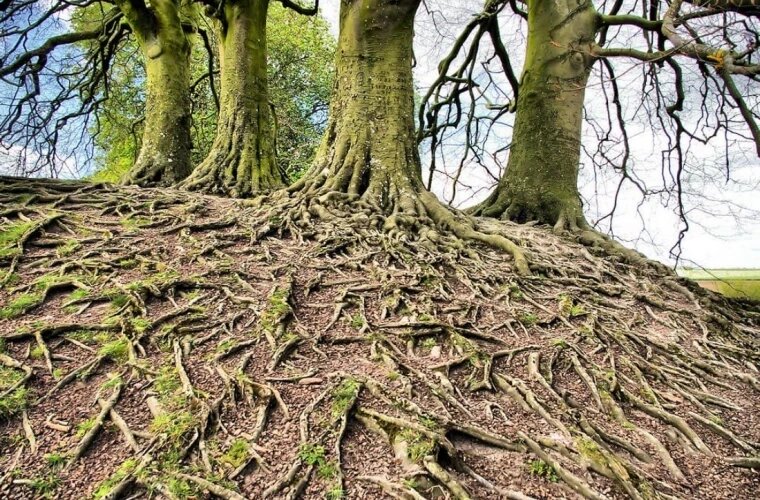
So, what is the secret of old trees? Trees are like massive pumps that draw water from the lower layers of the soil to the upper ones. They also act as reservoirs that can retain moisture in the upper soil layers from rainfall. Young trees, unlike old ones, simply consume water from the soil, but only old trees are capable of pulling it upward and holding it near the surface.

The fact is that trees, like all living things on the planet, are made of carbon, and according to biologist Valeriu Arvat, every molecule of carbon can retain up to four molecules of water. By studying the relationship between soil composition and plant health using the method of American doctor Carey Reams, this Moldovan expert achieved high-quality and nutrient-rich fruits in agriculture.

Biologists know that for a plant to perform photosynthesis, it needs three things: water, carbon dioxide (CO₂), and energy (sunlight). As a result, trees produce sugars (glucose) and release oxygen (O₂) for humans.

For example, to build one molecule of glucose, 12 atoms of hydrogen are needed. Hydrogen enters the plant through water via the roots. Therefore, for a plant to grow, it must absorb and retain water.

According to Valeriu Arvat, small plants are unable to draw water from the deep layers of the soil, and if the upper layers dry out, the plant dries out as well. Only old, century-old trees can lift water to the upper layers of the soil, thus providing life-giving moisture to younger plants and even replenishing human springs and wells. In addition, old trees have denser crowns that better shade the soil and prevent excessive evaporation of moisture.

But because almost no old trees remain in Moldova’s 11% forested area, we are at the very beginning of a serious climate collapse. And to prevent Moldova from turning into an African desert, we must impose a complete ban on logging for many years, so that century-old trees with deep root systems can return.

Below is an important informational note. Maybe members of the government will read it, write proper laws, and then Moldova’s small rivers will fill up again, the Dniester will deepen, and we will stop suffocating from excessive heat.

Mechanism of capillary water rise:

  1. Some trees, especially those growing in arid or semi-arid regions, have roots that can reach significant depths, sometimes even reaching groundwater. These are called taproots or deep roots.

  2. These roots can extract water from deep soil layers where the roots of other plants cannot reach. This is especially important during droughts when the upper soil layers dry out.

  3. Trees with deep roots can release part of the absorbed water into the upper soil layers through their surface roots. This process is called hydraulic redistribution.

  4. The water released by the tree into the upper soil becomes available to other plants with shallower roots. This is vital in ecosystems with high competition for water.

  5. Hydraulic redistribution helps maintain the microclimate and biodiversity, ensuring access to water for understory and other plants that cannot reach deep water sources.

  6. Studies show that in arid regions, up to 30% of the water absorbed by a tree’s deep roots can be redistributed to the upper soil layers, improving the ecosystem’s water balance. For example, oaks with deep roots support many other plant species, especially during summer when surface water disappears.

Vladislav Sanduleac,
eco-activist

Deforestation Continues to Increase Despite Global Pledges. How Is Moldova Responding?

Category: EN

Recent months’ news warns of significant changes:

“We are facing a period of high temperatures that will last about 80 days,” noted expert Sergiu Dobrojan.

“The flow into the Moldovan segment of the Dniester remains at 100 m³/s,” shares observations from Doctor of Science Ilia Trombitsky.

It’s been over three years since the 2021 COP26 climate summit, where 140 countries, including Moldova, signed a declaration to halt global deforestation by 2030. However, recent data indicates the situation is worsening.

According to the Forest Declaration Assessment 2024, last year, 6.4 million hectares of forest were destroyed worldwide. Additionally, over 62 million hectares suffered degradation due to logging, infrastructure development, and fires. The primary causes include increased demand for meat, soy, palm oil, and nickel.

Moldova, although not among countries with tropical forests, also faces deforestation issues.

One recent case, according to the prosecutor’s office, involved three men attempting to steal over 4,000 cubic meters of timber in the Anenii Noi district. This is equivalent to approximately 4,000 or 12,000 felled trees for young and mature forests, respectively, corresponding to 0.4 or 1.5 hectares of continuous forest, and valued at 2–4 million lei. For the damage caused, they received a fine of only 67,500 lei! It turns out that minimal fines create favorable conditions for forest theft in Moldova.

On the Moldsilva website, the latest research dates back to 2010, indicating that the organization is likely significantly lagging behind the constantly changing climate indicators.

The organization also faces constant criticism from experts and citizens due to the lack of transparent reporting: how much timber has been cut and where was it sold? What is the quantity in hectares, and does the number of planted hectares exceed the number of felled ones?

Citizens’ and experts’ concerns were confirmed by the latest external audit at the end of 2023, when the Court of Accounts examined the use of 50.2 million lei allocated to Moldsilva. The audit revealed:

  • Lack of clear criteria for firewood distribution, leading to multiple family members and individuals with alternative heating sources being included in the recipient lists.

  • Some enterprises, such as the “State Road Administration,” did not report the volumes of harvested timber and its distribution.

  • The firewood pricing mechanism was deemed defective, contributing to unjustified price increases and reduced fuel accessibility for the population.

Some examples worldwide inspire hope, but overall, the situation is deteriorating.

In Brazil, thanks to the new government’s efforts, deforestation in the Amazon basin decreased by 62% over the year. However, in the Cerrado savanna—another important biome—deforestation rates increased by 68%. Indonesia, which previously succeeded in curbing deforestation, is again showing growth—57% in one year.

Experts emphasize: voluntary measures are ineffective; strict regulation and international funding for forest protection are required. The EU plans to introduce a ban on importing products associated with deforestation—coffee, cocoa, furniture.

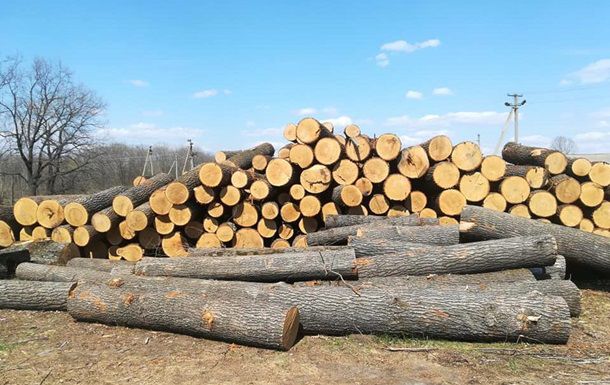
In Moldova, with the lowest afforestation rates in Europe, no new bans are being introduced, and instead, oaks continue to be cut for furniture factories and domestic production.

While there are initiatives aimed at forest restoration, the national afforestation campaign aims to increase forest cover to 15% of the country’s total area (currently about 11%). Experts note that this is insufficient—there is a need to tighten responsibility for illegal logging and strengthen land use control.

Some experts and eco-activists even call for a complete ban on logging across the country for the next 10 years.

The Ministry of Ecology does not comment on these statements; however, the refusal of logging is one of the main goals of COP29, of which the Republic of Moldova is a member. But whether Moldova actually aims to refuse logging is unknown! Officials have not commented on this conference goal.

We have only six years left until the global deadline—2030. If we continue to turn a blind eye to deforestation, Moldova risks losing its natural protection against droughts, erosion, and climate change.

Why Is Moldova Poor? The Story of an Oak Tree Worth Its Weight in Gold!

Category: EN

The ecological treasures beneath our feet are often devalued.

Amid global warming, droughts, and social instability, environmental science student Vladislav Sanduleac shares a Facebook post with reflections that surprise with their precise calculations and obvious conclusions. He tells the story of one oak tree—a living symbol of sustainable wealth—that brings Moldova dozens of times more benefits than the timber it could be cut into.

“One mature Moldovan oak, around 100 years old, brings tremendous profit to our country and people:

It produces about 100–150 kg of oxygen per year, which is enough for 2–4 people annually. How much is a healthy life for 2–4 Moldovans worth? You decide.
In Moldovan lei, I found that a 10-liter medical oxygen tank costs about 5,000 lei. That makes it roughly 50,000 lei worth of oxygen per year. Or 5,000,000 lei over 100 years.” – notes Vladislav.

Just the oxygen alone turns the oak into real value. But there’s more.

“2. The oak is a natural air conditioner. It evaporates up to 400 liters of water per day in summer, cooling and humidifying the air for those same 2–4 Moldovans.
Let’s only count the summer—90 days.
400 liters = 40 lei/day. That’s 3,600 lei per year and 360,000 lei over 100 years.
An electric air conditioner using 10 kWh/day also costs about 40 lei/day. Again, that’s 3,600 lei per year and 360,000 lei over a century.”

This isn’t just shade—it’s a microclimate: free and irreplaceable.

The student continues:
“3. Its crown provides shade for up to 200 m² (2 ares) and cools the air under the tree by 3–7°C. That alone helps fight global warming and reduces the risk of heart attacks, strokes, and high blood pressure for those same 2–3 Moldovans.
And how much is another summer of life worth for someone in a risk group? In my opinion—priceless!!!”

It’s hard to argue—lives are saved under tree canopies. And so are soils and water.

“4. Oak roots retain and filter up to 1,000 liters of water per rainstorm and pull water from deep soil layers, increasing its moisture—crucial for our 2–4 Moldovans in an agrarian country.
Additionally, by slowing down rainwater runoff, the oak prevents soil erosion.
How much does it cost to dig a new well when the old one dries up in a village where 2–4 families relied on it?
Let’s add at least another 360,000 lei over 100 years of watering when the soil lacks moisture.”

The oak is an ecosystem, a soil protector, and a source of life.

“5. A single oak supports up to 500 species of insects, fungi, birds, and mosses. It’s a miniature ecosystem—from ants to owls.
Why? Because it produces 10,000–50,000 acorns annually and sets a generous table for squirrels, boars, birds, and deer.
I won’t even try to calculate that!
A sack of compost costs 250 lei.
An oak produces 5 cm of compost over 10 years and contributes 30–80 kg of organic fertilizer annually, rich in potassium, phosphorus, and nitrogen—fuel for soil microflora.”

And now the total—it’s astonishing:

“Over 100 years, at a minimum: 6,300,000 lei.
That’s about 3.5 kg of gold. Or roughly 1 kg of gold per Moldovan in our story’s 2–4 participants)))”

It sounds like a fairy tale, but it’s based on real data. And like in all fairy tales, there’s an antagonist—short-term thinking.

“And now, story number two, called 3.14-Z!!!
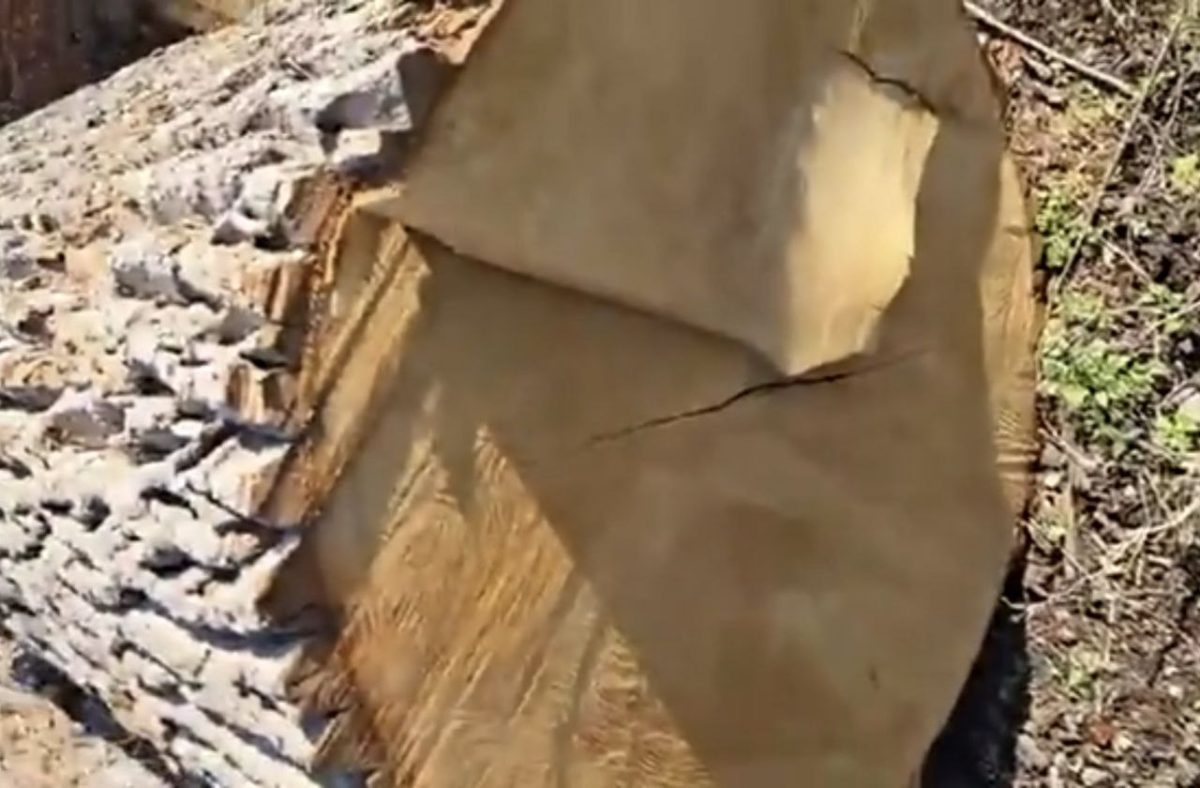
The forestry industry gets about 3 cubic meters of commercial wood from a 100-year-old oak.
After all the energy, labor, transport, sawing, and drying, they might get 12,000 lei per cubic meter—36,000 lei total.
But deducting all the costs leaves them with pennies.
And that’s why Moldova stays poor—with this kind of attitude toward its natural wealth!”

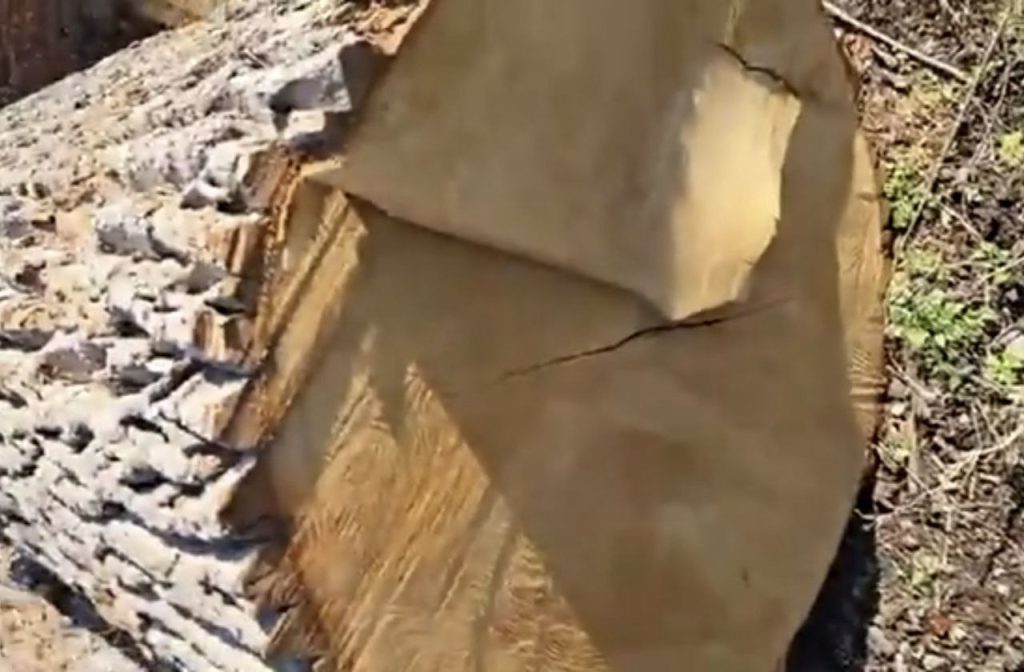
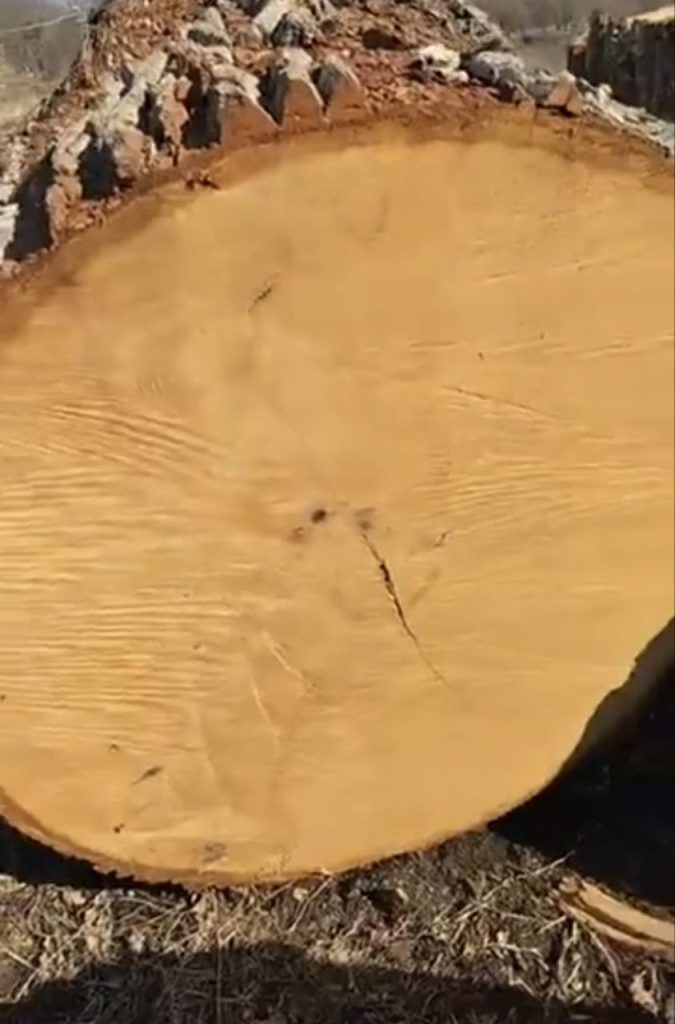
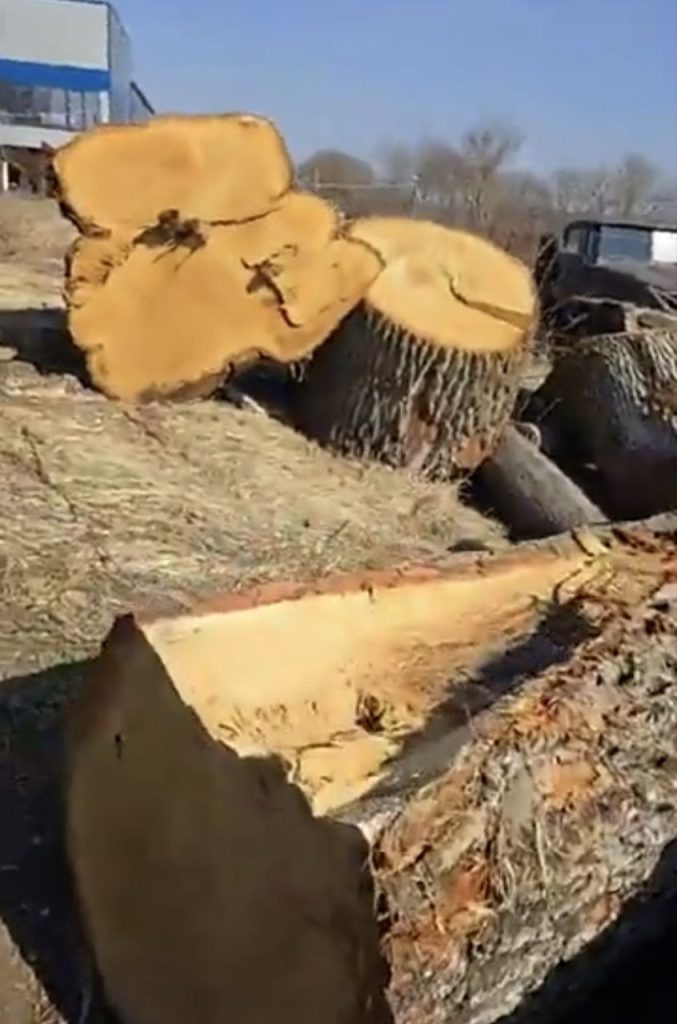
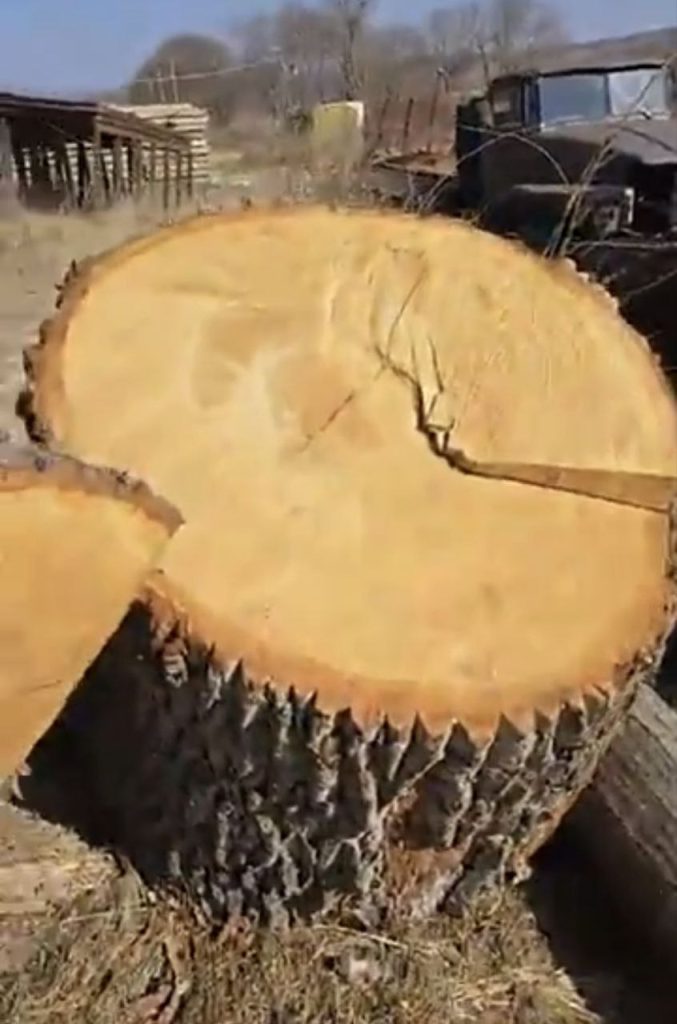
The photo added to the post was taken from V. Kostyuk’s blog.
“His video went so viral, it was impossible to ignore,” adds Vladislav.

This story isn’t just an environmentalist’s poetic vision—it’s a factual calculation of Moldova’s undervalued natural wealth.
Perhaps stories like this one can finally change the thinking of those making decisions about tree-cutting in Moldova today.