NGOs Warn: Proposed Changes to the Industrial Emissions Law Threaten Public Health and Environmental Protection

Author: homestead

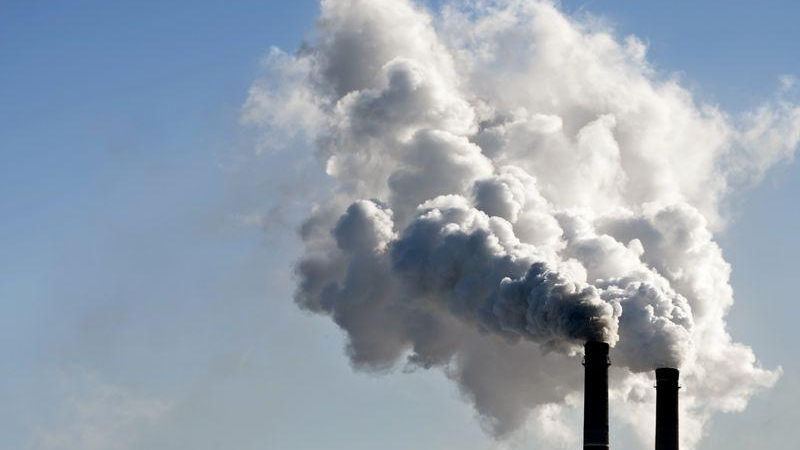
Several non-governmental organizations in the Republic of Moldova have raised concerns about proposed amendments to Law No. 227/2022 on industrial emissions, warning that these changes could seriously impact air, water, and soil quality, as well as public health.
The warning comes in a statement prepared by EcoContact and signed by 30 NGOs (the list is being updated).

According to the document, the removal of key provisions and annexes from the law would allow polluting activities to operate without strict state control or environmental permits. Among the activities proposed to be excluded from the authorization regime are livestock farms, food industry units, water treatment plants, and the trade of chemicals and waste—all with a high potential for pollution.

Experts emphasize that if these amendments are adopted, many farms, factories, and industrial units will be able to operate without environmental authorization, making it more difficult for authorities to monitor and prevent pollution of water, air, and soil, thereby increasing risks to public health and the environment. Excluding these activities from Annex No. 2 and the complete removal of Annex No. 3 would create a dangerous legislative vacuum, weakening the state’s capacity to protect citizens’ right to a safe, healthy, and sustainable environment.

EcoContact highlights that the proposed amendments contradict European Union legislation already transposed into national law, as well as international agreements to which the Republic of Moldova is a party, endangering the country’s European integration process.

The document also points out that these changes are being advanced through an amendment to a draft law that has already passed the first reading, where the only link to the modified acts is the “environmental field,” without public consultation, engagement with local authorities, or a detailed analysis of environmental and health impacts. Specifically, the amendments to the Industrial Emissions Law were added to a draft law that initially only aimed to modify the Water Law No. 81 of March 19, 2025, already adopted in the first reading.

According to NGOs, this approach does not represent a simplification of the legal framework but rather a weakening of mechanisms to control and prevent pollution risks. A true simplification would involve legislative coherence, stakeholder consultations, and maintaining effective regulatory tools—elements missing from the current process.

Removing these regulations will reduce transparency and the ability of local authorities to fulfill their duties while limiting citizens’ right to be informed and involved in environmental decision-making.

In conclusion, the NGOs recommend that the authorities retain all control and authorization rules for activities with pollution risks and ensure broad public consultation before modifying environmental legislation.

It is worth noting that yesterday, June 24, 2025, the Cabinet of Ministers approved the Single Opinion on the amendments to the draft law modifying the Water Law No. 272/2011. The government’s opinion confirms that the changes to Law No. 227/2022 on industrial emissions constitute a new legislative initiative requiring adoption in two readings, recommending the consideration of Constitutional Court jurisprudence.

The documents can be accessed here:
ONG-urile avertizează: modificările propuse la Legea privind emisiile industriale pun în pericol sănătatea populației și protecția mediului

Author: homestead

Mai multe organizații neguvernamentale din Republica Moldova trag un semnal de alarmă privind modificările propuse la Legea nr. 227/2022 privind emisiile industriale, avertizând că acestea pot afecta grav calitatea aerului, apei și solului, dar și sănătatea cetățenilor.

Avertizarea vine într-un aviz elaborat de EcoContact și semnat de 30 de ONG-uri (lista fiind în actualizare).

Potrivit documentului, eliminarea unor prevederi și anexe esențiale din lege ar permite unor activități poluante să funcționeze fără control strict sau autorizație de mediu din partea statului. Printre activitățile care ar putea fi excluse din regimul de autorizare se numără fermele zootehnice, unitățile din industria alimentară, stațiile de tratare a apei, comerțul cu substanțe chimice și deșeuri – toate cu potențial mare de poluare.

Experții subliniază că, dacă aceste modificări vor fi adoptate, multe ferme, fabrici și unități industriale vor putea activa fără autorizație de mediu, ceea ce va îngreuna controlul și prevenirea poluării apelor, aerului și solului, crescând riscurile asupra sănătății publice și a mediului. Excluderea acestor activități din Anexa nr. 2 și eliminarea completă a Anexei nr. 3 creează un vid legislativ periculos, care afectează capacitatea statului de a proteja dreptul cetățenilor la un mediu sănătos, sigur și durabil.

EcoContact subliniază că modificările propuse contravin legislației Uniunii Europene, deja transpuse în dreptul național, precum și acordurilor internaționale la care Republica Moldova este parte, punând în pericol procesul de integrare europeană.

De asemenea, documentul atrage atenția că aceste modificări sunt promovate printr-un amendament la un proiect de lege deja votat în prima lectură, unde singura legătură cu actele modificate este doar „domeniul mediului”, fără consultarea publicului, a autorităților locale și fără o analiză detaliată a impactului asupra mediului și sănătății. Mai exact, amendamentele la Legea privind emisiile industriale au fost adăugate la un proiect care inițial se referea exclusiv la modificarea Legii apelor nr. 81 din 19 martie 2025, deja adoptat în prima lectură.

Potrivit ONG-urilor, această abordare nu reprezintă o simplificare a legislației, ci o slăbire a mecanismelor de control și prevenire a riscurilor de poluare. O simplificare reală ar presupune coerență legislativă, consultarea părților interesate și menținerea unor instrumente eficiente de reglementare, aspecte care lipsesc în acest proces.

Eliminarea acestor reglementări va reduce transparența și capacitatea autorităților publice locale de a-și îndeplini atribuțiile și va diminua dreptul cetățenilor de a fi informați și implicați în luarea deciziilor de mediu.

În concluzie, ONG-urile recomandă autorităților să păstreze toate regulile de control și autorizare pentru activitățile cu potențial poluant și să asigure consultarea publicului înainte de modificarea legislației de mediu.

Amintim că ieri, 24 iunie 2025, Guvernul a aprobat Avizul unic asupra amendamentelor la proiectul de lege privind modificarea Legii apelor nr. 272/2011. În aviz se confirmă că modificările la Legea nr. 227/2022 privind emisiile industriale reprezintă o nouă inițiativă legislativă, care trebuie adoptată în două lecturi, fiind recomandată luarea în considerare a jurisprudenței Curții Constituționale.

Documentele pot fi consultate aici:

НПО предупреждают: изменения в законе об промышленных выбросах угрожают здоровью людей и окружающей среде

Author: homestead

В Республике Молдова разгораются споры вокруг предложенных изменений в Закон №227/2022 о промышленных выбросах, которые могут серьёзно повлиять на качество воздуха, воды и почвы, а также на здоровье населения.

Об этом предупреждают экологи в заявлении, подготовленном организацией EcoContact и подписанном 30 НПО (список обновляется).

Как отмечается в документе, исключение из закона ряда ключевых положений и приложений откроет путь к работе загрязняющих производств без строгого контроля и обязательных разрешений со стороны государства. Среди видов деятельности, которые предлагается вывести из режима обязательного лицензирования, значатся животноводческие фермы, предприятия пищевой промышленности, станции очистки воды, а также торговля химическими веществами и отходами — всё это виды деятельности с высоким потенциалом загрязнения.

Эксперты подчеркивают, что если эти поправки будут приняты, многие фермы, фабрики и промышленные объекты смогут работать без экологического разрешения, что осложнит государству контроль и предотвращение загрязнения воды, воздуха и почвы, увеличивая риски для здоровья граждан и окружающей среды. Исключение этих видов деятельности из Приложения №2 и полная ликвидация Приложения №3 к Закону создают опасный законодательный вакуум, который подрывает способность государства защищать право граждан на здоровую и безопасную окружающую среду.

Организация EcoContact подчёркивает, что предложенные изменения противоречат актам Европейского Союза, уже внедрённым в национальное законодательство, и международным соглашениям, участником которых является Республика Молдова, ставя под угрозу процесс европейской интеграции страны.

В документе также указывается, что поправки предлагаются через внесение поправки к законопроекту, уже принятому в первом чтении, где единственной связью с изменяемыми актами является лишь «экологическая сфера», при этом отсутствует публичное обсуждение, консультации с местными властями и детальный анализ воздействия на окружающую среду и здоровье. В частности, поправки к Закону о промышленных выбросах были включены в законопроект, который изначально касался только изменений в Закон о водах №81 от 19 марта 2025 года, уже проголосованный в первом чтении.

Экологи подчеркивают, что данный подход не является упрощением законодательства, а представляет собой ослабление механизмов контроля и предотвращения рисков загрязнения. Настоящее упрощение должно включать в себя согласованность законодательства, консультации с заинтересованными сторонами и сохранение эффективных инструментов регулирования, чего в нынешнем процессе не наблюдается.

Кроме того, исключение регулирования уменьшит прозрачность и возможности местных властей выполнять свои обязанности и ограничит право граждан быть информированными и участвовать в принятии экологически значимых решений.

В заключение, НПО рекомендуют властям сохранить все правила контроля и разрешения деятельности с риском загрязнения и обеспечить широкое общественное обсуждение до внесения любых изменений в экологическое законодательство.

Напомним, что вчера, 24 июня 2025 года, Кабинет министров одобрил единое заключение по поправкам к законопроекту о внесении изменений в Закон о водах №272/2011. В заключении правительства подтверждается, что изменения к Закону №227/2022 о промышленных выбросах представляют собой новую законодательную инициативу, требующую рассмотрения в двух чтениях, и рекомендуется учитывать практику Конституционного суда.

С полным текстом заключения и предложенными изменениями можно ознакомиться по ссылкам:

A Large-Scale Cleanup Took Place at Ghidighici Beach

Author: homestead

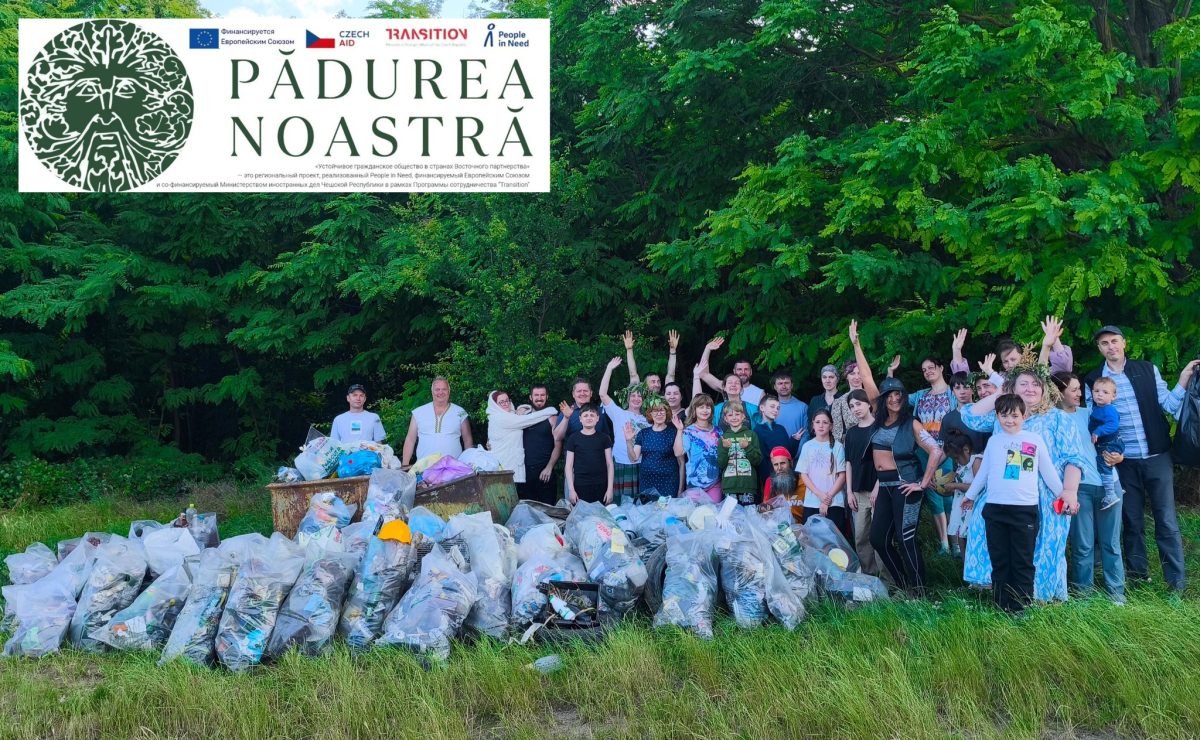
The environmental organization “Pădurea Noastră” carried out its largest cleanup of the year, clearing the central beach and the surrounding forest area of the Ghidighici reservoir in Chișinău.

This location is known for accumulating large amounts of waste for two main reasons: the careless attitude of visitors and the lack of attention from the city administration. Although the municipality does not consider this area a proper recreation and tourism zone and does not invest in its maintenance, city residents continue to spend their leisure time there.

“It is clear that something needs to be done about this,” the organizers stated.

New volunteers from Moldova and Ukraine joined the action, giving the event a humanitarian dimension as well. Participants combined the cleanup with celebrating the Summer Solstice in the traditional Slavic-Moldovan style of Kupala-Sânziene, offering Ukrainian guests an atmosphere that reminded them of home and their traditions.

A total of 52 people took part in the cleanup, and as the organizers noted, it was “a truly warm and unifying event.”

The team extends special thanks to their sponsors, whose support made this celebration of cleanliness possible. The event was supported by the project “Sustainable Civil Society in the Eastern Partnership Countries,” implemented by People in Need, funded by the European Union, and co-financed by the Ministry of Foreign Affairs of the Czech Republic within the framework of the “Transition” cooperation program. In Moldova, the project is implemented by People in Need Moldova.

Curățenie de amploare pe plaja Ghidighici

Author: homestead

Organizația ecologică „Pădurea Noastră” a desfășurat cea mai amplă acțiune de curățenie din acest an, reușind să curețe plaja centrală și pădurea din jurul lacului de acumulare Ghidighici din Chișinău.

Acesta este un loc unde se adună mereu cantități mari de gunoi, din două motive principale: neglijența vizitatorilor și lipsa de atenție din partea administrației orașului. Deși municipalitatea nu consideră acest loc drept o zonă completă de agrement și turism și nu investește în amenajarea acestuia, locuitorii orașului continuă să își petreacă timpul liber aici.

„Este clar că trebuie făcut ceva în această privință”, consideră organizatorii.

La acțiune s-au alăturat noi voluntari din Moldova și Ucraina, ceea ce a oferit evenimentului și o dimensiune umanitară. Participanții au combinat curățenia cu sărbătorirea Solstițiului de Vară în stil popular slavo-moldovenesc, Kupala-Sânziene, oferind oaspeților din Ucraina o atmosferă care le amintește de casă și de tradițiile lor.

La curățenie au participat 52 de persoane, iar organizatorii au menționat că a fost „un eveniment cu adevărat cald și unificator”.

Echipa își exprimă recunoștința deosebită față de sponsorii lor, datorită cărora această sărbătoare a curățeniei a fost posibilă. Evenimentul a fost sprijinit de proiectul „Societate civilă durabilă în țările Parteneriatului Estic”, implementat de People in Need, finanțat de Uniunea Europeană și cofinanțat de Ministerul Afacerilor Externe al Republicii Cehe în cadrul Programului de cooperare „Transition”. În Moldova, proiectul este implementat de organizația People in Need Moldova.

На пляже Гидигич прошла масштабная уборка

Author: homestead

Экологическая организация «Pădurea Noastră» провела самую масштабную уборку в этом году, очистив центральный пляж и окружающий лес кишинёвского водохранилища Гидигич.

Это место, где всегда скапливается большое количество мусора, и на это есть две причины: небрежное отношение отдыхающих и отсутствие внимания со стороны городской администрации. Несмотря на то, что муниципалитет не рассматривает это место как полноценную зону отдыха и туризма и не инвестирует в его благоустройство, горожане продолжают проводить здесь свободное время.

«Очевидно, что с этим нужно что-то делать», — считают организаторы.

К акции присоединились новые волонтёры из Молдовы и Украины, благодаря чему мероприятие приобрело ещё и гуманитарный оттенок. Участники совместили уборку с празднованием Солнцестояния в народном славянско-молдавском стиле Купала-Sânziene, подарив украинским гостям атмосферу, напоминающую о доме и традициях.

В уборке приняли участие 52 человека, и, как отмечают организаторы, это было «по-настоящему тёплое и объединяющее событие».

Особую благодарность команда выражает своим спонсорам, благодаря которым праздник чистоты стал возможным. Мероприятие поддержал проект «Устойчивое гражданское общество в странах Восточного партнёрства», реализуемый People in Need при финансировании Европейского Союза и софинансировании Министерства иностранных дел Чешской Республики в рамках программы сотрудничества „Transition”. В Молдове проект реализует организация People in Need Moldova.

On Forestry Higher Education and Afforestation in Moldova – Victor Sfeclă

Author: homestead

How is forestry higher education developing in Moldova, and what progress has been made in afforestation?

University lecturer and engineer Victor Sfeclă, Vice Dean of the Faculty of Agricultural, Forestry and Environmental Sciences at UTM, speaks openly about the future of Moldova’s forests and the importance of training specialists in this field.

Despre învățământul superior silvic și împăduririle din Moldova – Victor Sfeclă

Author: homestead

Cum se dezvoltă învățământul superior silvic în Moldova și ce progrese avem la capitolul împăduriri?

Lectorul universitar ing. Victor Sfeclă, prodecan al Facultății de Științe Agricole, Silvice și ale Mediului de la UTM, vorbește deschis despre viitorul pădurilor și importanța pregătirii specialiștilor în domeniu.

О высшем лесном образовании и лесопосадках в Молдове – Виктор Сфеклэ

Author: homestead

Как развивается высшее лесное образование в Молдове и какие успехи есть в лесопосадках?

Об этом рассказывает лектор инженер Виктор Сфеклэ, проректор факультета сельскохозяйственных, лесных и экологических наук УТМ, в открытом интервью о будущем наших лесов и важности подготовки специалистов в этой сфере.

Eco-Settlement VS Village! A Shocking Difference in Environmental Friendliness

Author: homestead

Environmental student Vladislav Sanduleac from UTM (Agrarian Campus) shared the results of his research conducted as part of his coursework. His conclusions turned out to be unexpected even for himself.

“I’ve been under the impression of my findings for a week now since finishing my coursework. I’m especially pleased with the knowledge I’m gaining at the university. It turns out that ecology is a very precise science that allows us to evaluate the state of the environment in numbers and coefficients, and accurately determine the degree of pollution and ways to solve problems,” said Vladislav.

According to the student, thanks to this knowledge he realized how much the profession of an ecologist is in demand in the modern world:

“For any village or business, it is possible to create an environmental project that can help attract funding to improve the living environment. It’s a real tool for change.”

Vladislav also highlighted the importance of training at UTM:
“I advise young people to pay attention to this field. The university has retained a strong teaching staff that continues the best traditions of the former Agrarian University,” he emphasized.


Village: Numbers That Shock

The main theme of Vladislav’s coursework was the study of the environmental situation of a Moldovan village. The results were surprising.

“You’d think that a village is about nature and ecology. But when I started calculating the indicators, the picture turned out to be completely different,” the student shared.

He found that a typical village with 1,000 households produces about 700 tons of manure per year.
“This could become valuable fertilizer if a composting system worked. But in reality, most of the manure ends up in the soil and pollutes well water. Part of it is taken to landfills, where it mixes with plastic and chemicals, poisons the soil, and often smolders or burns,” Vladislav explained.

The situation is worsened by the uncontrolled use of pesticides, which leads to mass deaths of bees.

“The village lacks biodiversity: there are mainly fruit trees, walnut trees, and gardens. Forest plants and animals simply have nowhere to live. Deep plowing and the absence of shelterbelts contribute to erosion — fertility is carried away by wind and rain,” he added.


Eco-Settlement: European Standards on Moldovan Soil

Comparing the situation to an eco-settlement, Vladislav saw a fundamentally different picture.

“An eco-settlement of 40 hectares, where about 20 families manage plots ranging from 1 to 2.7 hectares, became for me an example of harmony with nature,” he noted.

According to him:
Two-thirds of each plot’s area is occupied by permaculture forest gardens, where biodiversity thrives, including species from the Red Book.

The soil is not plowed and is protected by vegetation from erosion. On some plots, terracing has been applied, and aquatic ecosystems have been created for birds and fish.

There are no landfills or large cattle in the settlement, so there is no soil pollution from waste.
No pesticides or chemicals are used — natural fertilizers and bio-organisms are applied.
Beekeeping is developed, which has a positive effect on plant pollination.

“This example embodies the highest European standards: in climate change adaptation, biodiversity enhancement, and the greening of human life. This experience needs to be studied and spread throughout the country,” believes Vladislav Sanduleac.