Farmers in Ethiopia Have Learned to Restore Forests and Earn Income from Carbon Credits

Category: EN

In southern Ethiopia, in the Humbo district, farmers have demonstrated that forest restoration can be not only an environmental effort but also an economically viable one. The story of this landscape shows how degraded mountain slopes were transformed into a source of sustainable income for local communities through collective action and carbon financing.
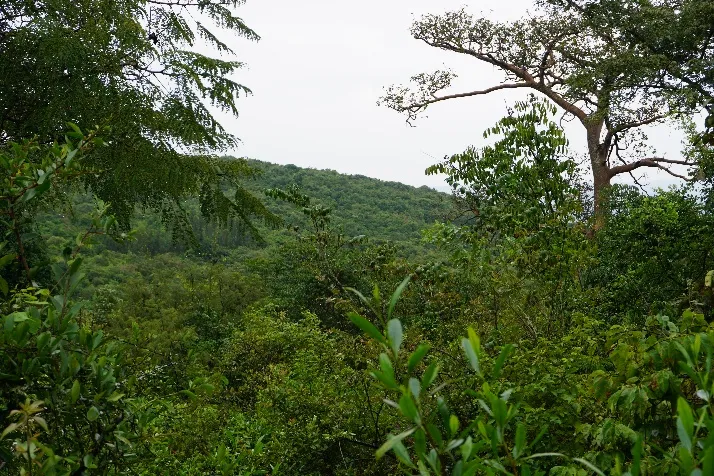
From Barren Mountains to a Living Forest

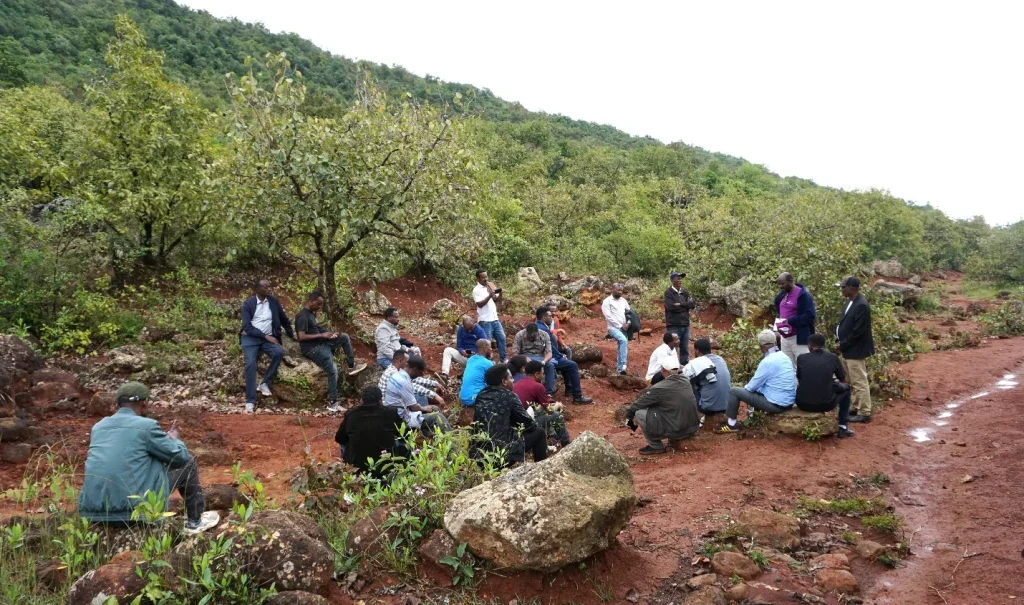
In 2005, the international organization World Vision launched an initiative in Humbo focused on farmer-managed natural forest regeneration. The project covered 2,728 hectares of severely degraded mountainous land. During the first month, specialists held consultations with local communities, paying particular attention to the poorest households that depended on charcoal production and fuelwood collection for survival.

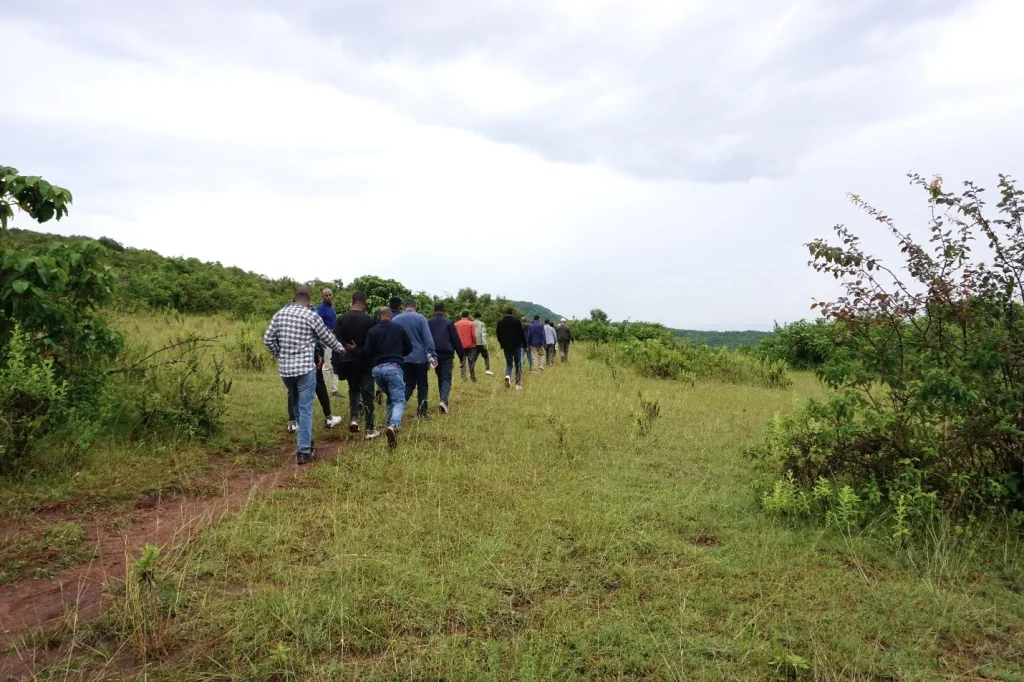
To implement the project, seven cooperatives were established at the kebele level (local administrative units). Their members received training in basic forest management, while people dependent on forest exploitation were offered alternative sources of income. Over time, the cooperatives united into a single union, which today has 5,184 members, about 25% of whom are women.

Resistance, Threats, and First Successes

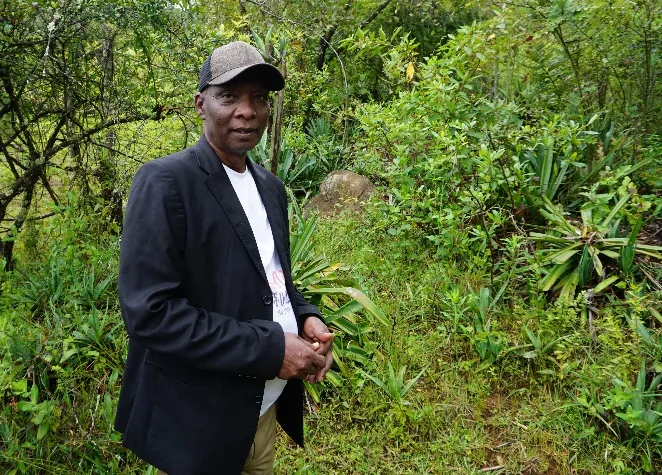
The path to forest restoration was far from easy. According to Mekonnen Gudjo, chairman of the Hobicha Bada Woyito Mountain Forest Development Cooperative, many residents initially opposed the restrictions.

“People did not want to lose free access to forest resources. When we tried to stop logging and livestock grazing, committee members were pressured and their crops were destroyed,” he recalls.

Tensions escalated to the point where one cooperative chairman was attacked and later died from his injuries. Only after the intervention of local authorities and the organization of security measures was it possible to protect the area and continue the project.

Today, the cooperative manages 372 hectares of restored forest. While it initially had only 25 members, it now includes 935. Some farmers were required by court order to leave land inside the fenced area, while others had to remove eucalyptus plantations that did not align with ecosystem restoration goals.

How Farmer-Managed Restoration Works

The core tool of the project was Farmer-Managed Natural Regeneration (FMNR). This approach is based on regenerating vegetation from living stumps, roots, and seeds. Farmers select the strongest shoots, carry out pruning, and guide tree growth to accelerate biomass accumulation. In addition, seedlings were raised in nurseries and supplementary planting was carried out in open areas.

According to World Vision staff member Mulugeta Zeleke, FMNR is “a low-cost, fast, and easily replicable method for restoring agricultural land, forests, and grazing areas.”

Results became visible within a few years: forest cover reduced the risk of flooding, stabilized rainfall patterns, improved groundwater levels, and even contributed to the return of natural springs. Wildlife returned to the area, and the local microclimate became cooler and more stable.

Carbon Credits: An Economic Turning Point

A major turning point came in 2012, when the Humbo cooperatives began receiving income from the sale of carbon credits. Prior to this, carbon market mechanisms were largely unknown in the Wolaita region, but the project quickly attracted attention and became a model for other communities across the country.

Revenue from carbon credits enabled the cooperative to establish a flour mill offering low prices to local residents, open an office, and rent warehouses and shops. Part of the income is provided to cooperative members as interest-free loans to support their livelihoods.

Each year, specialists measure carbon stocks at 85 sample plots measuring 20×20 meters across the project area. Although income from carbon credits fluctuates, its potential is clear: in 2024 the cooperative earned about 435,000 birr, while in 2025 revenues exceeded 5 million birr. In the near future, the cooperative plans to distribute 10,000 birr each to 500 members.

Lessons from Humbo

The Humbo experience shows that forest restoration is possible even under conditions of severe poverty and social conflict—provided that local communities are genuinely involved and benefits are distributed fairly.

“This project changed my understanding of what is possible. If people believe in an idea and feel ownership of it, they can achieve what seems impossible,” said Dr. Getachew Hiruy of the Commission for Development and Social Services.
European Ecovillage Gathering 2025: Ukraine Proposes a New Model for Unity — Care for the Earth!

Category: EN

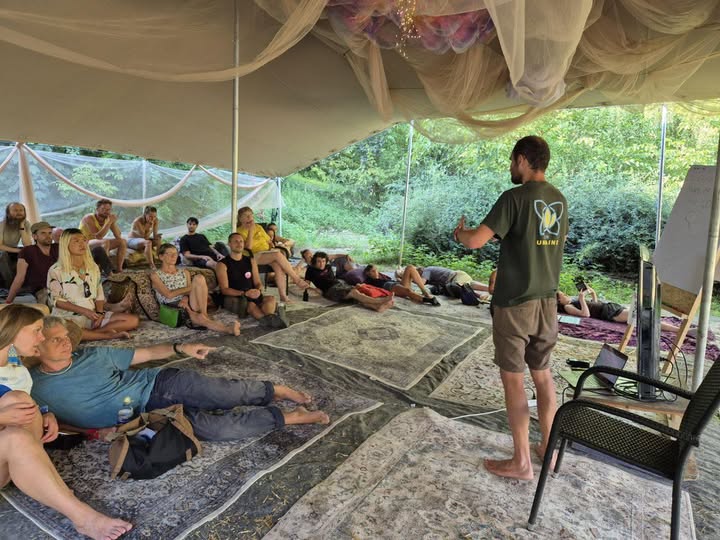
The European Ecovillage Gathering 2025 once again confirmed its status as the main forum for those seeking alternatives to conventional models of society.

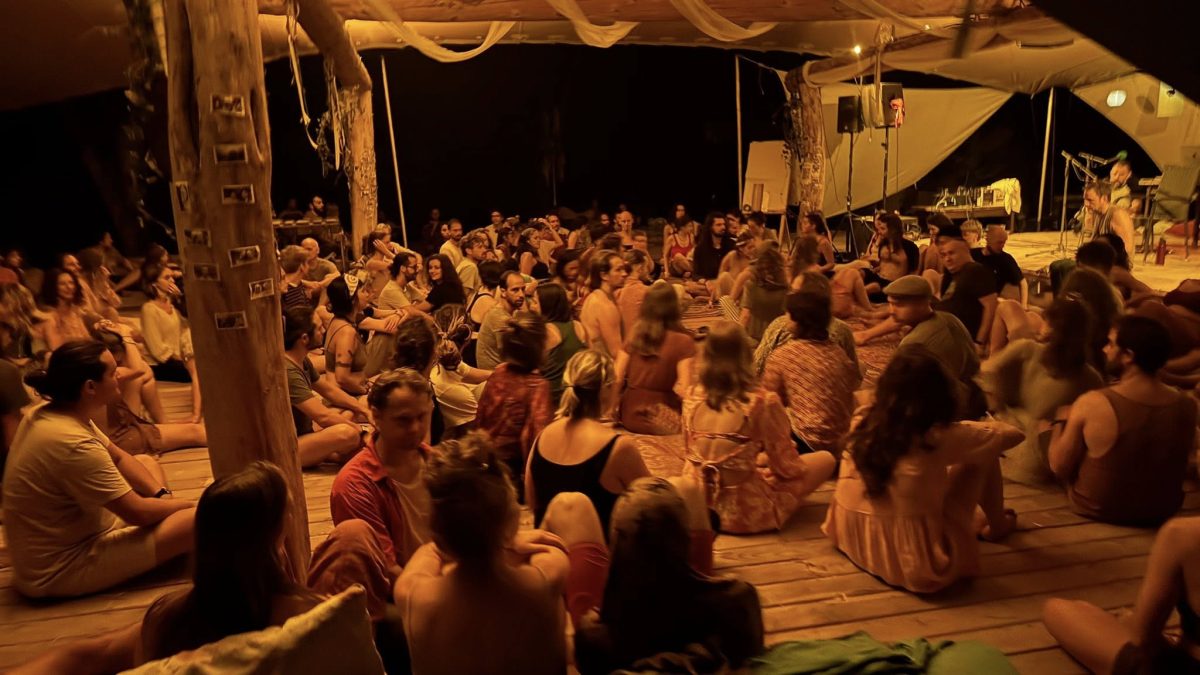
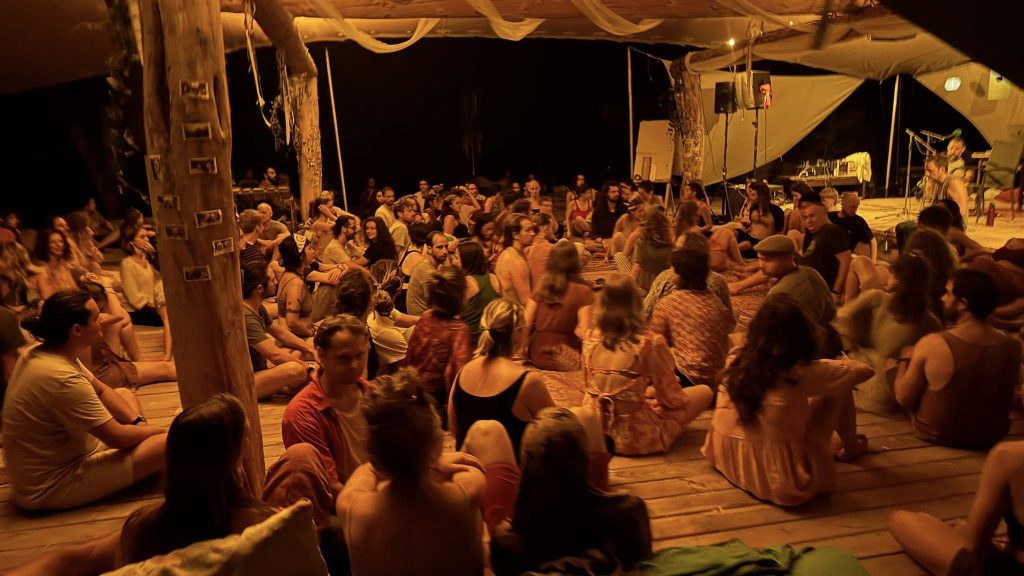
Hundreds of participants from 15 European countries came together to share experiences, discuss the future of eco-living, and explore how ecovillages can respond to global challenges — from the climate crisis to social upheavals.

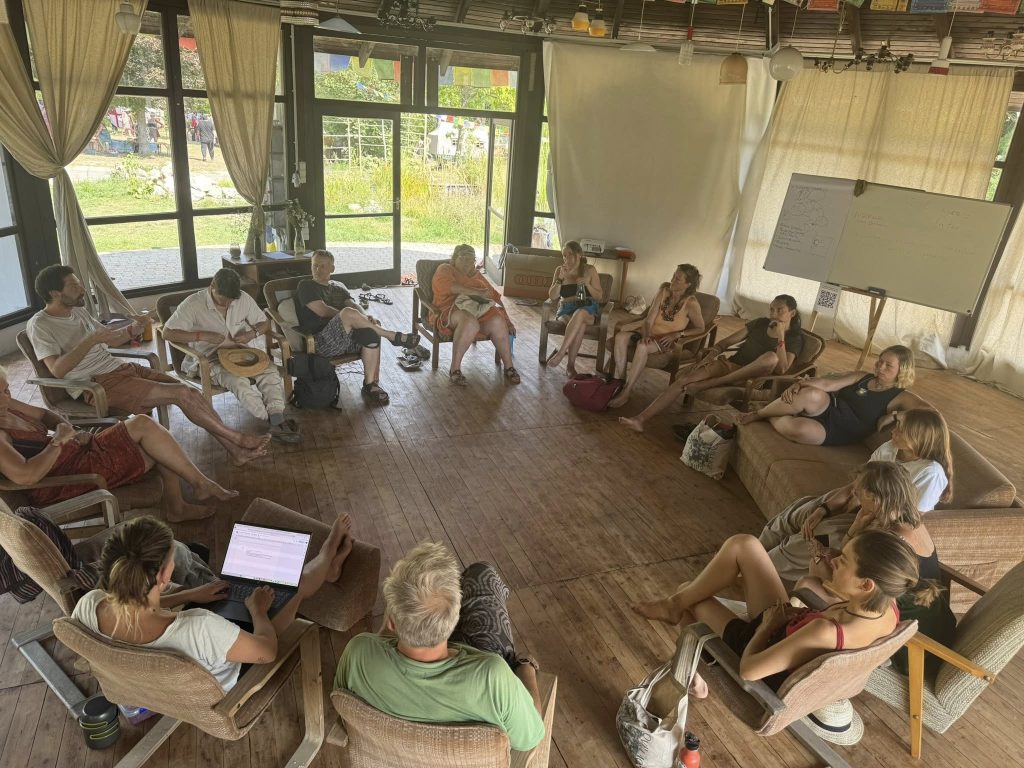
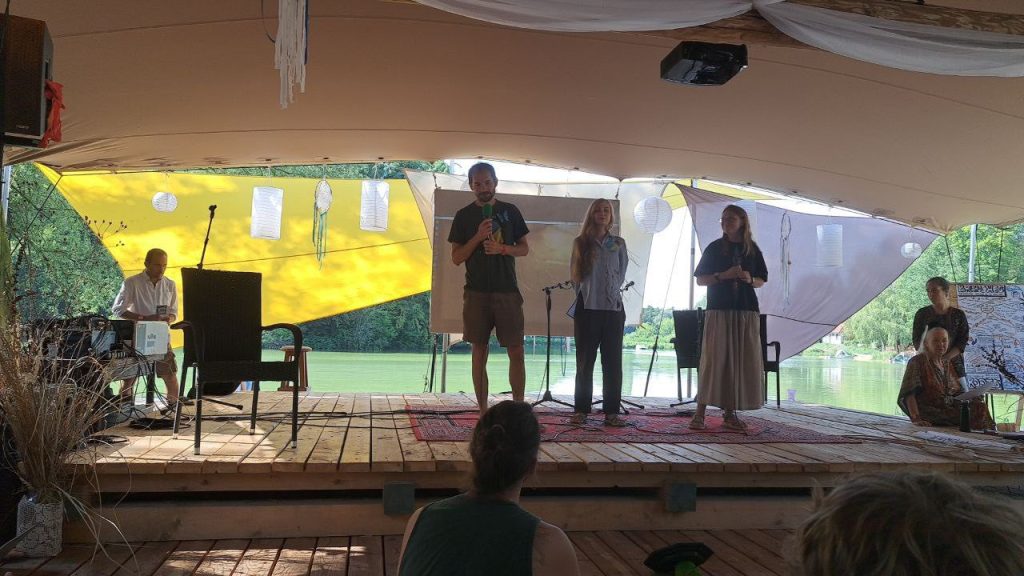
A central part of the event was the meeting of national ecovillage network leaders. Here, participants discussed not only ecological practices but also the strategic development of movements in different countries. “Strong settlements do not always mean strong networks. These are different levels of coordination and organization of processes,” participants noted.

A key element was the discussion on unifying values. The Ukrainian network presented its own concept — “In Earth we trust.” As explained by GEN Ukraine leader Maksym Zalevskyi, “we are united by care for the Earth. This is something on which there are no contradictions within our network.” This vision — regeneration of the land as the foundation for restoring communities and people — resonated as particularly relevant in Europe.

“Not all networks today have a clear direction. Far from all of the 15 countries have achievements to share. The strongest remain mostly the Western networks,” Zalevskyi admitted.

Despite the hardships of war and the crisis of civil society, the Ukrainian experience earned respect from colleagues. “We maintained the activity of our network. Our weekly Wednesday calls have not lost momentum. People want to move forward with us. I said that I am proud that, despite everything, we preserved the multiculturalism, inclusiveness, and ideological biodiversity of our network. This is what I see as a true European value,” he added.

Meanwhile, the development of ecovillages in Moldova is not as intensive as in some European countries or even neighboring Ukraine. This is why there is hope that the state will pay more attention to this issue. Such settlements foster conscious communities, restore the connection with nature, stimulate local economies, and create sustainable living models that can be adapted to different conditions. Their development helps prepare people for future challenges and strengthens the social and ecological resilience of the country.

A Case Has Been Opened Regarding the Cutting of the Fig Garden in Central Chișinău: How an Activist Coalition Achieved an Investigation

Category: EN

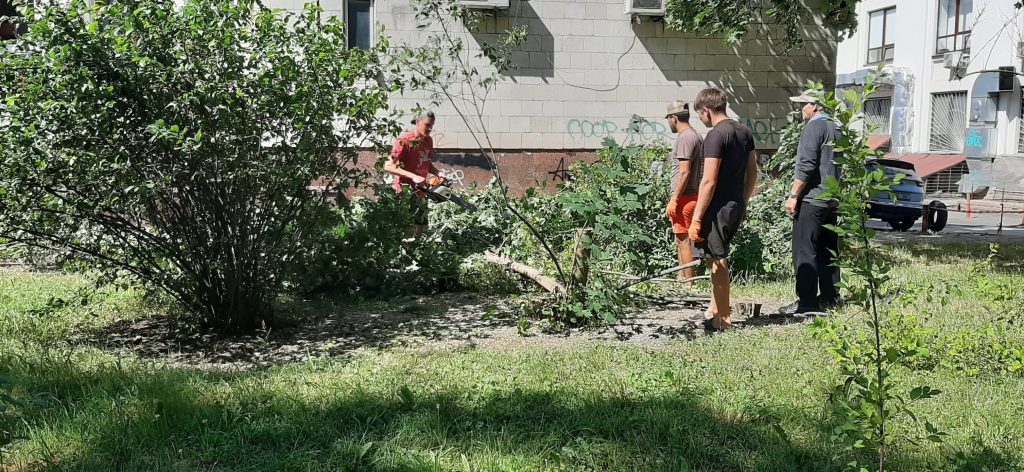
The Ministry of Environment and the Environmental Protection Inspectorate have launched an investigation into the illegal cutting down of a garden in the very heart of Chișinău.

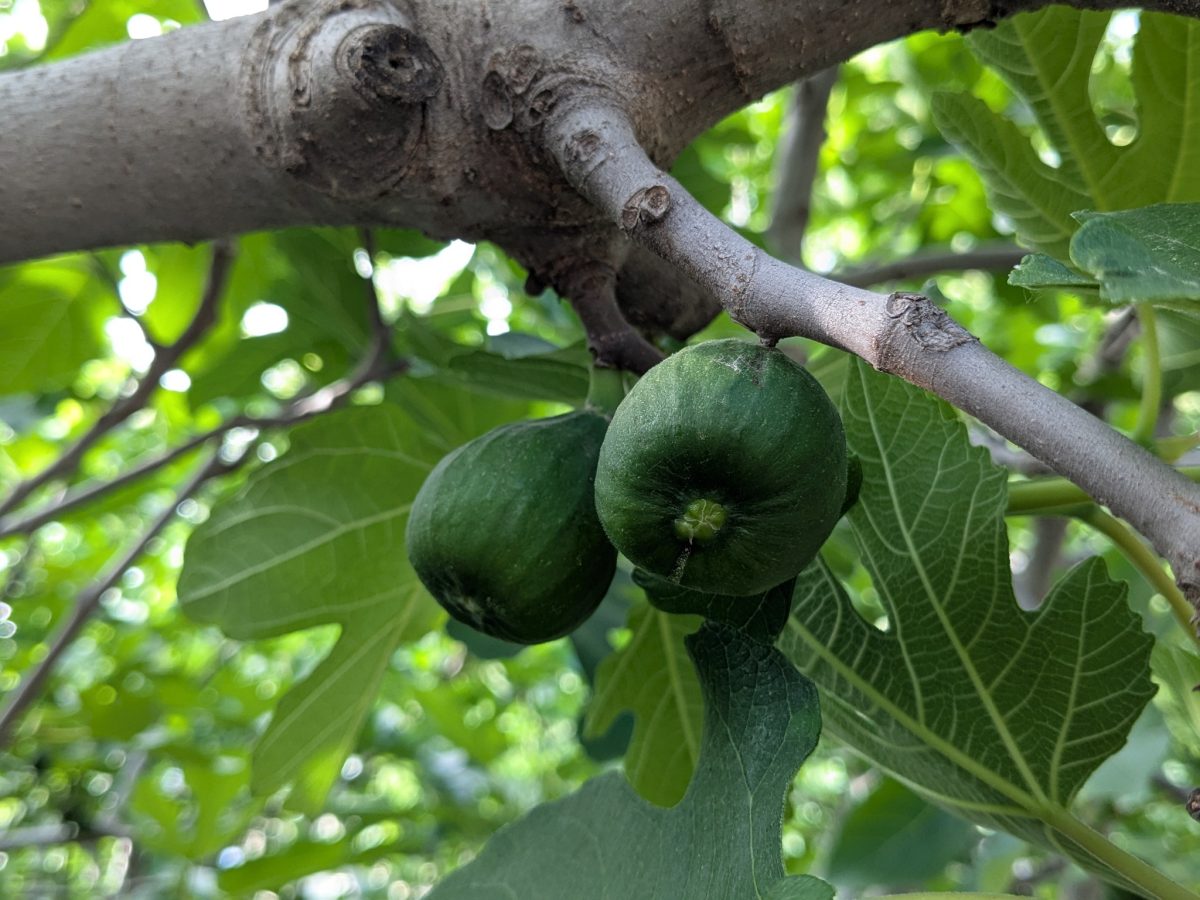
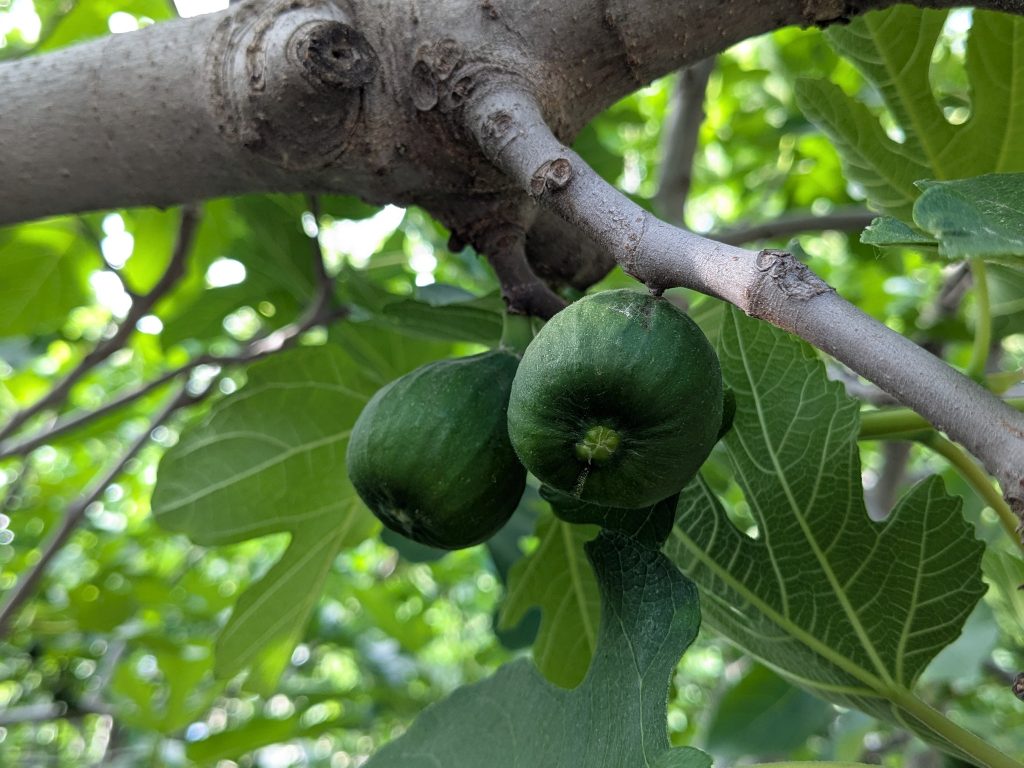
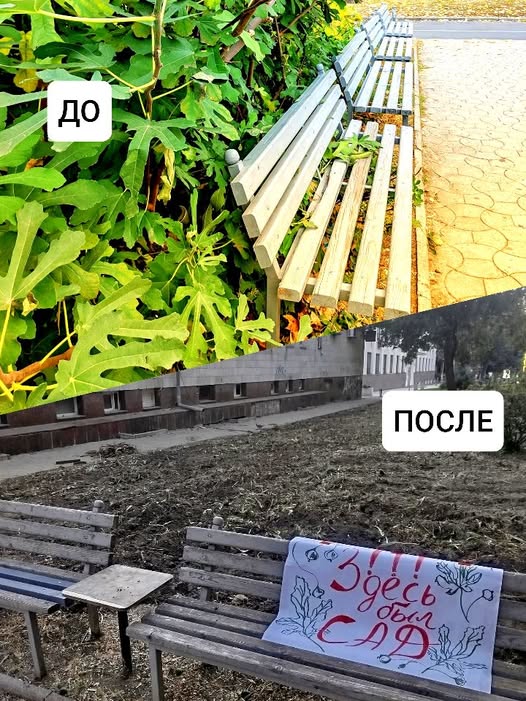
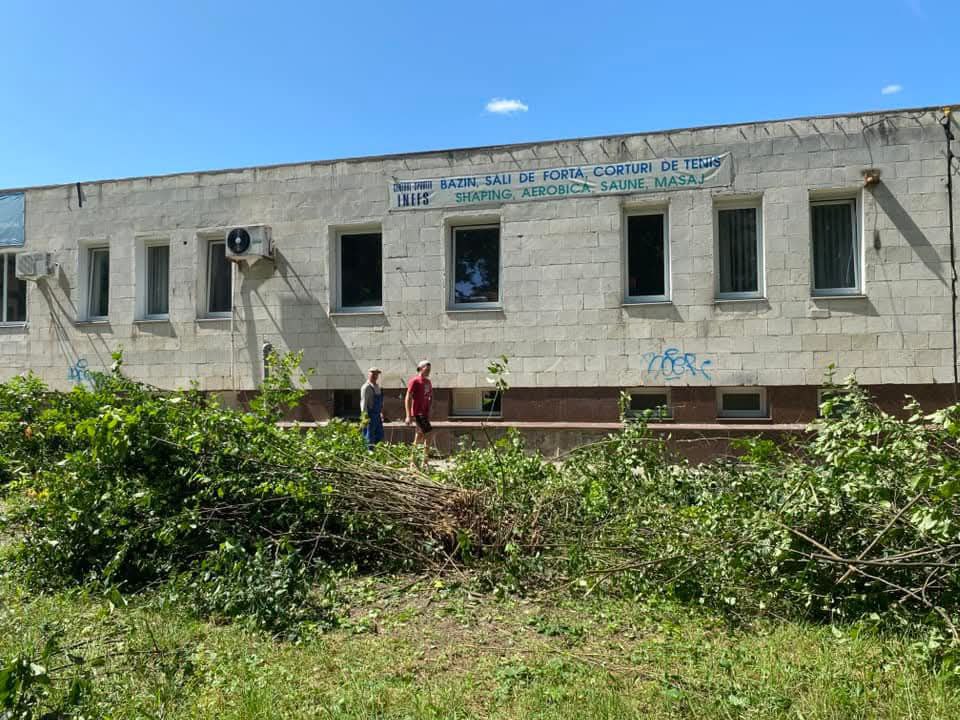
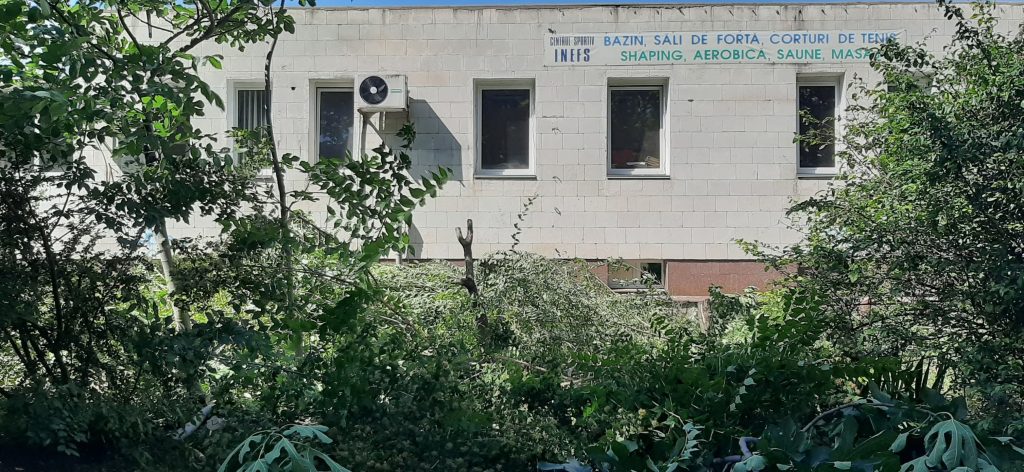
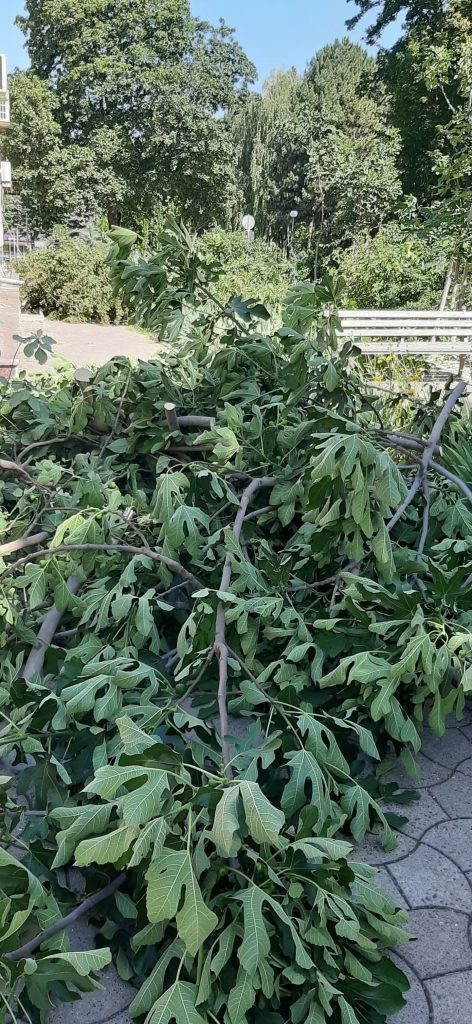
This concerns a unique Fig Garden where fig trees, Japanese quince, and mulberry grew — now this green corner has disappeared, and what will happen to the site remains unknown. The civic organization “Pădurea Noastră” played a key role in drawing attention to this case; its activists, together with volunteers, journalists, and concerned citizens, succeeded in securing the opening of a criminal case.

The director of the swimming pool, Vasile Cerbușcă, explained that the cutting was part of a renovation project for the area: a lawn and a renewed recreation zone are planned to be arranged on the site of the garden.

However, the absence of an official permit for tree removal caused public outcry. Activists from “Pădurea Noastră” became the initiators of the investigation and public oversight.

The activists of “Pădurea Noastră” are glad that citizens know how to unite: “We thank everyone who helped: European organizations for advocacy training, civil activists for advice, journalists for timely coverage, and the residents of Chișinău for photos and videos. ‘Pădurea Noastră’ is a grassroots organization without politicians or oligarchs behind us. We act out of enthusiasm and with modest support from volunteer friends.

The Fig Garden showed that unity is possible: people with different views came together for health, life, and the future. We are proud that we managed to bring the voice of the people to the right offices. Moldovans can be united when it comes to simple and important issues for everyone.”
Timeline of Events from “Pădurea Noastră’s” Perspective:

  1. Initial information requests. The organization sent four identical letters to the Ministry of Environment, Chișinău City Hall, the university (which administers the swimming pool), and the company Spații Verzi, requesting official information based on the law on access to public information.

  2. Response from the Ministry of Environment. The agency reported that no permit for cutting was issued. The environmental inspector was copied on the letter with a request to clarify the situation.

  3. Lack of evidence by the inspector. According to Vladislav Sânduliak, the inspector stated he found no evidence of the existence of the fig garden — not even tree roots were found.

  4. Searching for evidence via public help. The activist posted on Facebook asking Chișinău residents to help find photo and video proof of the cutting. Locals promptly sent photos and videos, which were forwarded to the inspector.

  5. Inspector’s ignoring. After receiving the evidence, the inspector stopped responding and did not answer questions about the start of the investigation.

  6. Appeal to the police. Activists then contacted the police. A volunteer personally visited the central police inspectorate, where he was told that territorial responsibility for the site lies with the Buiucani district police. He was advised to file an official complaint, which they did.

  7. Case opened. In early August, “Pădurea Noastră” received confirmation that a case was opened concerning the illegal cutting of the Fig Garden.

According to Vladislav Sânduliak, the investigation will reveal who made the illegal decision to cut down the trees since no permit was issued by the Ministry of Environment. If this is a crime, those responsible must be held accountable.

“Pădurea Noastră” will continue to monitor the progress of the investigation and fight to preserve green spaces in Chișinău and across Moldova. This story is an example of how active citizens and civil society organizations can influence situations by uniting for the common good.

How Romanian Ecovillagers Earn a Living: The Story of a Family Who Chose a Simple Life

Category: EN

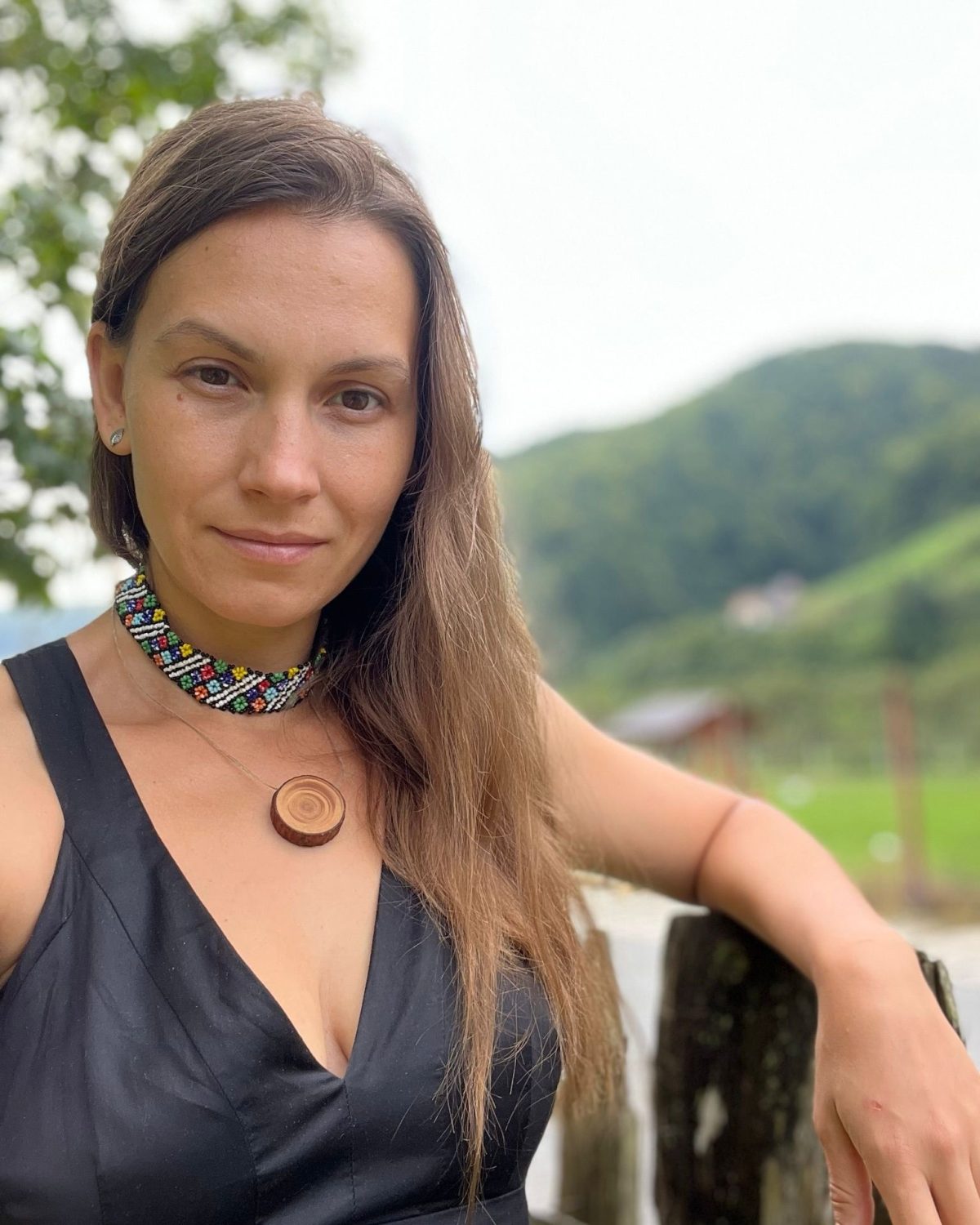
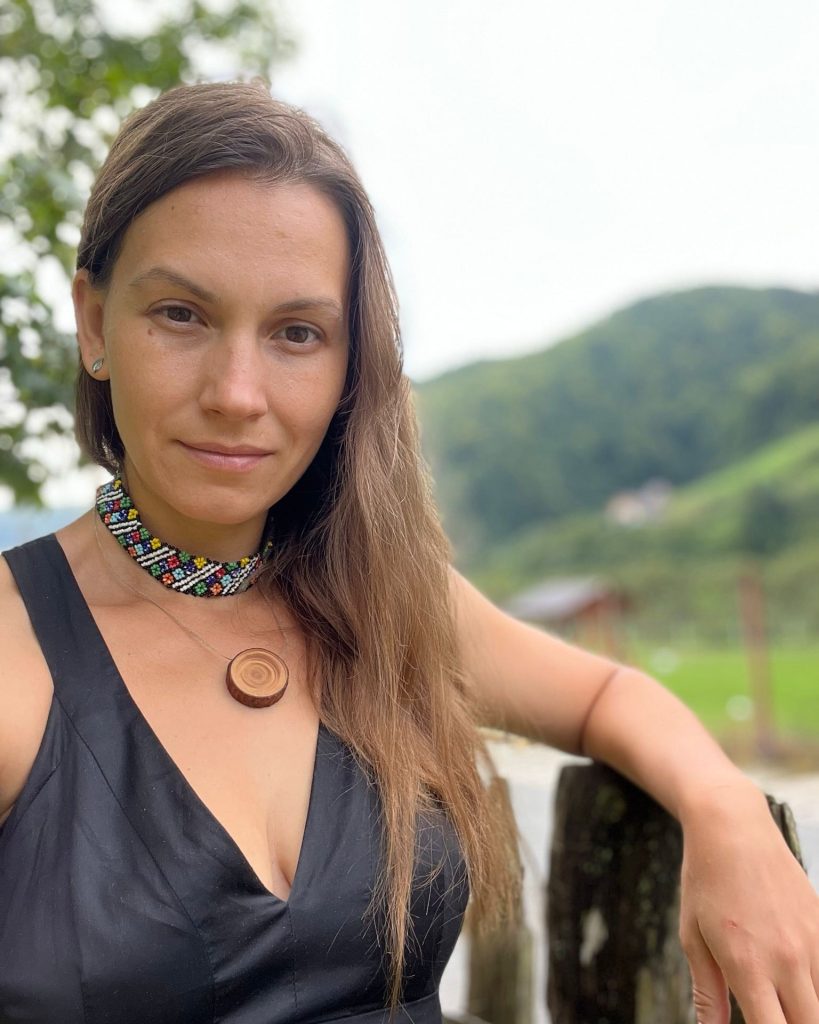
In the heart of Transylvania, among the hills of Daia village, lives a family who decided to radically change their lives.

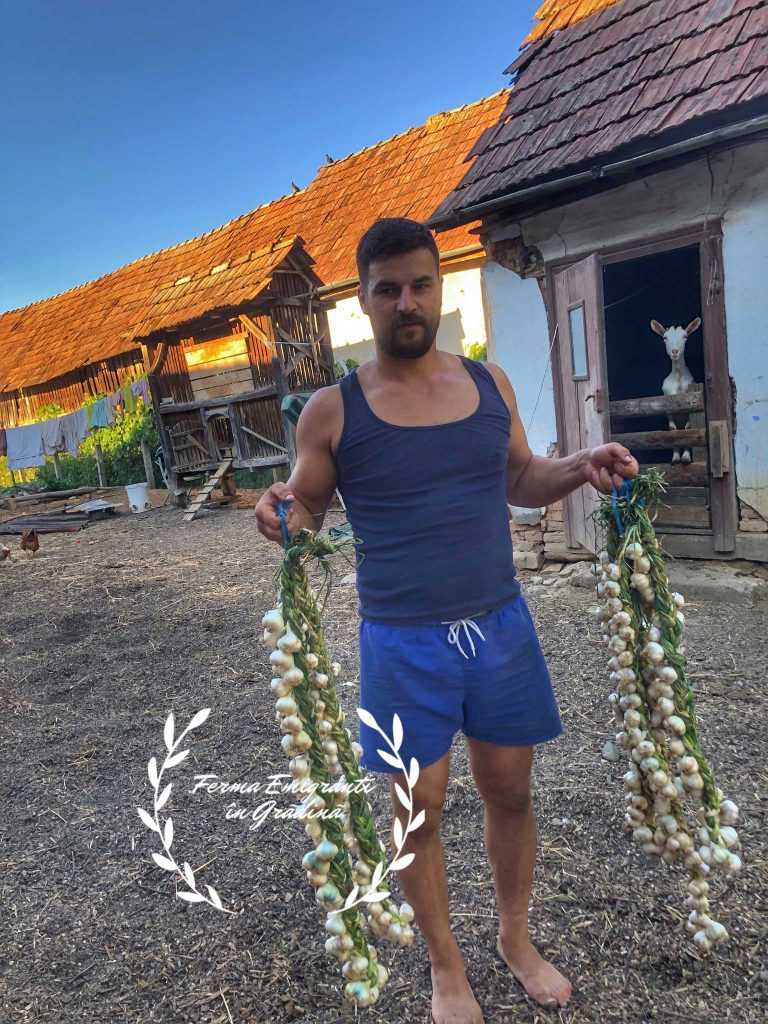
Their names are Alexandra and Florin, and they left behind the noise of England, prestigious careers, and the conveniences of a big city to choose a simple but genuine life close to the land.

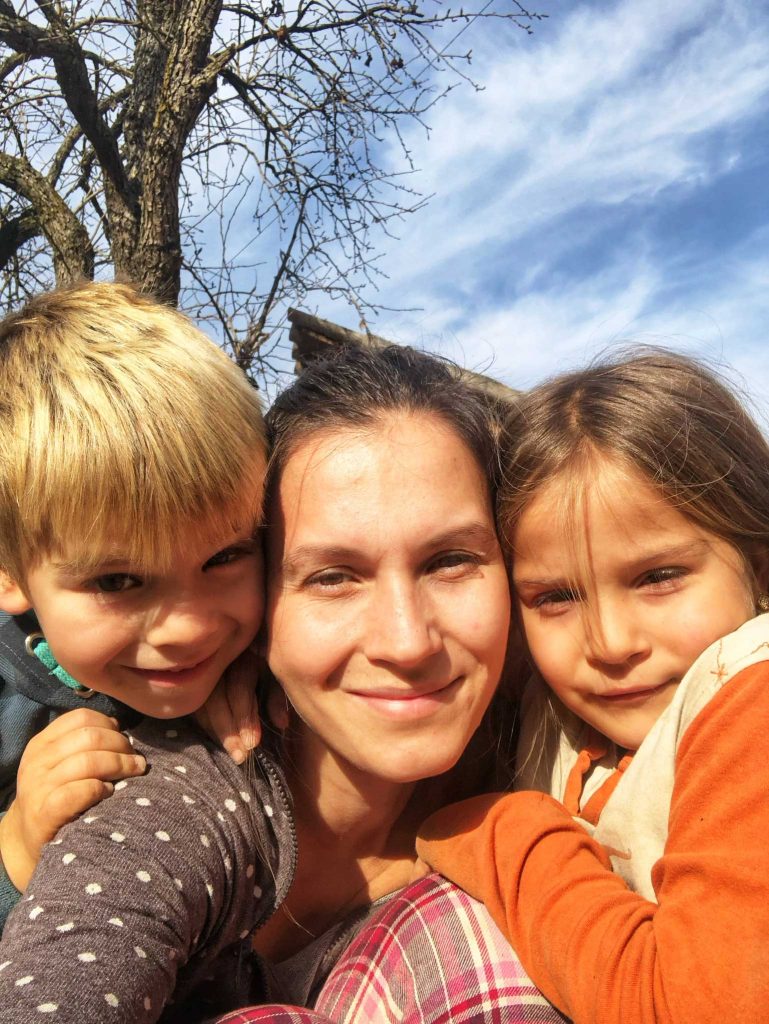
“We wanted our children to grow up free, healthy, and close to nature. One day, we realized we couldn’t keep postponing this dream,” they say.

Alexandra once studied medicine, and Florin studied engineering. They lived and worked in England for five years, but with each day, the call of the land became stronger. They returned to Romania and started from scratch—without grants, without initial capital, and without any guarantee of success.

How They Earn a Living

Today, their farm thrives thanks to simple but diverse income streams:

Their Own Products
They grow vegetables, raise animals, make cheeses, and produce jams and syrups. Everything is chemical-free, produced in small batches, with delivery in Târgu Mureș and shipping across the country.

Sustainable Agriculture
The family has fully given up on chemicals and embraced permaculture, building harmony with nature and minimizing waste.

Vintage Clothing and Handmade Goods
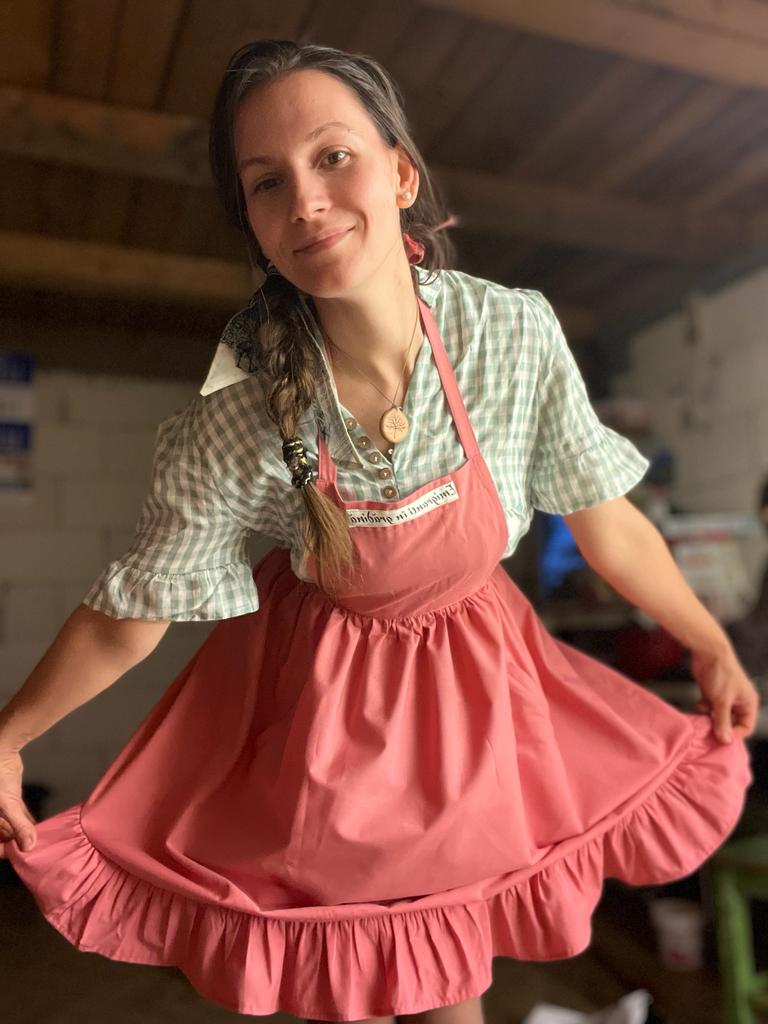
Their love for vintage turned into another source of income. In collaboration with Romanian artisans, Alexandra sews and sells aprons, dresses, and clothing in small collections and made-to-order.

Digital Products and Consultations
Over time, they began sharing their experience through digital guides and resource packs, teaching others how to start a simple life on the land and build sustainable income streams. These materials are purchased by those planning to move or wanting to learn how to earn in an ecovillage.

“People often ask us, ‘Dar tu din ce trăiești?’—‘So what do you live on?’ The answer is simple: from what we produce with our hands and knowledge. From eggs and tomatoes. From advice given at the right time. From eBooks purchased by people dreaming of this kind of life,” says Alexandra.

Why Do They Do This?

“We don’t need bosses or office stress. We don’t want to feel like we only live on weekends. We want our children to see a world where you can work and live in harmony with yourself,” the family explains.

They admit it’s not an easy path. There are months when income is modest. There is fatigue. But above all, there is the feeling of truly living, rather than constantly rushing.

For Those Who Want to Start

Alexandra and Florin created a digital pack, “Trăiește simplu. Câștigă cu sens” (“Live Simply. Earn with Purpose”), to help others take their first steps toward living on the land without chaos or panic.

What’s included:
“Viața la Țară – Primii Pași spre Simplitate” (“Life in the Countryside – First Steps Toward Simplicity”) – an honest guide about moving to the countryside and taking the first steps toward a simple life.
“Surse de Venit la Țară” (“Income Sources in the Countryside”) – more than 20 real income ideas in rural settings, with calculations and no illusions or promises of “getting rich quick.”

This is not a physical product but a digital one, which you can download, print, and use anytime.

“If I, a woman with five children, without European funds or inherited businesses, could start living differently, then it’s possible for anyone who has the will,” says Alexandra.

The story of Alexandra and Florin is not just an inspiration but a real example of how sustainable living can become a source of income. They show that ecovillagers aren’t “running away from life” but are building it on their own terms, staying active and financially independent.

Perhaps, this is exactly the path you have been dreaming of.

Evidence of Fig Orchard Logging Submitted to Chisinau Police

Category: EN

Residents of the capital and environmental activists are closely monitoring the situation surrounding the so-called fig orchard, which, according to them, once stood in the center of Chisinau and was illegally cut down.

However, an official environmental inspector, who was contacted online, claims that this orchard never existed and that he found no signs of logging at the site.

According to environmental activist Vladislav Sanduliak, the young inspector requested clear evidence proving both the existence of the orchard and the fact of its destruction. The inspector stated that he personally visited the site and did not see a single tree stump. Moreover, when he inquired at the swimming pool area near the alleged logging site, he was told that no one knew about the orchard and that no trees had been cut down there.

The inspector indicated that without concrete evidence—photos or videos directly documenting the logging process—he would be unable to open an official case. Despite the journalist providing “before and after” images sourced online, this was deemed insufficient.

In this context, representatives of the public organization “Pădurea Noastră” are calling on anyone with information, photos, or video materials to send them in and support the investigation. In their view, the situation is perplexing, creating the impression that the residents of the capital are slowly being “led around by the nose.”

They also do not rule out the possibility that there may be a single beneficiary of the logging who is likely taking steps to “resolve the issue.” Activists emphasize that they have neither financial backing nor administrative resources—they are simply ordinary citizens who submitted a request to the Ministry of Environment, which became the catalyst for the inspection to begin.

It is noted that without an official complaint, the case would not have moved forward. According to the activists, all the articles and protests in the press merely create the illusion of an investigation, while in reality, no action is taken without a formal complaint from citizens. This situation is likely the same in other cases of illegal logging within the city and throughout Moldova.

The journalist calls on readers to help: to gather evidence, request CCTV footage from the police, and provide witness testimony confirming that the orchard existed and has now been destroyed. It is important for people to unite so that the inspectorate can conduct a thorough investigation.

Official Update on the Fig Orchard Logging Case

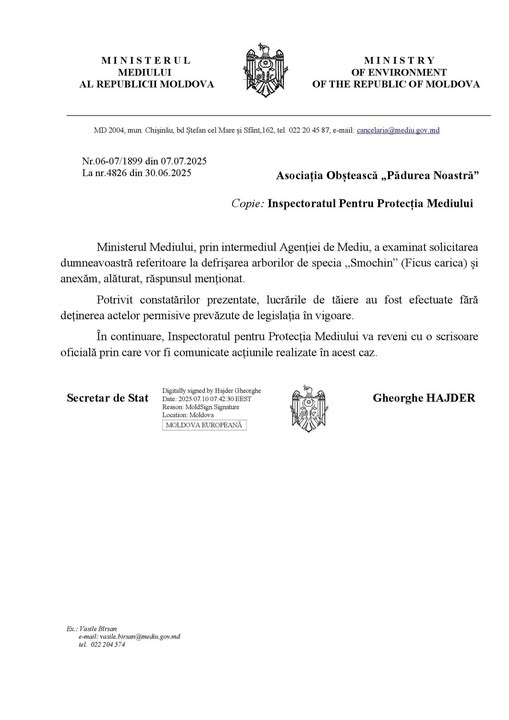
The public organization “Pădurea Noastră” has sent an official request to the Ministry of Environment regarding the alleged illegal logging of a fig orchard (Ficus carica) in the center of Chisinau.

In accordance with Law No. 148/2023 on Access to Information of Public Interest, an official response was received from the Ministry of Environment:

“The Ministry, through the Environmental Protection Agency, has reviewed your request and informs you that the logging of fig trees was carried out without the necessary authorization documents required by current legislation. In the near future, the Environmental Inspectorate will send an official letter detailing the measures taken in this case.”

Currently, the organization “Pădurea Noastră” has submitted a complaint to the police commissariat to clarify the circumstances. A response has not yet been received.
The Area Around Tamara Spring Has Been Cleaned of Trash!

Category: EN

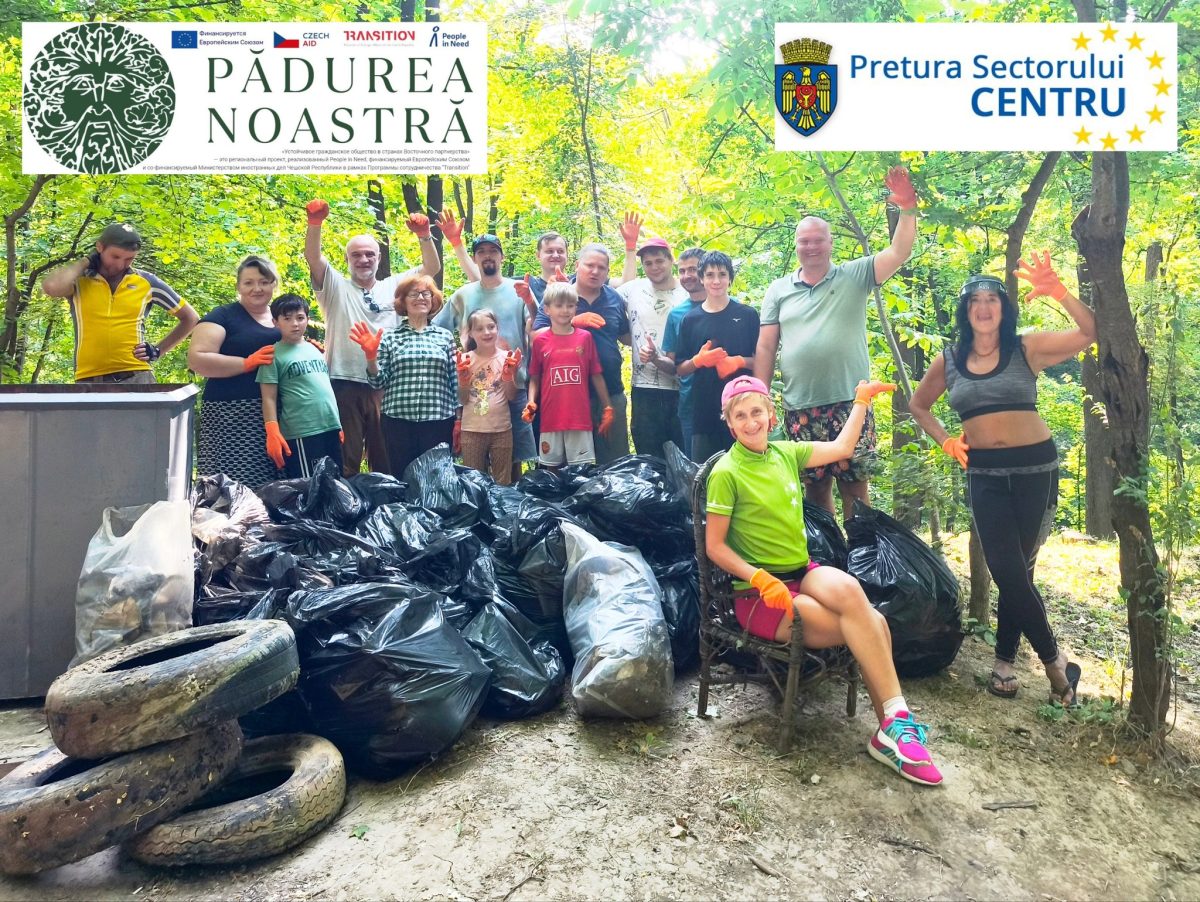
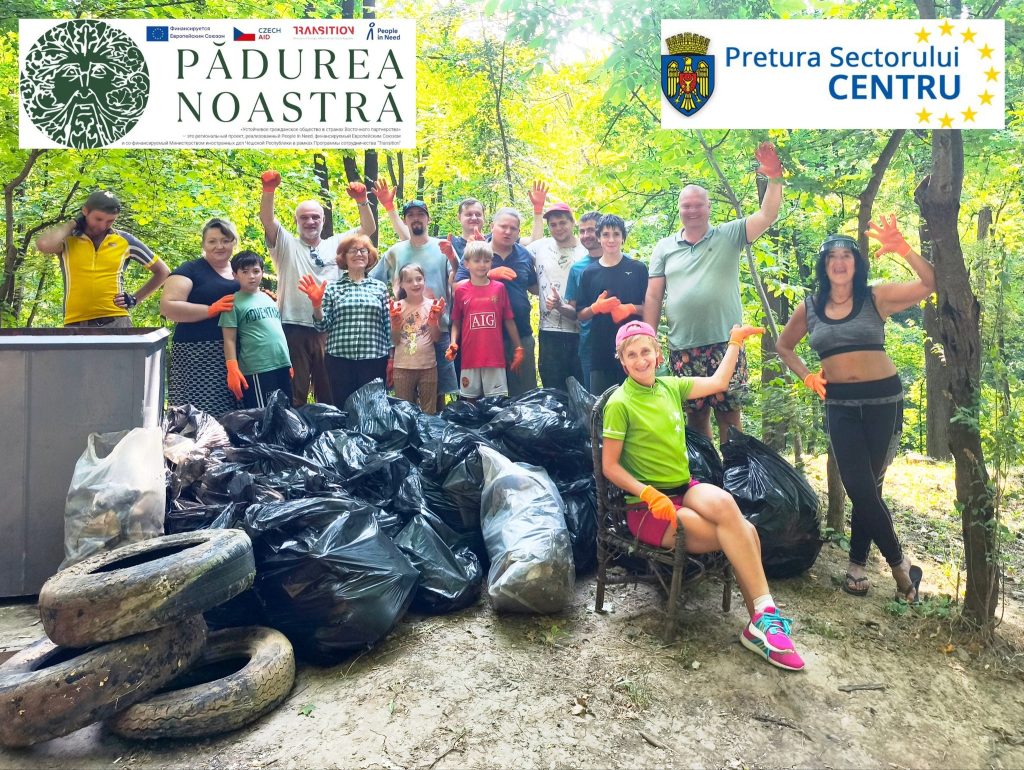
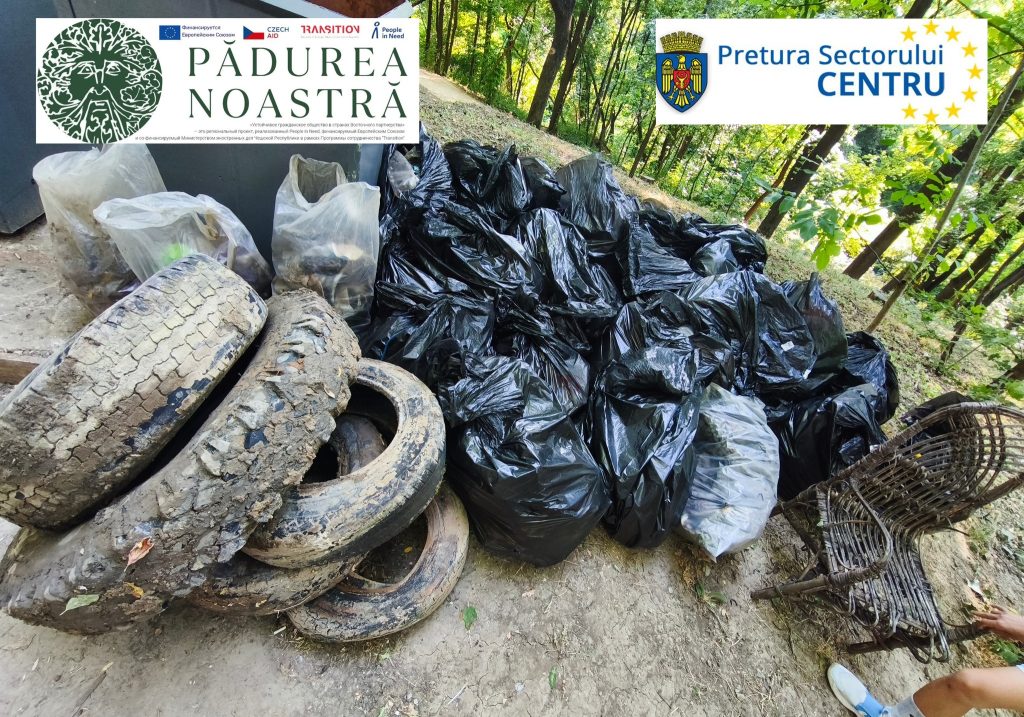
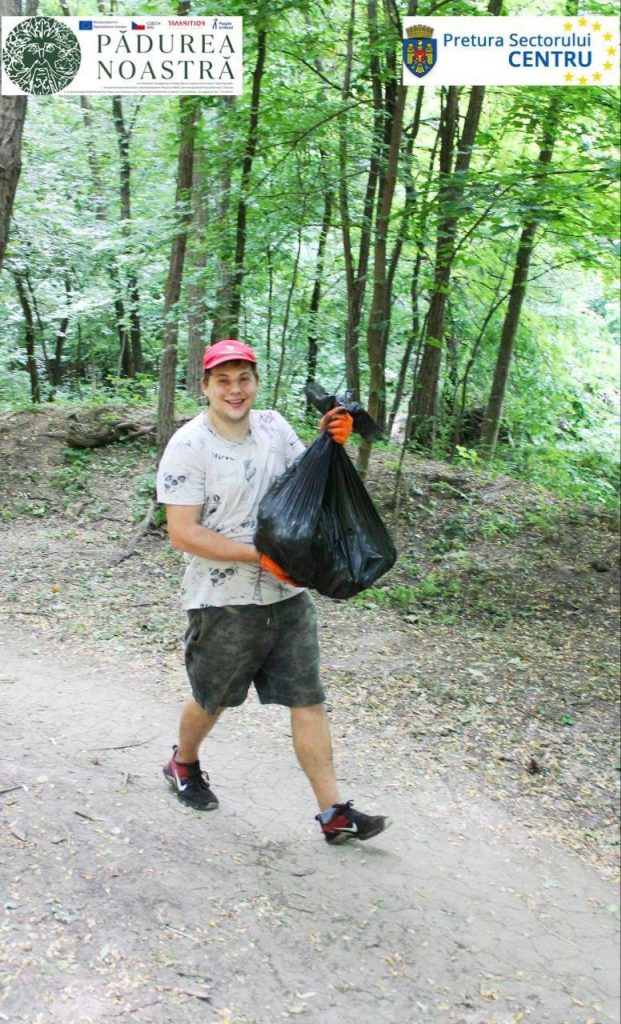
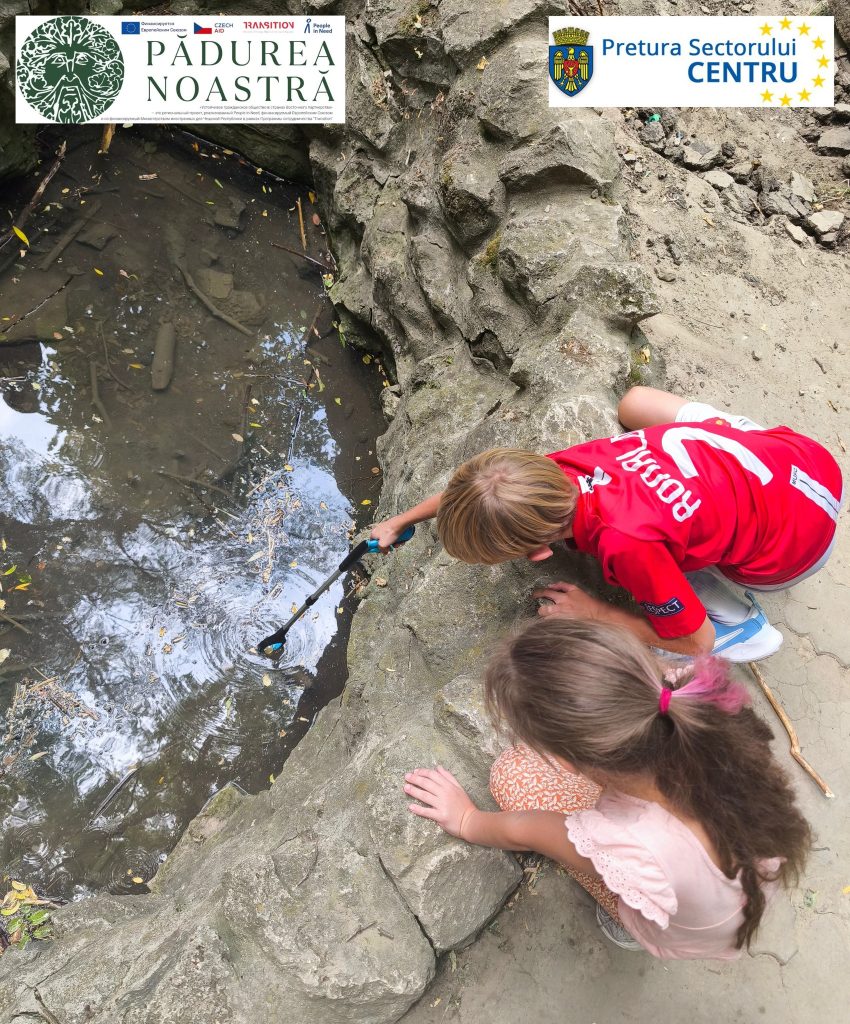
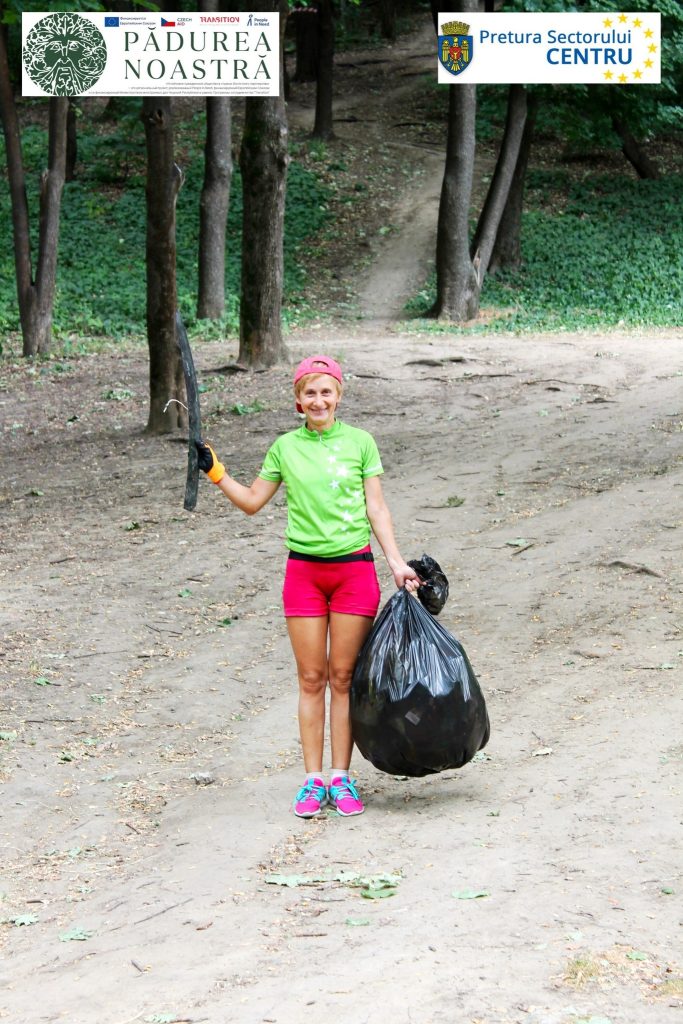
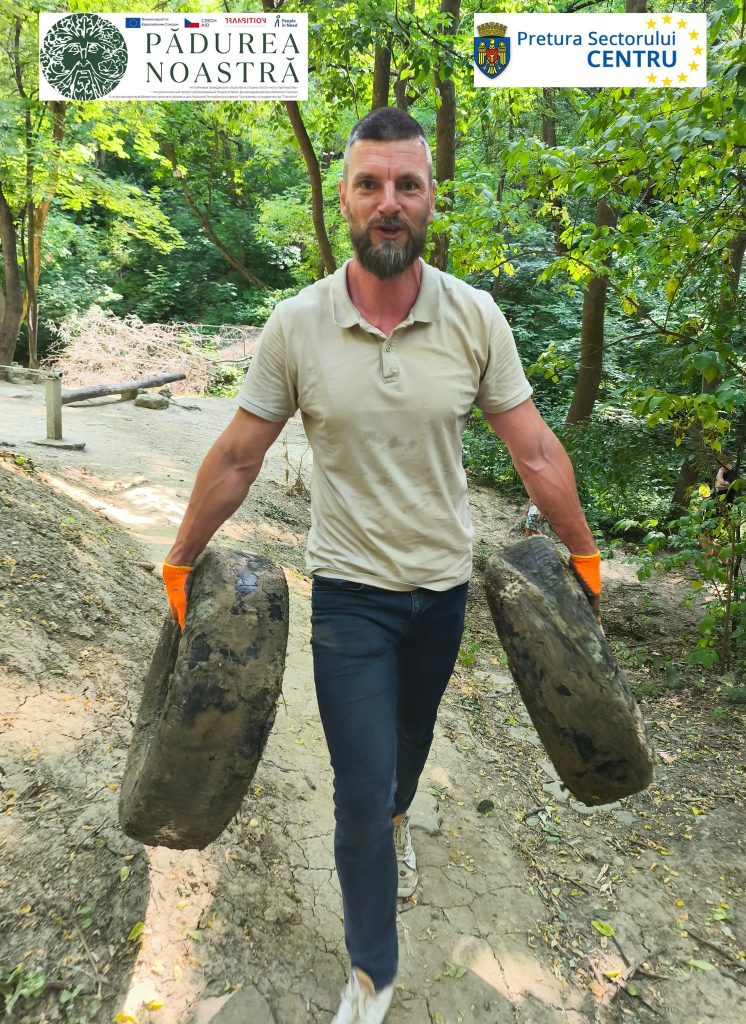
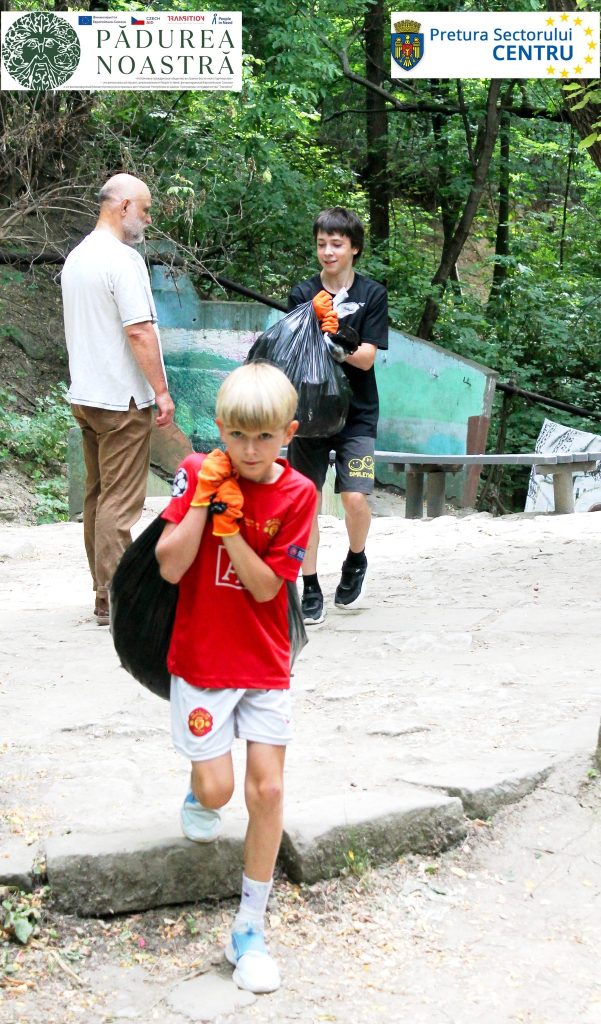
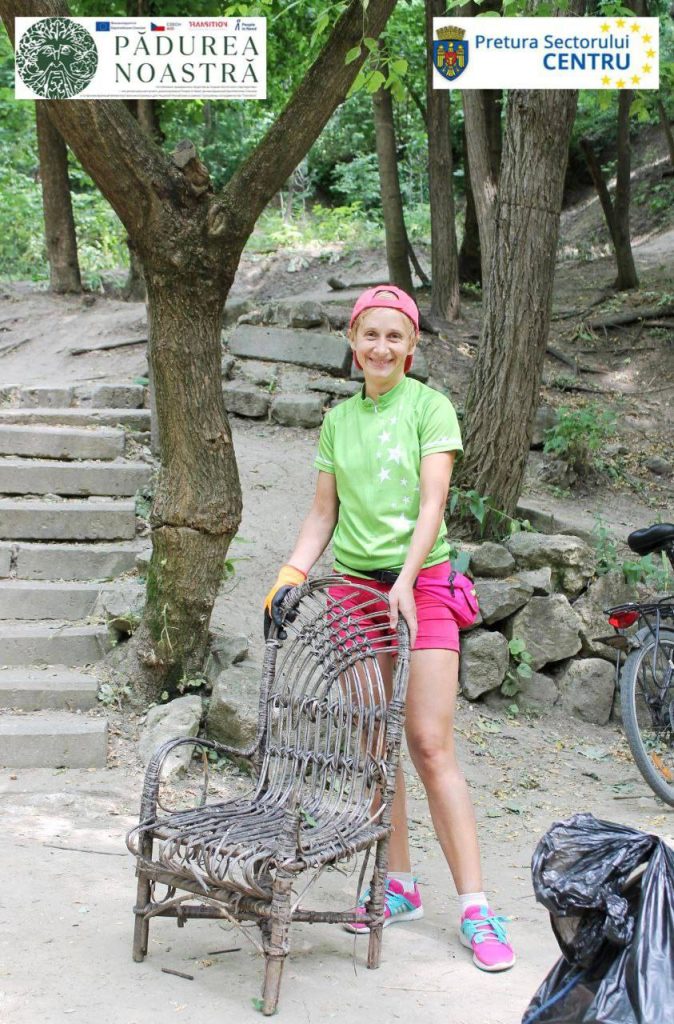
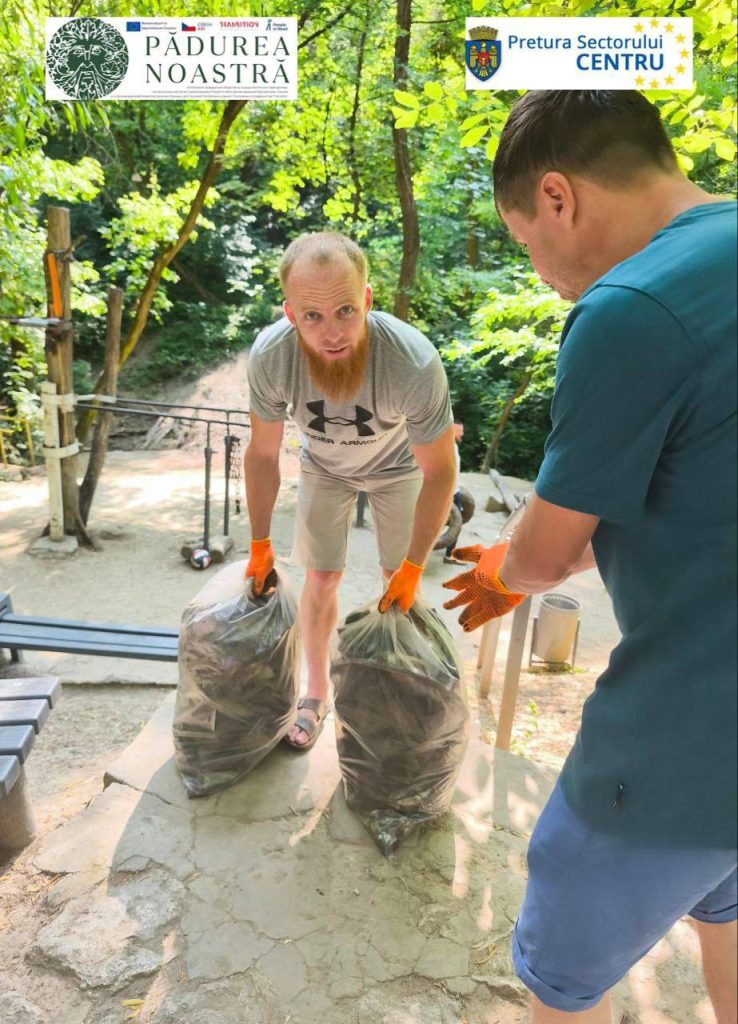
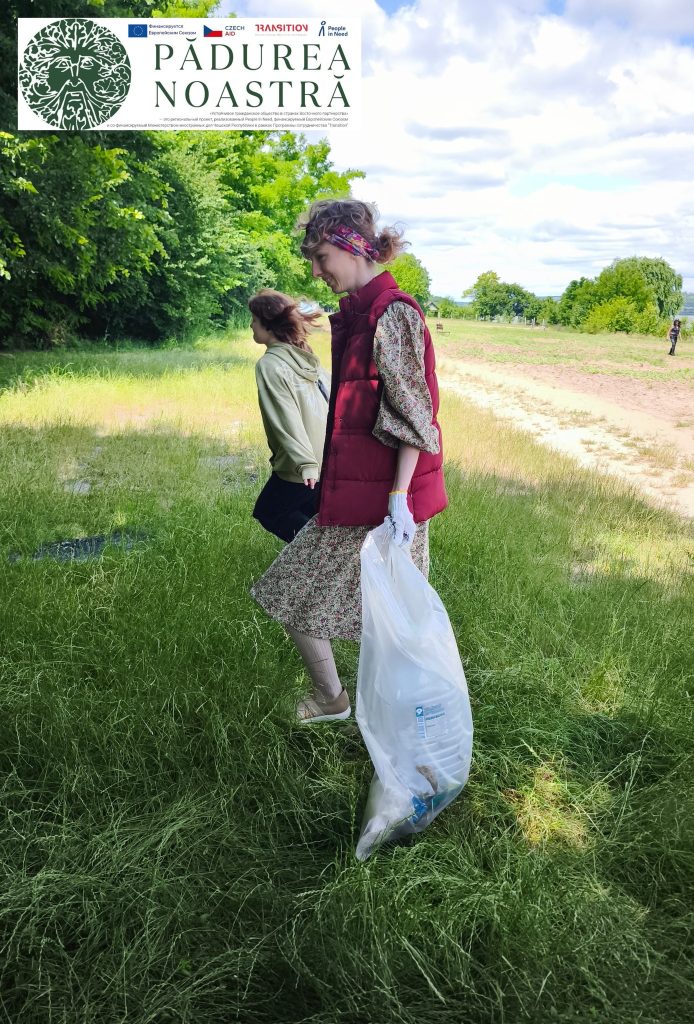
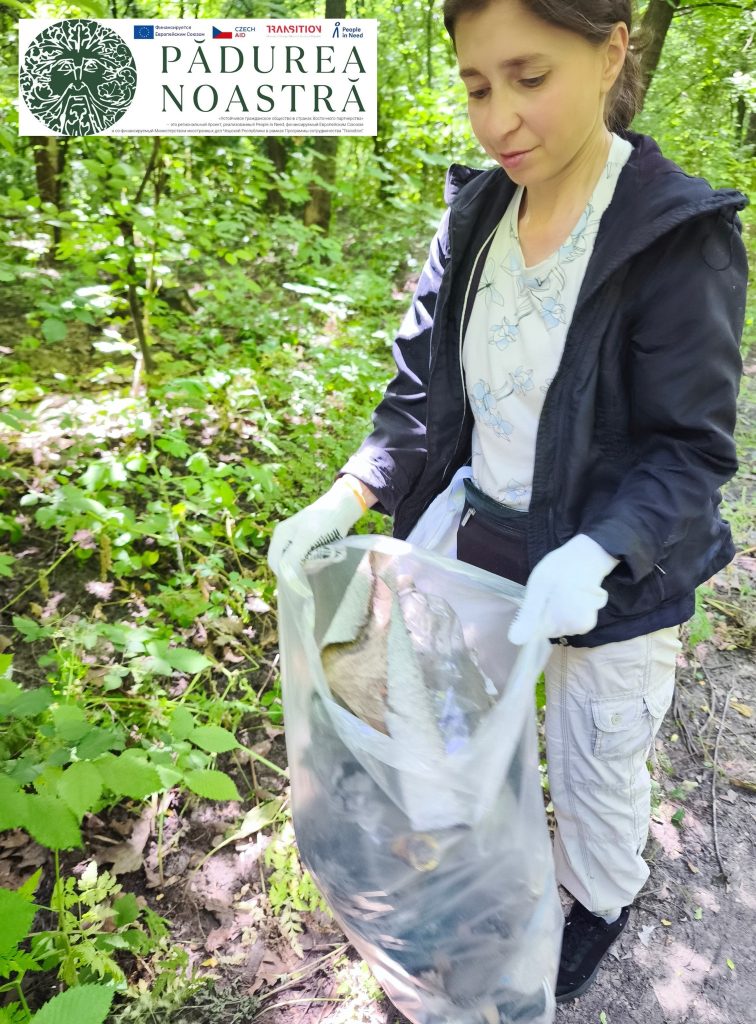
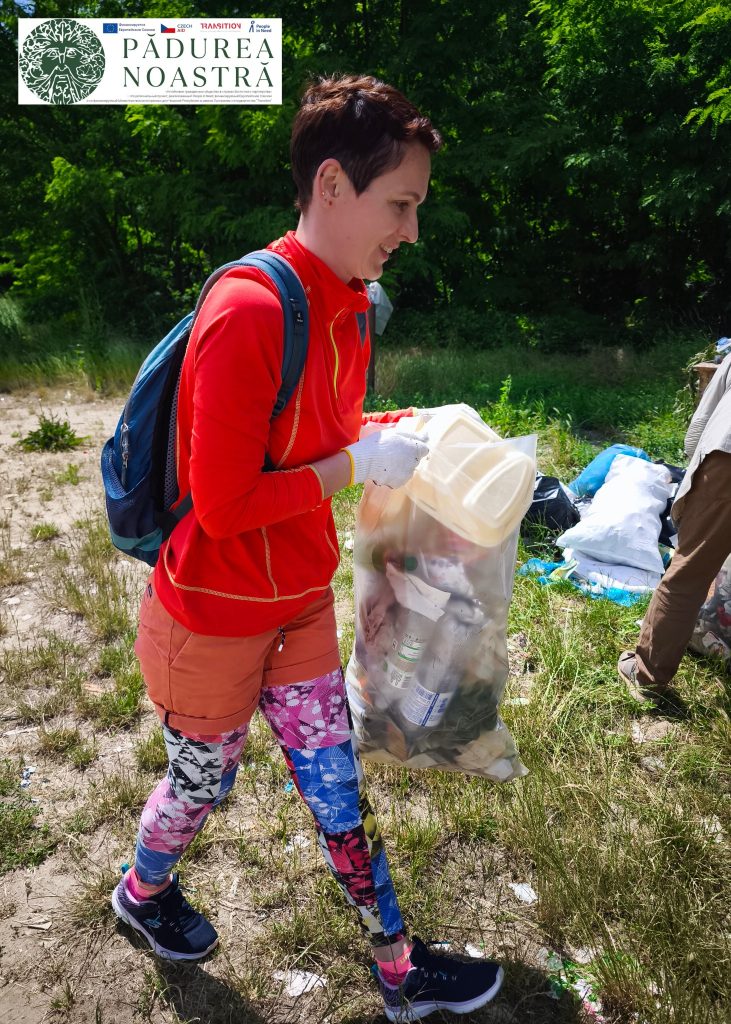
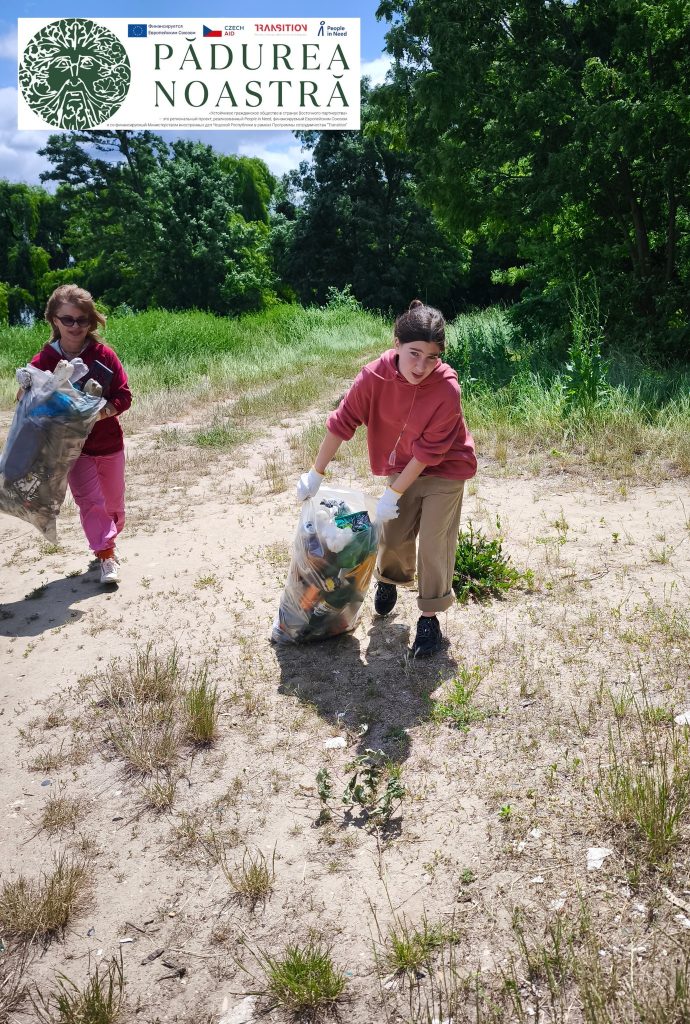
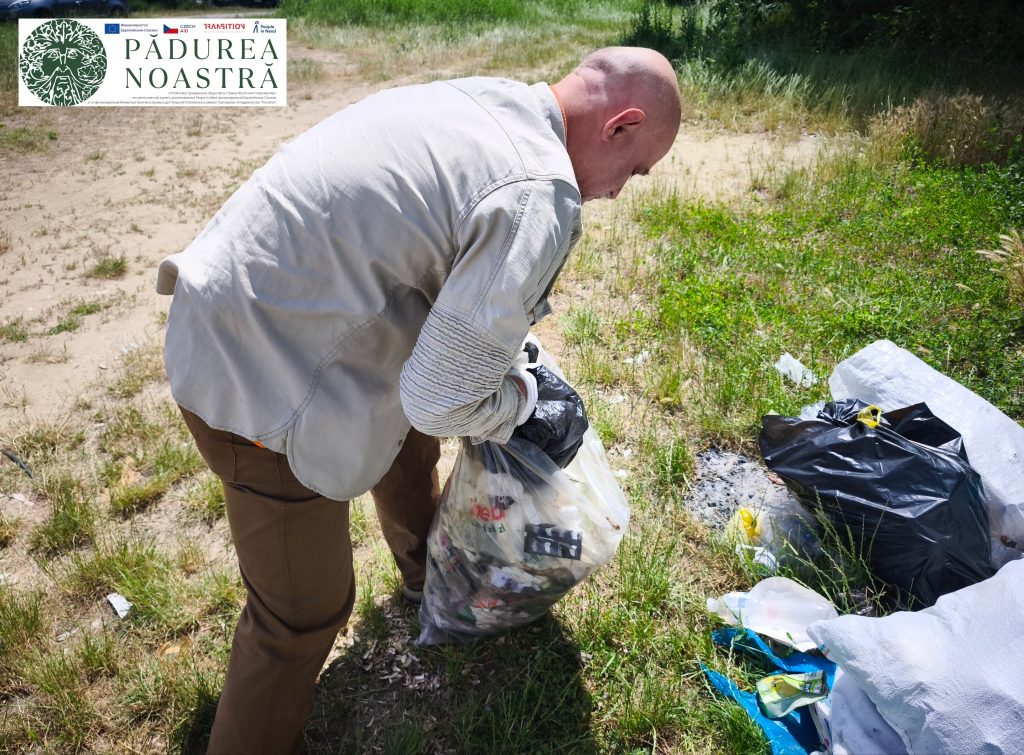
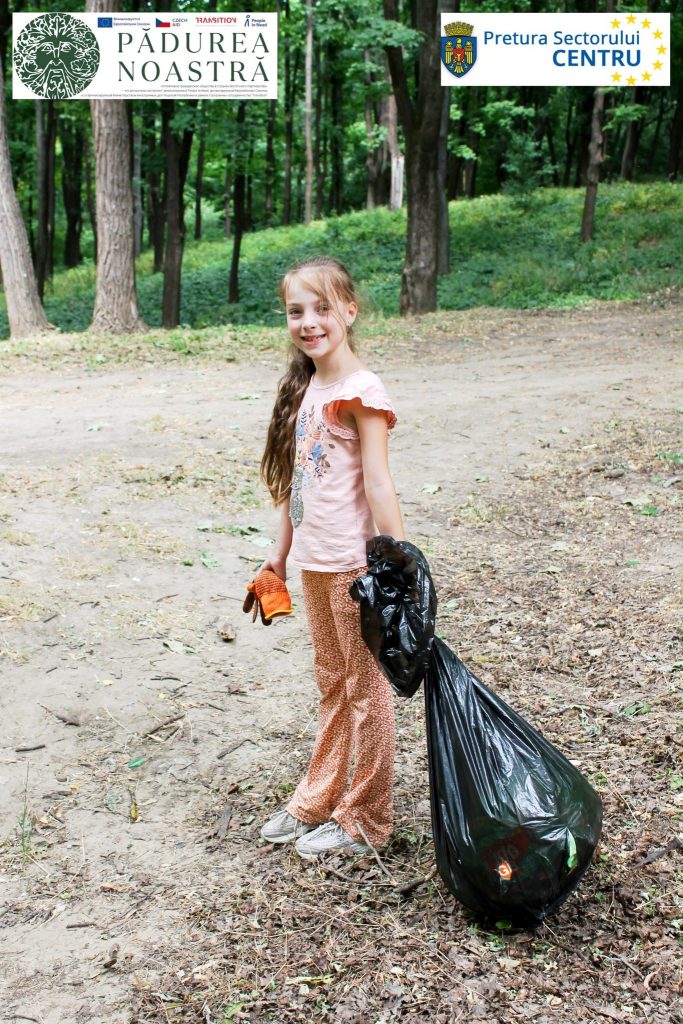
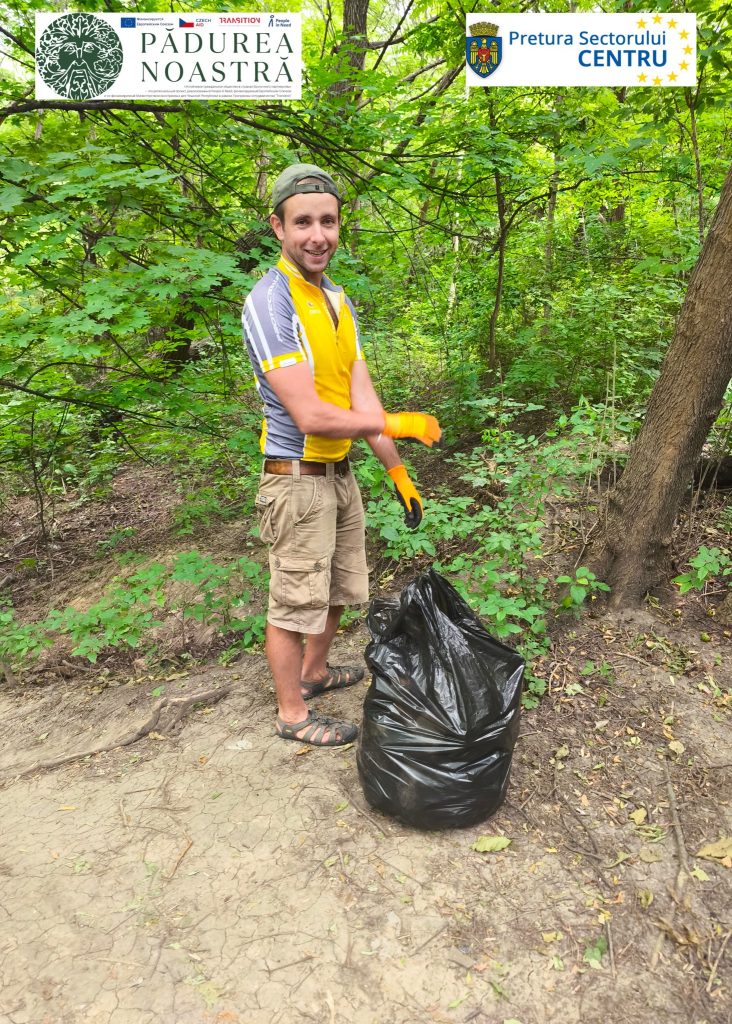
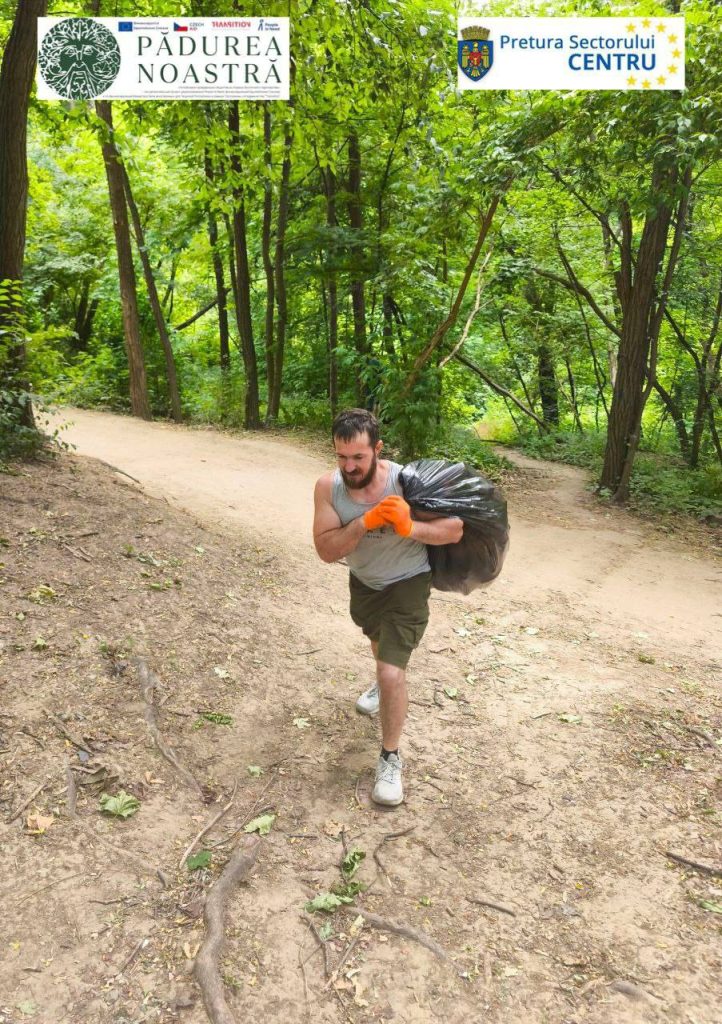
Eco-activists from the organization “Pădurea Noastră” gathered in Valea Morilor Park and carried out a large-scale cleanup of the forest surrounding Tamara Spring, as well as the spring itself — removing plastic and other waste.

The organizers express their sincere gratitude to every participant in the action — you are true heroes!

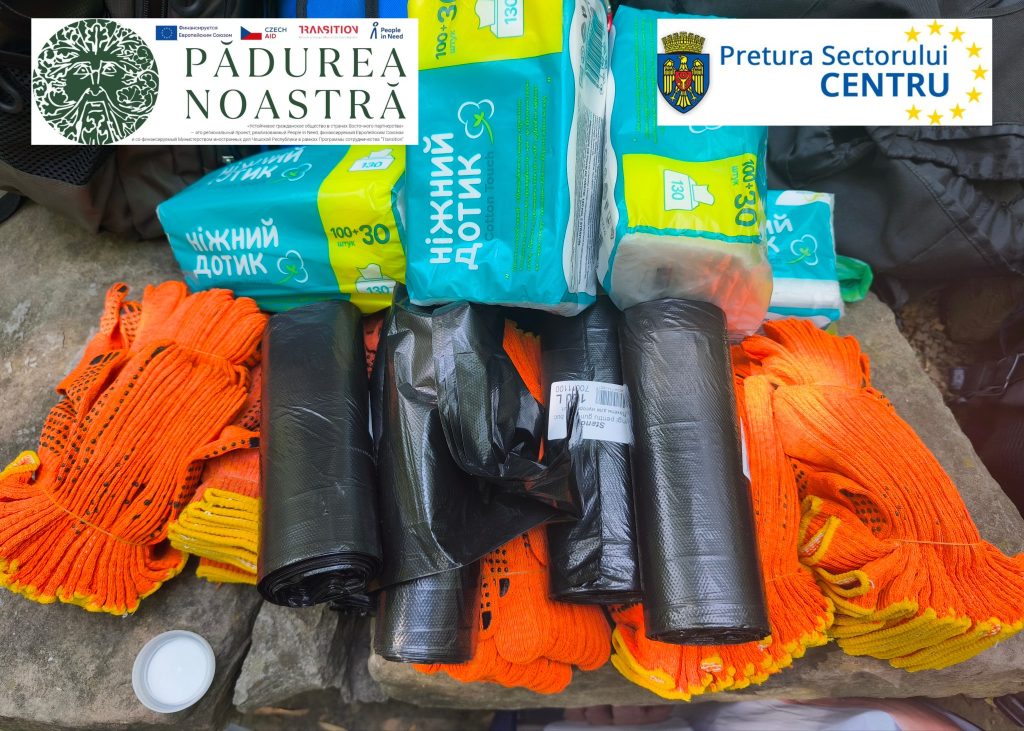
This time, the Pretura of the Centru sector provided volunteers with gloves, garbage bags, and wipes. Special thanks to Pretor Vlad Hîncu for his support and cooperation.
Separately, the “Pădurea Noastră” team thanks their main sponsor — People in Need Moldova and the project “Sustainable Civil Society in the Eastern Partnership Countries.” This regional project is implemented by People in Need, funded by the European Union, and co-financed by the Ministry of Foreign Affairs of the Czech Republic within the framework of the “Transition” Cooperation Program.

Chisinau Municipal Services Have Started Cutting Down Dead Trees, Not Living Ones

Category: EN

“Pădurea Noastră” Calls on Citizens to Help Protect Green Spaces

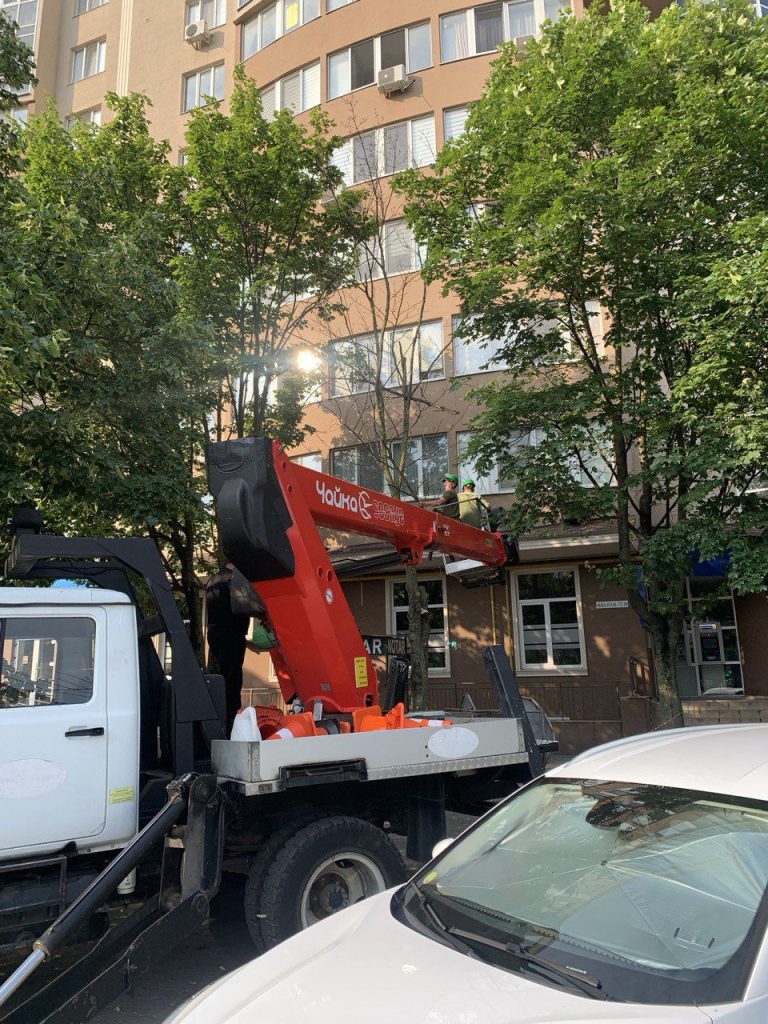
At last, the removal of dead and hazardous trees has begun in Chisinau—an issue the environmental organization “Pădurea Noastră” has been highlighting for a long time. Activists express hope that municipal services will continue this work and put an end to the practice of cutting down healthy trees, thus preserving the city’s green areas.
“We have been heard! We hope they will keep up the good work and stop cutting living trees,” say representatives of the organization.
According to “Pădurea Noastră,” tree removal operations are currently underway, including in the Buiucani district, where municipal workers are removing dangerous dead trunks.

The organization urges city residents to join the joint effort to protect living trees by helping authorities focus specifically on dead and hazardous trees. To this end, “Pădurea Noastră” asks citizens to send photos and locations of dead trees around Chisinau. The collected data will be regularly forwarded to Î.M. “Asociația de gospodărire a spațiilor verzi” to compile lists of necessary work.

Thus, as the ecologists emphasize, this effort will not only make the streets safer by removing dangerous branches but also preserve healthy trees, ensuring Chisinau enjoys clean air and shade amid climate change challenges.

NGOs Warn: Proposed Changes to the Industrial Emissions Law Threaten Public Health and Environmental Protection

Category: EN

Several non-governmental organizations in the Republic of Moldova have raised concerns about proposed amendments to Law No. 227/2022 on industrial emissions, warning that these changes could seriously impact air, water, and soil quality, as well as public health.

The warning comes in a statement prepared by EcoContact and signed by 30 NGOs (the list is being updated).

According to the document, the removal of key provisions and annexes from the law would allow polluting activities to operate without strict state control or environmental permits. Among the activities proposed to be excluded from the authorization regime are livestock farms, food industry units, water treatment plants, and the trade of chemicals and waste—all with a high potential for pollution.

Experts emphasize that if these amendments are adopted, many farms, factories, and industrial units will be able to operate without environmental authorization, making it more difficult for authorities to monitor and prevent pollution of water, air, and soil, thereby increasing risks to public health and the environment. Excluding these activities from Annex No. 2 and the complete removal of Annex No. 3 would create a dangerous legislative vacuum, weakening the state’s capacity to protect citizens’ right to a safe, healthy, and sustainable environment.

EcoContact highlights that the proposed amendments contradict European Union legislation already transposed into national law, as well as international agreements to which the Republic of Moldova is a party, endangering the country’s European integration process.

The document also points out that these changes are being advanced through an amendment to a draft law that has already passed the first reading, where the only link to the modified acts is the “environmental field,” without public consultation, engagement with local authorities, or a detailed analysis of environmental and health impacts. Specifically, the amendments to the Industrial Emissions Law were added to a draft law that initially only aimed to modify the Water Law No. 81 of March 19, 2025, already adopted in the first reading.

According to NGOs, this approach does not represent a simplification of the legal framework but rather a weakening of mechanisms to control and prevent pollution risks. A true simplification would involve legislative coherence, stakeholder consultations, and maintaining effective regulatory tools—elements missing from the current process.

Removing these regulations will reduce transparency and the ability of local authorities to fulfill their duties while limiting citizens’ right to be informed and involved in environmental decision-making.

In conclusion, the NGOs recommend that the authorities retain all control and authorization rules for activities with pollution risks and ensure broad public consultation before modifying environmental legislation.

It is worth noting that yesterday, June 24, 2025, the Cabinet of Ministers approved the Single Opinion on the amendments to the draft law modifying the Water Law No. 272/2011. The government’s opinion confirms that the changes to Law No. 227/2022 on industrial emissions constitute a new legislative initiative requiring adoption in two readings, recommending the consideration of Constitutional Court jurisprudence.

The documents can be accessed here:

A Large-Scale Cleanup Took Place at Ghidighici Beach

Category: EN

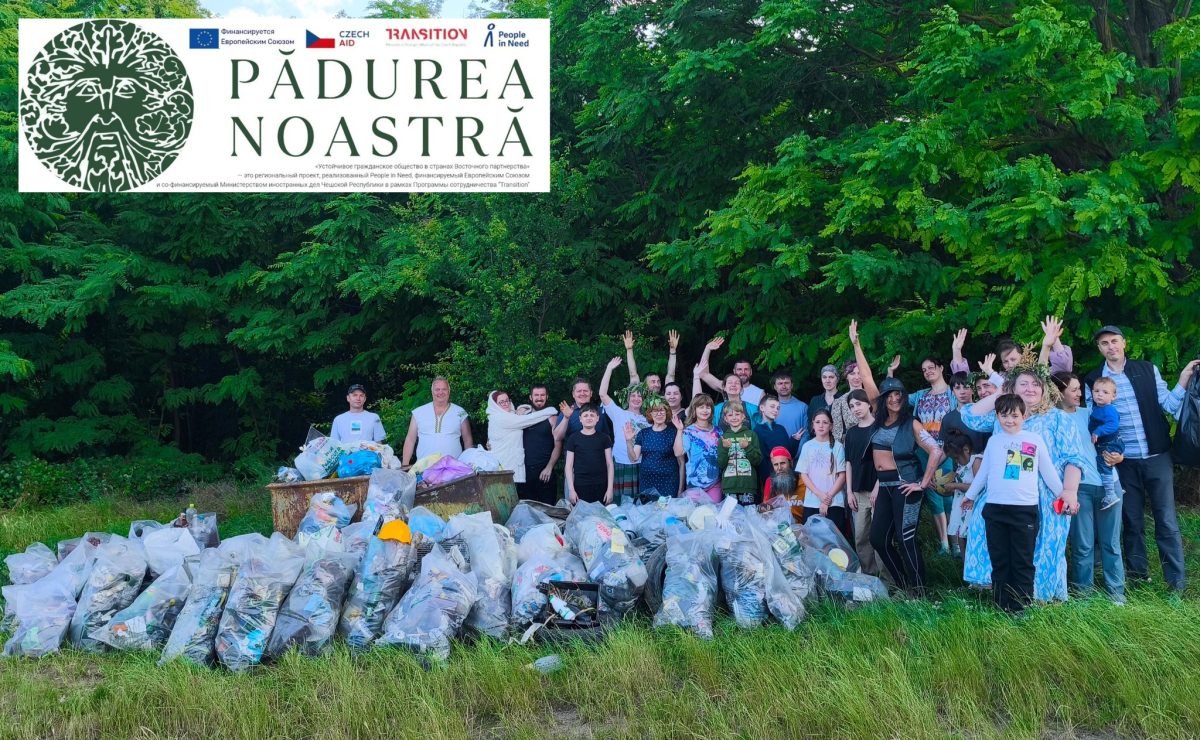
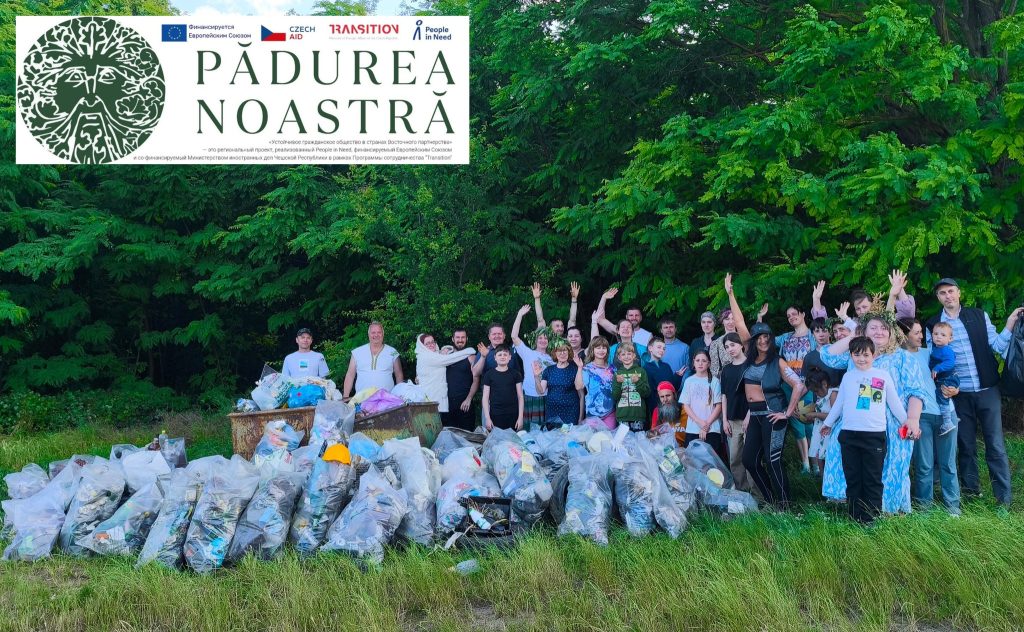
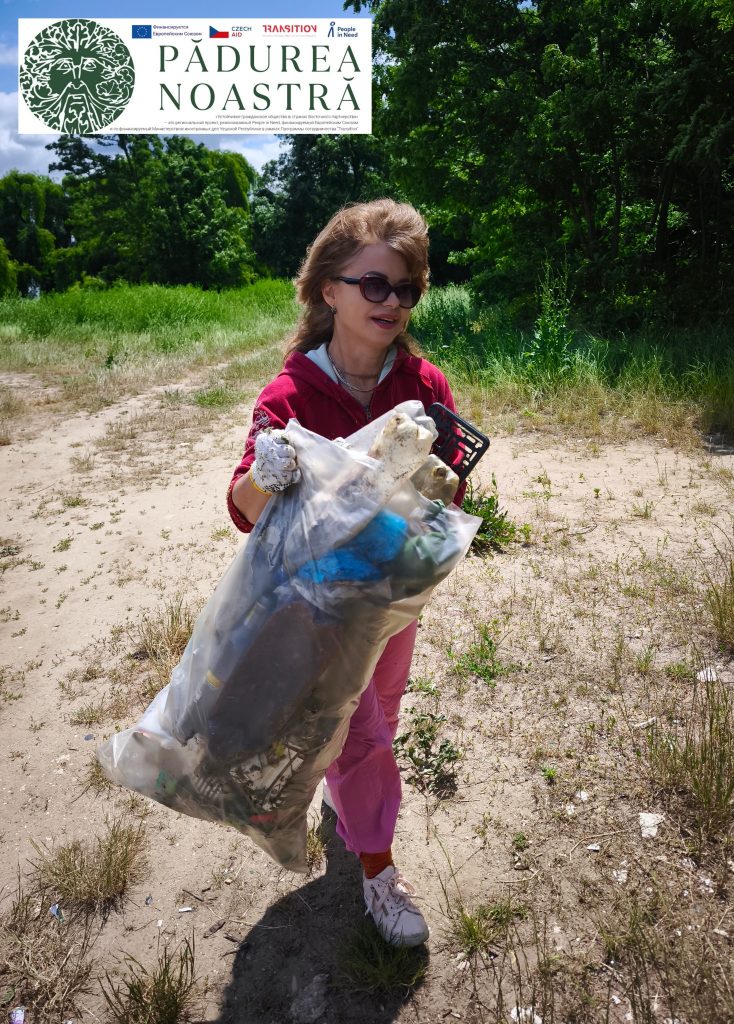
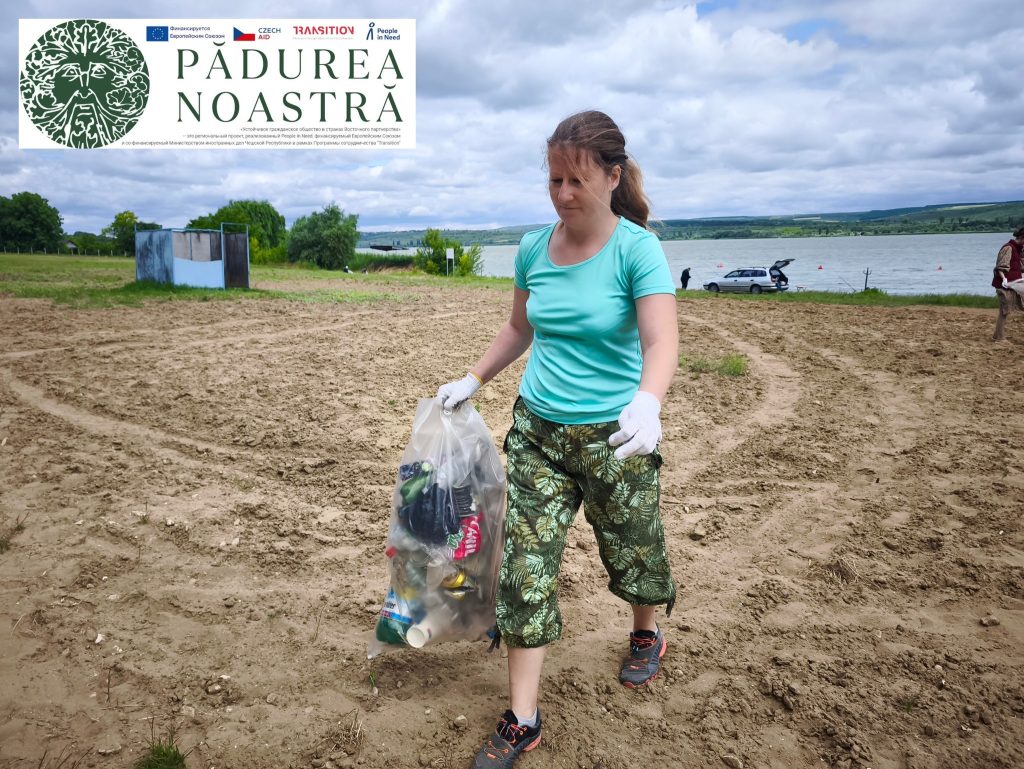
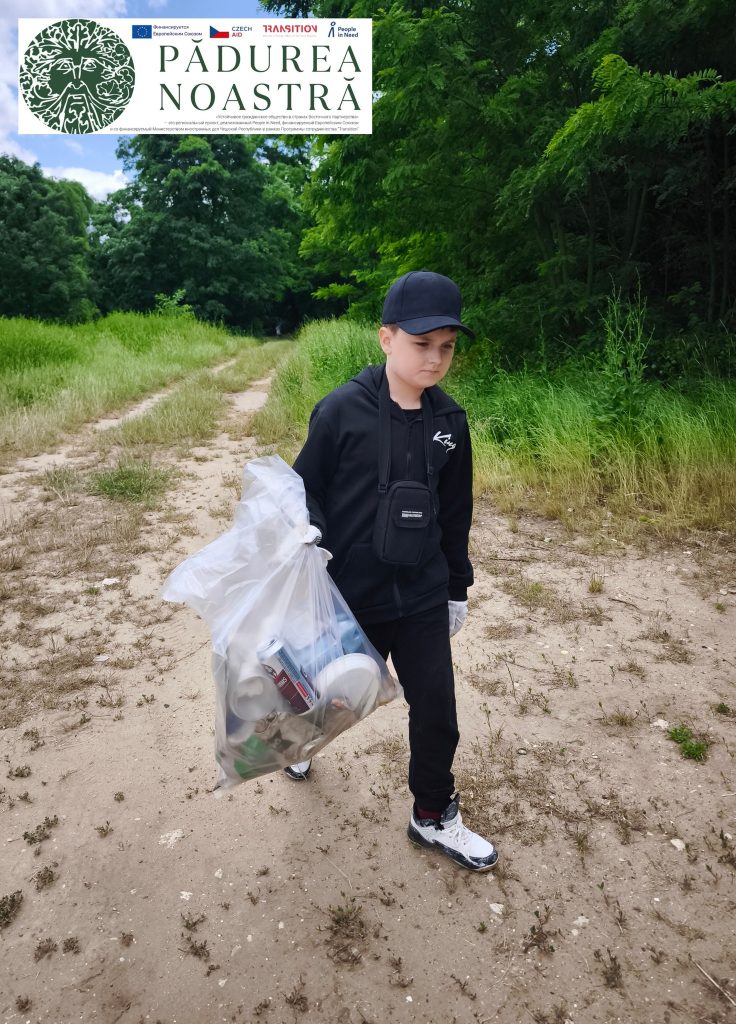
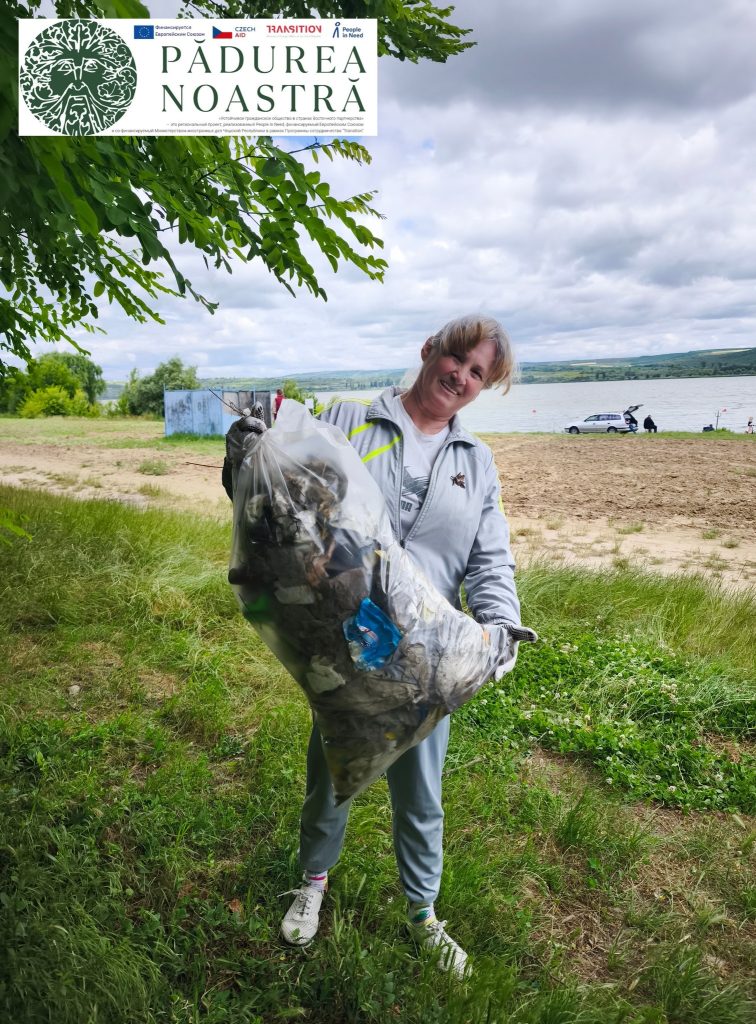
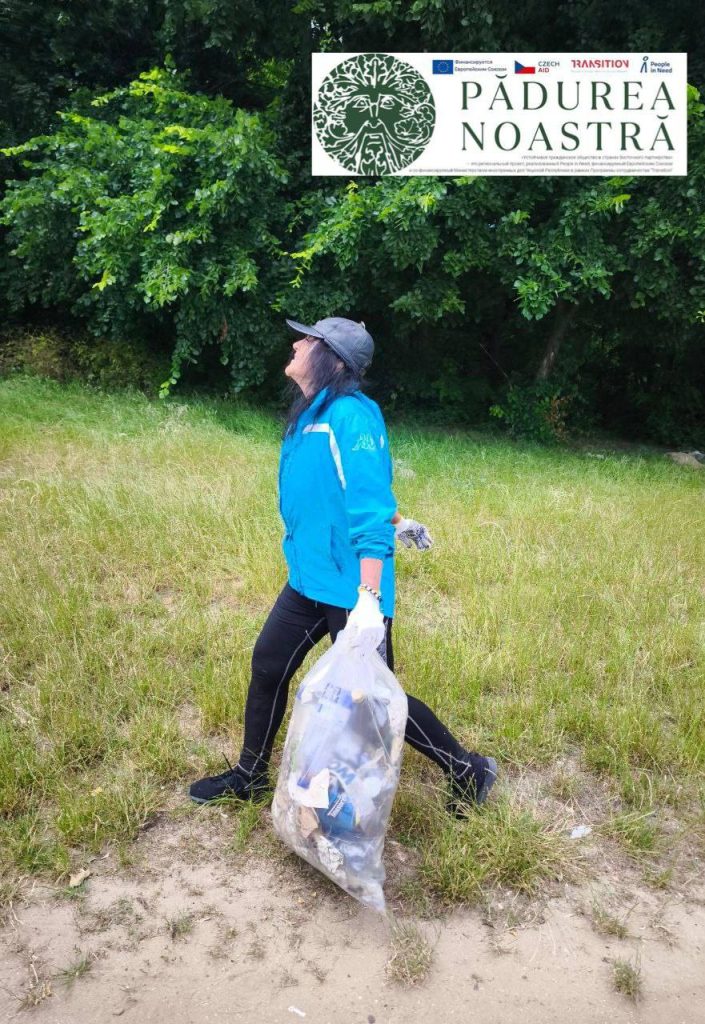
The environmental organization “Pădurea Noastră” carried out its largest cleanup of the year, clearing the central beach and the surrounding forest area of the Ghidighici reservoir in Chișinău.

This location is known for accumulating large amounts of waste for two main reasons: the careless attitude of visitors and the lack of attention from the city administration. Although the municipality does not consider this area a proper recreation and tourism zone and does not invest in its maintenance, city residents continue to spend their leisure time there.

“It is clear that something needs to be done about this,” the organizers stated.

New volunteers from Moldova and Ukraine joined the action, giving the event a humanitarian dimension as well. Participants combined the cleanup with celebrating the Summer Solstice in the traditional Slavic-Moldovan style of Kupala-Sânziene, offering Ukrainian guests an atmosphere that reminded them of home and their traditions.

A total of 52 people took part in the cleanup, and as the organizers noted, it was “a truly warm and unifying event.”

The team extends special thanks to their sponsors, whose support made this celebration of cleanliness possible. The event was supported by the project “Sustainable Civil Society in the Eastern Partnership Countries,” implemented by People in Need, funded by the European Union, and co-financed by the Ministry of Foreign Affairs of the Czech Republic within the framework of the “Transition” cooperation program. In Moldova, the project is implemented by People in Need Moldova.

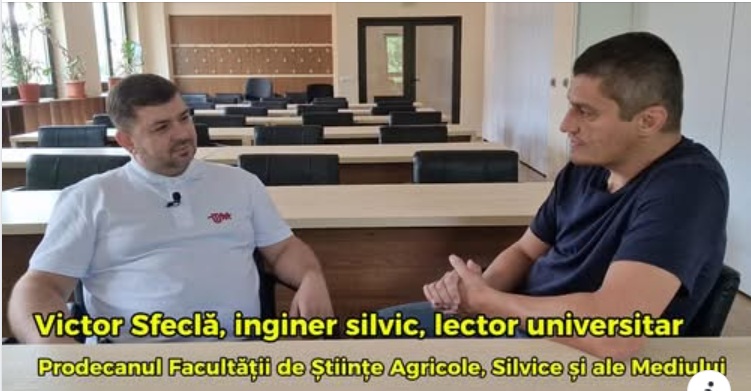
On Forestry Higher Education and Afforestation in Moldova – Victor Sfeclă

Category: EN

How is forestry higher education developing in Moldova, and what progress has been made in afforestation?

University lecturer and engineer Victor Sfeclă, Vice Dean of the Faculty of Agricultural, Forestry and Environmental Sciences at UTM, speaks openly about the future of Moldova’s forests and the importance of training specialists in this field.