For Moldovans, the best place for recreation is the Codrii and their biodiversity (Study)

Author: homestead

Resting in Moldova’s Codrii forests can be not just pleasant, but truly healing—and in some cases even more beneficial for mental health than traveling abroad. This conclusion is supported by the results of a new scientific study on the impact of natural sounds and biodiversity on human well-being.
Why the Codrii?

The study found that soundscapes of local forests have a stronger positive effect on the human psyche than the sounds of “exotic” natural environments. This means that for people living in Moldova, native forests—such as the Codrii—may be the most restorative.

Key findings:

  • Sounds of local forests improve mental well-being more than sounds of unfamiliar ecosystems
  • The greater the diversity of animals, the stronger the feeling of harmony and even awe
  • Perceiving rich wildlife is directly linked to improved mood
  • However, “chaotic” acoustic diversity (without understanding its meaning) can, on the contrary, create tension

In other words, it’s not just the number of sounds that matters, but their naturalness, familiarity, and connection to living nature.

Biodiversity is the key to inner calm

Humans are evolutionarily connected to their natural environment. The sounds of birds, insects, and rustling leaves create a sense of safety and belonging. That is why forests rich in biodiversity can:

  • reduce stress levels
  • improve concentration
  • restore emotional balance

The Codrii are one of the few regions in Moldova where relatively high species diversity is still preserved. This makes them not only ecologically valuable but also psychologically important for people.

Acacia plantations are good for firewood, but do they improve mental health?

It is important to address a separate issue relevant to the Republic of Moldova: the large-scale planting of acacia trees.

Although acacia is often used for rapid greening efforts, it is important to understand that monocultures are not real forests.

Such plantations:

  • have low biodiversity

  • create poor soundscapes

  • do not form a complete ecosystem

  • may cause a feeling of monotony in people

The study indirectly confirms this: when the sound environment is not perceived as “alive” and rich, it does not provide psychological comfort.

Implications for reforestation

If Moldova wants not just to “plant trees,” but truly restore nature and improve people’s quality of life, it is necessary to:

  • create mixed forests rather than monocultures
  • consider the diversity of plant and animal species
  • build resilient ecosystems
  • preserve local natural communities

Biodiversity is not a luxury—it is the foundation of both environmental and human health.

How the study was conducted

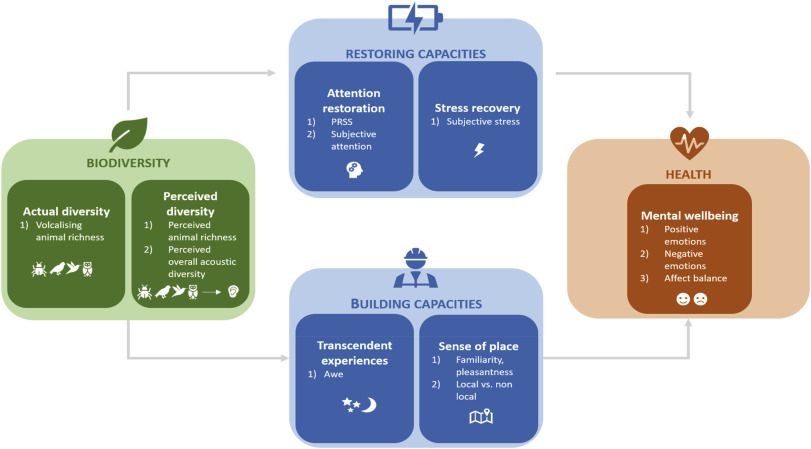
The experiment involved 195 students from Germany. They were asked to listen to recordings of forest soundscapes:

  • with low and high levels of animal sounds
  • from local (temperate) and non-local (tropical) forests

Researchers analyzed:

  • emotional responses
  • stress and well-being levels
  • sense of “place attachment”
  • perception of sound diversity

Main scientific conclusions:

  • Forests richer in animal sounds triggered stronger positive emotions
  • Local forests were perceived as more pleasant and restorative
  • Perceived biodiversity was more important than its objective level
  • Overly complex but “unfamiliar” sound environments reduced comfort

Researchers emphasize that it is not enough to increase diversity—it must be ecologically meaningful and perceptible to humans.


In conclusion, the Codrii are not just a green area on the map. They are a place where nature can truly heal—through sound, atmosphere, and biodiversity.

And perhaps the best отдых for Moldovans is not a flight to another country, but a return to their own nature.

🔗 Study link:
https://www.sciencedirect.com/science/article/pii/S0272494426001088
Pentru moldoveni, cel mai bun loc de odihnă — Codrii și biodiversitatea lor (Studiu)

Author: homestead

Odihna în Codrii Moldovei poate fi nu doar plăcută, ci cu adevărat vindecătoare — iar în unele cazuri chiar mai benefică pentru sănătatea mintală decât călătoriile în străinătate. La această concluzie conduc rezultatele unui nou studiu științific dedicat influenței sunetelor naturii și biodiversității asupra stării de bine a omului.

De ce anume Codrii?

Studiul a arătat:
peisajele sonore ale pădurilor locale au un efect pozitiv mai puternic asupra psihicului decât sunetele unor teritorii naturale „exotice”. Aceasta înseamnă că, pentru locuitorii Moldovei, anume pădurile natale — precum Codrii — pot avea cel mai puternic efect de refacere.

Concluzii cheie:

  • Sunetele pădurii locale îmbunătățesc starea de bine psihică mai mult decât sunetele ecosistemelor necunoscute
  • Cu cât diversitatea animalelor este mai mare, cu atât mai puternică este senzația de armonie și chiar de admirație profundă
  • Percepția bogăției naturii vii este direct legată de îmbunătățirea dispoziției
  • Dar diversitatea acustică „haotică” (fără a-i înțelege sensul) poate, dimpotrivă, provoca tensiune

Cu alte cuvinte, nu contează doar numărul sunetelor, ci naturalețea, familiaritatea și legătura lor cu natura vie.

Biodiversitatea — cheia liniștii interioare

Omul este evolutiv legat de mediul său natural. Sunetele păsărilor, insectelor, foșnetul frunzelor — toate acestea creează un sentiment de siguranță și apartenență. De aceea, o pădure cu biodiversitate bogată poate:

  • reduce nivelul de stres
  • îmbunătăți concentrarea
  • restabili echilibrul emoțional

Codrii sunt una dintre puținele regiuni din Moldova unde se mai păstrează o diversitate relativ ridicată de specii. Acest lucru îi face nu doar valoroși din punct de vedere ecologic, ci și importanți psihologic pentru oameni.

Plantațiile de salcâm sunt bune pentru lemne de foc, dar îmbunătățesc ele sănătatea mintală?

Este important să abordăm separat o problemă actuală pentru Republica Moldova: plantările masive de salcâm.

Deși salcâmul este adesea folosit pentru împăduriri rapide, este important de înțeles că:
monoculturile nu sunt o pădure adevărată.

Astfel de plantații:

  • au o biodiversitate scăzută

  • creează un peisaj sonor sărac

  • nu formează un ecosistem complet

  • pot provoca la om senzația de monotonie

Studiul confirmă indirect acest lucru:
atunci când mediul sonor nu este perceput ca „viu” și bogat, el nu oferă confort psihologic.

Concluzii pentru reîmpădurire

Dacă Moldova dorește nu doar să „planteze copaci”, ci să refacă cu adevărat natura și să îmbunătățească calitatea vieții oamenilor, este necesar:

  • să creeze păduri mixte, nu monoculturi
  • să țină cont de diversitatea speciilor de plante și animale
  • să formeze ecosisteme stabile
  • să conserve comunitățile naturale locale

Biodiversitatea nu este un lux, ci baza sănătății atât a naturii, cât și a omului.

Cum a fost realizat studiul

La experiment au participat 195 de studenți din Germania. Aceștia au ascultat înregistrări ale sunetelor de pădure:

  • cu nivel scăzut și ridicat al sunetelor produse de animale
  • din păduri locale (temperate) și ne-locale (tropicale)

Cercetătorii au analizat:

  • reacțiile emoționale
  • nivelul de stres și starea de bine
  • senzația de „legătură cu locul”
  • percepția diversității sonore

Principalele rezultate științifice:

  • Pădurile cu mai multe sunete de animale au generat emoții mai pozitive
  • Pădurile locale au fost percepute ca mai plăcute și mai restorative
  • Percepția biodiversității s-a dovedit mai importantă decât nivelul ei obiectiv
  • Un mediu sonor prea complex, dar „neînțeles”, reduce confortul

Cercetătorii subliniază:
nu este suficient să creștem diversitatea, ci trebuie ca aceasta să fie ecologic coerentă și ușor de perceput de către om.


În concluzie, Codrii nu sunt doar o zonă verde pe hartă. Este un loc unde natura poate cu adevărat să vindece — prin sunete, atmosferă și biodiversitate.

Și, poate, cea mai bună odihnă pentru moldoveni nu este un zbor spre o altă țară, ci întoarcerea la propria natură.

🔗 Link către studiu:
https://www.sciencedirect.com/science/article/pii/S0272494426001088

Для молдаван лучшее место отдыха — Кодры и их Биоразнообразие (Исследование)

Author: homestead

Отдых в молдавских Кодрах может быть не просто приятным, а по-настоящему целебным — и в ряде случаев даже более полезным для психического здоровья, чем поездки за границу. К такому выводу подводят результаты нового научного исследования, посвящённого влиянию звуков природы и биоразнообразия на самочувствие человека.

Почему именно Кодры?

Исследование показало:
звуковые ландшафты местных лесов оказывают более сильное положительное влияние на психику, чем звуки «экзотических» природных территорий. Это означает, что для жителей Молдовы именно родные леса — такие как Кодры — могут быть наиболее восстановительными.

Ключевые выводы:

  • Звуки местного леса улучшают психическое благополучие сильнее, чем звуки незнакомых экосистем
  • Чем выше разнообразие животных, тем сильнее ощущение гармонии и даже благоговения
  • Восприятие богатства живой природы напрямую связано с улучшением настроения
  • Но «хаотическое» акустическое разнообразие (без понимания его смысла) может, наоборот, вызывать напряжение

Иными словами, важно не просто количество звуков, а их естественность, узнаваемость и связь с живой природой.

Биоразнообразие — ключ к внутреннему спокойствию

Человек эволюционно связан со своей природной средой. Звуки птиц, насекомых, шелест листвы — всё это формирует ощущение безопасности и принадлежности. Именно поэтому лес с богатым биоразнообразием способен:

  • снижать уровень стресса
  • улучшать концентрацию
  • восстанавливать эмоциональное равновесие

Кодры — один из немногих регионов Молдовы, где ещё сохраняется относительно высокое разнообразие видов. И это делает их не только экологически ценными, но и психологически важными для людей. 

Акациевые плантации хороши для дров, но улучшают ли психическое здоровье?

Отдельно стоит затронуть проблему, актуальную для Молдовы: массовые посадки акации.

Хотя акация часто используется для быстрого озеленения, важно понимать:
монокультуры — это не полноценный лес.

Такие посадки:

  • имеют низкое биоразнообразие
  • создают бедный звуковой ландшафт
  • не формируют полноценной экосистемы
  • могут вызывать у человека ощущение однообразия

Исследование косвенно подтверждает это:
когда звуковая среда не воспринимается как «живая» и богатая, она не приносит психологического комфорта.

Вывод для лесовосстановления

Если Молдова хочет не просто «засадить площадь деревьями», а действительно восстановить природу и улучшить качество жизни людей, необходимо:

  • создавать смешанные леса, а не монокультуры
  • учитывать разнообразие видов растений и животных
  • формировать устойчивые экосистемы
  • сохранять местные природные сообщества

Биоразнообразие — это не роскошь, а основа здоровья как природы, так и человека.

Как проводилось исследование

В эксперименте приняли участие 195 студентов из Германии. Им предлагали прослушать записи лесных звуков:

  • с низким и высоким уровнем звуков животных
  • из местных (умеренных) и неместных (тропических) лесов

Учёные анализировали:

  • эмоциональные реакции
  • уровень стресса и благополучия
  • ощущение «связи с местом»
  • восприятие звукового разнообразия

Основные научные выводы:

  • Более богатые звуками животных леса вызывали сильнее положительные эмоции
  • Местные леса воспринимались как более приятные и восстанавливающие
  • Восприятие биоразнообразия оказалось важнее, чем его объективный уровень
  • Слишком сложная, но «непонятная» звуковая среда снижала комфорт

Учёные подчёркивают:
важно не просто увеличивать разнообразие, а делать его экологически осмысленным и воспринимаемым человеком.

Получается, что кодры — это не просто зелёная зона на карте. Это место, где природа может реально лечить — через звуки, атмосферу и биоразнообразие.

И, возможно, лучший отдых для молдаван — это не перелёт в другую страну, а возвращение к своей природе.

🔗 Ссылка на исследование:
https://www.sciencedirect.com/science/article/pii/S0272494426001088

Beehive on the Balcony

Author: homestead

🍯 “Beehive on the Balcony” — a project of support and sustainability.

We are launching a social project that combines two key goals:
💛 helping people
🌱 financial sustainability of environmental projects

We are the team of Pădurea Noastră (Our Forest) from Moldova.
We organize environmental actions, educational programs, create media content, and protect the environment on a legal level.

Today, our capacity largely depends on external funding.
To grow sustainably, we are creating our own source of income — both ecological and social at the same time.


🐝 Why a beekeeping project?

We are launching an apiary that will become:
— a financial foundation for the organization
— a platform for environmental education
— a tool to support people

The apiary will be located in a clean natural area —
in the eco-settlement “Schiastlivoye,” in one of the homesteads near Moldova’s Codri forest 🌳

🐝 How does the project work?

We have created a format with a strong social impact:

👉 you make a donation
👉 we invest it in developing the apiary
👉 and distribute this year’s harvest as follows:

50% — for the development of environmental projects
50% — for vulnerable people in Moldova who need support:

Refugees
— single mothers
— large families
— elderly people
— people with disabilities

Cost of one hive is:

  • 175 euros or
  • 200 US dollars

💬 If you wish,
we can deliver honey to a specific person or family
you would like to support.

❓ Why is it called “Hive on the Balcony”?

We want to give urban residents the opportunity to have clean, natural products on their table without commercial markups —
as if the hive were right at their home.
Where exactly? On the balcony.

At the same time, through this project, we want to introduce people to eco-settlements and a nature-based lifestyle.

🌿 Why does it matter?

This is not just a donation.

It is a contribution that simultaneously:
— helps people here and now
— supports the development of our environmental projects 🌱

Products will be distributed throughout the year as they are harvested:
acacia honey, linden honey, wildflower honey,
as well as pollen, bee bread, and other bee products.


📊 Plans for this year

We plan to launch an apiary with 50 bee colonies.


🌱 About us

A.O. Pădurea Noastră (Our Forest) is an environmental and cultural organization in Moldova.

We combine:
— environmental protection activities
— educational projects
— cultural initiatives

👥 Our team includes 9 core members and more than 100 volunteers

More than 100 volunteers take part in large-scale activities:
forest clean-ups, tree planting, environmental projects,
as well as festivals of traditional culture and heritage,
where ecological awareness is integrated into cultural programs.

We also support eco-settlements in Moldova
and encourage moving from cities to rural areas.


📈 Our achievements:

• Over 20,000 kg of waste collected during 45 eco-actions (2022–2025)
• 10 “Clean Games” held with participation of 500 children and teenagers
• Illegal construction stopped in the Tsypova nature reserve
• Illegal logging and dumps identified
• Compensation secured for cutting down a fig garden in central Chișinău
• Organized the first environmental Reels blogging conference in Moldova

Why River Channelization and “Cleaning” Are a Mistake for Chișinău and Moldova (Research-Based)

Author: homestead

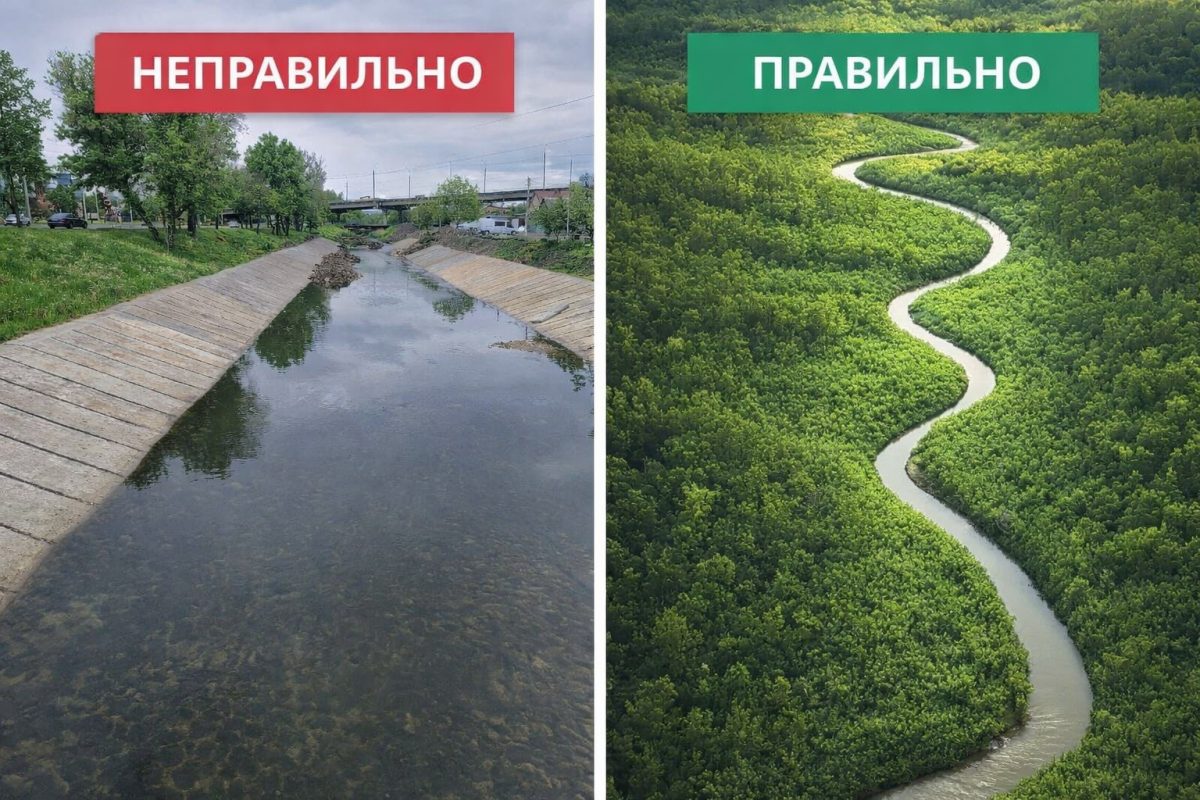
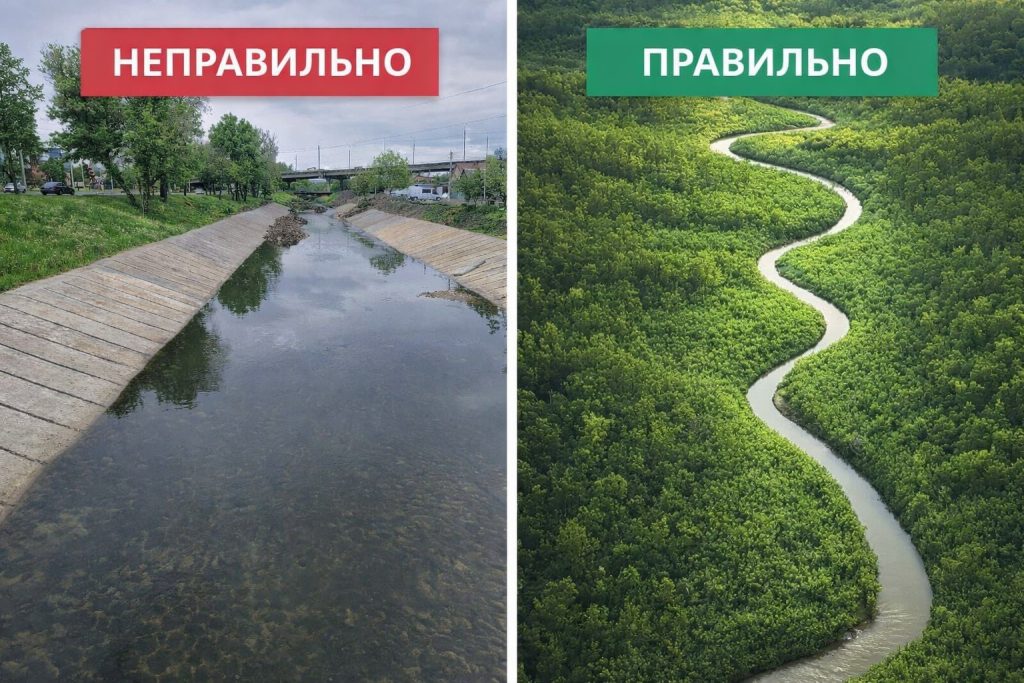
For decades, cities around the world—including Chișinău—have tried to “tame” rivers by encasing them in concrete and straightening their channels. It was believed that river canalization would prevent floods, improve drainage, and simplify urban development. However, modern research shows the opposite: concrete riverbeds do not solve the problem—they make it worse.

What happens when rivers are locked in concrete

Hydrological studies by the US Geological Survey as early as the 20th century (Leopold & Wolman, 1960) demonstrated that when a river is confined by concrete banks and its channel is straightened, the flow velocity increases sharply. The river effectively turns into a pipe.

The same process is happening with the Bîc River in Chișinău.

During heavy rainfall, water can no longer spread across the floodplain or be absorbed by vegetation and soils. Instead, it rushes downstream at dangerous speeds.

More recent studies (Brody et al., 2019, Journal of Environmental Management) confirm that cities with heavily channelized rivers suffer greater flood damage—especially under extreme rainfall events, which are becoming more frequent due to climate change.

Concrete does not absorb water, does not filter it, and does not cool the city. It only accelerates the flow and transfers the problem further downstream.

Why are rivers “cleaned” if they flowed naturally for thousands of years?

The core problem is not the rivers themselves, but their straightening.

During the Soviet period, many river sections were straightened to expand agricultural land and to build highways, railways, and other infrastructure.

Today, “cleaning” 1 km of a river in Moldova costs between 800,000 and 1.5 million lei. And these works must be repeated again and again—the costs never end.

The only sustainable solution is restoring river meanders, not further deepening and straightening channels.

Why are rivers naturally meandering?

Rivers meander because this is nature’s way of dissipating water energy and balancing bank erosion with sediment deposition on floodplains.

Meanders:

  • slow down the flow,

  • reduce the risk of catastrophic floods,

  • support floodplain ecosystems.

Straightening rivers, by contrast, accelerates flow, dries out floodplains, destroys ecosystems, and shifts flood risk downstream.

What natural rivers do—and why it works

Rivers with natural banks, vegetation, and floodplains behave very differently.

The Intergovernmental Science-Policy Platform on Biodiversity and Ecosystem Services (IPBES, UN, 2019) shows that restored riverbanks, wetlands, and floodplains can:

  • reduce flood peaks by 20–40%,

  • slow water flow,

  • recharge groundwater,

  • filter pollutants before they enter the river.

This is exactly what the Bîc River and many small rivers of Moldova—including the Răut River and its tributaries—are lacking today.

Nature is cheaper than concrete

According to the World Bank (2019), every 1 euro invested in nature-based and sustainable infrastructure saves up to 4 euros in disaster recovery costs.

The OECD (2020) emphasizes that:

  • concrete solutions require constant repairs,

  • their costs increase with every extreme flood,

  • they adapt poorly to changing climate conditions.

For Chișinău, this means millions of lei spent not on urban development, but on dealing with the consequences of outdated approaches.

Restored rivers bring life back

Research by Palmer et al. (2010, Science) shows that river restoration leads to:

  • the return of fish,

  • increased bird populations,

  • recovery of pollinators,

  • improved water quality within 3–5 years.

For the Răut River and its tributaries, this is a real chance to restore ecosystem functions lost due to channel straightening, removal of riparian vegetation, and agricultural pressure.

River corridors are natural air conditioners for cities

Green zones along rivers are not a luxury—they are a climate necessity.

According to Urban Climate research (Gunawardena et al., 2017), green river corridors:

  • reduce air temperatures by 1–3°C,

  • mitigate the urban heat island effect.

For Chișinău, which increasingly suffers from summer heat, restoring the Bîc River is a matter of public health and comfort.

The world is changing its approach—Moldova should too

Around the world, cities are moving away from concrete:

  • Germany and the Netherlands implement the “Room for the River” policy,

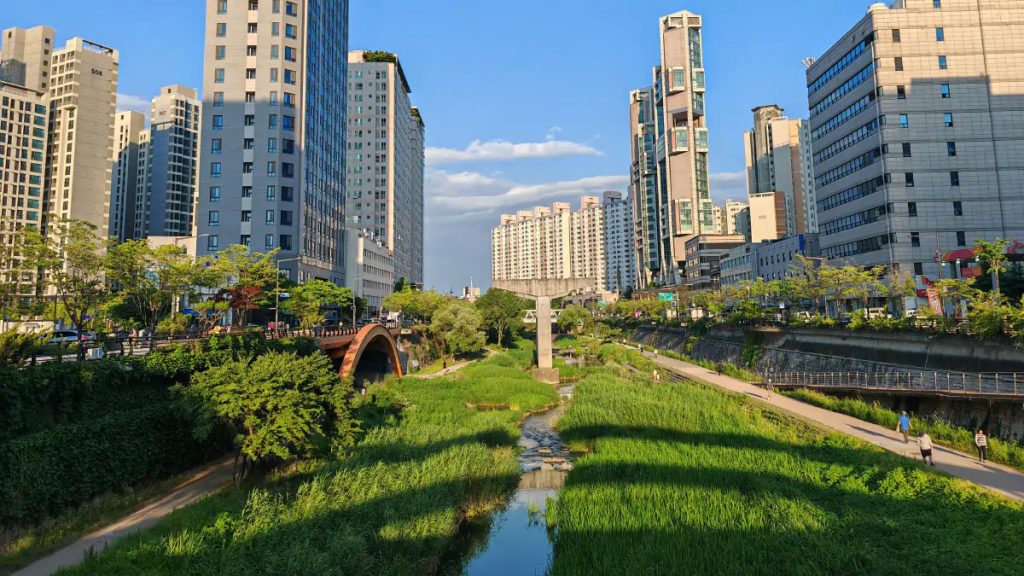
  • Seoul removed concrete and restored the Cheonggyecheon River,

  • France is investing heavily in the renaturalization of small rivers.

De ce betonarea râurilor și „curățarea” lor sunt o greșeală pentru Chișinău și Republica Moldova (studii)

Author: homestead

Timp de decenii, orașe din întreaga lume, inclusiv Chișinăul, au încercat să „domolească” râurile prin betonare și îndreptarea albiilor. Se credea că canalizarea râurilor va preveni inundațiile, va îmbunătăți drenajul și va facilita dezvoltarea urbană. Totuși, cercetările moderne arată clar: betonarea râurilor nu rezolvă problema — ci o agravează.

Ce se întâmplă când râurile sunt încorsetate în beton

Studiile hidrologice ale US Geological Survey încă din secolul XX (Leopold & Wolman, 1960) au demonstrat că, atunci când un râu este constrâns între maluri de beton și albia sa este îndreptată, viteza curgerii apei crește brusc. Râul se transformă, practic, într-o conductă.

Același lucru se întâmplă și cu râul Bîc din Chișinău.

În timpul ploilor abundente, apa nu mai poate ieși în luncă și nu mai este reținută de vegetație sau soluri — ea se deplasează rapid în aval, cu o viteză periculoasă.

Cercetările recente (Brody et al., 2019, Journal of Environmental Management) confirmă că orașele cu râuri puternic canalizate suferă pagube mai mari în urma inundațiilor, mai ales în condițiile precipitațiilor extreme, tot mai frecvente din cauza schimbărilor climatice.

Betonul nu absoarbe apa, nu o filtrează și nu răcește orașul. El doar accelerează curgerea și transferă problema mai departe, în aval.

De ce sunt „curățate” râurile, dacă ele au curs normal timp de milenii?

Problema principală nu constă în râuri ca atare, ci în îndreptarea lor.

În perioada sovietică, un număr mare de sectoare de râu au fost rectificate pentru extinderea terenurilor agricole, construirea de autostrăzi, căi ferate și alte infrastructuri.

Astăzi, în Republica Moldova, pentru „curățarea” a 1 km de râu se cheltuie între 800.000 și 1,5 milioane de lei. Aceste lucrări trebuie însă repetate periodic — iar costurile nu se termină niciodată.

Singura soluție durabilă este refacerea meandrelor naturale ale râurilor, nu adâncirea și îndreptarea lor continuă.

De ce râurile sunt meandrate în natură?

Râurile meandrează deoarece acesta este modul natural de disipare a energiei apei și de menținere a echilibrului dintre eroziunea malurilor și depunerea aluviunilor pe câmpii.

Meandrele:

  • încetinesc curgerea apei,

  • reduc riscul inundațiilor catastrofale,

  • susțin ecosistemele de luncă.

Îndreptarea râurilor, dimpotrivă, accelerează curgerea, duce la uscarea luncilor, distruge ecosistemele și mută riscurile de inundații mai jos pe cursul râului.

Ce fac râurile naturale — și de ce acest lucru funcționează

Râurile cu maluri naturale, vegetație și lunci funcționale se comportă complet diferit.

Platforma interguvernamentală IPBES (ONU, 2019) arată că malurile restaurate, zonele umede și luncile inundabile pot:

  • reduce vârfurile de viitură cu 20–40%,

  • încetini curgerea apei,

  • reîncărca apele subterane,

  • filtra poluanții înainte ca aceștia să ajungă în râu.

Exact aceste funcții lipsesc astăzi râului Bîc și multor râuri mici din Republica Moldova.

Natura este mai ieftină decât betonul și îndreptarea albiilor

Potrivit Băncii Mondiale (2019), fiecare 1 euro investit în infrastructură durabilă și bazată pe natură economisește până la 4 euro cheltuiți pentru înlăturarea consecințelor dezastrelor.

OECD (2020) subliniază că:

  • soluțiile din beton necesită reparații permanente,

  • costurile lor cresc odată cu fiecare inundație extremă,

  • acestea se adaptează slab la noile condiții climatice.

Pentru Chișinău, acest lucru înseamnă milioane de lei cheltuite nu pentru dezvoltarea orașului, ci pentru remedierea efectelor unor soluții depășite.

Râurile restaurate readuc viața

Studiul Palmer et al. (2010, Science) arată că restaurarea râurilor duce la:

  • revenirea populațiilor de pești,

  • creșterea numărului de păsări,

  • refacerea populațiilor de polenizatori,

  • îmbunătățirea calității apei în 3–5 ani.

Pentru râul Răut și afluenții săi, aceasta este o șansă de a restabili funcțiile ecosistemice pierdute din cauza îndreptării albiilor, defrișării malurilor și presiunii agricole.

Coridoarele riverane — „aer condiționat” natural pentru oraș

Zonele verzi de-a lungul râurilor nu sunt un „lux”, ci o necesitate climatică.

Conform revistei Urban Climate (Gunawardena et al., 2017), coridoarele verzi riverane:

  • reduc temperatura aerului cu 1–3°C,

  • diminuează efectul de insulă de căldură urbană.

Pentru Chișinău, care suferă tot mai des de valuri de căldură, restaurarea râului Bîc este o chestiune de sănătate publică și confort urban.

Lumea își schimbă deja abordarea — este timpul și pentru Moldova

În întreaga lume, orașele renunță la beton:

  • Germania și Țările de Jos implementează politica „Room for the River”,

  • Seul a demontat betonul și a restaurat râul Cheonggyecheon,

  • Franța investește masiv în renaturarea râurilor mici.

Почему бетонирование рек и «чистка» — ошибка для Кишинёва и Молдовы (Исследования)

Author: homestead

В течение десятилетий города по всему миру, включая Кишинёв, пытались «усмирить» реки с помощью бетона и выпрямления русел. Считалось, что канализация рек предотвратит наводнения, улучшит дренаж и упростит городское развитие. Однако современные исследования показывают: бетонирование рек не решает проблему — оно её усугубляет.

Что происходит, когда реки заковывают в бетон

Гидрологические исследования US Geological Survey ещё в XX веке (Leopold & Wolman, 1960) показали:
когда реку сжимают бетонными берегами и выпрямляют её русло, скорость течения резко возрастает. Река фактически превращается в трубу.

То же самое происходит и с рекой Бык в Кишинёве.

Во время сильных дождей вода не может разливаться по пойме и задерживаться растительностью или почвами — она устремляется вниз по течению с опасной скоростью.

Современные исследования (Brody et al., 2019, Journal of Environmental Management) подтверждают:
города с жёстко канализированными реками несут больший ущерб от паводков, особенно в условиях экстремальных осадков, которые становятся всё более частыми из-за изменения климата.

Бетон не поглощает воду, не фильтрует её и не охлаждает город. Он лишь ускоряет поток — и передаёт проблему дальше по течению.

Почему вообще реки «чистят», если они тысячелетиями текли нормально?

Главная проблема заключается не в самих реках, а в их выравнивании.
В советское время большое количество участков рек было спрямлено ради расширения сельскохозяйственных угодий, строительства автомагистралей, железных дорог и другой инфраструктуры.

Сегодня на «очистку» 1 км реки в Молдове тратится от 800 000 до 1,5 млн леев. При этом такие работы приходится повторять снова и снова — эти затраты никогда не заканчиваются.

Единственное устойчивое решение — восстановление извилистости рек, а не их дальнейшее углубление и выпрямление.

Почему в природе реки извилисты?

Реки меандрируют, потому что это естественный способ рассеивания энергии воды и баланс между эрозией берегов и отложением наносов на равнинах.

Изгибы:

  • замедляют течение,

  • снижают риск катастрофических наводнений,

  • поддерживают экосистемы пойм.

Выпрямление рек, напротив, ускоряет поток, приводит к пересыханию пойм, уничтожает экосистемы и переносит риски наводнений ниже по течению.

Что делают естественные реки — и почему это работает

Совсем иначе ведут себя реки с естественными берегами, растительностью и поймами.

Межправительственная платформа IPBES (ООН, 2019) показывает:
восстановленные берега рек, водно-болотные угодья и поймы способны:

  • снижать паводковые пики на 20–40%,

  • замедлять поток воды,

  • восполнять грунтовые воды,

  • фильтровать загрязнение до его попадания в реку.

Именно этого сегодня не хватает реке Бык и многим малым рекам Молдовы.

Природа дешевле бетона и выравнивания

По расчётам Всемирного банка (2019), каждый 1 евро, вложенный в устойчивую и природную инфраструктуру, экономит до 4 евро на ликвидации последствий катастроф.

OECD (2020) подчёркивает:

  • бетонные решения требуют постоянного ремонта,

  • их стоимость растёт с каждым экстремальным паводком,

  • они плохо адаптируются к новым климатическим условиям.

Для Кишинёва это означает миллионы леев, уходящие не на развитие города, а на устранение последствий устаревших решений.

Восстановленные реки возвращают жизнь

Исследование Palmer et al. (2010, Science) показывает:
реставрация рек приводит к:

  • возвращению рыб,

  • росту численности птиц,

  • восстановлению опылителей,

  • улучшению качества воды уже через 3–5 лет.

Для Реута и его притоков это шанс вернуть экосистемные функции, утраченные из-за спрямления русел, вырубки береговой растительности и сельскохозяйственного давления.

Речные коридоры — естественные кондиционеры города

Зелёные зоны вдоль рек — это не «роскошь», а климатическая необходимость.

По данным Urban Climate (Gunawardena et al., 2017), зелёные речные коридоры:

  • снижают температуру воздуха на 1–3°C,

  • уменьшают эффект городского теплового острова.

Для Кишинёва, который всё чаще страдает от летней жары, восстановление реки Бык — это вопрос здоровья и комфорта жителей.

Мир уже меняет подход — Молдове пора тоже

Во всём мире города отказываются от бетона:

  • Германия и Нидерланды реализуют политику “Room for the River”,

  • Сеул демонтировал бетон и восстановил реку Чхонгечхон,

  • Франция инвестирует в ренатурализацию малых рек.

Farmers in Ethiopia Have Learned to Restore Forests and Earn Income from Carbon Credits

Author: homestead

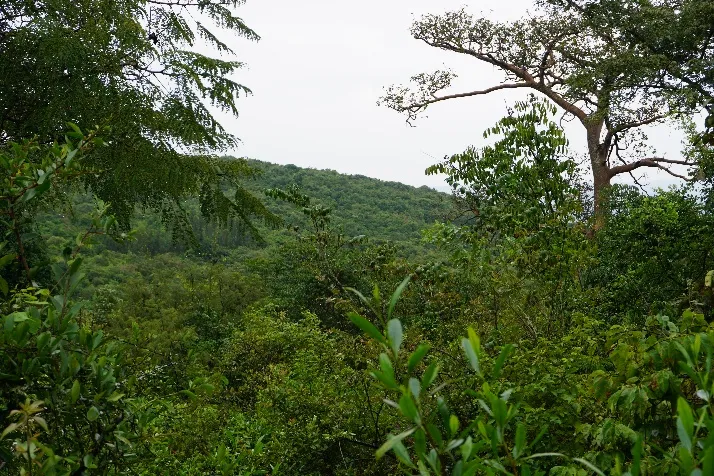
In southern Ethiopia, in the Humbo district, farmers have demonstrated that forest restoration can be not only an environmental effort but also an economically viable one. The story of this landscape shows how degraded mountain slopes were transformed into a source of sustainable income for local communities through collective action and carbon financing.

From Barren Mountains to a Living Forest

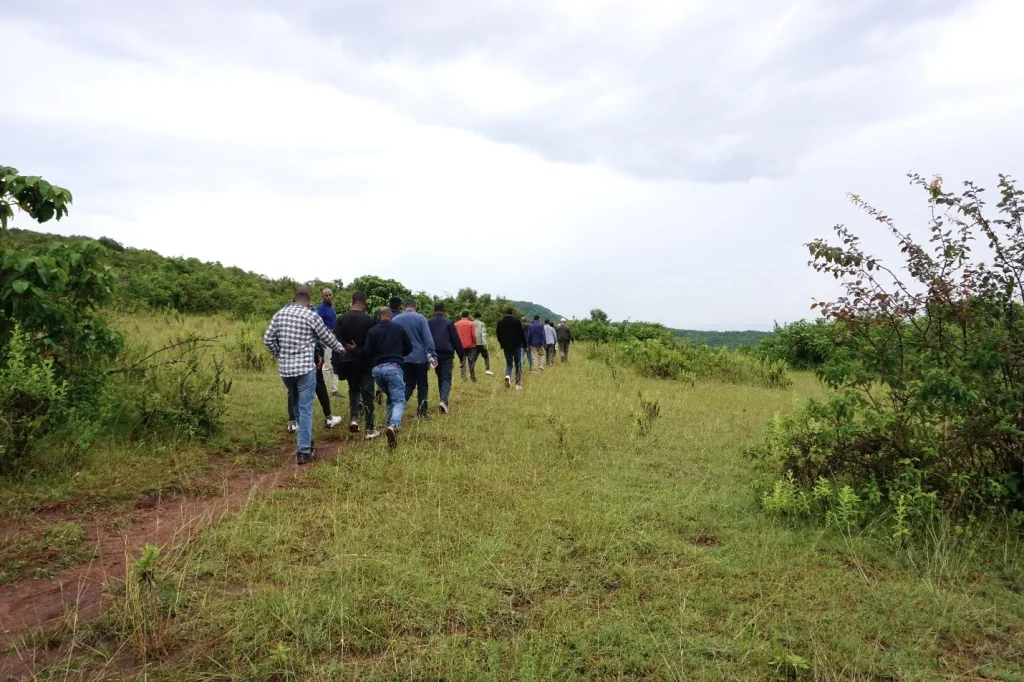
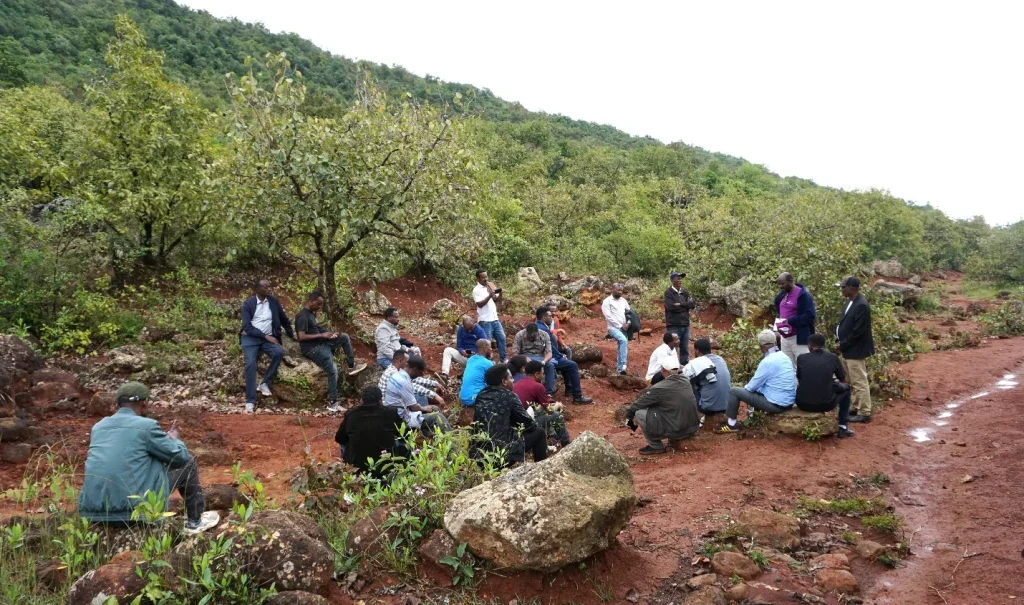
In 2005, the international organization World Vision launched an initiative in Humbo focused on farmer-managed natural forest regeneration. The project covered 2,728 hectares of severely degraded mountainous land. During the first month, specialists held consultations with local communities, paying particular attention to the poorest households that depended on charcoal production and fuelwood collection for survival.

To implement the project, seven cooperatives were established at the kebele level (local administrative units). Their members received training in basic forest management, while people dependent on forest exploitation were offered alternative sources of income. Over time, the cooperatives united into a single union, which today has 5,184 members, about 25% of whom are women.

Resistance, Threats, and First Successes

The path to forest restoration was far from easy. According to Mekonnen Gudjo, chairman of the Hobicha Bada Woyito Mountain Forest Development Cooperative, many residents initially opposed the restrictions.

“People did not want to lose free access to forest resources. When we tried to stop logging and livestock grazing, committee members were pressured and their crops were destroyed,” he recalls.

Tensions escalated to the point where one cooperative chairman was attacked and later died from his injuries. Only after the intervention of local authorities and the organization of security measures was it possible to protect the area and continue the project.

Today, the cooperative manages 372 hectares of restored forest. While it initially had only 25 members, it now includes 935. Some farmers were required by court order to leave land inside the fenced area, while others had to remove eucalyptus plantations that did not align with ecosystem restoration goals.

How Farmer-Managed Restoration Works

The core tool of the project was Farmer-Managed Natural Regeneration (FMNR). This approach is based on regenerating vegetation from living stumps, roots, and seeds. Farmers select the strongest shoots, carry out pruning, and guide tree growth to accelerate biomass accumulation. In addition, seedlings were raised in nurseries and supplementary planting was carried out in open areas.

According to World Vision staff member Mulugeta Zeleke, FMNR is “a low-cost, fast, and easily replicable method for restoring agricultural land, forests, and grazing areas.”

Results became visible within a few years: forest cover reduced the risk of flooding, stabilized rainfall patterns, improved groundwater levels, and even contributed to the return of natural springs. Wildlife returned to the area, and the local microclimate became cooler and more stable.

Carbon Credits: An Economic Turning Point

A major turning point came in 2012, when the Humbo cooperatives began receiving income from the sale of carbon credits. Prior to this, carbon market mechanisms were largely unknown in the Wolaita region, but the project quickly attracted attention and became a model for other communities across the country.

Revenue from carbon credits enabled the cooperative to establish a flour mill offering low prices to local residents, open an office, and rent warehouses and shops. Part of the income is provided to cooperative members as interest-free loans to support their livelihoods.

Each year, specialists measure carbon stocks at 85 sample plots measuring 20×20 meters across the project area. Although income from carbon credits fluctuates, its potential is clear: in 2024 the cooperative earned about 435,000 birr, while in 2025 revenues exceeded 5 million birr. In the near future, the cooperative plans to distribute 10,000 birr each to 500 members.

Lessons from Humbo

The Humbo experience shows that forest restoration is possible even under conditions of severe poverty and social conflict—provided that local communities are genuinely involved and benefits are distributed fairly.

“This project changed my understanding of what is possible. If people believe in an idea and feel ownership of it, they can achieve what seems impossible,” said Dr. Getachew Hiruy of the Commission for Development and Social Services.